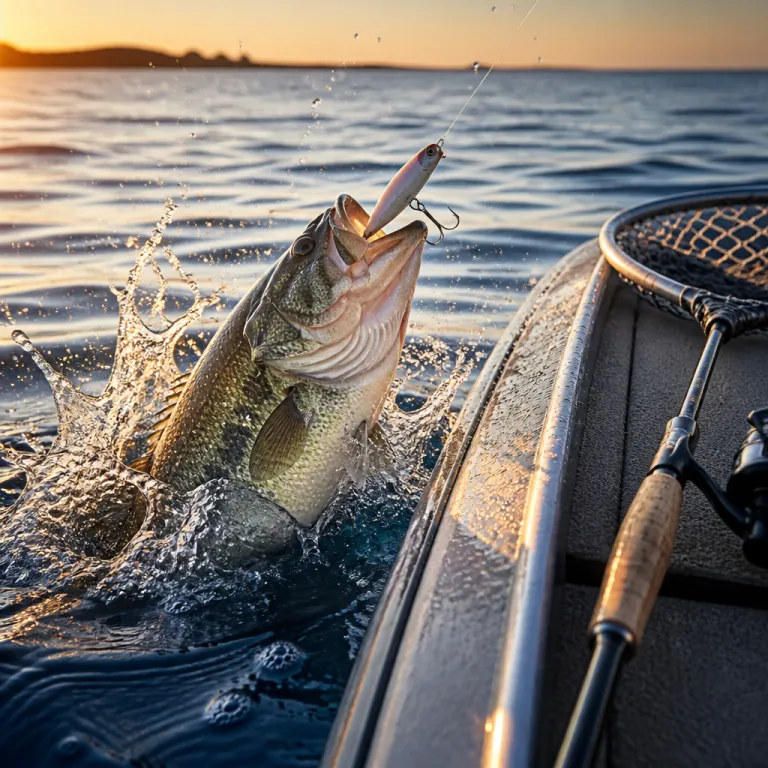
The 45 minute window for topwater bass at first light
Topwater bass fishing early morning is not magic, it is physics. In that first thin slice of time, low light, cooler surface water, and high dissolved oxygen line up so perfectly that bass will treat the surface like a buffet. If you understand how those pieces interact, you can turn a sleepy dawn into the best fishing topwater session of your season.
Before sunrise, the upper few centimetres of water cool slightly, creating a comfortable surface film where topwater bass feel safe enough to rise and feed. As the water temperature stabilises and baitfish slide shallow, every frog, shad, and insect silhouette on the surface becomes a potential catch, and that is when the right topwater lures catch far more fish than any subsurface bait. In this narrow window, bass will hit a walking lure or a noisy whopper plopper with a confidence you rarely see once the sun climbs.
That window usually lasts about 45 minutes, from first grey light until the sun angle reaches roughly 10 to 15 degrees. Once that happens, changing light conditions punch deeper into clear water, and pressured bass start sliding off the very shallow edges where your topwater baits had been deadly. You can still tempt a big bass after that, but the better topwater bite is fading fast, and every long cast needs to be more precise around cover.
In stained or warm water, the timing shifts slightly, yet the pattern holds. The combination of low light and comfortable water temperature near the surface lets bass position higher in the water column without feeling exposed, which is why a frog lure or prop bait can pull fish from surprising depth. When that balance breaks, your tackle box needs more than just surface baits ready.
Think of those 45 minutes as a tactical sprint, not a relaxed long session. You are not there to skip content in your approach, you are there to work every high percentage lane where a topwater lure or bait can cross a feeding line. When you treat that early morning period as a focused mission, your bass fishing results change quickly.
Light, oxygen, and silhouette: why bass feed on the surface at dawn
At first light, the lake is quiet, but the water is busy. Overnight, plants and algae stop photosynthesising, oxygen levels dip slightly, and then climb again as the first rays hit the surface, which is when active bass will slide up to feed in the shallow band. That is the moment when topwater bass fishing early morning becomes less about luck and more about reading the science.
Low light keeps the surface glare down, so bass can track a lure silhouette from below without feeling overly exposed to predators. In clear water, that silhouette is everything, and a simple walking bait or whopper plopper style lure creates a clean profile that helps fish key in even when the water temperature is still adjusting. Dark colours like black or dark green often look counterintuitive, yet in these light conditions they throw the best outline against the dim sky.
Once the sun climbs and the post dawn period begins, the angle of light changes how bass see your topwater lures. When the sun gets higher, bass will start to notice hardware, split rings, and hooks flashing under the surface, and they become more selective about which baits they will hit. That is why the better topwater bite usually fades faster on bluebird mornings than on hazy or overcast days.
Wind also shapes this window. A light ripple breaks up the surface and lets a frog bait or other topwater baits move more naturally, while dead calm water can make every lure look suspicious unless you work it with long pauses. If the wind stacks warm water into a shallow pocket, bass will often push baitfish there, and a series of long casts across that zone can pull multiple fish before the window closes.
Colour choice in these conditions is less about what looks good in your tackle box and more about contrast. In low light, bone, black, and dark blue patterns usually outperform chrome or translucent finishes, especially when you are fishing topwater over shallow grass or wood. For more on how predator species respond to lure profiles, the breakdown of big game lure behaviour in this guide on refined strategies for choosing lures that consistently raise big game is surprisingly relevant to bass.
Choosing the right topwater style for cover, wind, and mood
Not every topwater lure belongs on your line during that early morning window. Walking baits, poppers, buzzbaits, frogs, and whopper plopper style props each shine in different water and cover situations, and matching them to the conditions is what separates a good outing from a forgettable one. The wrong lure can still catch fish, but the right one lets your long casts work every metre of productive water.
In calm, clear water with scattered rock or sparse grass, a walking bait is usually the best first choice. Its side to side glide creates a subtle surface disturbance that looks like a wounded baitfish, and bass will often track it for several metres before they will hit decisively. When you see that kind of follow, resist the urge to speed up, because a slow, steady cadence often convinces a big bass to commit.
Poppers excel when bass are tight to specific targets. If you are casting to a single stump, dock post, or laydown in shallow water, a pop and pause rhythm lets the lure sit in the strike zone longer, which helps neutral fish decide to eat. In low light, a small popper with a feathered treble can be one of the best topwater lures to keep in your tackle box.
When wind roughens the surface, buzzbaits and whopper plopper style baits come into their own. Their noise and vibration cut through the chop, and bass will often track them by feel more than sight, especially when the water temperature is still cool from the night. In warm water with a light chop, these louder baits can trigger reaction strikes from fish that ignored quieter options.
Hollow body frog lures are the tool for heavy cover. Over matted grass, pads, or thick wood, a frog bait can slide across the surface where treble hooked lures would snag instantly, and bass will explode through the cover to catch them. To turn those violent blow ups into solid hook ups, pairing the right frog with the right hook and line matters, and the same logic used when choosing swimbait hardware in this guide on how to choose swimbait hooks that turn follows into solid hookups applies strongly here.
Reading the first ten casts and knowing when to switch
The first ten casts of any topwater bass fishing early morning session tell you more than most anglers realise. Those early throws across prime shallow water are your live data feed on bass mood, light conditions, and how they want the bait. If you pay attention to every swirl, miss, and follow, you can adjust before the 45 minute window slips away.
Aggressive blow ups where bass fully engulf the lure usually mean you can keep the same style and speed. When bass will hit a walking bait hard and stay pinned, you are in the heart of the better topwater bite, and you should cover as much water as possible with long casts that cross multiple depth changes. In this phase, topwater baits like walking plugs and whopper plopper style lures catch both numbers and the occasional big bass.
Short strikes, where fish slap at the lure or miss repeatedly, tell a different story. Often this happens when the water temperature is cooler than it looks, or when bass are tracking from slightly deeper water and are not fully committed to the surface. In that case, downsizing your lure, slowing the retrieve, or switching from a loud bait to a more subtle frog or popper can help convert those half hearted hits.
Follows without contact are the third signal. If you see a bass roll behind the lure or push a wake but never catch up, it usually means the light conditions or silhouette are wrong, especially in clear water. A colour change from chrome to black, or from translucent to bone, often fixes this faster than changing spots.
There comes a point when the post dawn sun angle and boat traffic push bass down, and the surface bite is no longer the best option. When you see baitfish dropping deeper on your electronics, or when repeated casts over prime shallow structure draw no interest, it is time to put the topwater lures away and move to subsurface baits. On those days, a medium light spinning rod like the one reviewed in this detailed test of a flexible trout spinning rod can actually be a good template for the kind of forgiving action that keeps treble hooked bass pinned on smaller hard baits.
Gear choices that protect the bite and extend the window
Rod, line, and hooks are not just gear details, they are part of the system that makes topwater bass fishing early morning work. A slightly softer rod tip, especially on a medium or medium heavy blank, prevents you from ripping the bait away when bass will hit at close range. That forgiveness is crucial when a big bass explodes boatside and your instinct is to swing too hard.
For walking baits and whopper plopper style lures, a 2,1 to 2,2 metre rod with a moderate fast action is a good starting point. The extra length helps you make long casts across shallow flats, while the softer tip lets the lure work without pulling it under the surface. Paired with monofilament or a floating copolymer line, this setup keeps your topwater baits riding correctly even when the water temperature and density change through the morning.
Frog fishing demands a different approach. Over heavy cover, a shorter but powerful rod with a fast action and braided line lets you winch fish out of pads and grass before they bury, yet you still want a touch of give in the tip so you do not pull the frog away when bass will hit and miss slightly. Waiting that extra half second before driving the hooks home is hard, but it turns blow ups into fish in the net.
Your tackle box for this window should be focused, not cluttered. A handful of proven topwater lures in both loud and subtle styles, a couple of frog baits, and a few backup colours in black, bone, and natural shad will cover most light conditions you face. Keeping the selection tight helps you react quickly when the post dawn shift starts and the better topwater bite begins to fade.
On overcast days, there is often a second window when low light returns and bass slide shallow again. Watch for baitfish flicking near the surface, scattered dimples in warm water, and the first swirl under a passing lure, because those signs tell you that fishing topwater is back on the menu. When you learn to read both windows, you stop chasing the clock and start fishing the conditions, which is what matters on the tenth cast in the rain.
FAQ
Why is early morning so effective for topwater bass fishing ?
Early morning combines low light, comfortable surface water temperature, and active baitfish, which encourages bass to feed higher in the water column. In that first 45 minutes, bass feel safer in shallow water and will hit surface baits more confidently. Once the sun rises and light penetrates deeper, they usually slide off the bank and the surface bite weakens.
How do I know when to stop fishing topwater and go subsurface ?
When repeated casts over prime shallow structure draw no follows or boils, the topwater window is likely closing. If you see baitfish dropping deeper or bass following your lure without committing, it is time to switch to subsurface baits like crankbaits, swimbaits, or soft plastics. Paying attention to those signals prevents you from wasting the rest of the morning on an unproductive pattern.
What colours work best for topwater lures in low light ?
In low light, contrast matters more than realism, so black, dark blue, and bone are usually the most reliable colours. These shades create a strong silhouette against the dim sky, helping bass track the lure from below. Chrome and translucent finishes tend to work better once the sun is higher and visibility improves.
Do I need different rods for walking baits and frogs ?
Walking baits and prop baits fish best on a medium or medium heavy rod with a moderate fast action and some tip softness. Frog lures over heavy cover require a faster, more powerful rod and braided line to pull fish out of vegetation. Using one all purpose rod is possible, but you will compromise either casting control or hook setting power.
Can topwater lures work all day on overcast days ?
On overcast days, low light can extend the surface bite well beyond the first 45 minutes, especially in warm water with active baitfish. The bite often comes in waves, with a second window when clouds thicken or wind shifts. Staying alert to surface activity and adjusting lure style lets you take advantage of those extended periods.
Sources
- In-Fisherman magazine, bass behaviour and seasonal pattern features
- Bassmaster, tournament coverage and technique breakdowns on topwater presentations
- State fisheries agency reports on bass habitat, water temperature, and dissolved oxygen dynamics