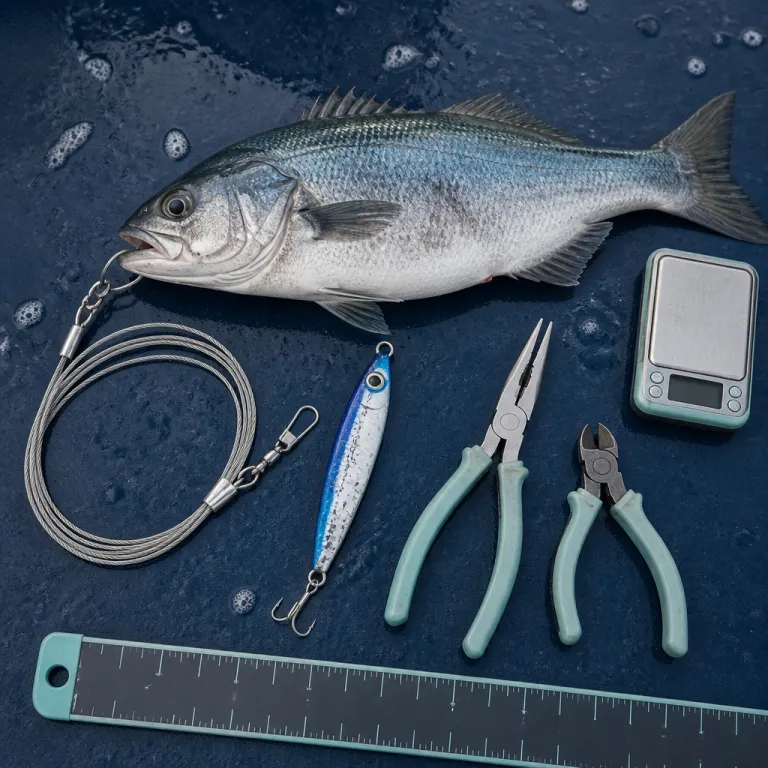

Choosing stainless steel fishing wire for modern recreational fishing
Stainless steel fishing wire has become a quiet workhorse in serious recreational fishing. Many anglers now rely on this type of wire when they target powerful fish in saltwater or fresh water, because it offers consistent strength and predictable handling. Used correctly, stainless wire leaders can transform how your lures and bait behave in both shallow and deep water.
When you compare stainless steel to monofilament or fluorocarbon, the wire immediately stands out for its tooth proof performance against sharp jaws. Barracuda, bluefish, pike, and other aggressive fish species can slice softer leaders in one strike, while a properly crimped stainless leader keeps hooks connected. That reliability matters when you are fighting a marlin offshore or working big pike near submerged mounts and rocks.
Modern stainless steel fishing wire is usually sold on compact spools that fit easily in a tackle bag. These spools of trolling cable or rigging wire come in different diameters and breaking strengths, so you can match the wire setup to your target fish and style. For example, a lighter abrasion resistant wire leader suits inshore saltwater fishing, while heavier stainless trolling wire is better for offshore big game spreads.
Anglers often underestimate how much their fishing gear depends on the right terminal rigging. Stainless leaders, swivels, and other fishing accessories form the final link between rod and fish, and any weak point in the wire or crimps can cost a trophy. When you treat stainless steel fishing wire as core gear rather than a minor accessory, your overall fishing system becomes more robust and efficient.
How stainless steel fishing wire behaves in fresh water and saltwater
Stainless steel fishing wire behaves differently in fresh water and saltwater, and understanding this helps you choose the right setup. In fresh water, thinner wire leaders are often enough to protect against toothy fish species such as pike or muskie without killing lure action. In saltwater, corrosion, marine growth, and constant abrasion demand stronger stainless alloys and more abrasion resistant coatings.
Saltwater fishing exposes every piece of fishing gear to harsh conditions, from ultraviolet light at the surface to suspended sand in breaking waves. Stainless wire resists rust far better than many cheaper metals, but it still needs rinsing in clean water and drying after each trip to maintain reliable performance. If you fish from a kayak or small boat, keep a small towel and a bottle of fresh water in your fishing accessories box to wipe down leaders and swivels before storage.
In deep water trolling, stainless steel trolling wire sinks faster than braid or nylon, which helps you reach specific depths without massive sinkers. When you combine trolling wire with a sinking braided main line, you gain precise control over lure depth and presentation in both fresh water and saltwater fishing. For more detail on how sinking braids interact with wire leaders, many anglers study dedicated guides on why sinking braided line matters for recreational anglers.
Shore based anglers also benefit from stainless steel fishing wire when casting lures into rocky or shell covered areas. The abrasion resistant nature of stainless leaders protects against cuts from barnacles, mussel beds, and artificial mounts such as jetty pilings, which often shred softer lines. By pairing a short stainless leader with a quality swivel and strong hooks, you can fish confidently around structure where big predators hunt.
Rigging leaders, trolling systems, and bait with stainless wire
Rigging stainless steel fishing wire correctly is as important as choosing the right diameter or breaking strain. A poorly crimped leader or badly twisted rigging wire can fail under load, even if the wire itself has high strength properties. Recreational fishermen who invest time in learning proper rigging techniques usually land more fish and lose fewer expensive lures.
For casting lures or bait, many anglers use short wire leaders between 15 and 40 cm, attached to the main line with quality swivels. These leaders protect against toothy fish species while keeping lure action natural, especially when you match the wire diameter to the lure size and target fish. When trolling, longer leaders or full sections of trolling cable may be necessary to handle the shock and constant vibration of fishing trolling passes behind the boat.
| Wire diameter | Typical rating | Recommended species | Common sleeve size | Crimp die setting |
|---|---|---|---|---|
| 0.40 mm | 20–30 lb | Trout, bass, small pike | 0.5–0.6 mm | Small oval / light |
| 0.60 mm | 40–60 lb | Pike, muskie, bluefish | 0.6–0.8 mm | Medium oval |
| 0.80 mm | 80–100 lb | King mackerel, small tuna | 0.8–1.0 mm | Medium / heavy |
| 1.00 mm | 130–150 lb | Sharks, marlin | 1.0–1.2 mm | Heavy oval |
- Cut leader: measure 20–30 cm of 7-strand stainless wire for casting, or 80–150 cm for trolling; use dedicated wire cutters sized for up to 60 lb test.
- Slide on sleeve: choose double-barrel copper or aluminum crimps matched to wire diameter (for example, 0.6 mm sleeves for 40 lb wire).
- Attach swivel: pass the tag end through a size 3–5 ball bearing swivel eye, then back through the sleeve to form a small loop.
- Crimp connection: use ratcheting crimping pliers with the correct die for your sleeve size; apply two firm compressions without crushing the wire.
- Finish hook end: repeat the sleeve and crimp process with your chosen hook or snap, trimming tag ends flush with cutters.
- Test the rig: pull steadily with gloved hands to confirm there is no slipping at crimps or unexpected stretch in the system.
Big game anglers often build complex cable systems that combine stainless steel wire, heavy duty swivels, and crimped connections to distribute load. These systems allow them to fight marlin, tuna, or large sharks without overstressing any single part of the fishing gear, especially during long fighting battles in deep water. Detailed tutorials on mastering depth control with lead core line can complement your understanding of how wire and weighted lines interact in a trolling spread.
Bait rigging with stainless wire also deserves attention, particularly when slow trolling live bait for big game fish. A carefully wrapped wire through the bait’s nose and back keeps it swimming naturally, while tooth proof properties prevent bite offs from aggressive predators. Always carry dedicated fishing tools such as crimping pliers, wire cutters, and rigging needles in your fishing accessories kit to build and repair leaders on the water.
Matching stainless steel wire to fish species, lures, and fishing styles
Choosing the right stainless steel fishing wire starts with a clear view of your target fish species. Light wire suits smaller predators and finesse presentations, while heavy wire cable is better for powerful jaws and abrasive environments. If you mainly fish pike in fresh water lakes, your ideal leader will differ from someone trolling for marlin offshore.
Lure selection also shapes your wire choice, because different lures react differently to leader stiffness and diameter. Slim jerkbaits and small soft lures often need finer wire leaders to maintain a natural swimming motion, whereas heavy trolling lures tolerate thicker stainless leaders without losing action. When fishing bait near the bottom, abrasion resistant wire becomes more important than ultra subtle presentation, especially around rocks or wrecks.
Anglers who focus on big game saltwater fishing usually carry several spools they can swap quickly as conditions change. One spool might hold lighter rigging wire for smaller tuna, while another carries heavy strength stainless cable for sharks or marlin in deep water. By organizing your fishing tools and accessories around specific fish species and techniques, you reduce rigging time and spend more time with your line in the water.
Recreational fishermen who split their time between fresh water and marine environments should build separate leader kits. Fresh water kits can prioritize thinner wire, smaller swivels, and subtle hooks, while saltwater kits emphasize tooth proof stainless steel, stronger mounts, and corrosion resistant tools. This simple separation keeps your fishing gear efficient and prevents you from using the wrong wire in the wrong water.
Durability, maintenance, and safety when using stainless steel fishing wire
Durability is one of the main reasons anglers choose stainless steel fishing wire over softer materials. The combination of corrosion resistance and abrasion resistant performance means a single leader can often survive multiple fish, especially in clean water. However, no wire is indestructible, and regular inspection is essential for safe and reliable fishing.
After each trip, run your fingers carefully along every wire leader to feel for kinks, flat spots, or sharp bends. Any damaged section weakens the internal structure of the wire and should be cut out or replaced before the next day on the water. Pay special attention to areas near swivels, hooks, and crimps, because these mounts experience the highest stress during fighting runs.
Proper storage also extends the life of stainless steel leaders and trolling wire spools. Keep spools of fishing gear in a dry box away from direct sunlight, and avoid tight bends that can create permanent kinks in the wire. Many anglers use small plastic sleeves or foam mounts to keep pre rigged leaders organized with hooks, swivels, and other fishing accessories ready for quick deployment.
Safety deserves equal attention, because stainless steel fishing wire can cut skin as easily as it resists fish teeth. Always use dedicated fishing tools such as quality wire cutters and crimping pliers, and never pull on wire with bare hands when freeing snags. Wearing light gloves during rigging and unhooking reduces the risk of injury, especially when big game fish thrash near the boat in shallow or deep water.
Integrating stainless wire into a complete recreational fishing system
Stainless steel fishing wire works best when integrated thoughtfully into a complete fishing system rather than treated as an afterthought. Rods, reels, main line, leaders, and terminal accessories must all balance, or the strongest wire in the world will not save a poorly matched setup. Recreational fishermen who view their fishing gear as a coherent system usually experience fewer failures and more consistent results.
For inshore saltwater fishing, pairing a medium spinning rod with braided main line and short stainless leaders offers a versatile platform. This combination handles lures, bait, and light trolling wire rigs, while still allowing you to cast accurately around structure and shallow marine flats. Detailed guides on top rated inshore spinning rods for coastal fishing can help you match rod power to your preferred wire leaders and fish species.
Offshore anglers targeting big game fish such as marlin or large tuna often rely on heavy trolling outfits with integrated wire cable. These systems use long stainless steel leaders, multiple swivels, and robust mounts to distribute load during extended fighting battles in deep water. When every component from hooks to rigging wire is chosen deliberately, the entire chain from reel to fish becomes more reliable and efficient.
Even shore based or kayak anglers can benefit from a system mindset when using stainless steel fishing wire. By standardizing leader lengths, swivel sizes, and hook patterns across your fishing accessories, you simplify rigging and reduce decision fatigue on the water. Over time, this consistency builds confidence, and confident anglers usually fish better, set hooks more decisively, and land more fish.
Advanced tips for recreational anglers using stainless steel fishing wire
Once you master the basics of stainless steel fishing wire, several advanced techniques can further refine your approach. One useful method is mixing short stainless leaders with longer fluorocarbon sections, which preserves tooth proof protection near the lure while keeping the rest of the system more flexible. This hybrid rig works well for wary fish species in clear water, especially when you need both stealth and durability.
Another advanced tactic involves adjusting leader stiffness to tune lure action during fishing trolling passes. Stiffer wire can stabilize certain trolling lures at higher speeds, while slightly softer rigging wire allows more natural movement for slow presentations with live bait. Experimenting with different wire diameters and constructions on the same lure often reveals surprising improvements in strike rates.
Serious recreational fishermen also pay attention to how wire color and finish interact with light in both fresh water and saltwater. Some stainless steel wires have a dull, matte finish that reduces flash, while others are brighter and can act almost like an additional lure attractor in clear marine conditions. Keeping a small selection of different finishes in your fishing tools kit lets you adapt quickly when fish become line shy or conditions change.
Finally, remember that stainless steel fishing wire is only as effective as the angler who uses it thoughtfully. Regular practice with knots, crimps, and rigging tools turns complex cable systems into simple routines you can execute even in rough water. Over time, this competence with wire, leaders, swivels, and accessories becomes a quiet advantage that separates consistently successful anglers from the rest.
Key statistics about stainless steel fishing wire and recreational fishing
- Market analyses reported by major tackle retailers such as Bass Pro Shops and Cabela’s indicate that wire leaders, including stainless steel fishing wire, account for roughly 10–15 % of terminal tackle sales in many coastal regions, reflecting strong adoption among saltwater fishing enthusiasts.
- Laboratory bend-cycle tests published by manufacturers including AFW (American Fishing Wire) and Malin suggest that quality stainless steel wire can retain more than 90 % of its rated breaking strength after 1 000 controlled bend cycles, while some monofilament leaders lose over 20 % under similar conditions.
- Field observations and charter boat logs on toothy fish species such as bluefish and barracuda, summarized by several regional angling clubs in Florida and the U.S. Northeast, report bite off rates below 2 % when anglers use properly crimped stainless wire leaders, compared with rates above 15 % when using heavy monofilament alone in the same waters.
- Corrosion testing by marine hardware companies like Harken and Lewmar shows that marine grade 304 and 316 stainless steel can resist visible rust for more than 500 hours in standardized salt spray chambers, which helps explain its popularity for swivels, hooks, and wire leaders in harsh marine environments.
- Angler surveys from European and North American big game fishing associations, including several IGFA-affiliated clubs, indicate that more than half of regular offshore fishermen carry at least three different diameters of stainless steel fishing wire or cable, highlighting the importance of matching wire size to target species and techniques.
FAQ about stainless steel fishing wire for recreational anglers
When should I choose stainless steel fishing wire instead of fluorocarbon or monofilament ?
Stainless steel fishing wire is the better choice whenever you target toothy fish species or fish around very abrasive structure. Use it for pike, muskie, bluefish, barracuda, mackerel, sharks, and similar predators, or when trolling lures near rocks, wrecks, and heavy cover. For non toothy fish in open water, fluorocarbon or monofilament leaders often provide enough protection with greater stealth.
How long should my stainless wire leader be for casting and trolling ?
For casting lures or bait, most recreational anglers use stainless wire leaders between 15 and 40 cm, which protects against teeth without harming lure action. When trolling, leaders often range from 60 cm to more than 2 m, depending on target species, lure size, and water clarity. Longer leaders help keep fish away from the main line and provide extra abrasion resistant protection during long fights.
Can stainless steel fishing wire scare fish in clear water ?
In very clear fresh water or shallow marine flats, thick or shiny stainless wire can sometimes reduce strikes from wary fish. To minimize this, choose the thinnest practical wire diameter, use matte or coffee colored finishes, or combine a short stainless section with a longer fluorocarbon leader. Testing different setups on the same day is the best way to see how local fish respond.
How do I maintain and store stainless steel leaders and spools ?
Rinse stainless steel fishing wire in fresh water after every saltwater trip, then dry it thoroughly before storage to help prevent hidden corrosion at crimps and swivels. Store spools and pre rigged leaders in a dry box away from direct sunlight, avoiding tight bends that can create kinks. Inspect each leader before use, and replace any wire that shows sharp bends, frayed strands, or flattened sections.
What tools do I need to work safely with stainless steel fishing wire ?
At minimum, you need quality wire cutters, crimping pliers matched to your sleeve sizes, and a small pair of long nose pliers for handling hooks and swivels. Many anglers also use light gloves during rigging to avoid cuts from the wire, especially when working with heavier trolling cable. Keeping these fishing tools in a dedicated pouch or box ensures you can build, adjust, and repair leaders quickly and safely on the water.