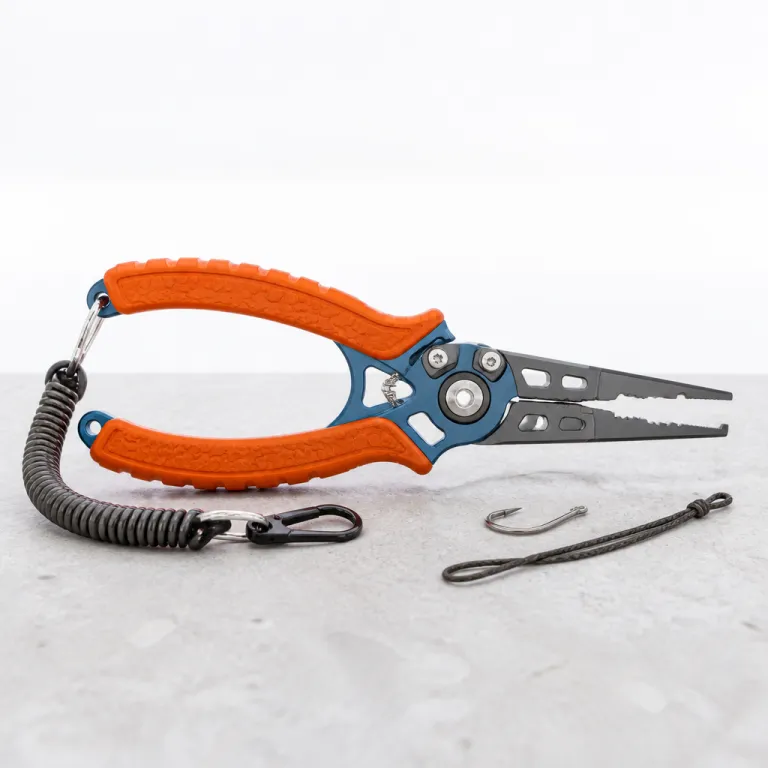
Why the best fishing pliers for saltwater matter on every trip
Serious saltwater fishing exposes every metal tool to relentless corrosion. When you choose the best fishing pliers for saltwater, you protect your hands, your fishing hooks, and your terminal tackle from damage during hectic fights with strong fish. A reliable pair that combines stainless-steel strength with aluminum lightness quickly becomes the most used fishing tool on your boat.
Many recreational anglers underestimate how often their pliers touch saltwater, bait, and braided line while unhooking fish or trimming leaders. Those same fishing pliers then sit wet in a tackle box, where any non–corrosion-resistant steel or cheap aluminum starts to pit, seize, and lose cutting power. Once the jaws slip on a split ring or the needle-nose tips bend on a heavy hook, you realize that low-cost pliers sold in bulk were a false economy.
Modern saltwater fishing gear now includes specialized stainless-steel pliers, lightweight aluminum models, and even titanium tools designed for harsh marine use. Brands such as Van Staal and Danco offer spring-loaded split-ring pliers and compact fly-fishing tools that handle both small split-ring changes and heavy braid-cutting work on offshore leaders. Whether you shop locally or on Amazon, the best fishing pliers for saltwater will always combine precise jaws, durable stainless steel or titanium components, and ergonomics that let you work quickly when a powerful fish is thrashing beside the boat.
Key materials and designs that define premium saltwater pliers
Material choice is the foundation of any plier built for saltwater fishing. High-grade stainless steel resists rust better than basic carbon steel, while aircraft aluminum frames keep fishing tools light enough for all-day use on the flats. Titanium pliers sit at the top of the range, offering extremely corrosion-resistant performance for anglers who fish surf, reefs, and offshore structure several times each month.
Many of the best fishing pliers for saltwater combine an aluminum body with stainless-steel or titanium jaws, giving a balance of strength, weight, and durability. This hybrid design allows the jaws to grip split-ring hardware securely, cut braid cleanly, and hold small fly-fishing hooks without flexing under pressure. When you see pliers sold as premium models on Amazon or in specialist tackle shops, look closely at how the jaws are attached, whether they are replaceable, and how the spring-loaded mechanism feels in your hand.
Design details matter as much as raw material, especially for recreational fishermen who carry multiple fishing accessories in a compact fishing fanny pack or hip bag optimized for mobile anglers. A good needle-nose plier reaches deep into a fish’s mouth, while split-ring pliers with a fine beak let you change treble hooks on lures without tearing the ring. Danco and Van Staal both offer aluminum and stainless-steel pliers with ergonomic grips, quick lanyard attachment points, and tool holsters that keep your primary fishing gear ready at your hip when a surprise school of fish erupts near the boat.
Jaw types, cutters, and split ring performance in real conditions
The jaws of your fishing pliers determine how confidently you can control fish and hardware. Smooth jaws are gentle on small fly hooks and light wire, while serrated jaws grip heavy saltwater fishing hooks and terminal tackle without slipping. Many of the best fishing pliers for saltwater use a hybrid jaw pattern, with a fine tip for precision and deeper grooves for secure pressure on larger fish.
Cutting performance is just as critical, because dull braid cutters quickly fray modern braided lines instead of slicing them cleanly. Look for stainless-steel or titanium pliers with side-mounted cutters made from hardened stainless steel, ideally replaceable when they eventually wear down. When you test a plier in store or after it is sold and delivered from Amazon, cut both monofilament and braid to ensure the tool handles every line type you use in your saltwater fishing.
Split-ring work exposes weaknesses in cheap fishing tools, especially when changing hooks on heavy lures or refined pompano jigs that elevate surf fishing success for demanding shore anglers. Dedicated split-ring pliers feature a pointed beak that opens the ring cleanly, preventing distortion and saving time during quick lure changes when fish are feeding aggressively. Whether you choose aluminum pliers from Danco, premium Van Staal pliers, or another corrosion-resistant brand, make sure the split-ring tip aligns perfectly and that the jaws close without gaps along their full length.
Ergonomics, safety, and how tackle boxes support your pliers
Comfortable ergonomics turn a simple plier into a trusted extension of your hand. Handles with non-slip grips reduce fatigue during long days of saltwater fishing, especially when you are constantly unhooking fish or trimming leaders. Spring-loaded mechanisms allow the jaws to open automatically, which makes one-handed operation easier when your other hand controls the fish or the rod.
Safety also depends on how you store your fishing pliers and related fishing accessories between casts. A well-organized tackle box keeps your primary fishing tools, spare split-ring hardware, and terminal tackle in dedicated compartments, preventing damage to the plier tips and braid cutters. When you choose the right tackle box for your fishing adventures, you create a system where pliers, hooks, and small tools are always in the same place, dry, and ready for quick access before the next strike.
Recreational fishermen who wade, kayak, or fly fish often combine a compact tackle box with a belt sheath or lanyard for their main plier. This approach keeps aluminum or titanium pliers close to hand while protecting them from being lost overboard during hectic fights with powerful saltwater fish. Whether you favor Danco, Van Staal, or another corrosion-resistant brand, treat your pliers as core fishing gear that deserves the same thoughtful storage as your favorite lures and fly-fishing boxes.
Real world buying advice for saltwater pliers and related tools
Choosing the best fishing pliers for saltwater starts with defining how and where you fish. Inshore anglers targeting small species with light tackle can prioritize compact stainless-steel pliers with fine needle-nose tips and precise split-ring performance. Offshore and surf specialists should lean toward heavier-duty aluminum or titanium pliers with robust jaws and powerful braid cutters that handle thick leaders and large fishing hooks.
When comparing pliers sold on Amazon to those in local tackle shops, focus less on marketing claims and more on construction details. Check whether the jaws are made from stainless steel or titanium, whether the pivot is tight but smooth, and whether the spring-loaded action feels controlled rather than flimsy. A plier that feels solid in the hand, with minimal side play at the jaws and cleanly aligned cutter edges, will usually outlast cheaper fishing tools that rely on soft steel and weak springs.
Brand reputation still matters in saltwater fishing gear, especially for high-exposure tools like pliers and split-ring models. Van Staal is known for premium pliers built from high-grade materials, while Danco offers a wide range of aluminum and stainless-steel options at more accessible prices. As a rough guide, capable saltwater pliers typically range from around $30 for entry-level aluminum tools to $300 or more for top-tier titanium models. Whatever you choose, treat your plier as a long-term investment, rinse it after every saltwater trip, and store it dry with your other fishing accessories so it is always ready for the next fish that tests your tackle.
Deep dive subject: tackle boxes that truly support serious saltwater pliers
Tackle boxes for recreational saltwater fishing do far more than hold lures. A well-designed box protects your best fishing pliers for saltwater, organizes split-ring hardware, and keeps essential fishing tools separated from corrosive bait residues. When your plier, split-ring tools, and small fly-fishing accessories each have a dedicated compartment, you reduce rust risk and speed up every lure change.
For boat-based anglers, large hard tackle boxes with adjustable trays allow you to store aluminum pliers, stainless-steel models, and backup steel tools in dry, elevated sections. Many modern boxes include vented lids or desiccant slots, which help keep stainless-steel jaws and braid cutters free from moisture between trips. Shore and kayak fishermen often prefer compact waterproof boxes that pair with a belt or bag, ensuring that a primary plier and key fishing gear stay close while secondary accessories remain safely stowed.
Fly-fishing enthusiasts benefit from modular tackle systems that separate delicate fly patterns from heavier saltwater fishing hooks and terminal tackle. In these setups, a slim box for flies rides alongside a sturdier container for pliers, split-ring parts, and corrosion-resistant tools, all tailored to the specific demands of saltwater fishing. Whether your tackle box is sold as a premium brand or a budget option, its real value lies in how well it supports your pliers, protects your fish-handling tools, and keeps every small accessory ready for quick deployment when the bite turns on.
Key figures and statistics about saltwater pliers and corrosion
- Laboratory salt-spray tests on marine alloys show that high-grade 316 stainless steel can resist pitting in aggressive environments for hundreds of hours, while basic carbon steel often shows severe rust in less than two days under similar conditions. For example, ASTM B117 neutral salt-spray testing reported by Outokumpu and other stainless producers consistently demonstrates this durability gap.
- Industry surveys of recreational anglers, including research summarized by the Recreational Boating and Fishing Foundation (RBFF) in its Special Report on Fishing, indicate that a majority of saltwater fishermen report losing at least one pair of pliers to rust or mechanical failure within the first two seasons of regular use.
- Comparisons of cutting performance on braided line have shown that hardened stainless-steel cutters can maintain sharpness for several times as many cuts as untreated steel cutters, which directly impacts how long braid cutters on fishing pliers remain effective. Independent tests published by tackle reviewers such as Salt Strong and Sport Fishing Magazine have documented this difference in controlled line-cutting trials.
- Market analyses from major online retailers report that saltwater-rated fishing pliers and related fishing tools account for a growing share of fishing accessories sales, with corrosion-resistant models representing a significant majority of units sold in coastal regions. Amazon category trend reports and NPD Group data on fishing tackle both highlight this shift toward marine-grade tools.
FAQ about the best fishing pliers for saltwater
Are aluminum pliers durable enough for regular saltwater fishing ?
Quality aluminum pliers are durable for regular saltwater fishing when they use hard-anodized aluminum bodies combined with stainless-steel or titanium jaws and cutters. The aluminum frame keeps weight low, while the corrosion-resistant inserts handle direct contact with hooks, split rings, and braid. Regular rinsing in fresh water and occasional lubrication of the pivot extend the life of these pliers significantly.
What is the advantage of titanium pliers over stainless steel models ?
Titanium pliers offer superior corrosion resistance compared with stainless steel, especially in warm, salty environments where gear stays wet for long periods. They are also lighter than equivalent stainless tools, which reduces fatigue when you carry them on a belt or use them constantly during active fishing. The main trade-off is higher price, so they make the most sense for anglers who fish saltwater frequently.
Do I really need split ring pliers for saltwater lures ?
Dedicated split-ring pliers make changing hooks on saltwater lures faster, safer, and more precise than using standard needle-nose tools. The specialized beak opens the split ring cleanly without distorting it, which preserves lure action and hook alignment. If you regularly swap treble hooks or upgrade hardware on jigs and plugs, split-ring pliers quickly become essential fishing tools.
How should I maintain my saltwater fishing pliers after each trip ?
After every saltwater outing, rinse your pliers thoroughly in fresh water, paying attention to the jaws, cutters, and spring-loaded pivot. Dry them completely with a cloth, then apply a light oil or corrosion inhibitor to moving parts and any exposed steel surfaces. Store the plier in a dry tackle box compartment or sheath rather than leaving it loose on the boat where salt spray can accelerate rust.
What size pliers work best for both boat and shore fishing ?
A medium-size plier in the 16 to 20 centimeter range usually balances reach, leverage, and portability for both boat and shore fishing. This size offers enough jaw length to handle larger saltwater fish while remaining compact enough to carry on a belt or in a small tackle bag. If you target very large species or use heavy terminal tackle, consider pairing this general-purpose plier with a longer, heavier-duty model kept in your main tackle box.