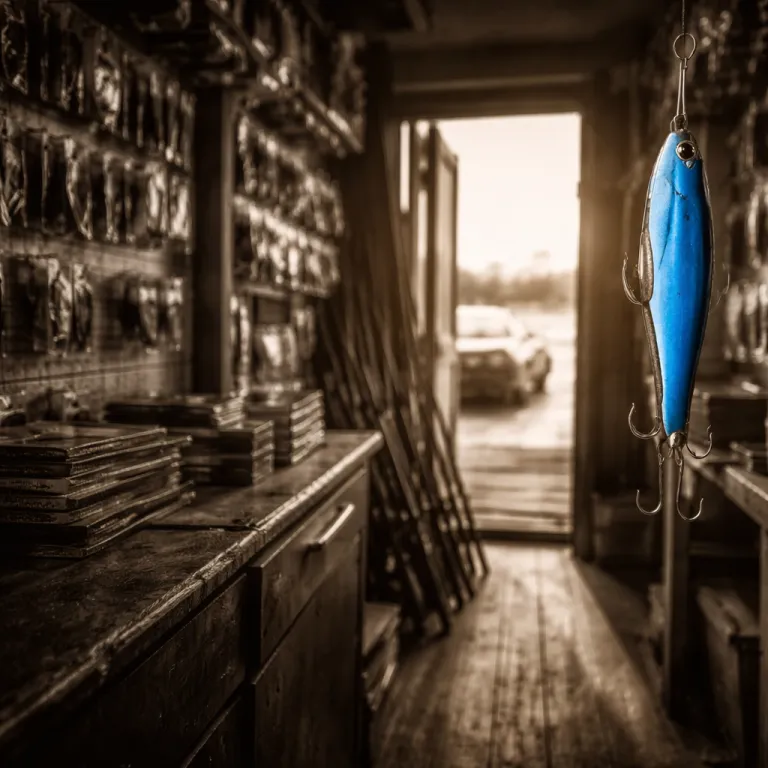

Local tackle shop vs online for tackle boxes and real fishing intel
When you weigh the local tackle shop vs online retailers, start with information, not price. A good local shop owner usually knows which reservoir got stocked yesterday, which jetty produced fish at dawn, and which size of bait hooks actually matched the hatch on your home water. That kind of local fishing knowledge shapes how you buy a tackle box, what fishing gear you put in it, and whether your next trip feels like learning or just burning fuel.
In a small local tackle shop near Lake Constance, I watched the owner rearrange a wall of tackle boxes after the first autumn cold front. He moved the shallow trays with small compartments for flies and micro jigs to the front, because perch and trout had pushed shallow and anglers needed organized access to tiny stuff that matched the new bite. No internet algorithm or members forums on a big retailer site adjusted their recommendations that fast, and that is the quiet advantage of supporting local shops that live and breathe your water.
Think about what actually goes into your box when you purchase or buy gear. A well stocked wall of terminal tackle in a physical shop will show you the difference between cheap bait hooks that bend on a carp and stronger patterns that still penetrate on light line. When you stand there with your open tackle box, the shop will often help you lay out compartments for hooks, swivels, and split shot so your stuff stays ready instead of rusting in a corner.
Online purchases through the internet feel easy, but they flatten context. You see five star reviews for a plastic tackle tray that warped in my car boot the first hot October afternoon I fished the Rhône, because nobody mentioned leaving it in direct sun. In a local shop, the owner simply said he did not mind losing a sale on that model, then pointed me to a sturdier box that had survived years of abuse in his own boat.
For fly anglers, the local fly shop is even more critical than the general tackle shops. A fly box is just a tackle box with smaller cells, and the person behind the counter usually knows which flies belong in each row this week, not just in some abstract season. When you compare a fly shop to buying flies and fly boxes online, remember that the pattern selection and the way they rig rods reels for you are part of the purchase, not an optional extra.
Many beginners tell me they read members forums and general threads before choosing their first tackle box. Those discussions can help, but they rarely mention that a local shop will often spool your reel, tie your first knots, and physically show you how to arrange lures so hooks do not tangle. That hands on setup is worth more than saving a few euros on shipping when you are still learning how to keep your gear untangled and ready.
The show me advantage: rods, reels, and tackle boxes in your hands
When you compare a local tackle shop vs online for your first serious tackle box, think about what you can touch. In a local shop you can snap latches, slide dividers, and see whether the box actually fits under the seat of your small boat or in a backpack for bank fishing. That physical test matters more than a glossy internet photo, because a box that rattles open on a rocky path will spill expensive stuff everywhere.
I have watched beginners at a local shop near Lake Garda bring in rods reels they bought years ago from a mail order catalogue. The combos were fine, but the tackle boxes they paired with them were shallow, flimsy, and impossible to organize for mixed lure and bait fishing. The shop owner pulled three different boxes off the shelf, loaded them with sample lures and bait hooks, then had the anglers shake them hard to see which layout kept things secure and which turned into chaos.
That is the show me advantage you never get when you purchase tackle boxes online. A local tackle specialist can open your existing box, look at the mess of flies, soft plastics, and rusty hooks, and suggest a better system with deep trays for bulky lures and slim boxes for finesse stuff. When you support local expertise, you are really paying for fewer wasted casts and less time digging for the one jig head that actually fits your soft bait.
Think about live bait and chum as well, because storage shapes success. A shop that sells both tackle boxes and bait hooks will usually also talk you through how to carry a small chum bag or burley cage without soaking everything else in your pack. If you are curious about choosing the right chum bag for your fishing trips, a detailed guide on how to choose the right chum bag pairs nicely with in person advice from someone who has actually fished your local pier.
Price often looks better online, but the reality is more nuanced when you factor in shipping and mistakes. I have seen anglers pay for express shipping twice because the first tackle box they ordered did not fit their daypack, then quietly admit that a quick visit to a local tackle shop would have solved it in one trip. When you add up those hidden costs, supporting local shops that help you get it right the first time can be cheaper over several years of steady fishing.
There is also the matter of how a shop will stand behind what they sell. If a latch fails or a hinge cracks on a box you bought locally, most tackle shops I know will swap it out or suggest a repair without making you feel like you are gaming the system. Try getting that level of support from a faceless customer service chat after a long chain of purchases online, and you will understand why many serious anglers still start at the counter, not the cart.
The knowledge tax: paying a little more for gear that actually works here
Every angler wrestling with the local tackle shop vs online question eventually runs into what I call the knowledge tax. You might pay five euros more for a tackle box or a handful of flies at a local shop, but you are also buying the owner’s last decade of mistakes on your exact river. That premium is tiny compared with the cost of filling a box with lures that never match the forage or the season where you actually fish.
Think about bass lures when the water warms past 16 degrees Celsius in spring. A well stocked local tackle wall will quietly shift toward proven soft jerkbaits, mid depth crankbaits, and compact jigs that match the shad or roach in your lake, and you can cross check that with a technical breakdown of bass lures that work when the water warms past 60 degrees Fahrenheit on this detailed lure guide. When you buy those lures and the tackle boxes to hold them from someone who tracks stocking schedules and insect hatches, you are compressing years of trial and error into one conversation.
Online reviews rarely mention that context, because they are written for a global audience. A lure that crushes fish in a Florida canal might be dead weight in a cold Alpine reservoir, yet both reviews sit side by side on the same internet page. Local shops filter that noise, steering you toward stuff that has produced for their regular members for years, and they often remember which patterns you bought seasons ago so they can suggest smart upgrades instead of random novelties.
Some anglers argue that members forums and general threads can replace the local shop counter. Those digital spaces help, but they cannot watch your casting stroke, see how you handle rods reels, or notice that your tackle box is so overstuffed you never reach the bottom row. A patient local shop will often say they do not mind if you put a few things back, then help you build a leaner kit that fits your style and your actual fishing time.
Shops that thrive in the age of purchases online usually lean into this role as curators, not just sellers. Independent retailers highlighted in American Sportfishing Association case studies, for example, built reputations by pairing a deep selection of regional lures with honest advice about what works on nearby reservoirs, and that approach shows how local expertise can coexist with modern e commerce. When a local tackle shop behaves like that, you stop thinking of the extra five euros as a surcharge and start seeing it as tuition for a faster learning curve.
There is also a community angle that pure mail order operations cannot touch. When you support local tackle shops that host kids’ derbies, trash cleanups, and evening knot clinics, you are investing in the future of your own fishing. That kind of supporting local effort keeps access points open, teaches newcomers to handle fish gently, and makes sure your favorite stretch of river still feels like a place worth visiting ten years from now.
Being a good shop regular and building long term fishing value
Once you decide where you land on the local tackle shop vs online spectrum, your behavior as a customer starts to matter. A local shop remembers the angler who shows up only for clearance sales and then complains about prices, just as clearly as they remember the one who buys a few packs of bait hooks and asks thoughtful questions. If you want better intel, act like a member of the community, not a drive by critic.
Start by being honest about your budget and your experience level when you walk into a local shop. Tell them you are new to fishing, that you mostly fish small local ponds, and that you need a tackle box and basic stuff that will last several years without constant upgrades. Most tackle shops respond well to that clarity, and they will steer you away from flashy gear toward solid, mid range fishing gear that fits your reality.
When you do buy online, use it to complement, not replace, the local relationship. Maybe you purchase a specialty fly box or rare flies from a distant fly shop by mail order, then bring that box into your local shop to ask how to fill the remaining rows with regional patterns. That kind of hybrid approach respects both worlds, and it keeps your local tackle connection strong while still letting you explore niche options the internet makes possible.
Over the years, I have seen anglers who treat their local shop like a partner end up with better results on the water. They get quiet tips about midweek stocking runs, early warnings about algae blooms, and even the occasional phone call when a shipment of limited rods reels or high demand tackle boxes arrives. Those perks do not show up in any loyalty program, but they are real, and they often start with something as simple as saying you do not mind paying a little extra because you value the guidance.
Remember that shops are small businesses with thin margins, not museums for browsing before purchases online. If you lean on their expertise to choose the right tackle box layout, at least buy the box there, even if you later order bulk terminal tackle on the internet when budgets get tight. That balance keeps the lights on in the places that teach you how to fish well, not just how to click fast.
In the end, the choice between local shops and online giants is not binary. Smart anglers use the internet for broad research and occasional deals, then rely on a trusted local tackle shop to translate all that noise into a box of gear that works on their specific stretch of water. What fills your tackle box should be shaped by people who know your wind, your weed lines, and your stocking trucks, because fishing is judged not by the spec sheet, but by the tenth cast in the rain.
Key figures on local tackle shops, online retail, and angler behavior
- Industry reports from the American Sportfishing Association describe independent bait and tackle shops as accounting for roughly one quarter of recreational fishing gear sales in the United States, which shows that local shops remain a major force despite the growth of online retail.
- Surveys summarized by the Recreational Boating & Fishing Foundation indicate that around half of new anglers still rely on a local shop for their first rod, reel, and tackle box purchase, highlighting the importance of in person guidance for beginners.
- Data shared by the American Sportfishing Association suggest that specialty fishing retailers often report higher average transaction values per customer than mass market online platforms, largely because anglers buy more confidently when they receive tailored advice.
- Research on community engagement in angling, discussed by organizations such as Trout Unlimited, finds that local fishing events and shop hosted clinics can significantly increase long term participation rates, which supports the idea that supporting local tackle shops helps sustain the sport.