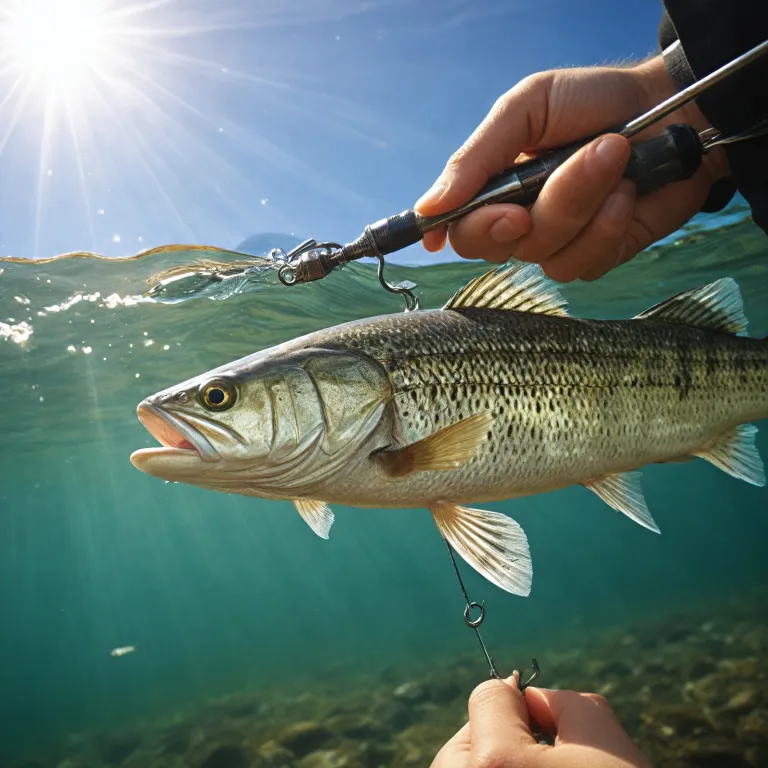
Why swimbait hooks matter more than most anglers think
Every recreational angler eventually learns that the right hook can transform a swimbait from a pretty bait into a reliable fish catcher. When you match a swimbait hook to the specific swimbait, fishing conditions, and target fish, you dramatically increase hookup ratios and land more bass with less effort. Many fishermen still rely on generic hooks, yet properly chosen swimbait hooks behave almost like precision terminal tackle engineered for each situation.
A quality hook on a soft swimbait must balance penetration, strength, and weight so the bait swims naturally and tracks straight. If the hook size, weight, or shape is wrong, even the best swimbaits will roll, spin, or run crooked, which quickly turns off pressured bass in clear open water. This is why serious anglers treat hook selection with the same care they give to rods, reels, and tackle storage, instead of grabbing the first packet of hooks that looks good on the shelf.
Modern swimbait hooks come in many patterns, from light wire open water designs to heavy duty weighted swimbait models built for thick cover. A weighted hook adds just enough weight to keep a swimbait down without needing a separate jighead, while a weedless configuration lets the bait slide through grass where big fish live. Understanding how hook size, size weight, and the specific swimbait head interact with your chosen inch swimbait is the foundation for selecting the best swimbait hook for your style of fishing.
Key design features that separate average and excellent swimbait hooks
Several design elements determine whether a swimbait hook performs well with modern soft baits. The basic hook shape, wire gauge, and bend style influence how the bait rigs, how the hook point sits, and how easily it penetrates a bass jaw during the strike. Recreational anglers who study these details quickly understand why some hooks are consistent best sellers while others earn poor hook reviews from frustrated fishermen.
One critical feature on many premium swimbait hooks is the screw lock keeper mounted near the eye. A good screw lock grips the nose of the swimbait firmly, so the bait stays straight, resists tearing, and survives multiple fish without sliding down the shank. This design also allows you to adjust hook size and size weight independently from the bait length, which is essential when fine tuning a 10 centimetre inch swimbait for specific depth or current.
Weighted swimbait models integrate lead or tungsten along the shank, creating a compact weighted hook that replaces a traditional jighead. Compared with separate jigheads, these hooks keep the swimbait’s profile slimmer, improve weedless rigging, and maintain a more natural horizontal posture. When reading any detailed hook review or broader hook reviews, pay attention to how anglers describe the balance between weight, swimming action, and hookup efficiency, because those comments reveal whether the design truly suits your style of fishing or your favourite swimbait fishing scenarios.
Matching hook size, weight, and style to your swimbaits
Choosing the best swimbait hook starts with the specific swimbait you plan to fish. A compact 9 centimetre inch swimbait for river bass demands a different hook size and size weight than a bulky 15 centimetre bait meant for slow rolling in reservoirs. The hook must sit so the point lies roughly mid body, with enough gap below the plastic to clear the fish’s jaw during the strike.
For open water situations, many anglers prefer an exposed hook on a light jighead or swimbait head, especially when fish are slashing at baits from behind. Exposed hooks on jigheads or dedicated swimbait heads penetrate quickly, making them ideal when cover is minimal and bass are feeding aggressively. In contrast, a weedless weighted swimbait hook shines around grass, wood, or rock, where a heavy duty design and subtle weight keep the bait ticking cover without constant snagging.
Some brands, such as berkley fusion and lazer sharp, offer both standard and zwg weighted patterns so anglers can fine tune weight and profile. A zwg weighted hook often places the weight lower on the shank, which stabilises the swimbait and helps it track straight in current. When planning a mountain stream trip and reading a guide such as this high altitude fishing resource, consider how lighter jigheads or smaller weighted hooks pair with compact swimbaits to match local forage.
Weedless versus exposed swimbait hooks in real fishing scenarios
Recreational anglers constantly face the trade off between weedless rigging and the efficiency of an exposed hook. A weedless swimbait hook, often with a screw lock and lightly skin hooked point, excels when fishing through grass beds, laydowns, or brush piles where big bass hide. In these situations, a heavy duty weighted swimbait hook allows the bait to crawl through cover while still presenting a natural swimming action that tempts wary fish.
When fishing open water, however, an exposed hook on a jighead or swimbait head often yields more consistent hookups. The lack of plastic over the point means less force is needed to drive the hook home, which matters when a fish slaps at the bait from a distance. Many anglers keep both weedless hooks and exposed jigheads in their tackle storage, switching between them as cover density, water clarity, and fish mood change during the day.
Some fishermen even blend approaches by using a lightly weighted hook with a partially exposed point, creating a semi weedless presentation that still penetrates well. This hybrid rig can be especially effective when bass hold around sparse grass or scattered rock, where a fully weedless setup is unnecessary. Planning a destination trip, perhaps after reading about unforgettable fishing vacations, is an ideal time to refine which swimbait hooks you pack so you can adapt quickly to unfamiliar structure and cover.
Evaluating hook reviews and real world performance on the water
With so many options available, recreational anglers increasingly rely on detailed hook reviews to separate marketing claims from genuine performance. A thoughtful hook review should address how well the hook rigs with different swimbaits, how the weight affects swimming action, and how consistently it pins fish under varied conditions. Pay attention to comments about hook size accuracy, size weight consistency, and whether the screw lock holds the bait securely after multiple strikes.
Reviews that mention specific models, such as berkley fusion weighted swimbait hooks or lazer sharp zwg weighted designs, help you understand how each pattern behaves with common baits. For example, some anglers find that a particular weighted hook pairs perfectly with a 12 centimetre inch swimbait, while another model suits smaller baits but overbalances larger profiles. Look for repeated praise or criticism regarding heavy duty strength, point sharpness, and how well the hook resists bending when a strong fish surges near the boat.
On the water, your own fishing experience ultimately matters more than any written review. Keep notes on which hook, weight, and swimbait combinations consistently produce the best results in your local lakes and rivers. Over time, you will build a personal shortlist of best seller hooks that you trust, whether they are classic jigheads, modern swimbait heads, or versatile weedless weighted swimbait hooks tailored to your style of bass fishing.
Building a versatile swimbait hook system for recreational anglers
Because there is no single category tailored specifically for recreational fishermen, many anglers must assemble their own swimbait hook system from diverse terminal tackle options. A balanced kit typically includes light wire open water hooks, several sizes of jigheads, and multiple heavy duty weighted swimbait hooks with reliable screw lock keepers. By mixing different hook sizes, size weights, and swimbait head styles, you can rig everything from finesse inch swimbaits to bulky baits designed for trophy bass.
Organised tackle storage is essential when carrying this variety of hooks and baits. Use small labelled boxes to separate jigheads, unweighted hooks, and each style of weighted hook, noting the hook size and approximate ounce weight on the lid. This simple system saves time on the water, reduces rigging errors, and ensures you always have the best swimbait hook ready when fish suddenly push bait to the surface or move deeper.
Recreational anglers who treat swimbait hooks as a strategic part of their fishing approach gain a clear advantage over those who view them as generic accessories. By understanding how hook design, weight, and rigging style influence swimbait action, you can adapt quickly to changing conditions and target fish more effectively. Over time, this thoughtful approach turns swimbaits and swimbait hooks into a reliable, confidence inspiring combination that consistently converts follows into solid hookups for any dedicated man or woman on the water.
Common questions about swimbait hooks
No faq_people_also_ask data were included in the dataset, so specific external questions cannot be reproduced. However, recreational anglers typically ask about ideal hook size for different swimbaits, when to choose weedless versus exposed hooks, how much weight to use in various depths, how to store hooks safely, and which models offer the best balance between strength and penetration.
Trusted references for further reading :
- https://www.wired2fish.com/
- https://www.in-fisherman.com/
- https://www.anglingtrade.com/