Key specifications that define the best baitcasting reels
Three specifications separate average baitcasting reels from the best baitcasting reels for recreational use. Gear ratio, drag rating, and spool capacity directly influence how your reel behaves with different lures and techniques. When you buy a new baitcasting reel, these numbers should guide your decision more than paint schemes or marketing slogans.
The gear ratio describes how many times the spool rotates for each turn of the handle. A 6.4:1 gear ratio is a versatile middle ground for general fishing, while higher speed reels around 7.5:1 or more excel at burning lures or quickly picking up slack. Slower casting reels in the 5.x range provide extra torque for deep cranking or slow rolling spinnerbaits, which can be critical when targeting pressured fish.
Drag performance is equally important, especially when fishing lighter lines or targeting strong species. A smooth drag system protects your line during sudden runs, while a sticky or inconsistent drag can cost you the best fish of the day. Many modern reels use carbon fiber drag stacks, which offer both strength and heat resistance during prolonged fights.
Spool design influences casting distance, control, and how easily you can adapt to bait finesse techniques. Shallow spools with low mass start up quickly, making them ideal for bait finesse presentations with lighter lures and thinner lines. Deeper spools hold more line for power fishing or when you expect long runs, such as in open water or when fishing from elevated banks.
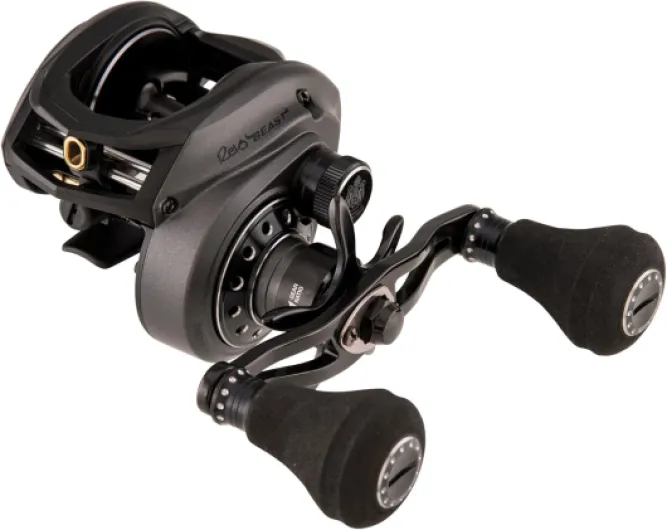
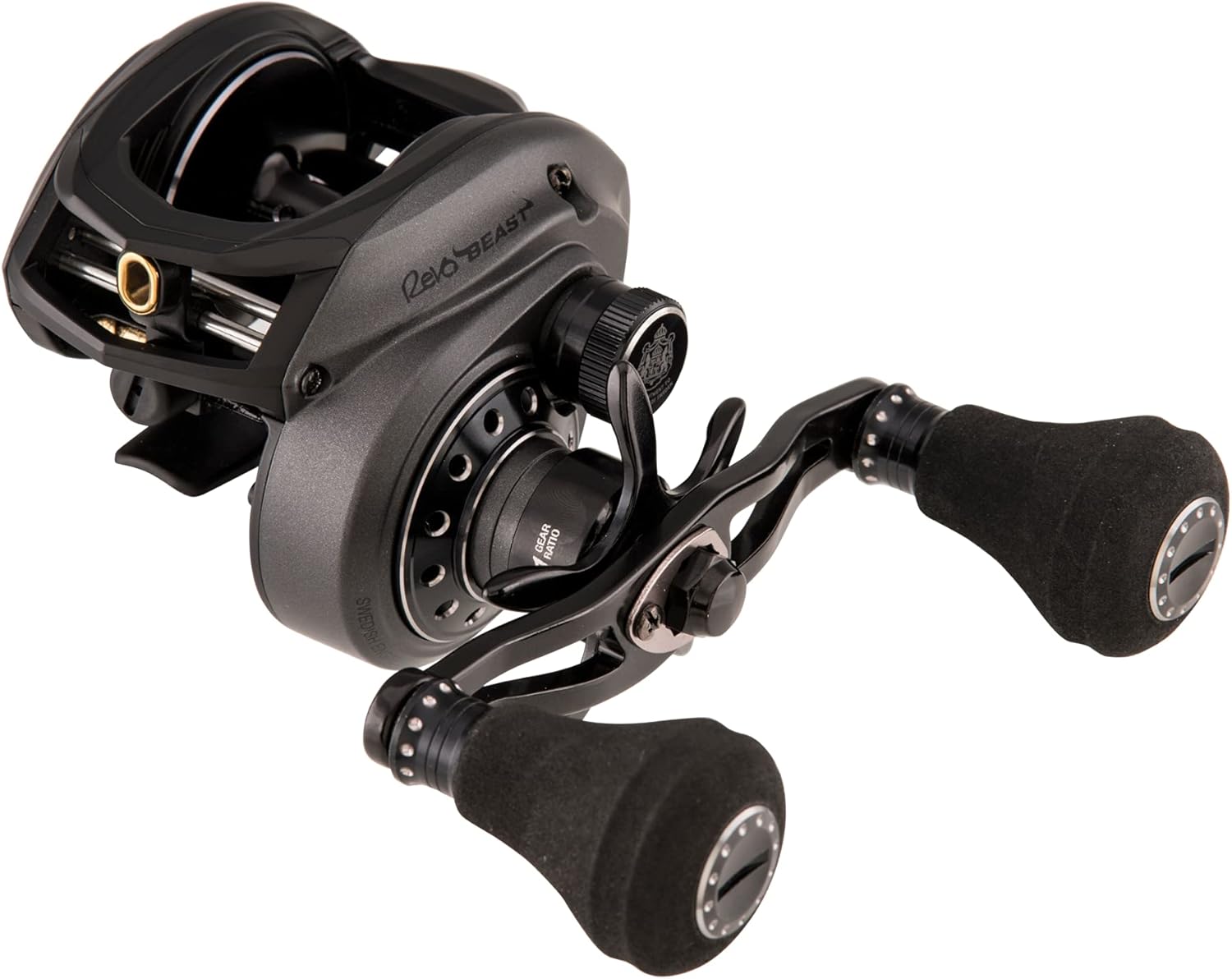
When comparing models like a Lew’s Custom Pro, a Shimano Curado, or an Abu Garcia Revo, look closely at the bearings count and quality. More bearings do not automatically mean better performance, but high quality stainless or corrosion resistant bearings in key positions support smoother retrieves and longer casts. If you travel frequently, pairing a compact baitcasting reel with a modern multi piece casting rod, such as those reviewed in a recent travel casting rod test in Tackle Trade World, creates a highly portable yet capable setup.
Frame materials, ergonomics, and low profile comfort
The frame material of a baitcasting reel shapes both durability and on water comfort. An aluminum frame offers excellent rigidity, which keeps the gear train aligned under heavy drag loads and repeated hook sets. Composite or graphite frames reduce weight but can flex more, which some anglers notice as a slightly less solid feel during hard fishing.
For most recreational fishermen, the best baitcasting reels strike a balance between a strong aluminum frame and carefully sculpted side plates. This combination keeps the reel light enough for all day casting while still feeling rock solid when you lean into a big fish. High end models from Shimano, Lew’s, and Abu Garcia often use aluminum frames with carbon fiber handle side plates to trim weight without sacrificing strength.
Low profile design has become the standard for freshwater casting reels because it improves ergonomics. A compact low profile baitcasting reel fits naturally in the palm, allowing you to feather the spool with your thumb and adjust drag or braking system controls without shifting your grip. This ergonomic advantage becomes obvious when you spend hours pitching jigs or working jerkbaits along structure.
Handle length, knob shape, and overall reel footprint also influence comfort, especially when paired with longer rods for shore or boat fishing. When you buy a new casting reel, mount it on your preferred rod and check how the combo balances at the reel seat. A well balanced setup reduces wrist strain and makes it easier to maintain precise rod angles during retrieves.
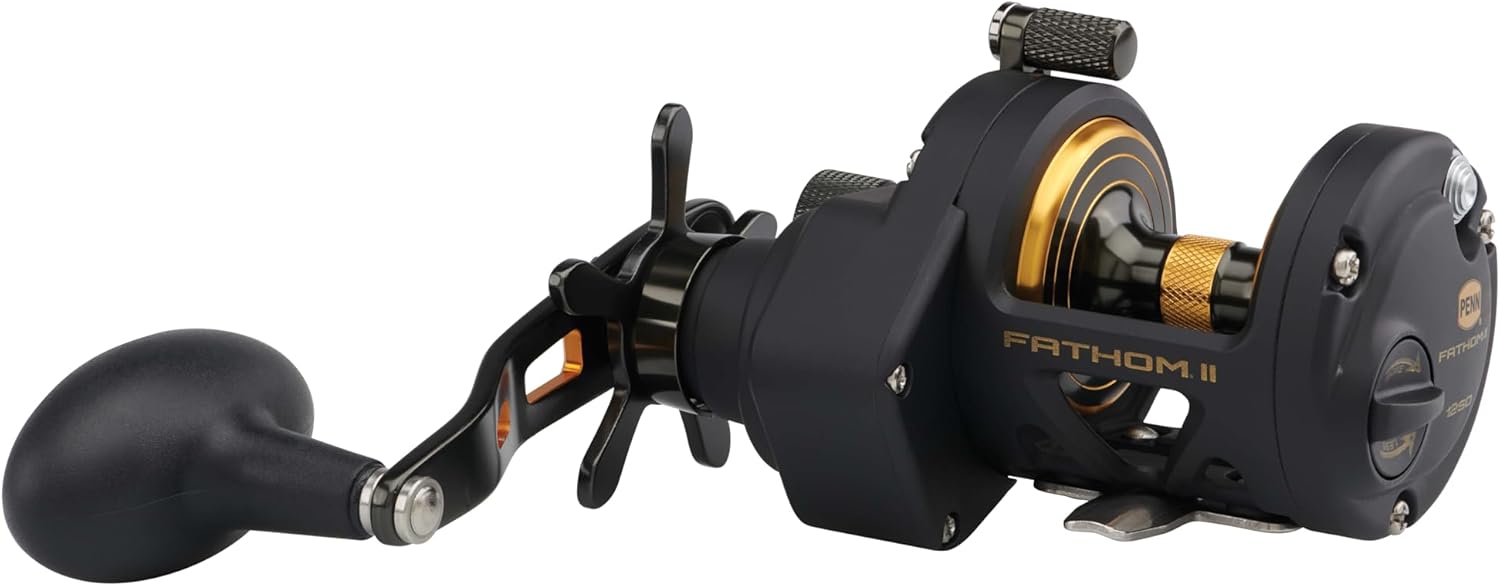
Saltwater capable baitcasting reels, such as some Shimano Curado variants, use corrosion resistant bearings and sealed drag systems to handle harsh environments. If you plan to fish inshore or from rocky coasts, pairing such a reel with a dedicated sea spinning or casting rod, like those evaluated in an inshore and offshore rod review in Bassmaster, ensures your gear can withstand salt, spray, and transport abuse. Even for freshwater only anglers, choosing a reel with quality materials and thoughtful ergonomics pays off in long term reliability and comfort.
Braking systems, spool control, and casting performance
Control over the spool is what separates the best baitcasting reels from frustrating, backlash prone models. A well engineered braking system works together with spool tension to manage speed throughout the cast. When tuned correctly, you can cast light lures confidently while still reaching impressive distances.
Most modern baitcasting reels use either magnetic, centrifugal, or hybrid braking systems. Centrifugal brakes, common on Shimano Curado and many Abu Garcia models, apply more force at the start of the cast when spool speed is highest, which helps prevent early over runs. Magnetic systems, often found on Lew’s Custom Pro reels and other Lew’s casting reels, provide consistent braking throughout the cast and are easy to adjust externally.
Hybrid systems combine both approaches, giving anglers fine control over how the reel behaves with different lure weights and line types. When you buy tackle for techniques like bait finesse, where small lures and thin lines are standard, a responsive braking system becomes essential. The best baitcasting reels for bait finesse use lightweight spools, high quality bearings, and finely adjustable brakes to keep the cast smooth and predictable.
Spool tension is adjusted with a knob near the handle side of the reel, and it works in tandem with the braking system. Set the tension so that your lure falls slowly when the spool is disengaged, then fine tune the brakes to suit wind conditions and casting style. With practice, you will find a balance where the spool spins freely yet remains under control, even when you cast into a crosswind.
Recreational fishermen who fish from crowded banks or tight boat positions benefit greatly from reels that offer precise spool control. When you can place a lure accurately beside cover without constant backlash worries, you spend more time fishing and less time picking out tangles. In one informal weekend comparison with a Shimano Curado 200 and a Lew’s Custom Pro, for example, a group of club anglers reported a noticeable drop in backlashes once they dialed in the brakes and tension, which made their casting feel more relaxed and efficient.
Matching baitcasting reels to techniques, species, and venues
The best baitcasting reels are not universal tools, and matching them to specific techniques transforms your fishing. For power techniques such as spinnerbaits, chatterbaits, and medium diving crankbaits, a mid range gear ratio around 6.4:1 offers a natural retrieve speed. When you shift to fast moving topwaters or burning lipless crankbaits across flats, higher speed reels around 7.5:1 help maintain lure action and quickly pick up slack.
For bottom contact techniques like jigs and Texas rigs, many experienced anglers prefer high speed casting reels. The faster gear ratio allows you to move the lure primarily with the rod while using the reel to recover slack and keep tension. In contrast, deep cranking or slow rolling large spinnerbaits often feels better with a slightly slower reel that provides more torque and reduces fatigue.
Bait finesse systems, which rely on very light lures and thin lines, demand specialized baitcasting reels with shallow spools and refined braking. These bait finesse reels excel when targeting pressured bass in clear water or when fishing small rivers where subtle presentations are essential. While they can carry a higher price, their ability to cast light lures accurately makes them some of the best baitcasting reels for technical fishing.
Species and venue also influence your choice of reel and reels collection. When you buy bass focused gear for lakes and reservoirs, a low profile baitcasting reel with roughly 11 to 15 pounds of drag usually suffices, especially when paired with appropriate line. For pike, zander, or light inshore species, stepping up to reels with stronger drag systems and more robust aluminum frame construction adds security.
Retailers such as Bass Pro Shops and Tackle Warehouse make it easy to compare casting reel specifications across brands like Shimano, Lew’s, and Abu Garcia. Whether you buy tackle online or in physical pro shops, pay attention to how each reel’s drag rating, gear ratio, and braking system align with your primary techniques. Over time, building a small arsenal of purpose driven casting reels gives you the flexibility to approach any fishing situation with confidence.
Budget, value, and when to upgrade your baitcasting gear
Price always enters the conversation when recreational fishermen evaluate the best baitcasting reels. Entry level baitcasting reels can perform surprisingly well for casual fishing, especially when you choose models from established brands such as Shimano, Lew’s, or Abu Garcia. The key is understanding what you gain as you move from budget reels to mid range and premium casting reels.
In the lower price brackets, you often sacrifice some refinement in the braking system, drag smoothness, and bearing quality. These reels still catch fish, but they may feel less forgiving during long casts or when you push them with heavier lures. Mid range reels usually introduce stronger aluminum frame designs, better carbon fiber drag stacks, and more precise machining, which together create a more solid and reliable feel.
Premium models such as the Lew’s Custom Pro, higher end Shimano Curado variants, or advanced Abu Garcia Revo reels add further refinements. You may see lighter spools for improved casting, upgraded bearings for smoother retrieves, and more advanced braking systems that handle a wider range of lure weights. For anglers who fish often and value long term durability, these upgrades justify the higher price over time.
Knowing when to upgrade depends on how often you fish and what limitations you feel with your current gear. If your existing casting reel struggles with consistent drag, feels rough despite maintenance, or cannot handle the bait finesse or power techniques you now prefer, an upgrade becomes a practical decision rather than a luxury. When you buy bass focused gear, consider whether a new reel will genuinely expand your capabilities or simply duplicate what you already own.
Buying from reputable retailers such as Bass Pro Shops, Tackle Warehouse, or trusted local pro shops ensures better after sales support and access to spare parts. Whether you buy tackle online or in person, handle the reel if possible, check the ergonomics, and compare specifications carefully. Over time, investing in a small collection of well chosen baitcasting reels will serve you far better than owning many cheaper reels that never quite feel right on the water.
Key figures about baitcasting reels and recreational fishing
- Industry surveys from organizations such as the American Sportfishing Association indicate that baitcasting reels represent a substantial share of freshwater reel sales in the United States, reflecting their strong adoption among bass and pike anglers. The ASA’s Special Report on Fishing describes this steady demand over recent seasons, although exact percentages vary by year and category.
- Sales data discussed in trade publications suggests that mid range baitcasting reels in the 100 to 200 euro (approximately 110 to 220 US dollars) price bracket form one of the most dynamic segments, as recreational fishermen upgrade from entry level gear. Internal summaries from large chains comparable to Bass Pro Shops and Tackle Warehouse, referenced in Tackle Trade World, highlight this shift toward higher value reels.
- Testing by several independent fishing magazines has found that modern low profile baitcasting reels can achieve casting distances around 40 to 50 metres with medium weight lures when properly tuned, especially with 12 to 15 pound monofilament or fluorocarbon. Comparative distance tests in titles such as Bassmaster Magazine regularly report similar performance for Shimano Curado, Lew’s Custom Pro, and Abu Garcia Revo platforms.
- Surveys of tournament style bass anglers reveal that many carry at least five to seven baitcasting combos on the boat, each with different gear ratios and drag settings for specific techniques. Participation snapshots published by the American Sportfishing Association and Bassmaster both echo this multi combo approach as a practical way to cover varied presentations.
- Manufacturers report that the use of carbon fiber drag systems and aluminum frame construction has reduced average reel weight compared with designs from a decade earlier, improving comfort during long sessions. Product briefings and technical notes shared with Tackle Trade World and similar trade publications frequently reference weight savings in the range of double digit percentages, depending on model and size.
Trusted references for further reading
- American Sportfishing Association – industry reports on tackle trends and participation, including the Special Report on Fishing.
- Tackle Trade World – coverage of reel technology developments, retailer sales data, and market analysis for baitcasting gear.
- Bassmaster Magazine – in depth features on baitcasting reels, comparative tests of models such as Shimano Curado, Lew’s Custom Pro, and Abu Garcia Revo, and tournament techniques.