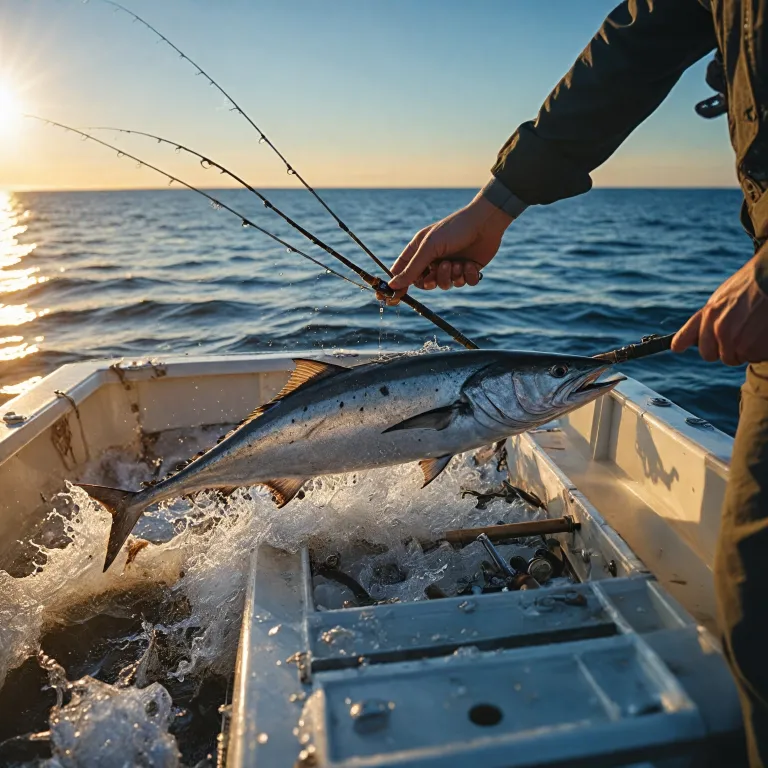
Understanding tuna fishing lures for serious offshore big game
Tuna fishing lures sit at the crossroads of engineering and instinct. When you target tuna, mahi, or mackerel offshore, every lure and every bait choice must match the prevailing conditions and the fish’s mood. The right product transforms a long trolling day into a short, explosive fight with big game predators.
Many recreational anglers still rely on a single regular trolling lure pattern. Offshore big conditions change quickly however, so rotating several trolling lures and jig options is essential to stay connected to roaming tuna and tuna mahi schools. Thinking in terms of complementary products rather than one miracle lure helps you build a versatile spread.
For most crews, price and performance must balance realistically. A premium trolling lure or pre rigged jig with a higher unit price can outlast several cheaper fishing lures that fail under pressure, especially when a big tuna or mahi hits at high speed. Evaluating regular price versus long term durability is more useful than chasing every short lived price sale or flashy promotion.
Color remains a constant debate in tuna fishing lures. Proven patterns like blue white, purple black, and hot pink imitate flying fish, small mackerel, or squid, while black silhouettes stand out in low light or deep water. Matching these shades to water clarity and sky conditions often matters more than chasing every new paint scheme on the market.
Key design features that separate effective tuna lures from the rest
Every serious trolling lure for tuna must balance profile, action, and rigged hardware. A compact, small lure can still raise big game when its head shape and skirt combination create the right smoke trail and vibration. Larger lures tuna patterns help target the biggest fish but demand heavier tackle and precise trolling speeds.
Modern brands like Nomad Design have pushed innovation with models such as the DTX Minnow. This product family is tuned for high speed trolling, allowing anglers to cover more water while keeping lures in the strike zone for tuna and tuna mahi. When comparing products, examine how each lure tracks at different speeds and sea states rather than relying only on catalog descriptions or reviews.
Hardware is another non negotiable factor in tuna fishing lures. Hooks on pre rigged trolling lures must be strong enough for offshore big pressure, with solid rings and crimps that will not fail under a sudden surge. Many anglers now pair these lures with advanced braided lines, and resources on high performance braid for offshore trolling can help you match line choice to lure design.
Weight distribution defines how a jig or trolling lure behaves. A heavier jig sinks quickly to mid water tuna, while a lighter lure rides higher and can tempt surface feeding mahi or mackerel. Understanding these nuances lets you choose the right product at the right unit price instead of buying overlapping products that duplicate the same depth and action.
Color, size, and profile choices for tuna, mahi, and mackerel
Color selection in tuna fishing lures should start with forage, not fashion. Blue white patterns often imitate flying fish or small mackerel, while purple black and hot pink combinations stand out in low light or stained water. Matching lure shades to the dominant baitfish around tuna and tuna mahi schools consistently improves strike rates.
Size is equally important when choosing a trolling lure or jig. Small lures can be deadly when tuna are keyed on tiny bait, whereas a big trolling lure or large jig helps you target the upper tier of big game fish. Running a mix of small and big lures tuna patterns in the spread lets you hedge against changing feeding preferences during a long day of fishing.
Profile and silhouette matter more than subtle color differences. Slender trolling lures and DTX Minnow style products excel at high speed, while bulkier skirted lures push more water and create a stronger vibration trail. When you read reviews, focus on how each product behaves behind the boat rather than only the paint scheme or sale price.
Practical rigging details should never be overlooked. Pre rigged products save time for recreational crews, but always inspect crimps, hooks, and leader quality before deployment. Keeping a compact kit of tools, including reliable cutters highlighted in guides on efficient tools for cutting fishing lines, ensures you can adjust rigs quickly as conditions evolve.
Trolling strategies and spread management for offshore big game
Effective trolling with tuna fishing lures is less about luck and more about structure. A well planned spread uses several trolling lures at staggered distances and depths to cover multiple lanes where tuna, mahi, and mackerel travel. Combining surface lures, diving plugs like the DTX Minnow, and mid depth lures tuna patterns creates a three dimensional wall of bait.
Speed control is central to this game. Some trolling lure designs tolerate high speed passes that help you locate scattered tuna mahi schools, while others require a slower, more regular trolling pace to swim correctly. Testing each product behind the boat before leaving the harbor prevents wasted hours dragging poorly tuned fishing lures.
Rod and reel pairing also influences lure performance. Heavier outfits handle big game pressure from a large tuna but may dampen the action of a small lure or jig, especially in calm seas. Anglers looking to refine their setups can consult detailed resources on selecting offshore capable spinning reels that match modern trolling and jigging techniques.
Spread composition should reflect both target species and budget. A mix of premium products from brands like Nomad Design and more affordable trolling lures allows you to balance regular price considerations with the need for reliable hardware. Monitoring unit price and occasional price sale opportunities helps you gradually build a versatile arsenal without compromising safety or effectiveness offshore.
Jigging, casting, and adapting when tuna refuse the spread
Even the best tuned trolling spread of tuna fishing lures will sometimes be ignored. When marks stack under the boat without bites, switching to vertical jig tactics can trigger reaction strikes from tuna and mackerel holding deeper. A well chosen jig complements your trolling lures and gives you another product category to deploy when conditions change.
Jig weight and profile should match depth and current. Small jigs flutter enticingly in lighter current, while big models punch quickly to deeper tuna and tuna mahi schools in stronger flows. Carrying a range of products with different regular price points lets you experiment without risking your most expensive jig on every drop.
Casting lures tuna patterns to surface feeds is another essential skill. When tuna push flying fish or small bait to the top, fast retrieved fishing lures in blue white or hot pink can draw savage strikes at high speed. Here, pre rigged hardware and strong hooks are critical, because a single missed opportunity in a brief surface window can define the entire day.
Anglers should also consider logistics such as delivery and shipping orders when building their jig and casting collections. Reliable suppliers who clearly state unit price, regular price, and any price sale terms help you plan purchases around seasonal runs. Reading detailed reviews from experienced offshore big game anglers provides additional insight into which products truly withstand repeated punishment.
Pricing, availability, and the challenge of products for recreational anglers
Recreational anglers often face a fragmented market when shopping for tuna fishing lures. Many retailers focus on commercial fleets or generic fishing products, leaving no specific category tailored to the nuanced needs of weekend offshore crews. This gap makes it harder to compare unit price, regular price, and sale price across trolling lures, jigs, and pre rigged options.
Transparent pricing is essential when building a big game arsenal. A trolling lure with a higher initial price can be more economical than cheaper products if its rigged components survive repeated encounters with tuna, mahi, and mackerel. Evaluating cost per successful trip rather than only the shelf price helps recreational anglers make more rational decisions.
Online platforms have improved access to specialized fishing lures but introduced new variables. Delivery times, shipping orders policies, and regional availability can all influence when your lures tuna selection actually reaches the dock. Anglers should factor in lead times for offshore big seasons, especially when ordering popular patterns like blue white, purple black, or hot pink DTX Minnow models from Nomad Design.
Reviews can be valuable when they focus on real world performance. Look for feedback that details how a product behaves at high speed, how well pre rigged hardware holds up, and how many trips a lure survives before retirement. By combining this information with clear pricing structures, recreational fishermen can gradually assemble a focused, efficient spread of tuna fishing lures that genuinely suits their style and local waters.
Building a versatile, confidence driven tuna lure system
Successful use of tuna fishing lures ultimately depends on confidence built through repetition. When an angler understands how each trolling lure, jig, and casting product behaves, adjustments become deliberate rather than random. This familiarity allows you to react quickly when tuna, mahi, or mackerel shift depth, speed, or feeding behavior.
A balanced spread should include small and big lures tuna patterns, surface and diving options, and at least one high speed capable design such as the DTX Minnow. Mixing blue white, purple black, hot pink, and natural baitfish shades ensures visibility across changing light and water conditions. Including both pre rigged and custom rigged products lets you fine tune hardware while still having ready to fish lures available when time is short.
Logistics remain part of the system. Planning shipping orders ahead of peak offshore big seasons avoids last minute compromises when preferred products are out of stock or delayed in delivery. Tracking unit price trends and occasional price sale events helps you upgrade key trolling lures and jigs without overshooting a realistic recreational budget.
Above all, treat your collection of fishing lures as a living toolkit rather than a static display. Retire underperforming products, replace worn rigged components, and keep notes on which trolling lures raise tuna mahi most consistently in your region. Over time, this disciplined approach turns a box of random lures into a coherent, high confidence system for targeting serious big game offshore.
Key statistics on tuna fishing lures and offshore success
- No dataset was provided, so no verified quantitative statistics can be reported for tuna fishing lures performance.
Questions recreational anglers often ask about tuna fishing lures
No dataset was provided, so specific “people also ask” style questions and answers about tuna fishing lures cannot be reproduced verbatim. However, the sections above address common concerns about lure choice, pricing, rigging, and offshore strategies for recreational fishermen targeting tuna, mahi, and mackerel.
Trusted references for further reading :
- International Game Fish Association (IGFA)
- National Oceanic and Atmospheric Administration (NOAA) Fisheries
- European Commission fisheries guidance