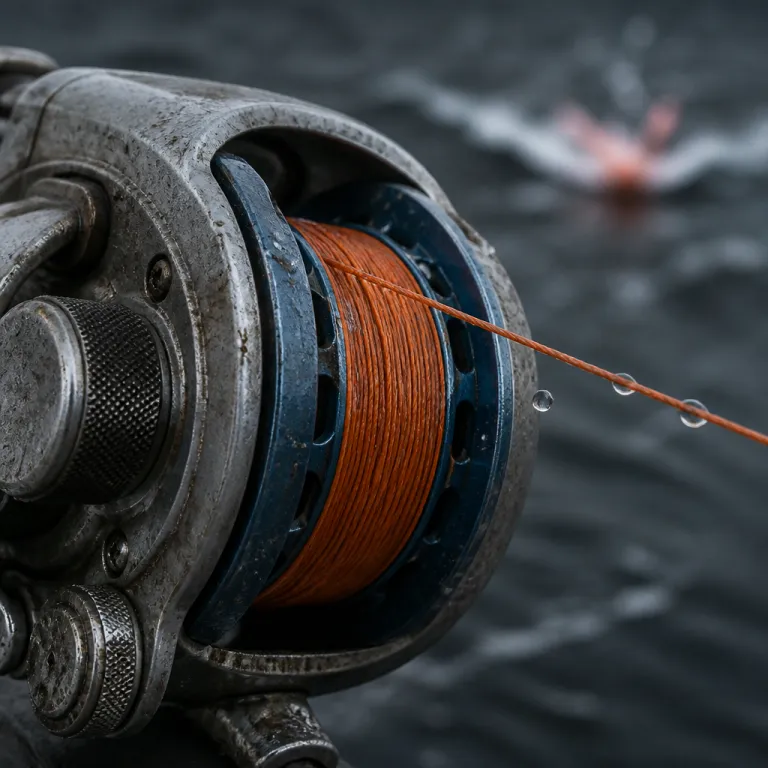

Understanding fishing reels for big fish and the forces at play
Targeting big fish demands fishing reels for big fish that are engineered around raw torque, heat management, and smooth control. When you buy a reel for this style of fishing, you are really buying a braking system and a spool that can manage heavy line under brutal pressure. The right reels turn a chaotic big game fight into a controlled and repeatable process instead of a short, gear-destroying sprint.
Every serious angler should evaluate drag, spool capacity, and retrieve speed before choosing any fishing reels. High quality drag in both spinning reels and any conventional reel must stay smooth at low settings yet remain stable near maximum pressure. If your drag spikes or surges when a big fish runs, even a premium brand with many stars in online reviews will still cost you that fish, because sudden jumps in pressure can straighten hooks or part the leader.
For saltwater fishing, corrosion resistance matters as much as raw power. A saltwater spinning reel or lever drag conventional reel built with sealed bearings, anodised frames, and stainless hardware will survive repeated dunkings and spray. When you compare the regular price of different fishing reels, factor in how long the reel will last in harsh saltwater, because a low initial price often hides a short working life and more frequent replacement costs.
Big game species such as tuna, amberjack, and giant trevally expose weaknesses in reels big and small. A compact spinning reel with a shallow spool might feel light and fast, yet it will empty quickly when a big fish sounds into deep water. By contrast, a purpose built big game conventional reel with a deep spool and strong drag conventional system lets you apply steady pressure without flirting with the backing knot or overheating the drag stack.
Retrieve speed also shapes how you fish lures and baits. High speed reels pick up slack quickly when a fish charges the boat, while low speed models give more cranking power for vertical jigging or live bait work. Many anglers now choose two speed reels for offshore fishing, using the high gear to clear lines and the low gear to grind stubborn fish away from structure once the initial run is over.
Colour and finish are not only cosmetic details on modern reels. A gold anodised frame on a Penn International or a Shimano Talica helps resist corrosion and makes it easier to spot damage or cracks. When you buy reels for offshore fishing, look beyond the shine and ask how that gold finish was applied, because quality anodising protects the metal beneath from saltwater intrusion and slows galvanic corrosion around fittings.
Quick-buy checklist for big fish reels
- Drag: smooth at 25–35% of line rating, with no sticking or surging
- Capacity: at least 300 m of working line plus safety buffer
- Speed: high gear for clearing slack, low gear or strong ratio for lifting
- Build: sealed bearings, anodised frame, stainless or brass internals
- Fit: balanced with your rod and comfortable in hand under load
Spinning reels versus conventional reels for big game battles
Many recreational anglers now land surprisingly big fish on spinning reels, yet conventional reels still dominate true big game fishing. A modern saltwater spinning reel offers impressive drag, smooth line lay, and easy casting with heavy lures. However, a conventional reel with a lever drag remains the benchmark when you consistently target the largest fish offshore or troll heavy baits for extended periods.
Spinning reels shine when you cast poppers, stickbaits, or soft plastics to surface feeding fish. A high capacity saltwater spinning reel with a long cast spool lets you send lures far beyond the boat, then apply steady pressure once a big fish eats. For surf anglers, pairing strong spinning reels with long rods such as the models described in this guide to serious spinning and surf fishing rods creates a versatile system for both distance and control in breaking waves and crosswinds.
Conventional reels excel when you fish vertically or troll heavy baits. A lever drag conventional reel allows you to preset strike drag, then push the lever forward smoothly as the fight develops. This drag conventional layout gives you repeatable settings, so every time a reel leaves the rod holder you know exactly how much pressure you are applying to the fish and how close you are to the reel’s safe limit.
Speed reels in the conventional category offer both single and two speed options. A two speed reel lets you shift from high speed for clearing lines to low speed for grinding a stubborn big fish away from the reef. When you buy these reels, check not only the maximum drag rating but also how the drag curve behaves across the full lever range, because some models feel harsh or lumpy as you approach full drag.
Electric reel technology has changed deep drop fishing for many recreational crews. Models such as the Tanacom electric series allow you to fish depths beyond 300 metres without exhausting yourself on every retrieve. Electric reels still rely on a strong mechanical drag and a robust spool, so treat them as serious fishing reels rather than simple winches, and set drag carefully to avoid tearing hooks free when the motor engages.
Hybrid setups now mix spinning and conventional gear on the same boat. You might cast lures with a high end spinning reel like a Shimano Stradic, then switch to a compact lever drag conventional reel when you deploy live baits. Matching each reel to a specific fishing role ensures that both spinning reels and conventional reels contribute effectively to your overall big game strategy instead of overlapping inefficiently.
Matching reel size, line, and rod to your target species
Choosing fishing reels for big fish starts with a clear idea of your target species and techniques. A reel that suits inshore snapper will not survive repeated runs from yellowfin tuna or large sharks. Think about the average size of fish you expect, then select reels big enough to handle the worst case scenario rather than the typical one, especially when fishing remote offshore grounds.
Line capacity on the spool is your safety margin when a big fish runs hard. For offshore saltwater fishing with braided line, aim for at least 300 metres of working line plus a comfortable buffer. When you buy a reel, check the capacity chart for both monofilament and braid, because some brands quote optimistic figures that assume very tight packing and perfectly even line lay.
Rod choice must complement the reel and line, not fight against them. A powerful rod designed for carp or heavy freshwater work, such as those discussed in this overview of top carp rods, can inspire how you think about leverage and lifting power, even though true saltwater rods use different components. For big game saltwater spinning, choose rods with strong butt sections and responsive tips that allow the drag to work efficiently and cushion sudden lunges.
Drag settings should match both line strength and rod rating. Many anglers set drag at roughly one third of the line’s breaking strain, then fine tune based on rod action and personal comfort. A smooth drag conventional system on a lever drag reel lets you push closer to the limit without sudden spikes that risk breaking the line or pulling hooks, especially when fighting fish straight up and down.
Reel size numbers vary between brands such as Shimano, Penn, and Abu Garcia. A Shimano Stradic 5000 spinning reel, for example, offers a different capacity and drag profile compared with a similar looking Penn model. Always compare actual specifications like drag in kilograms, gear ratio, and spool capacity rather than relying on size labels alone or assuming that a larger body always means more power.
Balance on the outfit affects fatigue over a long day of fishing. A heavy conventional reel on a light rod will feel tip light and awkward, while an oversized spinning reel on a short rod can make casting clumsy. When you buy reels and rods together, mount them in the shop or on the dock, then simulate real fishing movements to ensure the combination feels natural in your hands and does not twist your wrist under load.
Comparing leading brands and flagship models for big fish
Brand reputation matters when you invest in fishing reels for big fish, because failures offshore are costly and dangerous. Shimano, Penn, and Abu Garcia all offer reels designed specifically for saltwater big game work. Each brand brings a different philosophy to drag design, spool geometry, and overall speed, which shows up clearly when you compare specifications side by side.
The Shimano Talica series has become a benchmark for compact lever drag reels. These reels combine high speed retrieve with powerful drag, making them suitable for jigging, live baiting, and trolling. Many anglers appreciate how the Talica’s spool design allows both heavy braid backing and a generous topshot of monofilament for shock absorption, giving a forgiving cushion when big fish surge near the boat.
Penn International reels remain iconic in the world of big game fishing. Their gold anodised frames, deep spools, and robust drag conventional systems have landed marlin, tuna, and sharks across the globe. When you buy a Penn International, you are paying for proven reliability at a price that reflects decades of refinement and widespread charter boat use.
On the spinning side, the Shimano Stradic range offers a strong balance between weight, drag, and durability. While not a pure big game reel, a larger Stradic model can handle serious saltwater spinning duties for species like kingfish and medium tuna. Pairing a Stradic spinning reel with a quality rod and well chosen braid turns it into a versatile tool for both lure casting and bait fishing around reefs and headlands.
Abu Garcia contributes a wide selection of baitcast reel designs that cross over from freshwater to light saltwater work. These baitcast reels excel when you need precise lure placement and quick thumb control on the spool. For truly big fish, look to Abu Garcia’s heavier models and ensure they are rated for saltwater use before committing them to offshore duty or repeated heavy jigging.
Electric reel options from several brands, including Tanacom electric models, cater to deep drop specialists. These electric reels combine motor assistance with conventional drag systems, allowing you to fight the fish manually once it nears the surface. When comparing the regular price of electric reels, consider not only the motor power but also the quality of the drag and the sealing against saltwater intrusion, because failed electronics offshore are difficult to fix.
| Reel family (example size) | Max drag (kg) | Approx. braid capacity | Gear ratio | Weight (g) | Typical price range (USD) |
|---|---|---|---|---|---|
| Shimano Talica 16 II | ≈ 20 kg (lever drag) | ≈ 500 m of PE4 braid | 5.7:1 / 3.1:1 | ≈ 875 g | ≈ $550–$650 |
| Penn International 30VISX | ≈ 45 kg (lever drag) | ≈ 900 m of 50 lb braid | 4.1:1 / 1.4:1 | ≈ 1,800 g | ≈ $700–$900 |
| Shimano Stradic 5000 (FL/FK) | ≈ 11 kg (front drag) | ≈ 300 m of 20 lb braid | 6.2:1 | ≈ 260–305 g | ≈ $200–$260 |
| Abu Garcia Revo Beast 41 | ≈ 14 kg (star drag) | ≈ 210 m of 30 lb braid | 7.3:1 | ≈ 270 g | ≈ $250–$320 |
| Tanacom 1000-style electric | ≈ 22–25 kg (lever drag) | ≈ 1,000 m of PE4 braid | ≈ 2.3:1 | ≈ 1,500 g | ≈ $700–$900 |
Specifications above are approximate manufacturer figures or typical test values for representative sizes within each family. For precise and current data, always refer to the latest official spec sheets or independent bench tests from reputable tackle reviewers before you buy.
Evaluating drag systems, gear ratios, and real world performance
Drag performance is the heart of any reel designed for big fish, whether spinning or conventional. A smooth drag allows you to apply steady pressure without sudden jerks that tear hooks free. When you buy fishing reels for big fish, insist on testing the drag by pulling line steadily and feeling for any hesitation, pulsing, or sticking as the spool turns.
Lever drag systems give you precise control over drag settings during a fight. You can set a strike position that matches your line class, then push the lever forward toward full drag only when necessary. This approach protects both your line and your rod, while still letting you pressure a big game fish when it matters most, such as the final circles beside the boat.
Star drag systems, common on many conventional reels and some baitcast reels, use a star shaped wheel to adjust pressure. These star drags can be very reliable, yet they lack the instant visual reference of a lever drag. For anglers who frequently switch between different line classes, lever drag reels often provide a more repeatable and intuitive system, especially when multiple crew members share the same outfits.
Gear ratio and effective speed influence how you work lures and manage slack line. High speed reels with ratios above 6:1 retrieve line quickly, which helps when a fish charges the boat or when you need to reset baits often. Low speed reels, or the low gear in two speed reels, give you more cranking power for lifting heavy fish from depth and turning stubborn fish away from reef edges.
Real world performance often differs from catalogue specifications. A reel rated for 20 kilograms of drag might feel unstable or harsh near its maximum setting, while another brand with a similar rating remains smooth and predictable. On one test trip, for example, a lever drag reel set to 8 kilograms at strike on 24 kilogram line was checked with a scale after several long tuna fights and still measured within about 5% of the original setting, while a cheaper star drag reel on the same boat had drifted by more than 15% over the day.
Maintenance also affects long term drag performance. Saltwater intrusion, lack of lubrication, and worn drag washers all reduce the effectiveness of even the best designed systems. Regular cleaning, careful storage, and timely servicing keep both spinning reels and conventional reels performing at their original level, protecting your investment and your chances against truly big fish season after season.
Price, value, and how to buy reels wisely
Price alone does not define the quality of fishing reels for big fish, yet it often reflects materials, engineering, and after sales support. A low price reel might look attractive on the shelf, but hidden compromises in drag components or spool design can appear quickly under real pressure. When you buy reels for serious saltwater fishing, think in terms of value over several seasons rather than the cheapest ticket today, especially if you fish remote locations.
Many brands list both a regular price and a promotional price during sales periods. Use these discounts to step up into a higher tier of reel rather than simply buying more low cost reels. One well built spinning reel or conventional reel that lasts a decade often costs less per trip than several budget models that fail early or need constant repair.
Online reviews and star ratings can guide your choices, but interpret them carefully. A reel with many five stars from light inshore anglers might struggle when pushed into true big game work. Look for reviews that mention specific species, drag settings, and line classes similar to your own fishing plans, and pay attention to comments about long term durability rather than first impressions alone.
Some retailers offer free shipping or free spooling when you buy premium reels. Take advantage of these offers, yet still verify that the line is loaded correctly and matches your intended drag settings. Poorly packed line on the spool can cause digging and sudden drag spikes when a big fish runs hard, even on an otherwise excellent reel.
Colour options such as gold finishes or stealth black frames rarely change performance, but they can influence how easily you spot wear and corrosion. A gold Penn International or Shimano Talica shows scratches and galvanic corrosion early, prompting timely maintenance. Subtle visual cues like these help protect your investment and keep your reels big game ready between trips.
Before committing to any purchase, handle the reel in person if possible. Crank the handle under light resistance, engage and disengage the drag, and feel how the spool responds. This hands on inspection, combined with careful reading of specifications and real world reports, ensures that every reel you buy aligns with your fishing style, target species, and long term expectations.
Rigging, maintenance, and complementary gear for big fish success
Even the best fishing reels for big fish fail without proper rigging and maintenance. Start by matching high quality braid or monofilament to the reel’s spool capacity and intended drag range. Fill the spool under firm tension to prevent line from digging in when a big fish makes a powerful run and to keep drag output consistent across the fight.
Knots and connections between main line, leader, and terminal tackle must pass smoothly through guides and across the spool. For saltwater spinning setups, many anglers favour slim braid to leader knots that minimise casting friction. On conventional reels, wind on leaders allow you to keep heavy leader material outside the spool while still bringing the fish close to the boat without dangerous hand wrapping.
Routine maintenance extends the life of both spinning reels and conventional reels. After each saltwater fishing trip, rinse reels gently with fresh water, avoiding high pressure that can drive salt into seals. Once dry, apply a light oil to handle knobs, bail arms, and level wind mechanisms, then store reels in a cool, dry place away from direct sunlight.
Periodic servicing of drag systems is essential for consistent performance. Replace worn drag washers, inspect the drag conventional components for scoring, and check that lever drag cams move smoothly through their range. If you are not comfortable opening a reel, use an authorised service centre for brands such as Shimano, Penn, and Abu Garcia so that seals and tolerances are maintained correctly.
Complementary gear also influences how effectively you fight big fish. Strong rods, quality terminal tackle, and reliable tools such as corrosion resistant pliers all contribute to a safe and efficient system. For a detailed look at one critical accessory, this guide to choosing the best fishing pliers for saltwater success explains how proper tools protect both you and the fish during release.
Finally, organise your gear so that every reel, rod, and rig has a clear role on board. Keep big game outfits rigged with appropriate leaders and lures, while lighter spinning reels handle smaller fish or bait catching duties. This structured approach ensures that when a truly big fish appears, the right reel is already in your hands and ready to perform.
Key figures about big fish reels and performance
- Many offshore anglers set drag at roughly one third of the line’s breaking strain, which balances hook holding power with protection against sudden surges.
- Modern saltwater spinning reels in the 8000 to 14000 size range often provide 15 to 25 kilograms of maximum drag, enough for medium tuna and large kingfish when used with appropriate rods.
- Two speed conventional reels commonly offer high gear ratios around 5:1 to 6:1 and low gear ratios near 2:1 to 3:1, giving anglers both fast line pickup and powerful cranking options in a single reel.
- Deep drop electric reels such as Tanacom electric style models are frequently used beyond 300 metres of depth, where manual retrieval of heavy rigs would be impractical for most recreational crews.
- Many premium big game reels use anodised aluminium frames and spools, which can resist saltwater corrosion several times longer than untreated alloys when maintained correctly.
FAQ about fishing reels for big fish
What drag rating do I need for big fish reels ?
For most recreational big game fishing, a reel with 15 to 20 kilograms of smooth, usable drag covers species like tuna, kingfish, and large snapper. Anglers targeting truly massive sharks or marlin may step up to reels offering 25 kilograms or more, but only when paired with heavy rods and line. Always focus on smoothness and stability at your working drag rather than the absolute maximum rating.
Are spinning reels strong enough for offshore big game fish ?
Modern saltwater spinning reels in larger sizes can handle many offshore species when matched with appropriate rods and line. They excel for casting lures to surface feeding fish and for versatile boat work. However, for dedicated trolling or repeated battles with the largest fish, many anglers still prefer lever drag conventional reels.
When should I choose a two speed conventional reel ?
Two speed reels are ideal when you regularly fight heavy fish from depth or troll large baits. The high gear helps you clear lines and retrieve quickly, while the low gear provides extra torque during the hardest part of the fight. If you mainly fish shallow water or smaller species, a single speed reel may be sufficient.
How often should I service my big game reels ?
Reels used frequently in saltwater should receive a basic rinse and lubrication after every trip, plus a full internal service at least once per season. Heavy use, such as multi day offshore expeditions, may justify more frequent professional servicing. Watch for signs like roughness, inconsistent drag, or corrosion as cues that maintenance is overdue.
Is an electric reel necessary for deep sea fishing ?
An electric reel is not strictly necessary, but it greatly reduces fatigue when fishing very deep water or heavy rigs. Many anglers use electric reels for dropping baits beyond 200 or 300 metres, then switch to manual fighting once the fish nears the surface. For shallower depths and lighter weights, a well chosen manual conventional reel remains perfectly effective.