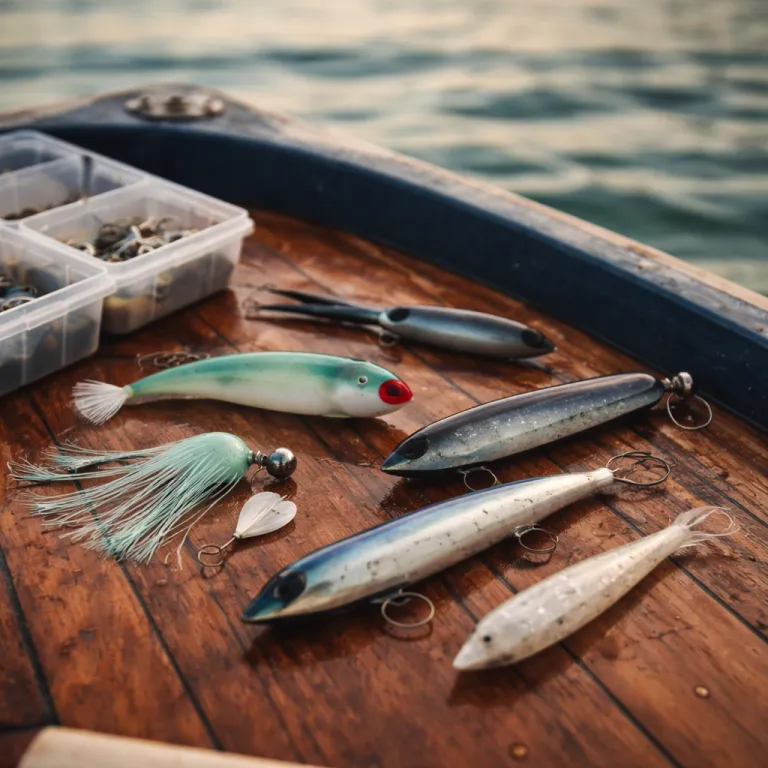

Why 60 °C on the water flips the bass lure script
When surface temperatures creep past 15 to 16 °C, bass stop acting like sleepy winter fish and start hunting edges with intent. Their metabolism ramps up, so every lure you tie on suddenly matters more because bass fishing becomes a game of matching speed, profile, and depth to a narrow comfort band. If you keep throwing the same cold water fishing lures after the thermometer touches 60 °F, you are fishing behind the curve while more adaptable anglers quietly fill their tackle box with the right bass lures for that exact window.
In late spring on Lake Guntersville and similar reservoirs, I watch bass slide from 4 to 6 metre wintering holes onto 2 metre transition breaks, and that shift changes which lure style gets bit consistently. The fish are still close to their deeper safety water, but they now respond to a bait that moves a little faster, flashes more, and hangs just above their eye line instead of crawling on bottom like a heavy duty jig. This is where a clear list of purpose built bass fishing lures beats a random box of products bought on impulse from an online shop with five rated stars and a vague promise of being the amazon best option.
Think of your spring gear as a small, disciplined system rather than a chaotic pile of lures bass might like someday. You want one suspending jerkbait, one moving bait like a spinnerbait or chatterbait, one soft plastic bottom presentation, and one or two topwater lures for the warmest afternoons when fish finally start looking up. Each lure category has a job, and when water hits 60 °F, the job description for every product in your tackle box changes from “wake them up” to “trigger a reaction strike before they slide to the bank to spawn”.
Jerkbaits in the 55 to 62 °F window: cadence, color, and hooks
From 13 to about 17 °C, a suspending jerkbait is the single most efficient lure for covering transition banks, channel swings, and secondary points where pre spawn bass stage. I lean on a 110 millimetre suspending model with quality hook hardware, fished on 8 to 10 lb fluorocarbon, because that combination lets the lure hang perfectly level and turn in place when you pause it between sharp downward twitches. In this narrow band, bass fishing is less about speed and more about cadence, so your gear choice and rod action matter more than the marketing copy on the product box.
Work the jerkbait with a three twitch, long pause rhythm when the water is closer to 13 °C, then shorten the pause as it approaches 17 °C and bass grow more aggressive. On clear lakes like Table Rock, natural pack colors such as translucent shad or ghost minnow consistently outfish loud patterns, while in stained water a bright chartreuse bait with a dark back helps fish track the lure from further away. If you are unsure which color to tie on, match the dominant forage first, then adjust based on how many followers you see behind the lure compared to actual hook ups.
Forward facing sonar has pushed manufacturers to design jerkbaits and other fishing lures that show up clearly on a screen and hold in place in front of a fish, but the fundamentals have not changed. You still need sharp hooks, a balanced lure, and a line size that lets the bait suspend instead of slowly rising or sinking out of the strike zone. For anglers who already understand how lure profile matters from reading about choosing the right squid fishing lure for demanding anglers, the same logic applies here, just translated from saltwater cephalopods to freshwater bass with a different set of instincts.
Spinnerbaits, chatterbaits, and multi moving lures from 62 to 68 °F
Once the water creeps past 17 °C and up toward 20 °C, bass roam more and pinning them to a single stump or rock becomes harder, which is exactly when moving lures shine. A compact spinnerbait or bladed jig lets you cover a long stretch of bank, fan casting around isolated cover while the lure’s flash and vibration call fish from several metres away. In this range, bass fishing rewards anglers who keep the trolling motor moving and treat every cast as a search, not a precise surgical strike.
On windy points at Lake Champlain, a 10 to 14 gram spinnerbait with a single Colorado blade and a soft plastic trailer has outfished slower baits for me by a wide margin, especially when smallmouth bass are cruising just off the break. I like to thread a small soft bait swimbait style on the hook, which adds bulk and a subtle tail kick that keeps fish tracking the lure even when it bumps rock or wood. If you prefer a chatterbait, pair it with a streamlined trailer rather than a bulky creature, because too much drag can kill the hunting action that makes these products special.
Color still follows water clarity, not the calendar, so use white and shad tones in clear water, and chartreuse or firetiger in stained conditions, regardless of what the pack colors suggest on the shelf. Keep your tackle box simple here, with one spinnerbait, one chatterbait, and maybe a classic rooster tail inline spinner for pressured ponds where fish have seen every modern design. When you start experimenting with different jig heads and swimbait trailers, take a moment to study how to choose swimbait hooks that turn follows into solid hookups, because the wrong hook gap or wire diameter can cost you the best fish of the day.
Soft plastics on Texas rigs: the pressure proof spring option
When the weekend crowd shows up and every obvious point has been pounded by moving lures, a simple Texas rigged soft plastic quietly becomes your highest percentage play. Bass that ignored a spinnerbait or jerkbait will still eat a well placed soft bait creature or worm that slides into their ambush lane and pauses just long enough to look vulnerable. This is the part of bass fishing where patience and precise casting beat fancy gear or the latest hyped product.
I carry a small list of proven soft plastic options in a compact tackle box, usually a 10 centimetre straight tail worm, a 9 centimetre creature bait, and a 7 centimetre craw, all in three core colors. Green pumpkin handles clear to lightly stained water, black blue works in dirty conditions, and a natural baitfish laminate covers pressured fish that have seen every standard shade. Rig them on a 2/0 or 3/0 offset hook with a 5 to 10 gram bullet weight, pegged when fishing heavy cover and left free sliding when working more open transitions.
Brands like Berkley PowerBait have built entire product lines around soft plastic scent and texture, and those details can matter when bass are just mouthing a lure instead of crushing it. I have watched fish on clear Ozark lakes inhale a PowerBait worm and hold it noticeably longer than a generic soft plastic, which translates into more time to feel the bite and set the hook. When you are building a spring kit on a budget, one multi pack of worms and one pack of creatures in smart pack colors will catch more fish than a random pile of pre rigged novelties that never see water.
Topwater lures, heavy duty jigs, and smart budget gear choices
By late spring afternoons, when shallow flats hold stable 20 °C water, bass finally start looking up, and that is when topwater lures earn a permanent spot on your deck. A walking bait or small popper worked over submerged grass or along riprap can pull fish that ignored everything subsurface, especially during low light or when a breeze ripples the surface. The key is restraint, because most anglers move the lure too much instead of letting the rings fade before the next twitch.
Heavy duty jigs still matter in this period, particularly around docks, laydowns, and rock where bigger bass set up ambush spots before or after spawning. I like a 10 to 14 gram casting jig with a compact craw trailer, flipped on 15 to 17 lb fluorocarbon, which gives enough abrasion resistance without killing the lure’s natural fall. Around gnarly cover, a football jig head or arky style jig head helps the bait come through rock and wood without rolling and snagging, saving both time and money over a long day.
For anglers trying to assemble a capable spring kit without draining the bank account, a small, organised tackle box with a few carefully chosen products beats a sprawling collection of random gear. One jerkbait, one spinnerbait, one chatterbait, a couple of jigs, a handful of soft plastics, and a single topwater lure can all fit in a box that costs less than many individual premium lures. If you are looking for a compact rod solution to throw this whole system, a travel spinning combo such as the rigged ready X series travel fishing rods offers a multi technique approach that suits weekend trips where space in the car is tight.
Reading ratings, prices, and affiliate hype without getting burned
Most anglers now buy at least some of their bass fishing lures online, which means learning to read ratings, prices, and affiliate links with a sceptical eye. A lure with thousands of reviews and five rated stars might still be a poor fit for your local water if most buyers fish different clarity, depth, or species. Treat every glowing product description as a starting point, then filter it through your own fishing experience and the specific temperature window you plan to fish.
On large marketplaces, the amazon best seller badge often reflects volume and price more than on the water performance, so do not let that label alone drive your tackle decisions. Look for detailed reviews that mention actual bass, specific lakes, and line and rod pairings, because those comments usually come from anglers who fish rather than collectors who just like new gear. When you see affiliate links in a review, understand that the writer may earn a commission, but still judge the lure by its design, hook quality, and how it fits into your existing tackle box.
Price still matters, especially if you fish snaggy rivers or brush filled reservoirs where losing lures is part of the game. I would rather throw a mid range jerkbait or jig from a reputable brand like Strike King or Savage Gear than a bargain bin copy with weak hooks that bend on the first good bass. Over time, a small rotation of trusted lures bass consistently eat will cost you less than constantly replacing cheap products that fail at the worst moment.
Building a four lure spring system that actually fits in one box
Instead of chasing every new lure trend, build a tight four category system that fits in a single medium tackle box and covers all spring water temperatures from 13 to 20 °C. Slot one suspending jerkbait for 55 to 62 °F, one spinnerbait or chatterbait for 62 to 68 °F, one Texas rig soft plastic setup for pressured fish, and one or two topwater lures for the warmest afternoons. That compact list of tools will handle most bass fishing situations you face on weekend trips without filling the boat or bank bag with unused products.
Within each category, focus on function rather than brand hype or the number of pack colors available, because bass do not care how many shades of shad you own. Choose a jerkbait that truly suspends, a moving bait that runs straight at your preferred retrieve speed, a soft plastic that holds on the hook through multiple fish, and a topwater lure you can walk or pop confidently. Then spend your limited practice time learning how each lure behaves at different retrieve speeds and angles instead of constantly swapping gear.
When you pack the car at 5 a.m. for a quick run to your favourite reservoir, that lean system means less time digging through boxes and more time making smart casts. You will know exactly which lure to tie on when the thermometer reads 15 °C at launch and 19 °C by afternoon, because your tackle is organised around temperature and behaviour, not marketing categories. In the end, the bass remember the angles, pauses, and silhouettes you present, not the spec sheet, but the tenth cast in the rain.
Key statistics on bass behaviour, lures, and angler choices
- Recreational angler surveys from several US states show that largemouth bass account for more than 30 % of all freshwater fishing trips, which explains why bass fishing lures dominate tackle aisles and online product listings.
- Biologists have documented that bass metabolic rate roughly doubles between 10 and 20 °C, which is why lures that move slowly on bottom work better in colder water while faster moving baits excel once temperatures pass 60 °F.
- Industry reports indicate that soft plastic baits represent around 40 % of all artificial lure sales by volume, reflecting how often anglers rely on worms, creatures, and swimbaits as confidence options when fish are pressured.
- Consumer research on online tackle sales shows that more than half of buyers filter by rated stars before looking at technical details, even though on the water performance depends more on matching lure style to conditions than on average review scores.
- State creel surveys consistently find that anglers who carry a smaller, more focused tackle box of four to six core lure categories catch as many or more bass per hour as those who bring large multi box systems, suggesting that confidence and time in the water beat sheer quantity of gear.
FAQ: bass fishing lures and the 60 °F spring shift
What is the best type of lure when water first hits 60 °F ?
When water first reaches about 15 to 16 °C, a suspending jerkbait is usually the most efficient lure because it matches the mood of pre spawn bass that are active but still holding near deeper water. Fish it slowly with long pauses over transition banks and secondary points. As the day warms, you can gradually shorten the pause and speed up the cadence.
How many lure categories do I really need for spring bass ?
You can cover most spring situations with four categories of bass fishing lures rather than a huge collection. Use a jerkbait for 55 to 62 °F, a spinnerbait or chatterbait for 62 to 68 °F, a Texas rigged soft plastic for pressured fish, and a topwater lure for the warmest afternoons. Everything else is refinement, not necessity.
Do expensive lures always catch more bass than budget options ?
Higher price often buys better hooks, finishes, and consistency, but it does not guarantee more fish. A mid priced lure that runs true and matches your local forage will usually outperform a premium bait used in the wrong conditions. Focus on function, balance, and durability before chasing the most expensive products.
How should I choose colors for my bass lures in spring ?
Match color to water clarity rather than date or air temperature. In clear water, use natural shad, baitfish, or green pumpkin tones, while in stained water, lean on chartreuse, black blue, or other high contrast patterns. Carry just a few proven colors in each category instead of a full rainbow of pack colors.
Is it worth following online ratings and affiliate based lure reviews ?
Online ratings and reviews can highlight reliable products, but they should not replace your own judgement about local conditions. Look for detailed comments that mention actual bass fishing situations rather than generic praise, and treat affiliate links as a disclosure, not a red flag by itself. In the end, test a lure on your home water before fully trusting the stars beside its name.