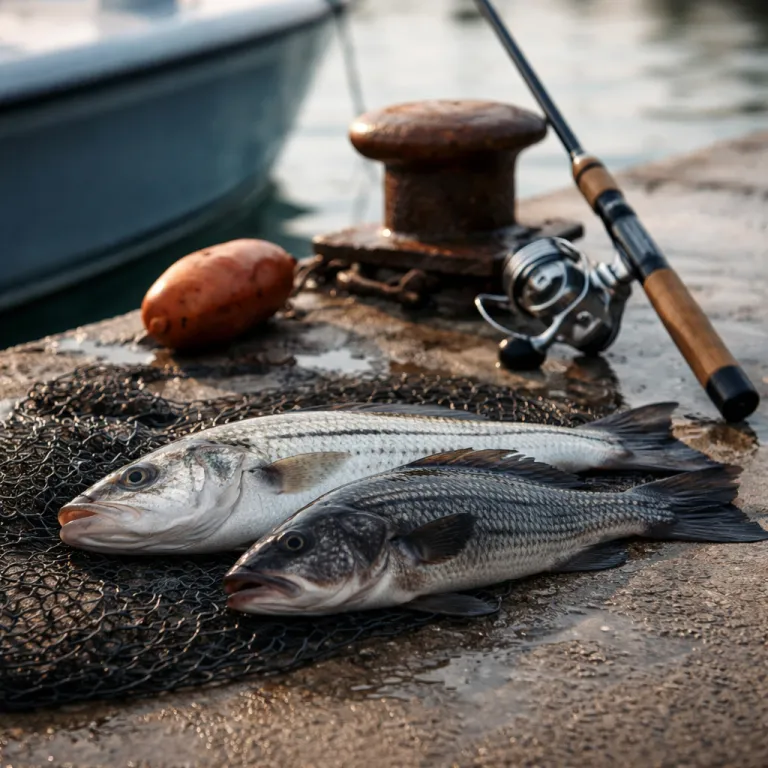
Why salt water punishes your usual fishing tackle
Salt water changes everything about how your fishing reels and rods survive. A lake ready spinning setup that feels bombproof on largemouth will corrode fast when surf spray hits the handle and the unit sits unwashed in the garage, no matter how high its rated stars looked online. Think of every metal unit in your saltwater fishing gear as slowly dissolving unless you plan for corrosion resistance and a strict rinse routine.
Most freshwater spinning reels and baitcasting reels use bearings and screws that rust quickly, so even a budget penn or shimano saltwater model is usually safer than a fancy bass reel in the wrong environment. I have watched a regular freshwater rod reel combo seize after one windy pier session while an older penn fathom conventional reel kept grinding through another season of inshore redfish. When you compare the unit price of a true saltwater reel to the regular price of replacing ruined gear, the math favors buying purpose built equipment once and maintaining it carefully.
Line strength also shifts when you move from trout streams to inshore flats, because twenty pound braid becomes the new light standard and circle hooks in sizes 2/0 to 5/0 replace tiny freshwater trebles. Your terminal tackle needs to match that reality, so stock heavier jig heads, stronger swivels, and surf capable sinkers that will hold in current instead of rolling like river split shot. The goal is not brute force but a system where rods, reels, line, and hooks share the same breaking point so you lose jigs or squid jigs before you sacrifice a whole reel combo.
Building a first inshore setup from freshwater roots
A weekend angler can reuse more freshwater fishing tackle than most tackle shop clerks admit, especially for sheltered inshore creeks and harbors. A medium heavy spinning rod around 2,1 to 2,4 mètres with a sealed shimano or penn 4000 size reel handles redfish, snook, and schoolie stripers if you rinse it after every fishing session. I have run a single spinning rod through bass lakes, light surf, and back bay speckled trout by swapping terminal tackle and keeping the drag smooth with regular cleaning.
Where you should not compromise is on corrosion resistant spinning reels and on the small hardware that quietly fails first, like split rings and jig heads. A mid range van staal or staal spinning reel is overkill for many beginners, but sealed designs show why surf anglers trust them when sand and spray grind cheaper reels into junk. If you want a more flexible travel option, multi technique spinning rods tested in detailed reviews such as this analysis of compact saltwater spinning poles for mixed species can stretch one purchase across freshwater and inshore trips.
For lures, your existing jigs and soft plastics often work if you upsize weights and add stronger hooks, while squid jigs cross over nicely for pier fishing at night. Keep a small box of circle hooks, heavier jig heads, and a few metal spoons as a minimalist inshore terminal tackle kit that lives with your saltwater fishing gear. That way you can throw a single rod reel combo in the car on Friday, add one tackle box, and be ready for either a lake stop or a quick inshore detour without overthinking unit price or stars sale labels.
Choosing rods and reels for surf, pier, and inshore boats
Different saltwater situations reward different rods and reels, so match your fishing style before you chase every sale banner. For most weekend anglers, a 2,7 to 3,0 mètres surf spinning rod paired with a 5000 size spinning reel covers beach casting, while a shorter 2,1 mètres inshore rod reel combo feels better on small boats and piers. I have fished striped bass from New Jersey jetties and speckled trout from Texas marshes with that simple two rod system, and it beats hauling a full rack of rods that never leave the truck.
On the pier and in the surf, spinning rods with long handles help you launch heavier jigs and bait rigs beyond the break, and rated stars on online listings rarely tell you how they load with 30 gram sinkers. I pay more attention to lure weight ranges and how a blank recovers when you shake it, because that predicts casting distance and bite detection better than any regular price tag. When you are choosing between a penn fathom conventional reel and a large spinning model for bottom fishing, remember that conventional reels excel at vertical work while spinning reels shine when you need repeated long casts.
For inshore boats and kayaks, compact baitcasting reels can work if they are truly salt rated, but most freshwater models corrode around the levelwind and handle knobs. If you are buying your first serious saltwater rod, guides that explain how to select a balanced blank without wasting money will save you from chasing the wrong specifications. Whatever you pick, treat the unit as a long term tool, not a disposable toy, and judge it by how it feels on the tenth cast into a headwind rather than by how many rated stars it shows on a shop page.
Understanding tides, target species, and realistic first trips
Salt water rewards timing more than spot loyalty, and tides matter more than most freshwater habits prepare you for. On inshore flats, a rising tide pushes bait and predators into shallow grass, so your saltwater fishing gear should be ready for quick moves as water depth changes by a full metre in a couple of hours. I plan my fishing around two hour windows bracketing high or low tide, because dead slack water often kills the bite no matter how perfect your rods and reels feel.
For a first coastal trip, think inshore before offshore, because pier, jetty, and surf sessions teach you more about reading water and current with less risk and cost. Five forgiving species make ideal early targets for a freshwater angler crossing over, including redfish on mud flats, snook around mangrove edges, speckled trout on shell, flounder near channel edges, and striped bass along rocky points. Each of these fish will eat jigs, soft plastics, or bait on circle hooks, so you can build a small, efficient fishing tackle box instead of chasing every lure on the wall.
When you plan a day, check tide tables and wind forecasts, then match your tackle to the conditions instead of chasing a random sale on heavy gear. Light surf with a gentle onshore breeze favors long spinning rods and smaller jig heads, while strong current around bridge pilings may require conventional reels and heavier sinkers to hold bottom. If you are unsure how local anglers adapt, a good local tackle shop often knows more than any online review, and thoughtful pieces on what your local tackle shop understands about seasonal patterns can change how you budget for unit price versus long term value.
Care, maintenance, and buying smart instead of chasing stars
Salt water punishes neglect, but a five minute rinse routine can double the life of most saltwater fishing gear. After every session, lightly tighten the drag on your spinning reels or baitcasting reels, then rinse them with low pressure fresh water, wipe them dry, and back off the drag before storage. Do the same for rods, guides, and all terminal tackle, paying special attention to jig heads, split rings, and circle hooks where hidden rust starts first.
When you shop, ignore flashy stars sale graphics and focus on construction details like sealed bearings, anodized metal, and solid handle knobs that will not wobble after a season of surf. Online rated stars can be useful, but I treat them as a rough filter, then look for long term user comments about corrosion, drag smoothness, and how the reel behaves under real fishing loads. Comparing unit price and regular price across brands like penn, shimano, and van staal only makes sense when you understand what materials and design choices you are actually paying for.
For shipping orders, factor in the cost of replacement parts and service, especially with electric options such as a fathom electric reel that may require specialized maintenance. Many anglers do better with a simple mechanical penn fathom or similar conventional reel combo that any competent shop can service quickly during peak season. In the end, the best unit in your surf or inshore arsenal is the one you rinse, inspect, and trust enough to cast again when the wind picks up and the sky turns grey, because performance is measured on the jetty in the rain, not on a product page.
FAQ about saltwater fishing gear for weekend anglers
Can I use my freshwater rod and reel in salt water ?
You can use many freshwater rods and reels in salt water if you rinse them thoroughly after every trip and accept a shorter lifespan. Medium heavy spinning rods and sturdy freshwater reels handle light inshore work, but unsealed bearings and cheap hardware corrode quickly. For regular coastal fishing, a purpose built saltwater reel with corrosion resistant components is a safer long term choice.
What line strength should I use for inshore saltwater fishing ?
For most inshore species such as redfish, snook, and speckled trout, twenty pound braided line is a sensible minimum. Many anglers pair that braid with a fluorocarbon leader between 8 and 15 kilogrammes depending on structure and fish size. Heavier line around 30 pounds makes sense around docks, rocks, or bridge pilings where abrasion is a constant threat.
How do I protect my gear from saltwater corrosion ?
The most effective protection is a consistent rinse routine using low pressure fresh water after every trip, followed by drying and light lubrication of moving parts. Avoid high pressure sprays that can push salt deeper into bearings and drag systems. Storing rods, reels, and terminal tackle in a dry, ventilated space instead of a damp garage also slows corrosion dramatically.
What basic lures and terminal tackle do I need for inshore fishing ?
A compact inshore kit should include soft plastics on jig heads, a few metal spoons, and several sizes of circle hooks for bait. Add swivels, leader material, and a couple of different sinker styles to handle both shallow flats and deeper channels. With that small selection and a medium heavy spinning combo, you can cover most common inshore situations without overloading your tackle bag.
Is an expensive saltwater reel worth the higher price for a casual angler ?
For a casual angler who fishes the coast only a few times a year, a mid priced sealed spinning reel from a reputable brand usually offers the best balance of durability and cost. High end models with fully sealed systems and premium materials shine for heavy surf or frequent use but are not mandatory for occasional trips. The key is to buy a reel that is clearly rated for saltwater use and then maintain it carefully so you get full value from the investment.