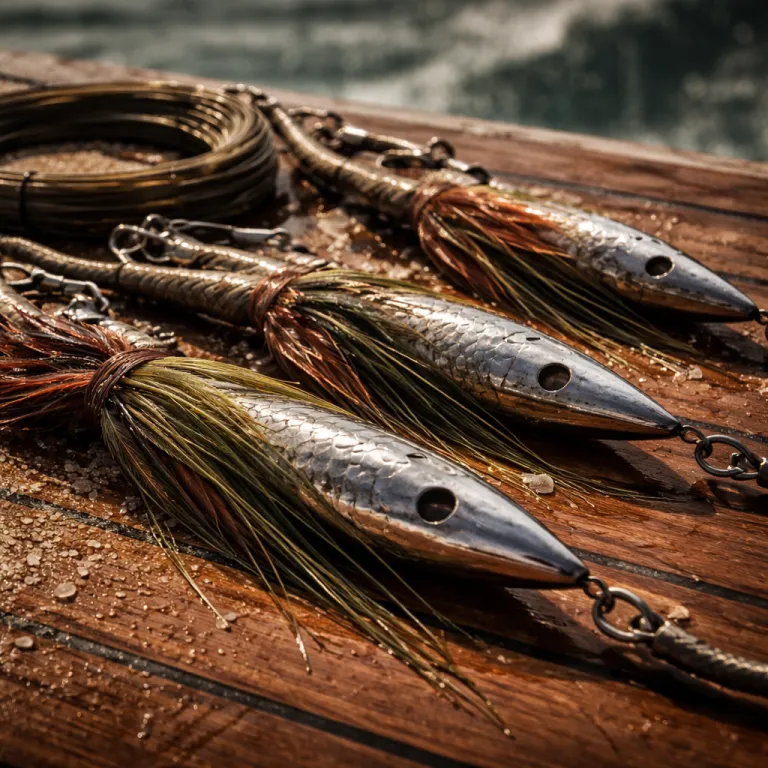
Understanding wahoo behavior and what it means for lure choice
Wahoo are among the fastest predators offshore, and that single fact should guide every decision you make about wahoo lures. Their explosive acceleration, sharp vision, and habit of slashing at bait from the side demand a trolling lure that tracks straight at high speed and keeps working when other offerings blow out of the spread. When you evaluate any wahoo lure, think first about how it will behave at 12 to 20 knots and how reliably it will stay in the strike zone.
Many anglers compare the regular price of different lures without first asking whether the design truly suits speed wahoo tactics. A lure that looks like a bargain at a low unit price can become expensive if it constantly spins, tangles, or fails to raise fish during a hot bite. Before you focus on price regular versus price sale, assess head shape, weight distribution, and how the skirt or body will handle turbulent water.
Modern wahoo trolling has shifted toward heavy duty metal heads, compact profiles, and rigged stainless components that tolerate brutal runs. A well balanced trolling lure with a stainless cable leader and strong hooks resists bite offs and keeps its action even when pulled beside larger trolling lures for tuna or marlin. This is where the vibe of a lure matters, because a clean, tight track often outperforms a wide wobble when you push into true high speed territory.
For many crews, the choice between a single lure and a mixed pack of wahoo lures comes down to confidence and budget. Buying a pack regular at a fair sale price allows you to test several colors and weights without overcommitting to one pattern. Over time, you will refine your spread and understand which lure regular patterns consistently convert strikes into landed fish.
Construction, rigging, and the real value behind the price tag
When you pick up a wahoo lure in a shop, the first thing to inspect is construction quality rather than the tag that lists the regular price. Offshore fishing is unforgiving, and a single failed crimp or weak ring can turn a dream fish into a lost opportunity, no matter how attractive the price unit looked on the shelf. Treat every trolling lure as a system where head, skirt, hooks, and leader must work together at high speed.
Most serious crews now favor pre rigged options that use rigged stainless leaders and solid hooks, because they remove guesswork for anglers who are still learning. A well designed pre rigged wahoo lure usually includes stainless cable of appropriate diameter, heat shrink protection, and a hook orientation that keeps points clear of the skirt. This type of rigging justifies a higher unit price, since it saves time and reduces rigging errors on busy mornings.
Look closely at how the stainless cable is crimped and whether the lure head protects the connection from chafe. A heavy duty head with internal channels for the leader will survive repeated strikes and high speed passes without cracking. Over a season of offshore fishing, that durability often makes the difference between a lure that remains in your spread and one that ends up discarded despite an attractive price sale label.
Anglers comparing wahoo lures should also factor in the long term cost of replacing skirts, hooks, and leaders. A lure regular model with easily serviced components may carry a slightly higher price regular but deliver better value than cheaper copies that fail after a few fish. For those who also chase other predators, it is worth reading detailed tackle breakdowns such as this guide to refined sea bass rigs for demanding coastal anglers, because the same attention to rigging detail applies when you scale up for wahoo trolling.
Color, profile, and the role of hot pink and candy patterns
Color choice in wahoo lures often sparks intense debate on deck, yet certain patterns repeatedly prove their worth. Among these, hot pink skirts and candy style combinations of pink, blue, and silver have earned a permanent place in many offshore spreads. The contrast of hot pink against blue water creates a strong visual cue, especially when the lure runs just below the surface at high speed.
When you evaluate a pink or candy trolling lure, consider how the skirt material flares and pulses at different trolling speeds. A slim profile may excel for speed wahoo tactics, while a fuller skirt can add extra vibration and flash in lower light or choppy conditions. Many crews carry both singular hot pink lures and mixed candy packs, rotating them until a clear pattern emerges during the day.
The phantom style colorway, often blending dark backs with luminous sides, offers a subtler alternative to bright pink options. Phantom patterns can be particularly effective when wahoo grow wary after heavy fishing pressure, because they present a more natural silhouette. Keeping both phantom and hot pink versions of the same wahoo lure model allows you to adjust quickly without changing the proven action of your favorite head shape.
For anglers who also target inshore predators, it is useful to study how color influences reaction strikes in other species, as shown in this analysis of refined snook fishing lures that turn follows into solid hook ups. The same principles of contrast, flash, and profile apply when you scale up to offshore trolling lures for wahoo. Over time, you will learn which pink, candy, and phantom combinations consistently justify their regular price and which only earn a place in your pack during clearance sale periods.
High speed trolling spreads and how to balance units and packs
Designing an effective high speed spread for wahoo trolling requires more than simply clipping several lures behind the boat. Each trolling lure must occupy a defined lane, depth, and distance, so that the overall pattern looks like a loose school of fleeing baitfish. When you combine different wahoo lures, think in terms of roles, assigning some to run deep and others to ride higher as visual attractors.
Many captains start with a core of heavy duty, deep running trolling lures on the corners, often rigged with stainless cable and substantial lead or weighted heads. These speed wahoo specialists track straight at 12 to 18 knots and form the backbone of the spread. Around them, lighter wahoo lure models in hot pink or candy colors can run slightly higher, adding flash and drawing fish toward the main lines.
From a budgeting perspective, it often makes sense to buy a mixed pack of proven patterns at a competitive sale price, then add individual units of your top producers at regular price. This approach lets you test several vibes and profiles without committing your entire budget to one style or color. Over time, you will identify which unit price feels justified because that specific lure regular model keeps earning its place in the spread.
When planning your tackle purchases, remember that offshore fishing days are limited and valuable. A thoughtful mix of packs and single units, chosen for action rather than just price sale tags, will yield better results than a random assortment of discounted gear. For broader context on building specialized outfits for different species, many anglers consult resources such as this guide to choosing the best striped bass surf fishing rods, then apply the same structured thinking to their wahoo trolling arsenal.
The hidden challenge of product choice when no category fits fishermen
Recreational anglers shopping online for wahoo lures often face a subtle but serious problem. Many tackle websites lack a specific category tailored to offshore recreational fishermen, so wahoo trolling gear ends up scattered among generic trolling lures or even mixed with inshore products. This absence of a clear category makes it harder to compare regular price versus sale price options in a meaningful way.
Without a dedicated section for wahoo trolling, anglers must manually filter by lure weight, head style, and rigging details. Important distinctions, such as whether a trolling lure is truly designed for high speed or only for moderate cruising, may be buried deep in product descriptions. As a result, a lure regular model intended for slower pelagic species might be mistaken for a speed wahoo specialist simply because the name includes the word wahoo.
This structural issue also complicates evaluation of unit price and pack regular offers. A pack labeled as offshore trolling lures might include only one or two suitable wahoo lures, with the rest better suited to other species, which dilutes the real value behind the price unit. Anglers must therefore read carefully to confirm the presence of rigged stainless leaders, stainless cable, and heavy duty components before trusting any price regular or price sale label.
For serious fishermen, the solution lies in building a personal shortlist of proven wahoo lure brands and models, then tracking their regular price and sale price over time. By focusing on performance metrics such as hookup ratio, durability, and behavior at high speed, you can look beyond inconsistent website categories. This disciplined approach turns a confusing marketplace into a curated selection of wahoo lures that genuinely match the demands of offshore fishing.
Evaluating value, currency, and long term performance of wahoo lures
When you compare wahoo lures across different retailers, you will often see prices listed in USD alongside other currencies, which can complicate quick judgments about value. Rather than fixating on the lowest apparent unit price, consider how each trolling lure will perform over multiple trips and how many fish it is likely to land before needing replacement. A lure that survives repeated encounters with powerful wahoo on stainless cable leaders may justify a higher price regular in the long run.
Serious offshore anglers often track their tackle spending by separating regular price purchases from opportunistic sale price acquisitions. This habit clarifies whether a particular wahoo lure consistently earns its place in the spread or only appears when a price sale makes it temporarily attractive. Over time, patterns emerge, revealing which trolling lures deliver reliable results at high speed and which merely add clutter to your tackle storage.
It is also wise to compare the cost of pre rigged options against the materials required to rig your own heavy duty leaders. While pre rigged wahoo lures with rigged stainless components may carry a higher unit price, they save time and reduce the risk of rigging errors that could cost a trophy fish. For many recreational fishermen with limited preparation time, that convenience and reliability outweigh the apparent savings of cheaper, unrigged heads.
Ultimately, the most meaningful metric is not the regular price printed on a tag but the cost per successful fish landed. By recording how each wahoo lure performs in different conditions, from calm seas to rough offshore weather, you can assign real value to every unit in your pack. This disciplined, data informed approach transforms purchasing decisions from guesswork into a refined strategy that respects both your budget and your time on the water.
Essential questions recreational anglers ask about wahoo lures
What trolling speed works best for wahoo lures ?
Most dedicated wahoo trolling strategies rely on high speed passes between roughly 12 and 20 knots, depending on sea conditions and lure design. Heavy duty heads and streamlined skirts handle these speeds better than lighter patterns intended for slower pelagics. Always test each trolling lure behind your own boat, because hull shape and prop wash can influence the optimal speed window.
Are pre rigged wahoo lures worth the higher price ?
Pre rigged wahoo lures often justify their higher unit price by combining correctly sized hooks, stainless cable leaders, and secure crimps in a ready to fish package. For recreational anglers with limited rigging experience or preparation time, this reduces the risk of failure during a hot bite. Experienced crews may still prefer custom rigs, but many keep pre rigged options on board as reliable backups.
Which colors are most reliable for offshore wahoo fishing ?
Hot pink, candy style blends of pink and blue, and darker phantom patterns consistently earn space in serious wahoo spreads. Bright colors stand out in clear blue water at high speed, while phantom tones can excel when fish grow wary or light levels change. Carrying several proven colors in both single units and mixed packs allows you to adapt quickly to daily conditions.
How important is stainless cable when targeting wahoo ?
Stainless cable leaders are critical for wahoo trolling because these fish have sharp teeth and deliver violent strikes at speed. Cable resists bite offs far better than monofilament or fluorocarbon when used with heavy duty hooks and properly crimped connections. Many anglers reserve stainless cable for their primary wahoo lures while using other materials for less aggressive species.
Should recreational anglers prioritize packs or individual lures ?
Mixed packs offer an efficient way to test several head shapes and colors at a competitive price, especially for newcomers to wahoo trolling. Once you identify consistent producers, buying individual units of those specific models at regular price ensures you always have confidence baits ready. A balanced approach, combining one or two packs with carefully chosen single lures, usually serves recreational fishermen best.