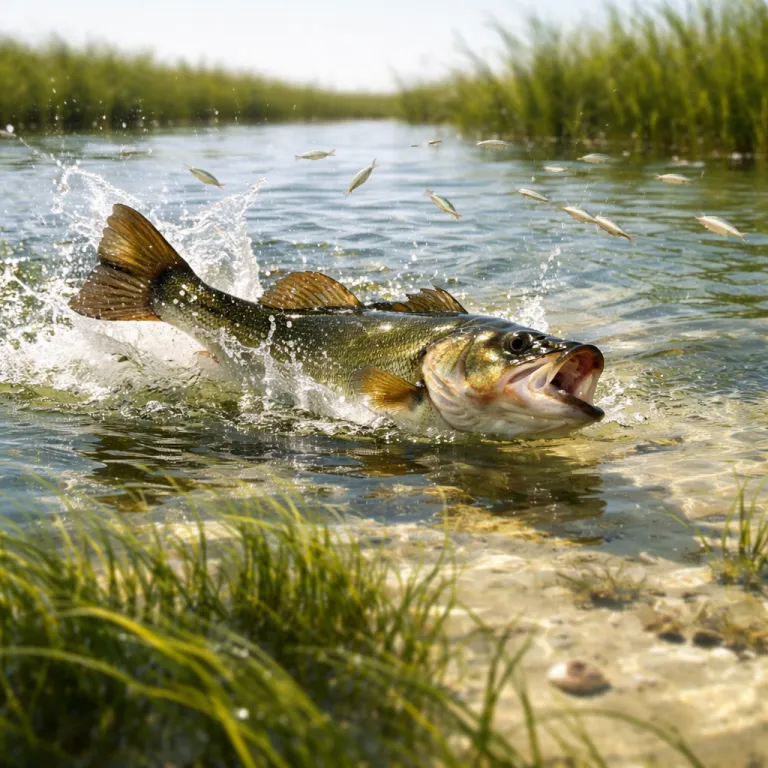
Summer bass on shallow flats: how heat and oxygen shape the bite
Why summer bass slide shallow when the lake feels like bath water
When surface water temperatures creep toward 24 °C, summer bass start using shallow water flats like feeding tables instead of brief pit stops. On many freshwater lakes this time of year, the best fish slide onto one metre shelves at dawn because baitfish, insects, and crayfish stack where light, heat, and oxygen levels intersect. If you treat summer bass shallow water fishing as a deep water game only, you will miss the short aggressive windows when quality bass summer patterns unfold right under your bow.
Think about what the bass actually feels in that hot water during a hot summer stretch, not just what your sonar shows over deeper water. As water temperatures rise through the summer months, the upper layer can lose oxygen while mid depth bands hold better oxygen levels, yet wind and overnight cooling often push fresh oxygen rich water across the flat by first light. Biologists from several state agencies, including the Wisconsin Department of Natural Resources, have documented that warm surface layers can drop below the 5–6 mg/L oxygen band largemouth prefer, which explains why one day a shallow summer flat is crawling with life and the next day you must slide to deeper water edges to catch even a single water bass.
On natural lakes with broad sand flats, summer fishing revolves around subtle depth changes of 30 to 50 centimetres that concentrate both bait and bass. In reservoirs with red clay or mud flats, summer bass often root along soft bottom seams where cooler seepage and tiny invertebrates gather, especially when the day starts calm and the heat has not yet tightened the fish. If you learn to read these flats as living systems instead of featureless deserts, your bass fishing during the toughest time year will feel far less random.

Temperature triggers, oxygen, and the daily rhythm of a summer flat
Once the surface water temperature stabilises around 24 to 26 °C, the timing of your summer bass shallow water fishing matters more than the exact lure in your hand. The first 90 minutes of light usually bring the best conditions because water temperatures are at their daily low, oxygen levels are climbing with fresh wind, and baitfish slide onto the flat to feed. By late morning on a clear day, the same shallow water can feel like a bathtub, and most bass will drift toward deeper water lanes or shade heavy cover to escape the summer heat.
On lakes like Lake Hartwell or France’s Lac de Vassivière, I watch the thermometer as closely as the sky during the hot summer period. When water temperatures bump past that 24 °C mark overnight, I expect a strong shallow summer bite at dawn, then a sharp drop as the sun climbs and the heat loads the upper layer. Fisheries surveys from the U.S. Geological Survey and several European lake studies show that as surface water warms into the high 20s °C, dissolved oxygen in stagnant shallows can fall quickly, so if clouds roll in or a breeze ripples the surface, those conditions can extend the bite window and keep fish feeding on the flat longer than a typical bluebird day.
Midday is when many anglers abandon flats entirely and run to deep water humps, yet a few bass stay shallow if there is thick cover and moving water. A narrow ditch cutting from shallow water to deeper water can funnel cooler water and better oxygen, turning a small stretch into a reliable summer bass highway. When you pair these subtle structural clues with smart fishing tips about timing, you stop guessing and start predicting where the next catch will come from.
For anglers who split time between lakes and rivers, reading seasonal reports such as detailed salmon river fishing updates in New York can sharpen your sense of how changing water temperature and flow alter fish positioning across different systems. That habit of tracking conditions, rather than chasing yesterday’s spots, is what separates consistent bass fishing from occasional luck during the toughest summer months.
Reading sand, mud, and grass flats for precise summer presentations
Not all shallow water flats fish the same during summer, and treating them alike is a quiet way to blank. Sand flats usually shine when the day starts clear and calm, because summer bass can pin baitfish against the clean bottom and you can visually track both fish and cover. Mud flats often come alive when water temperatures spike and wind stains the water, since soft bottom holds invertebrates and cooler seepage that keep oxygen levels slightly higher.
Grass flats are a different animal, especially in hot water during the peak summer heat. Thick weed beds pump oxygen into the water through photosynthesis, so even when surrounding water temperatures feel oppressive, the pockets and edges of vegetation can host active bass summer schools. On pressured lakes, the best fish often sit where sparse grass meets a slightly deeper water cut, using the transition as both ambush point and escape route.
When you work a sand flat, long casts with subtle soft plastics on 7 foot medium spinning rods let you cover water without spooking fish in the clear conditions. On mud flats, I favour compact jigs and Texas rigged creature baits that imitate crayfish rooting along the bottom, especially when the day is windy and the heat has pushed bait tight to the floor. Grass flats call for more precise techniques, such as weightless stickbaits over the top or lightly weighted swimbaits ticking the outside edge, where a single cast can trigger multiple fish when conditions line up.
Whatever the bottom type, pay attention to how your lure feels as it moves from shallow water into slightly deeper water, because that change often marks the strike zone. When you feel the bait drop into a depression or tick the first strand of grass, slow down and give the fish time, since many summer bass follow for several metres before committing. If you enjoy keeping fish for the table on mixed species trips, learning how walleye and pike relate to similar structure on nearby lakes, as described in detailed walleye pike flavour guides, can deepen your understanding of how predators share and rotate prime feeding areas.
Stealth, boat control, and lure choices that keep shallow bass comfortable
The biggest mistake I see on summer bass shallow water fishing spots is anglers charging onto the flat with the trolling motor on high and fan casting like it is spring. In hot water during the toughest time year, bass are already stressed by elevated water temperatures and lower oxygen, so noise and wake push them straight to deeper water edges. Treat the flat like a skinny bonefish flat instead, and you will catch more fish in fewer casts.
Start by stopping the boat in slightly deeper water and drifting or quietly poling onto the shallow water zone, keeping at least one long cast off the best cover. On calm days, I often anchor or use a shallow water stake to hold position, then work methodically with long parallel casts that keep the lure in the strike zone for maximum time. When wind or current complicates things, use short bursts of the trolling motor at low power, correcting your angle without constantly churning the water bass are trying to rest in.
Lure choice matters, but presentation speed matters more under summer heat conditions. Early in the day, a buzz bait or similar topwater can be deadly across a shallow summer flat, drawing reaction strikes from aggressive summer bass before the sun climbs. As the day brightens and water temperature rises, I shift to slower techniques like weightless soft plastics, finesse jigs, or small swimbaits, letting the bait glide and pause to match the fish’s reduced energy in the heat.
Colour selection should track water clarity and light, not catalogue trends, with natural shad tones in clear conditions and darker profiles in stained water. When you feel your line jump or go slack, resist the urge to swing instantly, because in warm conditions bass often mouth the bait before fully committing. The anglers who slow their hands as the lake speeds up with summer heat are the ones who quietly fill logs while others complain about tough conditions.
When to leave the flat, go deeper, and how to choose your lakes
Even the best shallow water pattern has an expiration time, and stubbornness can waste an entire day. When water temperatures on the flat stay above 26 °C for several hours, baitfish often slide to deeper water edges or suspend over nearby deep water, dragging summer bass with them. Long term telemetry work on largemouth bass from universities such as Auburn and Illinois shows that many fish shift to cooler, more stable layers once surface temperatures and oxygen levels cross their comfort threshold, so if you keep grinding the same cover under those conditions, you are fishing memories instead of reading the lake.
Three signals tell me it is time to abandon a shallow summer pattern and explore deeper water structure. First, if you see bait dimpling just off the drop but not on top, the food has moved and the bass will follow. Second, a sudden wind shift that stacks hot surface water onto the flat can crush oxygen levels and push fish to the first break, while a barometric drop before a storm may pull the better fish to slightly deeper water lanes where they feel safer.
Third, if you fish prime time windows at dawn and dusk for several days without a quality catch, you may simply be on the wrong lake for a strong summer bass shallow water fishing pattern. Some reservoirs fish better in this time year with offshore humps and channel swings, while smaller natural lakes with broad flats and healthy vegetation reward patient shallow water approaches. Studying regional reports, such as detailed crappie fishing breakdowns from lakes like Hartwell, can teach you how different species respond to the same water temperature swings and help you choose the best destination for your limited fishing time.
When you do decide to buy bass focused gear for this pattern, prioritise tools that help you read and adjust rather than just cast farther. A simple thermometer, a reliable depth finder, and quiet boat control hardware will outcatch another box of buzz bait colours during the hottest summer months. In the end, the pattern is not about magic lures but about respecting how heat, oxygen, and time shape every move a bass makes on a shallow flat.
FAQ
What water temperature is best for targeting bass on shallow flats in summer ?
Most lakes fish best on shallow flats when surface water temperature sits roughly between 22 and 26 °C. Below that range, many bass hold slightly deeper, while above it they often slide to nearby deeper water edges or shade heavy cover. State fisheries biologists commonly note that largemouth feed most actively in the low to mid 20s °C, so use a thermometer at your usual fishing spots to learn the exact band where your local fish feed hardest.
How long do shallow feeding windows usually last during hot summer conditions ?
On clear stable days, the strongest shallow water feeding window often lasts 60 to 90 minutes after first light, then a shorter burst around sunset. Cloud cover, wind, and inflowing cool water can stretch those windows, while flat calm heat can shrink them to just a handful of key casts. Plan your summer fishing around those windows rather than spreading effort evenly across the entire day.
Should I always move to deeper water once the sun gets high ?
You do not need to leave shallow water the moment the sun rises, but you should watch for signs that bait and bass have shifted. If you stop seeing baitfish, surface activity, or any life on the flat, check the first break into deeper water before running offshore. Often the best fish slide only a few metres deeper rather than abandoning the area completely.
What lures work best for summer bass on shallow flats ?
Topwaters such as buzz baits or walking plugs excel during low light, especially when bass are actively chasing bait across the flat. As the day brightens and water temperatures climb, slower soft plastics, finesse jigs, and small swimbaits usually outproduce faster techniques. Match lure size and colour to the dominant forage and water clarity rather than chasing every new trend.
How can I avoid spooking bass in clear shallow water during summer ?
Keep the boat in slightly deeper water and make long casts that reach the prime shallow cover without running directly over it. Use low trolling motor speeds, minimise deck noise, and avoid sudden changes in boat position that send pressure waves across the flat. In very clear conditions, lighter line and more natural lure colours also help you catch fish that have already endured weeks of summer pressure.