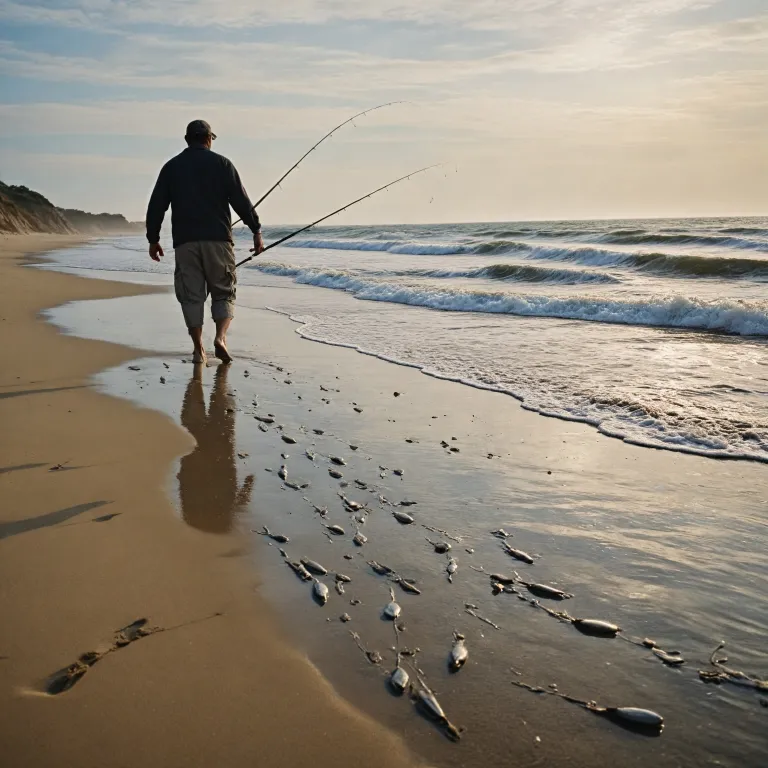
Understanding what makes the best striped bass surf fishing rods
Striped bass demand rods that balance casting distance, sensitivity, and strength. When anglers talk about the best striped bass surf fishing rods, they usually mean a surf rod that can launch lures far beyond the breakers while still protecting light leaders. A well chosen fishing rod also needs enough backbone to turn a powerful fish in heavy surf without feeling like a rigid broomstick.
Most experienced surf fishing enthusiasts prefer rods between 2.7 and 3.6 metres in rod length. This range of surf rods offers a sweet spot between leverage, casting efficiency, and comfort during long sessions on the beach. A longer foot rod gives extra distance, but a slightly shorter rod can provide better control when a striped bass runs parallel to the shore.
Action is critical when selecting any surf spinning setup for striped bass. Many anglers favour moderate fast or fast action rods surf models, which bend mostly in the upper third yet still cushion sudden lunges. A moderate action or moderate fast blank helps keep hooks pinned when a bass shakes its head in the wash.
Power and casting weight must match the lures you actually throw. For heavy metal lips, pencil poppers, and large plastic shads, a stronger surf rod with higher casting ratings is essential. Lighter spinning rods suit smaller lures and can make school sized striped bass feel more energetic and rewarding.
Modern rod builders design blanks that handle both bait and lures efficiently. A versatile rod can cast metal lips one tide and soft plastic lures the next without compromise. Matching the rod, reel, and fishing gear to your local surf conditions will always improve your chances of connecting with quality fish.
Dialling in rod length, power, and action for striped bass surf
Choosing the right rod length is the foundation of effective surf fishing. Shorter rods around 2.7 metres feel nimble and suit tight beaches, while longer rods near 3.6 metres maximise distance when striped bass hold beyond the outer bar. The best striped bass surf fishing rods usually sit in the middle, offering both reach and control for varied coastal terrain.
Power ratings should reflect the typical fish and conditions you face. Medium to medium heavy surf rods handle most striped bass scenarios, from calm beach surf to choppy onshore winds. When strong currents or heavy weed are common, stepping up in power helps keep the fish under control and the line clear of obstacles.
Action describes how the rod bends under load and affects casting and hook setting. A fast action surf rod snaps lures off the footer of the blank quickly, ideal for punching into wind with streamlined metal lips or pencil poppers. Moderate action and moderate fast designs, however, provide a more forgiving curve that keeps pressure steady on a surging fish.
Anglers who also enjoy freshwater techniques can transfer many lessons from mastering the essentials of freshwater fishing. Reading water, understanding bait movement, and matching lure weight to rod power remain universal principles. The difference in surf fishing lies mainly in rod length, heavier casting weights, and the relentless pull of waves on line and fish.
Spinning rods dominate striped bass surf fishing because they handle lighter lures and crosswinds gracefully. Paired with a robust reel such as a van staal model, a balanced surf spinning outfit resists corrosion and delivers smooth drag performance. This combination lets anglers fish long tides with confidence, whether casting plastic shads, metal lips, or traditional bait rigs.
Matching lures, lines, and reels to your striped bass surf rod
The best striped bass surf fishing rods only perform at their peak when matched with suitable lures and lines. A rod rated for 20 to 60 grams will cast pencil poppers, metal lips, and soft plastic lures efficiently without feeling overloaded. Staying within the recommended casting range protects the blank and ensures consistent, accurate casting from the beach.
Many surf fishing specialists favour braided line for its sensitivity and thin diameter. A balanced surf rod and braid combination allows anglers to feel subtle takes when a fish inspects a plastic lure in turbulent surf. Adding a fluorocarbon leader helps with abrasion resistance around rocks and the rough mouths of large striped bass.
Reel choice matters as much as the rod in demanding surf conditions. Durable models like a van staal spinning reel pair well with high quality surf rods, especially when anglers wade deep or fish around structure. Corrosion resistance, smooth drag, and a comfortable handle are essential when fighting a powerful fish in heavy surf.
Some anglers also carry a lighter fishing rod for nearby estuaries or inshore flats. This allows them to target species such as false albacore when conditions suit faster retrieves and smaller lures. Understanding how different rods, lures, and fish interact helps refine your overall fishing gear strategy across multiple environments.
For those who enjoy exploring varied species, learning about the allure of coppernose bluegill can broaden tactical thinking. While the tackle is lighter, the principles of matching rod action, lure size, and presentation speed remain similar. This cross training mindset sharpens decision making when returning to the surf to target striped bass with purpose built surf spinning outfits.
Evaluating premium surf rod builds and components for striped bass
Premium surf rods stand apart through refined blanks, quality components, and thoughtful ergonomics. Classic designs such as the lamiglas gsb series have earned loyal followings among striped bass specialists for their blend of strength and sensitivity. These rods surf exceptionally well when casting metal lips, pencil poppers, and heavy plastic shads into strong headwinds.
Blank materials influence how a surf rod behaves under load and during casting. High modulus graphite offers crisp response and fast recovery, ideal for fast and moderate fast actions that punch lures far beyond the beach. Composite constructions with added fibreglass can provide a more moderate action feel, which some anglers prefer for bait fishing and fighting larger fish close in.
Handle design and reel seat placement affect comfort during long surf fishing sessions. A well positioned rear grip and appropriate foot spacing help distribute pressure along the rod when a striped bass makes a powerful run. Attention to these details separates the best striped bass surf fishing rods from generic models sold purely for quick sale.
Guides must withstand both casting stress and saltwater exposure. Quality stainless or titanium frames with ceramic inserts protect braided lines during repeated casting and sudden strikes from aggressive fish. Rod builders who specialise in surf fishing often customise guide layouts to optimise distance and reduce line slap along the blank.
Many anglers appreciate the craftsmanship behind a custom surf rod tailored to their height, casting style, and preferred lures. A bespoke build can fine tune rod length, action, and handle layout to match specific beaches and prevailing surf conditions. When combined with a reliable van staal reel and carefully chosen fishing gear, such a setup offers long term performance and confidence.
Practical surf tactics with striped bass rods on open beaches
Owning the best striped bass surf fishing rods only matters when paired with sound tactics. Reading sandbars, troughs, and current seams helps anglers position their surf rod where bait naturally funnels. Casting slightly uptide and allowing lures to swing across these features often triggers aggressive strikes from feeding fish.
On open beaches, rod length and action influence how effectively you manage line in the wash. A longer foot rod keeps more line above breaking waves, reducing drag and maintaining direct contact with lures. Fast and moderate fast actions help drive hooks home quickly when a striped bass hits at long range.
Lure selection should reflect both conditions and the natural prey of striped bass. Metal lips and pencil poppers excel when baitfish are near the surface, while soft plastic lures shine when fish hold deeper in the water column. Rotating between lures and adjusting retrieve speed will often reveal the day’s preferred pattern.
Time of day and light levels also shape surf fishing success. Many anglers favour low light periods, yet fishing at dusk can be particularly productive along structure rich shorelines. For a broader perspective on timing and atmosphere, some surf anglers study insights on why sunset fishing offers unique opportunities and then adapt those lessons to coastal environments.
When conditions align, striped bass may push bait tight to the beach, allowing shorter casts with lighter spinning rods. In rougher surf, heavier surf rods and stronger lines become essential to maintain control over both lures and hooked fish. Remaining flexible with rod choice, lure selection, and casting angles will keep you effective across changing tides and weather.
Expanding your surf arsenal beyond striped bass targets
While the focus often rests on striped bass, the same surf rods can handle a range of coastal species. False albacore, bluefish, and other fast moving predators frequently share the same rips and current lines. A versatile surf rod with a balanced moderate fast action can cast small metals for false albacore one tide and heavier plastic lures for bass the next.
Anglers who refine their surf fishing skills quickly recognise patterns that apply across species. Reading bird activity, bait behaviour, and subtle changes in surf height helps predict where fish will feed. The best striped bass surf fishing rods simply provide the control and feedback needed to capitalise on those observations.
Some surf specialists maintain separate spinning rods for different lure classes. A lighter fishing rod might handle small metal lips and slim pencil poppers, while a heavier surf rod manages large plugs and bait rigs. This split approach ensures each rod length and power rating aligns with a specific casting and fighting role.
Thoughtful investment in fishing gear reduces long term costs and frustration. Rather than chasing every sale, focus on a compact quiver of surf rods that genuinely match your beaches and target fish. Over time, familiarity with each rod’s action, casting range, and preferred lures will sharpen your instincts and efficiency.
Whether you favour classic lamiglas gsb blanks or modern high modulus designs, consistency in your surf spinning setups builds confidence. Pair each surf rod with a reliable reel such as a van staal model and maintain them carefully after every session. With this disciplined approach, your rods surf effectively season after season, turning more strikes into landed fish along the beach.
Key statistics for striped bass surf fishing equipment
- Typical surf rod length for striped bass ranges from 2.7 to 3.6 metres, balancing casting distance and fish control.
- Most striped bass surf anglers use braided main line with breaking strains between 13 and 23 kilograms, depending on terrain and lure weight.
- Common casting weight ratings for striped bass surf rods fall between 20 and 90 grams, covering metal lips, pencil poppers, and soft plastics.
- Spinning reels in sizes roughly equivalent to 5000 to 8000 are widely paired with surf rods targeting striped bass from open beaches.
- Many surf anglers report that moderate fast and fast action rods account for the majority of their striped bass catches in turbulent surf.
Questions recreational surf anglers often ask
What rod length works best for striped bass surf fishing ?
Most anglers find that rods between 2.7 and 3.6 metres offer the best compromise between casting distance and control. Shorter rods suit tight beaches and close structure, while longer rods excel when fish hold beyond the outer bar. Choosing within this range based on your height and local surf conditions will usually yield the most comfortable and effective setup.
Should I choose fast or moderate action for striped bass surf rods ?
Fast action rods provide crisp casting and strong hook sets at long range, which helps when throwing metal lips or pencil poppers into wind. Moderate and moderate fast actions offer more cushioning during the fight, reducing pulled hooks when a striped bass surges in the wash. Many experienced surf anglers carry both styles and switch according to lure type, sea state, and fish behaviour.
Are spinning rods better than casting rods for surf fishing striped bass ?
Spinning rods dominate striped bass surf fishing because they handle lighter lures and crosswinds more easily than traditional casting setups. They also allow anglers to adjust casting distance quickly without complex thumb control on the spool. Casting rods still have a place for very heavy lures or specialised techniques, but spinning outfits remain the most versatile choice for most beach situations.
How important is reel quality for striped bass surf fishing ?
Reel quality is critical because surf environments expose equipment to salt, sand, and heavy loads from powerful fish. Robust models such as van staal reels offer strong sealing, smooth drag, and long term reliability, which protect both line and rod during hard fights. Investing in a durable reel often extends the life of your surf rods and reduces maintenance issues over many seasons.
Can one surf rod cover both striped bass and false albacore ?
A well chosen moderate fast surf rod can handle both striped bass and false albacore if its casting range matches the lures you use. For false albacore, the rod should comfortably cast small metals and slim plastics at high speed without feeling overloaded. When targeting striped bass, the same rod can then throw slightly heavier lures or bait rigs, provided you stay within the manufacturer’s recommended casting weights.