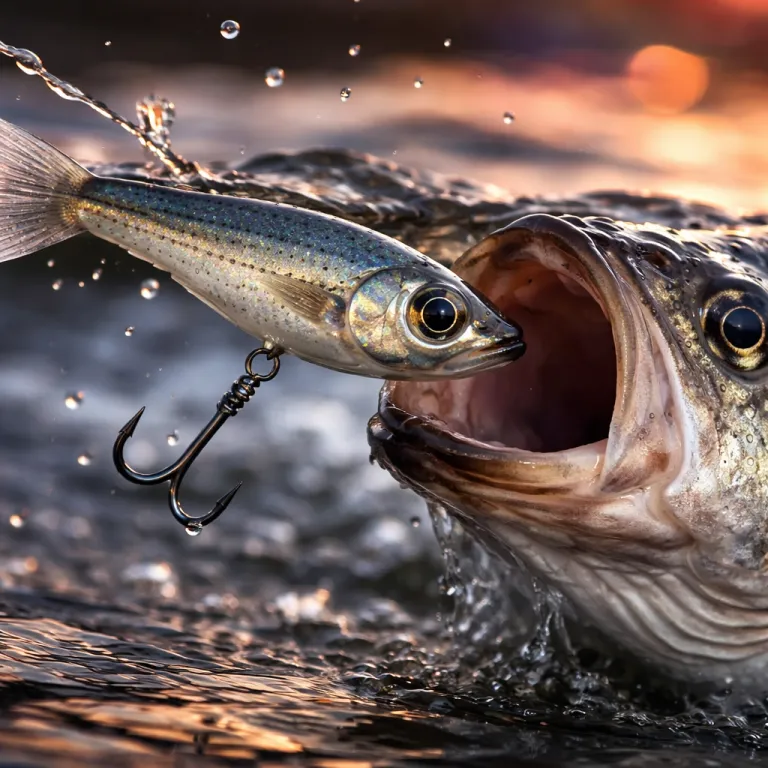
Reading the water and matching fishing lures for striped bass
Striped bass reward anglers who read the water carefully and match their fishing lures for striped bass to real prey. When stripers push bait against a rip line or current seam, the right lure and the right action will turn nervous fish into committed feeders. Successful fishing in these situations means understanding how lures and baits move on each side of the current and how bass position themselves to intercept them.
In shallow water at dawn, a topwater lure or subtle topwater lures presentation often outfishes deeper jigs because big stripers look upward. Many anglers reach for a pencil popper or a chug norris style popper when they hear feeding fish, since these topwater striper tools create commotion that calls bass from distance. When the surface is calm, a slow floating pencil popper or other topwater lure with a gentle walk can work well where a loud popper might spook fish.
As light increases, striped bass frequently slide off the shallow side of a bar into slightly deeper water and become more selective. Here, soft plastic lures that imitate a sand eel or slim baitfish often produce, especially when rigged for subtle swim action and fished near the bottom. Matching lure color to the water and sky, such as white glow in low light or natural olive in clear water, helps your lure or lures look like the real fish stripers are hunting.
Topwater lures, poppers and pencils for aggressive stripers
When stripers are feeding high in the water column, topwater lures for striped bass provide some of the most exciting fishing available. A classic popper or modern chug norris style lure throws spray forward, holds its position and tempts bass that track from the side before striking. Many anglers consider a pencil popper the best option when fish are spread out, because its tight, frantic action and long casting range cover more water efficiently.
For pressured striped bass, a slow floating topwater lure can be deadly, especially when you pause it near nervous bait. The lure sits in the water and rocks gently, which often convinces big stripers that have refused faster baits and other lures. Mixing fast chugging with long pauses lets you adjust the action until you find what will work well on that particular school of fish.
Color choice matters with every topwater striper presentation, and many experts rely on white glow patterns in low light. In bright conditions, a more natural color that matches local baitfish or sand eel schools usually draws more confident strikes. For anglers refining their surface game, pairing topwater lures with the right sinking braided line as explained in this guide on why sinking braided line matters for recreational anglers helps maintain optimal lure action and hook setting power.
Subsurface swimmers, soft plastics and realistic sand eel profiles
When striped bass refuse surface offerings, subsurface fishing lures for striped bass that swim just below the chop often save the day. Slim hard baits with a tight swim action imitate sand eel schools perfectly, especially when retrieved on a slow, steady line. Many anglers favor shikari slow style swimmers, because their slow floating or very slow sinking behavior keeps the lure in the strike zone longer.
Soft plastic baits rigged on light jigs or weighted hooks excel when bass key on small prey. A narrow soft plastic sand eel pattern can be fished along each side of a rip, allowed to sink, then lifted with short jigging strokes to imitate fleeing bait. These lures work well when stripers are holding deep but still respond to a subtle, natural swim rather than an aggressive popper or loud topwater lure.
Color again plays a central role, with white glow and olive back patterns producing consistent results in mixed water clarity. Rotating through several lures and colors helps identify what the fish will accept on a given tide and light level. To refine your rigging and terminal tackle, many anglers consult accessories such as a quality fishing line ring, and this detailed article on why a fishing line ring can be the perfect catch for passionate anglers explains how small hardware choices influence lure action and hook up rates.
Vertical jigs, jigging techniques and vibration lures for deep striped bass
When striped bass hold deep under bait schools, vertical jigs and modern vibration lures become essential fishing lures for striped bass. Traditional metal jigs sink quickly through moving water and allow precise jigging presentations on each side of structure or channel edges. Short, sharp lifts followed by controlled drops keep the lure in the strike zone and trigger reaction strikes from fish that will not rise to a topwater lure.
New generation vibration baits such as max vibe and vertrex max add another dimension to deep water striped bass fishing. These lures produce intense vibration on both the lift and the fall, creating an action that calls stripers from distance even in dirty water. Many anglers consider a max vibe style lure one of the best tools for probing mid depth layers when big stripers are suspended and feeding on scattered bait.
Color and profile still matter with jigs and vibration baits, and white glow or natural baitfish patterns often work well in low light. Mixing metal jigs, soft plastic jigs and vibration lures lets you adjust fall speed, action and profile until the fish respond. For anglers who also chase squid or other big game species, the principles in this article on refined strategies for choosing the right squid fishing lure translate directly to selecting the right jigging lure for striped bass.
Color, tackle storage and practical gear choices for striped bass anglers
Thoughtful color selection and organized tackle storage turn a box of random lures into a focused striped bass system. Many experienced anglers group lures by depth range, action and color, keeping topwater lures, jigs, soft plastic baits and vibration lures in separate compartments. This approach ensures that when stripers suddenly erupt on the surface or shift deeper in the water, you can reach the right lure or lures within seconds.
Carrying multiple versions of a favorite striper lure, such as a pencil popper, shikari slow swimmer or max vibe style bait, allows quick changes when fish become selective. Slight adjustments in color, from white glow to bone or natural sand eel tones, often make the difference between follows and solid hook ups. Well planned tackle storage also protects hooks and finishes, which preserves the crisp action that makes these lures work well on big stripers season after season.
Beyond lures, many recreational anglers appreciate the flexibility of offering or receiving a tackle shop gift card dedicated to striped bass gear. A targeted gift card lets the angler choose specific topwater striper baits, soft plastic sand eel imitations or deep jigging lures that match local conditions. Combining organized tackle storage, carefully chosen colors and a few trusted striper lure patterns builds confidence, and confident fishing usually leads to better decisions on the water.
Building a versatile striped bass lure lineup for every scenario
A complete selection of fishing lures for striped bass should cover surface, mid depth and bottom presentations in both calm and rough water. At the surface, a mix of popper, chug norris style lure and pencil popper options handles everything from tight bait balls to scattered big game stripers. For subsurface work, shikari slow swimmers, soft plastic sand eel baits and compact striper lure designs with a natural swim action fill the middle of the water column.
Deeper down, metal jigs, soft plastic jigs and vibration lures such as max vibe or vertrex max provide vertical coverage and strong jigging options. These lures excel when striped bass hold tight to structure or suspend under bait, and their varied action profiles ensure at least one will match the mood of the fish. Carrying several colors, including white glow and darker baitfish tones, lets you adapt quickly as light and water clarity change.
Many seasoned anglers emphasize that the best striped bass lure collections remain simple yet versatile rather than cluttered. A focused set of lures that you know intimately, from topwater lures to deep jigs, encourages precise presentations and better strike conversion. When combined with organized tackle storage and thoughtful use of a gift card for periodic upgrades, this streamlined approach keeps your striped bass fishing sharp, efficient and consistently productive.
Key statistics about striped bass fishing lures
- No dataset was provided, so specific quantitative statistics about striped bass lures cannot be cited here.
- Anglers should consult regional fisheries reports for up to date catch and effort data related to striped bass.
- Local tackle shops often track which lures and colors perform best across different seasons.
Common questions about fishing lures for striped bass
What types of lures work best for striped bass in shallow water ?
In shallow water, topwater lures such as poppers and pencil poppers often excel, especially at dawn and dusk. Soft plastic sand eel imitations fished just below the surface also work well when bass are wary. Matching lure size and color to local baitfish increases your chances of consistent strikes.
How important is lure color when targeting stripers ?
Lure color plays a significant role, particularly in changing light and water conditions. White glow, bone and natural baitfish patterns cover most striped bass scenarios effectively. Rotating colors while keeping the same action helps determine what the fish prefer on a given tide.
When should I use jigs instead of topwater lures for striped bass ?
Jigs become more effective when striped bass hold deeper or show on sonar but ignore surface activity. Metal jigs, soft plastic jigs and vibration lures reach these fish quickly and stay in the strike zone. Use jigging techniques when surface feeds stop or when strong current pushes bait below the top layer.
How can I organize my tackle storage for striped bass fishing ?
Organize tackle storage by separating lures according to depth range, action and size. Keep topwater lures, swimmers, soft plastics and jigs in clearly labeled compartments for quick access. Regularly check hooks, split rings and finishes so each lure maintains its intended action.
Is a gift card a practical option for striped bass anglers ?
A tackle shop gift card is highly practical because it lets anglers choose specific striped bass lures that match their local conditions. Recipients can invest in topwater striper baits, sand eel soft plastics or deep jigging lures as needed. This flexibility ensures the gift supports real on the water requirements rather than guessing about gear preferences.