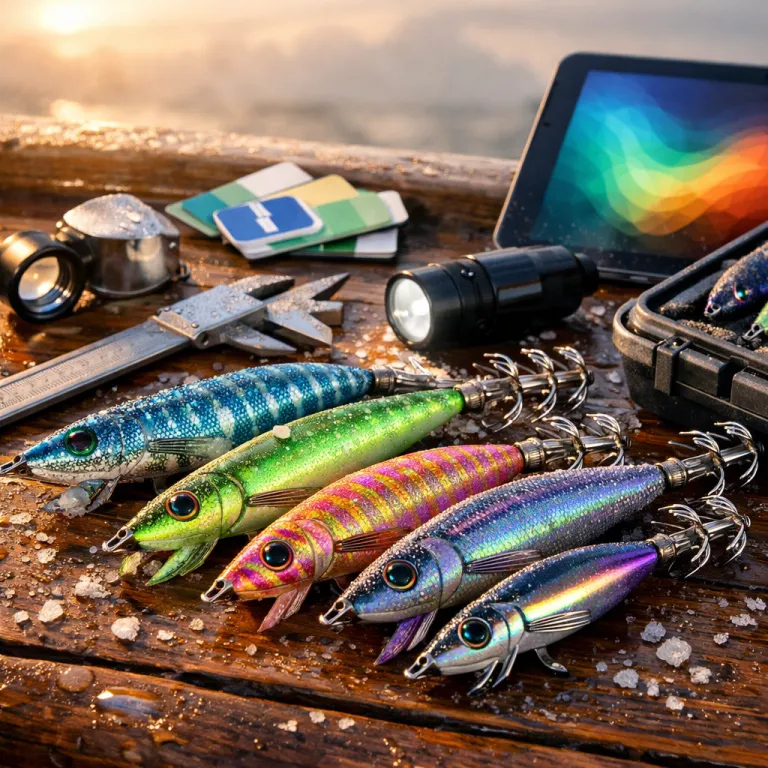

Understanding squid fishing lures and how they trigger strikes
A well chosen squid fishing lure turns a quiet pier session into a steady run of hookups. When you match each squid jig to local squid and water clarity, your chances of catching squid rise dramatically. The key is understanding how squid, light, and movement interact around your jigs.
Every squid jig is a purpose built product with a specific length weight, weight depth, and sink rate. These lures imitate a fleeing bait fish or prawn, so their bodies, colors, and balance must look natural during vertical jigging or slow lifts. A thoughtful pack of squid jigs gives you options to adapt as light, current, and squid behavior change.
Modern squid lures use tough durable shells, sharp crowns, and corrosion resistant split rings to survive repeated jigging. Many bodies include glow panels or a floating squid style profile that suspends enticingly above weed beds. When you view a squid jig in clear water, you will notice how the ball bearing swivel, cloth texture, and eye design all contribute to a believable bait silhouette.
Color remains critical, especially pink, white, gold, and pink orange patterns that stand out in low light. A mini squid jig with a compact length weight can be deadly on finicky squid holding shallow, while heavier jigs reach deep water structure quickly. By treating each squid fishing lure as a technical tool rather than a simple trinket, recreational anglers gain far more control over their squid fishing results.
Comparing body designs, colors, and weight depth options
Squid fishing success often depends on subtle differences between lure bodies and weight depth options. A slim, sinking squid jig cuts quickly through current for efficient vertical jigging, while a floating squid profile hangs longer in the strike zone over reef edges. Both designs have their place, and serious fishing enthusiasts usually carry a mixed pack of squid jigs.
Cloth wrapped bodies create a softer bait feel when squid grab, which encourages a firmer hold on the jigs. Hard bodied squid lures, especially tough durable models, resist rock damage and keep their precise length weight balance for longer. Many premium product lines add ball bearing swivels and reinforced split rings to reduce line twist during aggressive jigging.
Color strategy should match water clarity and ambient light around your fishing spots. Pink and pink orange patterns excel in stained water, while white and gold bodies shine in clear conditions or under strong pier lights. Glow finishes on a squid jig or mini jig help when catching squid in deep water or during overcast sessions.
For anglers refining their inshore tackle, lessons from specialized snook fishing equipment translate well to squid fishing lure selection. Just as rod, reel, and line must align for snook, your squid, jigs, and jigging technique must work together. Evaluating each pack squid by its weight depth, bodies, and design details ensures your regular price investment returns consistent fishing performance.
Technical factors that influence jig sink and vertical jigging performance
Beyond color and shape, the physics of jig sink and balance define how a squid fishing lure behaves underwater. A carefully tuned length weight ratio controls how fast the squid jig drops and how it glides or stalls between rod lifts. When vertical jigging from a boat or high pier, this balance determines whether your jigs stay in the productive layer where squid are feeding.
Heavier squid jigs reach deep water quickly, but excessive weight depth can reduce the natural bait like flutter that triggers strikes. Lighter mini lures excel in calm conditions, allowing a slower jig sink that keeps the squid jig in front of hesitant squid longer. Many anglers carry a pack squid assortment with overlapping weights to fine tune jigging cadence as current and wind shift.
Hardware also matters ; a smooth ball bearing swivel and strong split rings prevent line twist and failure during repeated jigging cycles. Tough durable hooks and crowns must penetrate cleanly yet resist bending when snagged on reef or weed. Some anglers pair soft plastic trailers with their squid lures to add extra bulk and vibration, especially when targeting mixed fishing species around squid schools.
Insights from big game lure tuning, such as those discussed in refined tuna lure strategies, highlight the same principles of balance, sink rate, and action. Whether you are jigging a compact squid jig or a larger bait, the interplay between jig sink, rod movement, and water resistance remains central. Mastering these technical aspects lets recreational anglers adapt their squid fishing approach to any depth or structure.
Choosing packs, regular price points, and value for recreational anglers
For many recreational fishermen, the real challenge lies in choosing the right pack and regular price level for squid fishing gear. A thoughtfully curated pack squid selection should include multiple squid jig sizes, several color options, and at least one glow body for night fishing. This approach ensures that a single product purchase covers most common squid fishing scenarios.
Entry level packs often feature basic cloth bodies and standard split rings, which are adequate for occasional fishing trips. More advanced squid jigs add ball bearing swivels, reinforced crowns, and tough durable finishes that withstand heavy jigging in deep water. While the regular price of these premium lures is higher, their longevity and consistent performance usually justify the investment.
When comparing squid lures, pay attention to the stated length weight and recommended weight depth on packaging. These specifications help you match each squid jig to your preferred vertical jigging style and target depth range. A balanced assortment of mini jigs, medium bodies, and heavier deep water options gives you tactical flexibility throughout the season.
Anglers who enjoy exploring the cultural side of fishing can also appreciate how traditional techniques influence modern lure design, as seen in this article on heritage inspired fishing practices. Just as bow makers refined every curve and weight, lure designers refine squid jig bodies, colors, and hardware. By evaluating each product with the same critical eye, you build a squid fishing kit that feels both efficient and personally meaningful.
Color patterns, glow finishes, and situational squid fishing tactics
On the water, color and glow choices often separate average squid fishing results from exceptional sessions. In low light or murky conditions, pink, pink orange, and white bodies with glow panels help squid locate your jigs quickly. During bright days in clear bays, more natural gold or translucent squid lures can outfish louder patterns.
Many anglers rotate through several squid jig colors within a single drift or pier session. This systematic approach reveals which bodies and designs the squid prefer at that moment, allowing you to refine your jigging rhythm. Keeping a pack squid assortment with both mini and full size jigs ensures you always have a suitable product ready.
Glow finishes become especially important when fishing deep water or under weak artificial lights. A floating squid style lure with subtle glow can hover above weed beds, while a heavier jig sink model probes channels and drop offs. Combining vertical jigging with occasional horizontal sweeps helps you cover more ground and locate active squid schools.
Hardware reliability remains non negotiable ; ball bearing swivels, quality split rings, and tough durable crowns prevent heartbreaking losses. Some anglers experiment with soft plastic add ons or small ball sinkers to adjust weight depth without changing the main squid jig. By treating each session as a controlled test of color, length weight, and jigging cadence, you steadily refine your personal squid fishing playbook.
Integrating squid jigs into a broader recreational fishing strategy
Squid fishing rarely exists in isolation for recreational anglers who enjoy varied coastal species. A well organized pack of squid jigs can support bait collection, light tackle sport, and even family friendly fishing sessions. Fresh squid bait caught on your own squid lures often outfishes frozen alternatives for many predatory fish.
When planning a trip, consider how your squid jig selection complements other lures and soft plastic options in your tackle box. Mini squid jigs can double as prospecting tools around structure, revealing where bait and predators gather. Heavier deep water models with precise length weight specifications help you map channels and drop offs while still catching squid.
Many anglers rig a dedicated squid fishing rod with a sensitive tip, quality ball bearing reel, and abrasion resistant line. This setup handles repeated vertical jigging without fatigue and protects your squid jigs, split rings, and crowns from sudden shock. Keeping your squid, jigs, and other fishing gear organized in labeled packs speeds up lure changes when conditions shift.
Over time, you will notice patterns in which product lines, bodies, and colors consistently produce results. Recording details such as weight depth, jig sink behavior, and water clarity in a simple logbook builds real expertise. By viewing each squid fishing lure as part of a coherent strategy rather than an isolated gadget, recreational fishermen elevate both efficiency and enjoyment on the water.
Questions recreational anglers also ask about squid fishing lures
How many squid jigs should I carry for a typical session ?
Most recreational anglers do well with a compact pack squid selection of six to ten lures. Include at least three weight depth ranges and several colors such as pink, white, gold, and pink orange. This mix covers shallow, mid depth, and deep water squid fishing situations.
When should I choose glow bodies on a squid jig ?
Glow bodies shine when catching squid at night, in deep water, or under overcast skies. A glow squid jig or mini jig remains visible longer during vertical jigging, especially around structure. In bright, clear conditions, non glow squid lures often look more natural to wary squid.
Do ball bearing swivels and upgraded split rings really matter ?
Ball bearing swivels reduce line twist during aggressive jigging and help your squid jig track straight. Strong split rings and tough durable crowns prevent failures when a squid surges or you snag bottom. These small hardware upgrades protect your investment in premium squid jigs over many fishing trips.
How do I adjust jig sink for changing current and wind ?
Carry squid jigs with different length weight ratings so you can change quickly as conditions shift. In stronger current or wind, step up to a heavier product to maintain bottom contact and effective vertical jigging. In calm water, lighter mini lures with slower jig sink often trigger more subtle bites.
Can I use squid lures when targeting other species ?
Yes, many anglers use squid lures and soft plastic combinations to tempt species that feed on small bait. A well presented squid jig can attract cuttlefish, small reef fish, and even opportunistic predators. Just adjust your weight depth and retrieve style to suit the target species and structure.