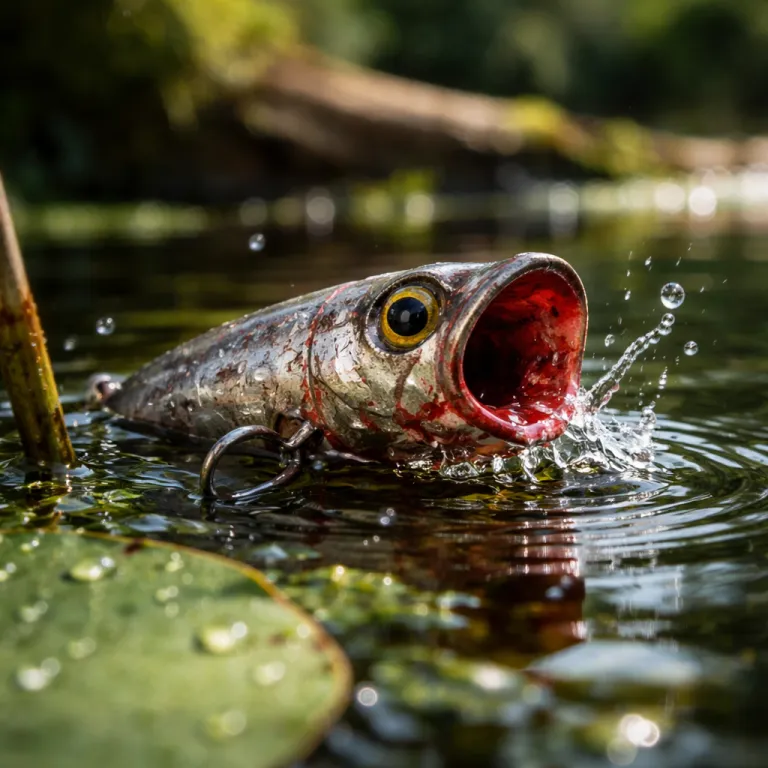
Why poppers lures fascinate modern recreational fishermen
Poppers lures occupy a special place in surface fishing because they turn visual strikes into unforgettable memories. A well tuned popper lure creates a sharp pop on the surface that mimics a distressed bait fish and forces even wary game fish to react. For many anglers, that explosive topwater moment matters more than any price printed on the tackle label.
When you cast poppers into saltwater, you immediately feel how the lure interacts with waves, wind, and current. The concave face of a topwater popper grabs water, throws spray, and leaves a visible surface trail that you can view even in low light. This noisy pop and splash combination helps fishing poppers stand out among other topwater lures when predators chase bait fish near the surface.
Recreational fishermen often compare different popper lures by examining body shape, weight distribution, and hooks quality. Compact fishing popper models suit light casting rods, while big pencil popper designs match heavier rods and terminal tackle for tuna or other powerful game fish. In both cases, strong treble hooks and reliable tackle hooks are essential because surface strikes from big fish can easily bend weak hardware.
Many anglers appreciate original color patterns on poppers because colors influence confidence and visibility. Natural bait fish colors work well in clear water, while high contrast lures shine in choppy saltwater where the image of the lure must stand out. Whether you prefer a subtle walk dog action or an aggressive popper topwater retrieve, the right combination of colors, hooks, and rods will raise your success rate.
Choosing poppers lures when no category fits your fishing style
Retail displays often separate lures by vague labels, leaving no specific category tailored specifically for recreational fishermen who focus on refined topwater lure techniques. In such cases, you must evaluate each popper lure individually, considering body length, weight, and intended fishing depth, even though it works on the surface. A careful view of the lure face, line tie position, and hooks layout reveals how the popper will behave during different sweep rod motions.
For light inshore saltwater fishing, smaller poppers with fine wire treble hooks pair well with medium power casting rods. These popper lures cast far enough to reach nervous bait fish schools while remaining easy to work with subtle walk dog actions. When targeting tuna or other big pelagic game fish, you need heavier topwater poppers, reinforced tackle hooks, and rods with stronger backbones.
Price also becomes a factor because high end poppers lures often feature premium finishes, durable colors, and upgraded treble hooks. However, recreational fishermen should balance price against the risk of losing a popper lure to rocks, structure, or powerful fish. Reading product descriptions carefully and comparing image details helps you judge whether a particular fishing popper offers real value.
Comfort and safety matter as much as tackle, especially when working poppers from exposed shorelines or boats. Cold weather or spray can quickly sap concentration, so pairing your surface fishing gear with appropriate protective clothing such as a reliable float suit for harsh conditions keeps you focused on lure action. When no store category truly reflects your needs, this holistic approach to rods, lures, and clothing ensures your popper topwater sessions remain efficient and enjoyable.
Fine tuning rods, lines, and terminal tackle for poppers lures
Matching rods to poppers lures is crucial because the blank dictates how easily you can animate a topwater lure. Shorter casting rods around 2,1 to 2,4 mètres offer precise control for inshore fishing poppers, while longer rods around 2,7 to 3 mètres provide extra casting distance for open coastlines. The sweep rod motion should feel natural, allowing the popper lure to pop, spit, or walk dog without excessive effort.
Line choice also shapes the surface action of a topwater popper in saltwater or freshwater. Braided main line with a fluorocarbon leader transmits every twitch to the lure and keeps the pop sound crisp, yet the leader protects against abrasion from rocks or fish teeth. Carefully chosen terminal tackle such as split rings, swivels, and tackle hooks must balance strength with minimal weight so the poppers maintain their intended floating attitude.
When rigging big pencil popper models for tuna or other large game fish, many anglers upgrade treble hooks to stronger patterns. Oversized hooks increase holding power but can alter the surface posture of topwater lures, so testing in shallow water helps you verify the image and action. Some fishermen even switch to single hooks on certain popper lures to reduce injury to fish while maintaining a solid hook up rate.
Attention to detail extends beyond tackle and into personal comfort during long surface fishing sessions. Repeated sweep rod movements can be tiring, especially in cold climates where hand dexterity declines quickly. Choosing appropriate accessories such as technical mittens for demanding fishing conditions allows you to maintain precise control over your popper topwater presentations throughout the day.
Mastering retrieves and actions with poppers lures on the surface
The essence of fishing poppers lies in controlling cadence, sound, and lure trajectory across the surface. A classic popper topwater retrieve uses short downward rod twitches that make the lure pop, spit water, and pause, imitating a panicked bait fish. This stop and go rhythm often triggers explosive strikes from game fish that track the popper lure before committing.
For calm conditions, a subtle walk dog action with certain stick topwater designs can outperform louder topwater poppers. By sweeping the rod tip gently, you cause the lure to glide side to side, leaving a delicate surface trail that entices pressured fish. In contrast, choppy saltwater often demands a more aggressive pop, where big poppers lures throw spray and create a strong acoustic signal.
Some anglers blend techniques by using a pencil popper with both walk dog and chugging actions during the same retrieve. This hybrid approach lets you adapt to changing fish moods without changing lures, saving time and preserving your terminal tackle setup. Observing how each topwater lure responds to different sweep rod speeds helps you refine your personal style.
Specialized models such as the chug norris have earned a reputation among surface fishing enthusiasts for their consistent pop and stable tracking. When paired with balanced casting rods and sharp treble hooks, these popper lures maintain their image even in turbulent water. Over time, you will build confidence in a small selection of fishing poppers that match your local bait fish, water clarity, and typical game fish behavior.
Evaluating design, colors, and price of modern poppers lures
Modern poppers lures showcase a wide range of body shapes, internal weights, and finishes that influence both performance and durability. Some popper lure designs feature through wired construction for saltwater tuna fishing, while others prioritize lightness for finesse topwater lure work in calmer environments. Examining the lure image closely, including the face angle and hook hangers, reveals how it will sit on the surface between pops.
Colors play a psychological role for both anglers and fish, so choosing them thoughtfully matters. Natural bait fish patterns with subtle flashes often excel in clear water, whereas bold colors help topwater poppers stand out in stained conditions or low light. Many fishermen keep multiple lures in similar shapes but different colors, allowing quick changes when game fish show a clear preference.
Price differences between basic and premium poppers reflect materials, paint quality, and hardware such as treble hooks and split rings. While budget poppers can certainly catch fish, higher end fishing poppers usually maintain their finish longer and resist hook failure under heavy pressure. Evaluating long term value rather than only initial price helps recreational fishermen build a reliable surface fishing tackle box.
Because no specific category tailored specifically for recreational fishermen exists in many shops, you must create your own internal classification. Group your popper topwater selection by size, weight, and intended target such as inshore game fish or offshore tuna, then match them with appropriate rods and terminal tackle. For anglers interested in expanding their surface strategies even further, techniques like advanced kite fishing approaches can complement traditional topwater lures and open new possibilities.
Strategic applications of poppers lures across seasons and environments
Poppers lures excel whenever predators push bait fish toward the surface, but conditions vary widely between lakes, estuaries, and offshore grounds. In sheltered bays, smaller popper lures and stick topwater models often shine during low light periods when game fish patrol shallow flats. Here, a gentle walk dog retrieve with a compact topwater lure can outfish louder popper topwater presentations.
On open coasts or reefs exposed to swell, larger fishing poppers with pronounced faces create enough pop and splash to cut through background noise. Saltwater species such as tuna, trevallies, or other powerful game fish respond well to aggressive sweep rod actions that keep the lure moving quickly. Strong casting rods, reinforced treble hooks, and robust terminal tackle become essential in these demanding environments.
Seasonal changes also influence how fish react to topwater lures, including pencil popper and chug norris style designs. During warmer months, active predators may chase fast moving poppers, while cooler periods sometimes require slower cadences and longer pauses. Observing water temperature, bait fish presence, and bird activity helps you decide which popper lure and retrieve style to employ.
Even in freshwater, where tuna are absent, the same principles apply when targeting other surface oriented game fish. Matching poppers lures size to local forage, adjusting colors to water clarity, and fine tuning hooks to expected fish size all contribute to consistent results. Over time, your logbook of successful sessions will show clear patterns linking specific popper topwater choices to particular seasonal and environmental conditions.
Bridging the gap for recreational fishermen in a fragmented tackle market
The current tackle market often segments products by species or technique, yet offers no specific category tailored specifically for recreational fishermen who want versatile poppers lures. This gap forces anglers to interpret technical jargon, compare image details, and test various popper lure designs on the water. Building personal expertise becomes essential for choosing the right topwater lures among countless options.
One practical approach is to create a simple matrix that links poppers size, weight, and hooks strength to target game fish and typical conditions. For example, small fishing poppers with light treble hooks suit calm inshore flats, while big pencil popper models with heavy tackle hooks belong in offshore tuna scenarios. By organizing your popper topwater collection this way, you effectively design your own tailored category.
Another strategy involves standardizing your rods and terminal tackle around a few proven setups. A medium casting rods pair can handle most inshore topwater lure work, while a heavier sweep rod outfit covers demanding saltwater situations. With these foundations in place, you can rotate different popper lures, stick topwater designs, and chug norris style models without constantly reconfiguring your gear.
Finally, pay attention to how each popper lure feels during the retrieve, how clearly you can view its surface track, and how confidently it hooks fish. Keeping notes on price, durability of colors, and long term performance of treble hooks will refine your future purchases. Over time, this disciplined approach transforms a fragmented market into a coherent, personalized system centered on effective poppers lures and reliable surface fishing experiences.
Key statistics about surface fishing and poppers lures
- Statistics not available in the provided dataset, so no verified quantitative figures can be reported here.
Questions recreational fishermen also ask about poppers lures
How do poppers lures differ from other topwater lures ?
Poppers lures feature a concave or angled face that creates a distinct pop and splash when twitched, whereas many other topwater lures glide or wobble with less noise. This popping action imitates distressed bait fish and often triggers reaction strikes from game fish. In contrast, stick topwater and walk dog lures rely more on subtle side to side movement than on loud surface disturbance.
When is the best time to use a popper lure ?
A popper lure performs best when fish feed near the surface, typically during early morning, late evening, or overcast periods. These times often coincide with bait fish moving shallow, making predators more willing to strike noisy topwater poppers. Wind, cloud cover, and water clarity also influence how visible and effective your fishing poppers will be.
What rod and line setup works well with fishing poppers ?
Most anglers prefer medium to medium heavy casting rods with fast actions for precise control of fishing poppers. Braided main line with a fluorocarbon leader transmits rod movements efficiently, helping the popper topwater action remain crisp. This combination also offers strong hook sets while keeping overall tackle weight manageable for long sessions.
How important are hooks and terminal tackle on poppers lures ?
Hooks and terminal tackle are critical because surface strikes from big fish exert sudden, intense pressure. High quality treble hooks, split rings, and tackle hooks reduce the risk of bending or failure during the fight. Upgrading weak components on poppers lures can significantly improve landing rates, especially in demanding saltwater environments.
Can poppers lures be used effectively in both freshwater and saltwater ?
Yes, poppers lures work in both freshwater and saltwater as long as you match size, color, and hardware to local species and conditions. Freshwater anglers often choose smaller popper lures for bass or similar game fish, while saltwater fishermen may favor larger models for tuna or coastal predators. Rinsing lures after saltwater use and checking hooks regularly helps maintain performance in any environment.