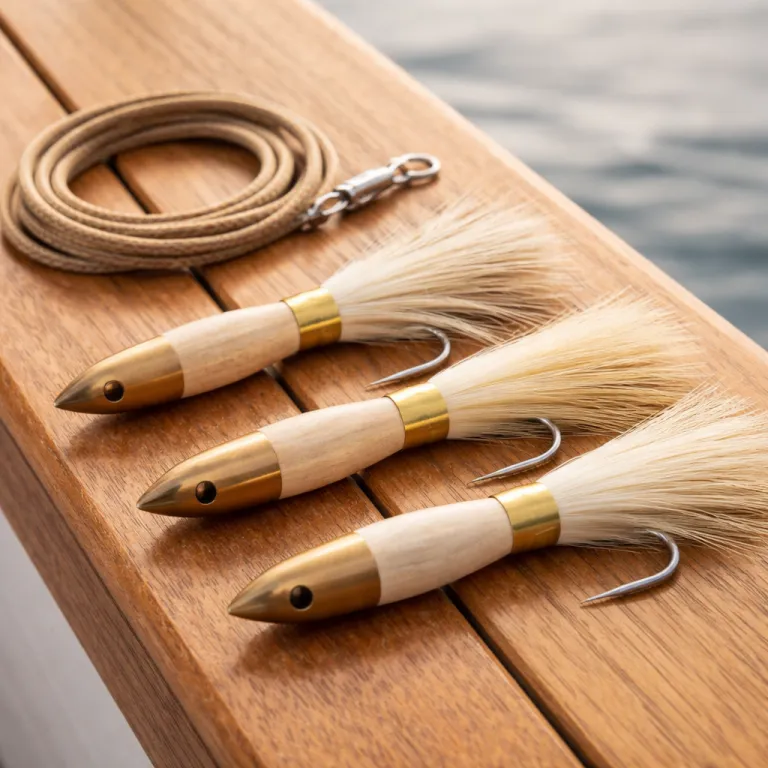
Understanding wahoo behavior and what it means for lure choice
Wahoo are built for speed and aggression, so every lure choice must respect that power. When anglers select wahoo fishing lures without considering current, light, and bait presence, the regular approach often fails and leaves long barren trolling passes. Matching lure color, size, and trolling speed to the wahoo feeding window is the foundation of any serious bluewater strategy.
These fish frequently strike at extremely high speed, which makes lure stability and rigged stainless hardware absolutely essential for safety and hook retention. A wahoo lure that tracks straight at 12 to 18 knots, with stainless cable or cable stainless leaders, will outfish a pretty skirt that blows out of the wake at the first turn. Thinking in terms of unit performance rather than individual aesthetics helps anglers compare each trolling lure on objective criteria.
Experienced crews treat wahoo trolling as a disciplined system, not a casual extension of tuna or mahi tactics. They evaluate each lure regular pattern by depth, distance, and color, then adjust the spread when one position consistently produces more strikes at a given speed wahoo pass. Over time, this method reveals which wahoo lures justify their higher price and which belong in the bargain bin despite an attractive sale price.
Because wahoo often slash at the back of a lure, heavy duty hooks and crimped stainless cable connections are non negotiable. A single weak unit price saving on terminal tackle can cost the fish of a lifetime, especially when multiple lures are running at high speed in rough seas. Treat every wahoo trolling strike as a destructive test of your entire system, from lure head to reel seat.
Comparing colors, skirt patterns, and how they affect strike rates
Color selection for wahoo fishing lures is not about fashion; it is about visibility and contrast at depth. In clear blue water, a blue and white trolling lure often mimics flying fish, while a green and yellow pattern can imitate small tuna or other pelagic bait. Many crews keep a pack regular of proven color combinations ready so they can rotate quickly as light conditions change.
Hot pink and orange skirts have earned a reputation as hot producers when wahoo are feeding aggressively near the surface. A single hot pink wahoo lure in the spread can sometimes outfish more natural tones, especially when run at high speed over structure that concentrates bait. For this reason, serious anglers rarely leave the dock without multiple hot pink trolling lures rigged and ready in a waterproof pack.
Red and black, or red and purple, remain classic wahoo lures because they create a strong silhouette in low light. A red trolling lure pulled deep on a planer or downrigger can stand out where blue and green options fade into the background. Many crews run a mixed color pack with red, blue, green, orange, and pink so they can track which color produces best at each regular time of day.
When evaluating price versus performance, it is wise to compare how many strikes each color earns per unit of trolling time. A lure regular in the spread that rarely gets bit may look beautiful but offers poor value, even at a tempting price sale. Conversely, a more expensive wahoo lure with a higher unit price can be a bargain if its sale price still reflects a strong catch rate over many trips.
Rigging, stainless components, and why heavy duty matters for wahoo
Rigging is where many otherwise excellent wahoo fishing lures fail under real world pressure. Wahoo teeth slice through light mono instantly, so stainless cable or cable stainless leaders are the standard for any serious wahoo trolling program. A properly rigged stainless leader should be crimped cleanly, with no sharp edges that could damage skirts or cut hands during a fast gaff shot.
Heavy duty hooks, swivels, and thimbles add a little extra unit price to each lure, but they dramatically reduce tackle failure when a big wahoo hits at high speed. Many crews prefer double hook rigs in their wahoo lures, especially when running long skirted trolling lures that can fold during a strike. The small increase in price per unit is quickly repaid when more fish stay connected through violent head shakes.
Some anglers favor phantom style heads or weighted trolling lure designs that track deeper and straighter at speed wahoo passes. These heads, combined with rigged stainless cable, help maintain a consistent swimming action even when the boat turns or crosses confused seas. When comparing regular price and sale price options, it is important to check whether the rigging uses genuine stainless cable or cheaper substitutes.
Retail labels such as price regular, regular price, sale price, and price sale can be confusing when different shops bundle lures and rigging differently. A pack regular that includes fully rigged stainless leaders may carry a higher price unit, but the true unit price can be lower than buying lure heads and cable stainless separately. Careful anglers calculate the real price per trolling lure, including hooks and leaders, before deciding which wahoo lure pack offers the best long term value.
Balancing speed, spread design, and lure placement for wahoo
Speed is the defining variable in any wahoo fishing lures strategy, because these predators respond aggressively to fast moving targets. Many crews run a dedicated high speed spread between 10 and 18 knots, using heavy duty trolling lures that stay in the water instead of skipping. The goal is to trigger reaction strikes from wahoo that might ignore slower presentations aimed at tuna or billfish.
A typical speed wahoo spread might include a mix of phantom heads, bullet heads, and weighted trolling lure designs staggered at different distances. Short positions often carry larger wahoo lures in darker color combinations like red and black, while longer positions feature blue, green, or hot pink patterns. This arrangement lets anglers test which color and position combination produces best at a given high speed.
When wahoo trolling over ledges or seamounts, many skippers add planers or downriggers to run one or two lures deeper. A deep wahoo lure in green or blue can be deadly when surface temperatures are hot and fish hold below the thermocline. Rotating lures between deep and surface positions also helps identify whether color or depth is driving the bite during a regular tide cycle.
Spread design should also consider crew workload and safety, especially when multiple heavy duty rods are deployed at once. Each trolling lure acts as a separate unit in the system, and clearing a full pack of lines after a double hookup demands coordination. For anglers planning special trips, pairing this technical approach with thoughtful travel preparation and family friendly gear ideas can be supported by resources such as a detailed guide on how to plan the perfect fishing trip for Father’s Day.
Evaluating price, value, and the lack of tailored categories for anglers
Recreational anglers shopping for wahoo fishing lures often face a confusing retail landscape with no specific category tailored to their needs. Many online stores mix wahoo lures with generic trolling lures, making it hard to compare unit price, rigging quality, and intended speed range. This lack of clear segmentation forces fishermen to rely on personal experience and peer recommendations rather than structured product information.
Labels such as regular price, price regular, sale price, and price sale rarely explain whether a trolling lure is optimized for high speed wahoo trolling or slower tuna passes. A pack regular might include several colors like blue, green, orange, red, and hot pink, but the description may not specify which are proven wahoo lure patterns. Savvy buyers look beyond headline price and examine details like rigged stainless leaders, heavy duty hooks, and stainless cable ratings.
Calculating true price unit or unit price requires including all components needed to fish effectively, not just the bare lure head. A seemingly cheap lure regular offering can become expensive once you add cable stainless, crimps, and replacement skirts after a few fish. Conversely, a premium wahoo lure pack with a higher initial price can deliver better long term value if it survives repeated high speed strikes.
Anglers seeking trustworthy product insights increasingly turn to specialized fishing media that apply rigorous testing standards. Detailed field reports, such as those that might accompany a regional offshore update like a Fort Lauderdale fishing report, help contextualize how specific wahoo fishing lures perform in real conditions. In a broader lifestyle sense, even apparel choices highlighted in features about the appeal of the Gulf of America hat for anglers reflect the same demand for gear that is genuinely designed around recreational fishermen rather than generic marine consumers.
Color packs, cross species versatility, and practical tackle management
Many recreational crews want wahoo fishing lures that can also tempt tuna and other pelagics, because storage space on small boats is limited. A well chosen pack regular of trolling lures in blue, green, orange, red, and hot pink can cover most offshore scenarios with minimal redundancy. By tracking which color and size combinations draw both wahoo and tuna strikes, anglers can refine their spread without constantly chasing the latest phantom marketing trend.
Some wahoo lures are explicitly marketed as speed wahoo specialists, while others are promoted as versatile trolling lure options for mixed species. When evaluating these claims, it is important to consider whether the rigged stainless hardware and stainless cable leaders are genuinely heavy duty enough for repeated high speed passes. A lure that works at moderate speed for tuna may blow out or fail when pushed into the upper range of wahoo trolling.
Organizing lures by color and function rather than brand alone helps anglers make better on water decisions. Keeping separate boxes for high speed wahoo lure options and more regular trolling lures for tuna or mahi reduces confusion during fast bite windows. Within each box, labeling sleeves with unit price or price unit information can also help track which investments are delivering the best return over time.
Because there is still no widely adopted retail category dedicated solely to recreational wahoo anglers, personal record keeping becomes a powerful tool. Noting which lure regular combinations of color, speed, and rigging produce fish on each trip builds a private database more reliable than generic marketing claims. Over seasons, this disciplined approach reveals which wahoo fishing lures truly justify their regular price and which are only worth considering when a deep sale price appears.
High speed safety, gear durability, and long term investment thinking
Running wahoo fishing lures at high speed places unusual stress on every component of the system, from rod holders to crimps. Heavy duty rods, reels, and gimbals are not luxuries but essential safety gear when multiple trolling lures are pulling hard in rough seas. A single failure at the wrong moment can injure crew, damage the boat, or send an expensive wahoo lure to the bottom.
Stainless cable or cable stainless leaders reduce the risk of bite offs, but they also demand careful handling to avoid kinks and fatigue. Many crews inspect each rigged stainless connection after every trip, replacing any component that shows corrosion or deformation. This proactive maintenance may slightly increase effective unit price over time, yet it preserves the integrity of the entire pack of wahoo lures.
Thinking in terms of lifecycle cost rather than sticker price helps anglers make smarter purchasing decisions. A trolling lure with a higher regular price but proven durability can be cheaper per fish landed than a budget option that fails after a few strikes. When sale price or price sale promotions appear, experienced fishermen stock up on their most trusted wahoo lure patterns instead of experimenting blindly.
Because recreational anglers lack a dedicated retail category that clearly separates professional grade wahoo trolling gear from entry level products, they must rely on methodical evaluation. Tracking how each lure regular performs at different speed wahoo settings, in various blue, green, orange, red, and hot pink color schemes, builds confidence grounded in real results. Over time, this disciplined approach turns a scattered tackle collection into a coherent, high performing system of wahoo fishing lures that reflects true expertise rather than impulse buying.
Key statistics about wahoo trolling and lure performance
- Offshore crews commonly troll wahoo fishing lures between 10 and 18 knots, with many strikes occurring at the upper end of this high speed range.
- Anglers often run 5 to 7 trolling lures simultaneously in a spread, mixing surface and deep positions to cover multiple strike zones.
- Color tests in clear blue water frequently show blue, green, and hot pink patterns accounting for more than half of recorded wahoo strikes.
- Field observations indicate that stainless cable leaders significantly reduce bite off incidents compared with heavy monofilament when targeting wahoo.
- Long term tackle logs from experienced crews suggest that premium heavy duty wahoo lures can remain in service for dozens of fish before requiring major refurbishment.
Common questions about wahoo fishing lures
What trolling speed works best for wahoo fishing lures ?
Most anglers find that wahoo respond best to trolling speeds between 10 and 18 knots, depending on sea conditions and lure design. High speed presentations trigger reaction strikes, so lures must be stable and properly weighted to track straight. It is wise to test small speed changes in 1 knot increments until a clear pattern of strikes emerges.
Which colors are most effective for wahoo lures ?
In clear blue water, blue and white or blue and silver patterns are consistent producers, especially on bright days. Green, orange, red, and hot pink skirts often excel when light levels change or when fish are feeding aggressively near the surface. Running a mixed color spread allows anglers to identify the day’s preference and then double up on the most productive shades.
Do I really need stainless cable leaders for wahoo trolling ?
Wahoo have extremely sharp teeth that can cut heavy monofilament in an instant, particularly at high speed. Stainless cable or cable stainless leaders provide far better resistance to bite offs and abrasion around the mouth. For safety and reliability, most experienced crews consider stainless leaders mandatory for serious wahoo trolling.
How many lures should I run when targeting wahoo ?
Boat size, crew experience, and sea conditions all influence how many wahoo fishing lures can be managed safely. Many recreational crews run between 4 and 6 trolling lures, combining surface and deep positions to cover different depths. It is better to run a slightly smaller, well managed spread than to overload the cockpit with more lines than the crew can handle.
Are high priced wahoo lures always better than cheaper options ?
Higher price often reflects better materials, heavier duty hardware, and more refined designs, but not every expensive lure outperforms mid range alternatives. The key is to evaluate cost per fish landed and durability over multiple seasons rather than focusing only on regular price or sale price. Careful record keeping helps identify which specific models deliver genuine long term value in your local conditions.