Comparing drag systems, frames, and line counters on modern trolling reels
To separate average products from the best trolling reels, you need to look beyond cosmetics and marketing claims. The drag system, frame material, and line counter design all influence how a trolling reel behaves when a heavy fish surges deep. A reel that feels smooth in the shop can reveal weaknesses after a couple years of hard trolling on big lakes or coastal grounds.
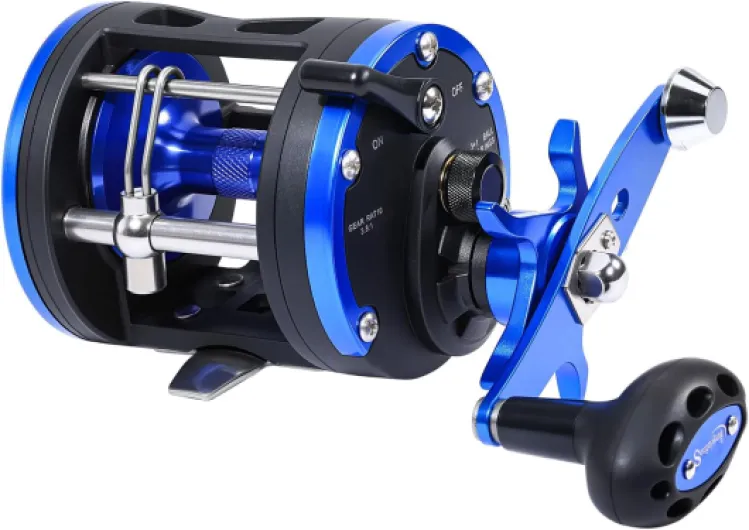
Drag performance is central, because trolling reels spend long periods under steady load rather than short bursts. Many anglers prefer carbon drag stacks in reels shimano, penn squall, and okuma coldwaters models, because they resist heat and stay consistent across a wide range of settings. When you test fishing reels in person, set the drag low, medium, and high, then pull line steadily to feel whether the drag remains even or pulses under pressure.
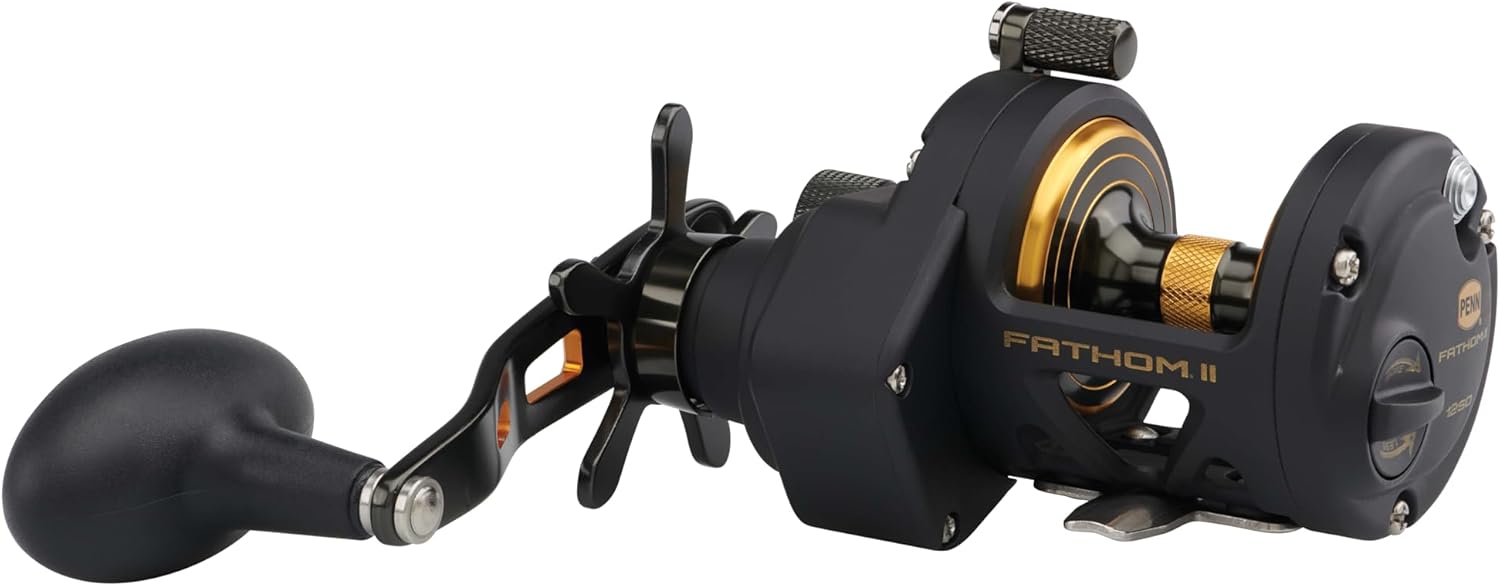
Frame construction also separates the best trolling designs from entry level reels trolling options. Metal frames in shimano tekota, daiwa sealine, and some penn trolling reels keep gears aligned under heavy drag, which protects both the reel and your line. Graphite frames can be lighter and lower in price, but they may flex more when you push the drag system toward its upper range.
Line counters and years counters have become almost standard on many trolling reel models aimed at the great lakes and deep reservoirs. A reliable counter helps you repeat productive depths, especially when paired with refined bottom control techniques explained in this guide to mastering bottom bounce for walleye. When you evaluate counters on trolling reels, check visibility, reset ergonomics, and how well they hold calibration after years of vibration and cold water exposure.
Brand by brand analysis of leading trolling reels for different waters
Anglers searching for the best trolling reels quickly encounter a familiar group of brands, each with its own strengths. Penn has long been associated with saltwater trolling, while shimano, daiwa sealine, and okuma compete strongly in both freshwater and marine environments. Within each brand, you will find a wide range of trolling reel options that vary in drag capacity, frame material, and price.
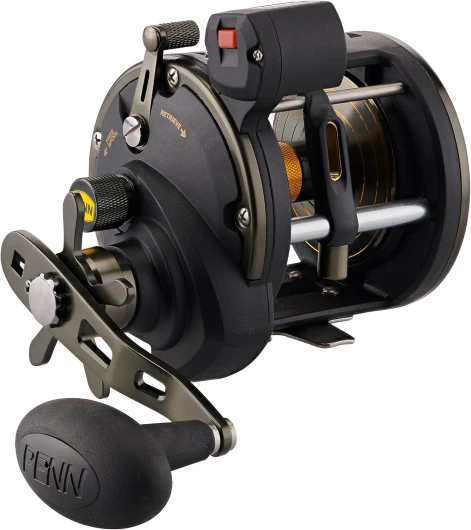
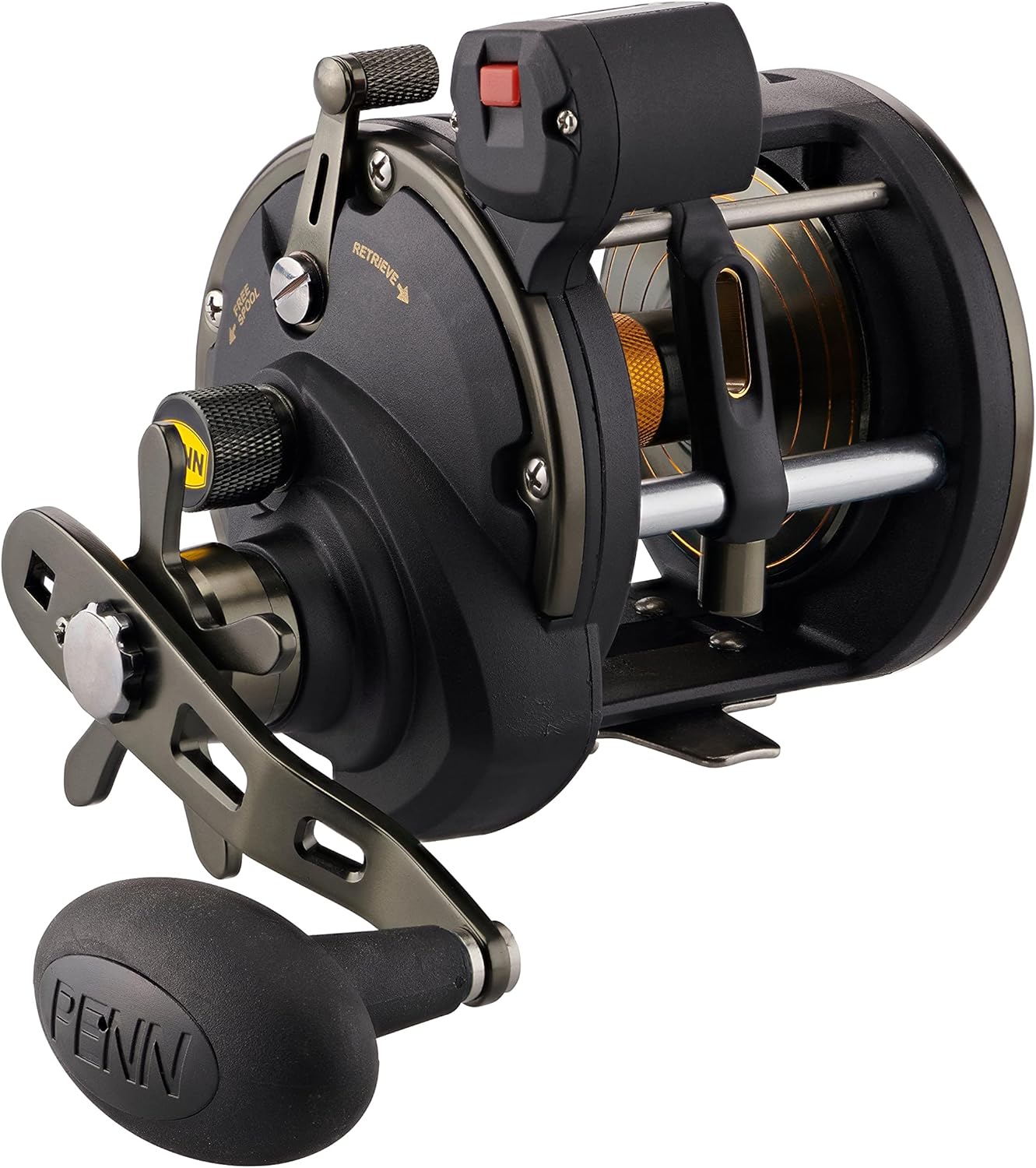
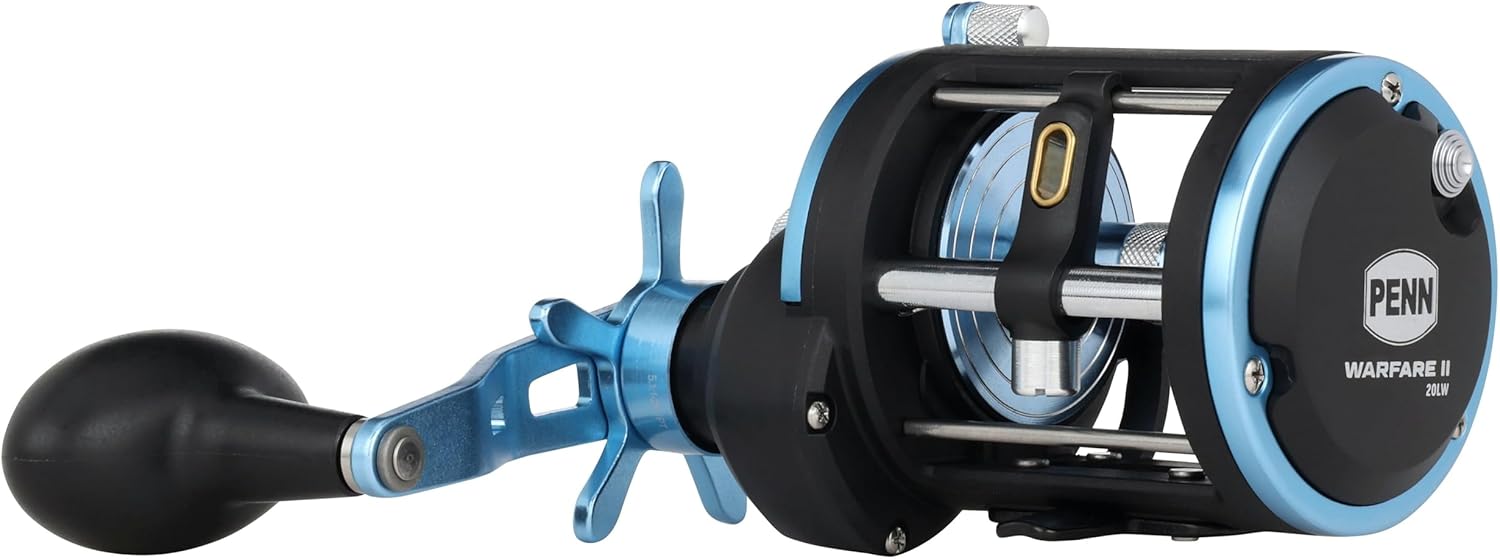
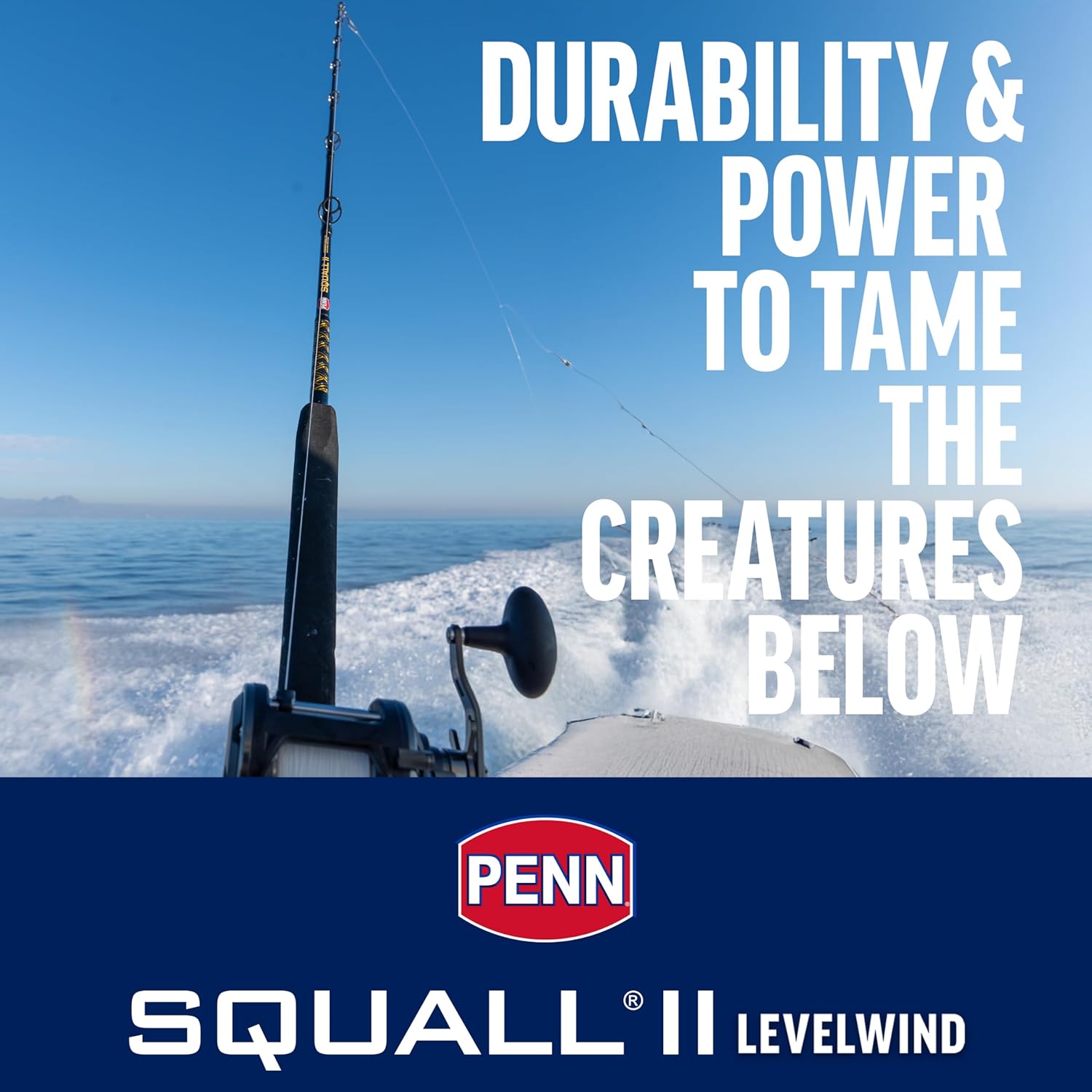
The penn squall series targets saltwater trolling anglers who need corrosion resistance and strong drag systems at a reasonable price. Many recreational fishermen report that a penn squall reel remains smooth after a couple years of weekend use, even when exposed to spray and cold waters. For anglers who split time between the great lakes and coastal trolling, a penn trolling reel can serve as a versatile workhorse that handles both salmon and inshore species.
Shimano tekota reels have earned a strong rating among great lakes anglers who troll for salmon, trout, and walleye. The reels tekota lineup combines compact frames, precise line counters, and smooth drag systems that protect lighter leaders during long runs. Many fishermen keep several reels shimano tekota models rigged with different line types, which allows quick changes when fish move higher or lower in the water column.
Okuma cold and okuma coldwaters reels focus heavily on value while still offering features demanded by serious trolling enthusiasts. These fishing reels often include line counters, corrosion resistant components, and drags tuned for steady pressure rather than short bursts. When paired with modern flashers and attractors, as explained in this article on choosing the right fishing flasher for trolling success, an okuma coldwaters reel can anchor a highly effective great lakes trolling spread.
Matching trolling reels to techniques, species, and the great lakes environment
Selecting the best trolling reels is not only about brand names ; it is about matching reel characteristics to your techniques and target species. On the great lakes, anglers often run mixed spreads that include deep diving crankbaits, lead core lines, and downrigger presentations. Each method places different demands on a trolling reel, from drag smoothness to spool capacity and counter accuracy.
For deep presentations with heavy weights or large flashers, a trolling reel with a robust drag system and metal frame is essential. Reels shimano tekota, daiwa sealine, and some penn squall models excel here, because they maintain gear alignment and drag consistency under sustained load. When you run long lines behind planer boards, a reliable counter on your trolling reels helps you repeat productive distances and keep spreads organized.
In contrast, lighter trolling for walleye or smaller trout may prioritize finesse over brute strength. Many anglers choose okuma cold or okuma coldwaters reels for these applications, because they offer adequate drag and counters at an accessible price. Over a couple years of seasonal use, these fishing reels often prove that thoughtful engineering can deliver reliable performance without premium pricing.
Cold water conditions on the great lakes introduce additional challenges for any trolling reel, especially in early spring and late autumn. Lubricants thicken, line becomes stiffer, and counters can fog or become harder to read in cold waters. When evaluating the best trolling options for these environments, look for reels trolling designs with sealed drags, corrosion resistant components, and ergonomics that remain comfortable when you wear gloves.
Evaluating value, ratings, and long term reliability in the reels market
Anglers who invest in the best trolling reels rarely base their decisions on price alone. Instead, they weigh long term reliability, user rating trends, and how well a trolling reel fits their existing rods and techniques. A reel that feels perfect in the shop may reveal weaknesses only after several years of real fishing.
Online ratings can provide useful signals, but they should be interpreted carefully and combined with hands on inspection. Look for patterns in comments about drag system durability, counter accuracy, and how reels shimano, penn, or okuma models hold up after a couple years. When many anglers mention that they still love a particular trolling reel after long use, that consistency carries more weight than a single glowing review posted after one trip.
Value also depends on how a reel integrates into your broader fishing setup, from rods to storage and even your digital cart habits. Some anglers prefer to standardize on one or two trolling reels families, such as shimano tekota or okuma coldwaters, to simplify maintenance and spare parts. Others mix penn squall and daiwa sealine reels to cover both saltwater trolling and great lakes applications within a single gear range.
When comparing price brackets in the reels market, consider the cost per season rather than the initial figure. A mid priced trolling reel that performs flawlessly for many years often delivers better value than a cheaper model that needs replacement after a short period. For additional gear ideas that complement a refined trolling setup, you can explore this guide to thoughtful fishing gifts for dedicated anglers, which highlights accessories that enhance time on the water.
Practical buying checklist for selecting the best trolling reels
Before adding any trolling reel to your cart, it helps to run through a structured checklist. Start with capacity, ensuring the spool holds enough line for your preferred trolling distances and depths. Then evaluate the drag system, frame material, and handle ergonomics, because these elements define how the reel feels during long days on the water.
Drag evaluation should include both maximum pressure and low end finesse, especially if you fish with lighter leaders. Test how smoothly the drag starts, whether it remains consistent across the range, and how it behaves after repeated pulls that simulate long runs. Many anglers find that reels shimano tekota, okuma cold, and penn squall models offer a reassuring blend of power and smoothness for both great lakes and saltwater trolling.
Line counters and years counters deserve close attention, because they directly influence your ability to repeat productive presentations. Check that the counter window is easy to read in bright sun and low light, and that the reset button is protected from accidental bumps. On some trolling reels, especially older designs, counters can drift over years of use, so it is wise to verify accuracy against measured distances.
Finally, consider how each trolling reel fits into your broader fishing strategy, including species, waters, and future plans. If you expect to expand into saltwater trolling, choosing reels trolling models with stronger frames and corrosion resistance now can save money later. By balancing price, rating trends, and your own hands on impressions, you can confidently select the best trolling reels for many seasons of reliable fishing enjoyment.
Questions recreational anglers often ask about the best trolling reels
No faq_people_also_ask data was provided in the dataset, so detailed FAQs from that source cannot be included without speculation. However, anglers typically focus on drag reliability, line counter accuracy, brand differences, maintenance routines, and how to match trolling reels to specific species and waters. For precise, data backed answers, consult up to date manufacturer documentation and independent laboratory tests where available.