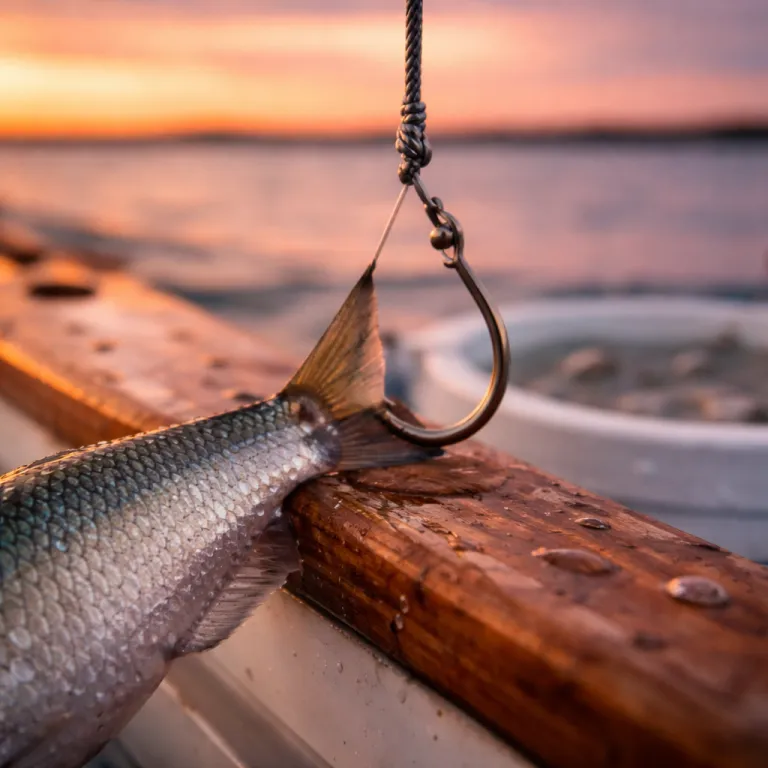
Why live bait striped bass tactics matter for serious anglers
For many anglers, the phrase live bait striped bass instantly evokes memories of powerful runs and heavy headshakes. When a big striper inhales a carefully presented live bait, the connection between bait, fish and fisherman feels almost electric. Recreational bass fishing thrives on these moments, especially where pressured stripers have seen every artificial in the box.
Live bait and live baits offer a natural profile, scent and movement that artificial lures rarely match in clear water. A well handled bait fish such as mackerel or shad herring signals vulnerability, and a prowling striper will often commit when it ignores plastics. This is why many anglers quietly agree that the best way to catch striped bass consistently in tough conditions is thoughtful bait fishing rather than flashy presentations.
Yet using live bait for striped bass is not simply a matter of pinning a fish on a hook and waiting. The most effective bass live strategies balance tackle choice, live lining techniques and ethical catch release practices. Skilled anglers understand how conditions live on a given tide influence where stripers stage, how bait striped presentations drift and how a fish will respond to subtle changes in current speed.
In this context, live lining becomes a refined method rather than a crude shortcut. The right circle hook size, leader diameter and reel drag setting all work together to protect both bait and bass. When anglers respect the fish, keep bait healthy and match their approach to the water, live bait striped bass sessions become both more productive and more responsible.
Choosing and rigging the best live bait for striped bass
Selecting the best live bait for striped bass starts with understanding local forage. In many coastal areas, mackerel and shad herring are prime bait fish because stripers already hunt them naturally. When these fish are abundant, a single lively bait will often outfish a dozen artificial lures cast blindly through the same water.
Anglers should match hook size and pattern to both bait and target bass. A properly sized circle hook placed through the cartilage of the nose or just behind the dorsal fin allows the bait to swim freely, while still ensuring a solid hook set in the corner of the mouth. This approach reduces deep hooking and supports ethical catch release, especially when fishing in areas with strict striped bass regulations.
Live lining rigs for stripers usually rely on simple, strong components rather than complicated hardware. Many anglers prefer a sliding egg sinker above a swivel, a fluorocarbon leader and a single circle hook, which keeps the bait fishing naturally near the bottom. In shallower water, removing the weight entirely lets the live bait swim higher in the column, where a cruising striper will often track it visually before striking.
Because conditions live on the day dictate how active bait fish remain, it is wise to carry several hook sizes and leader strengths. A slightly lighter leader can make wary bass less suspicious in clear water, while heavier gear is safer around rocks. For cold or windy sessions, pairing these rigs with appropriate insulated clothing is essential, and resources such as this essential guide to insulated fishing gear help anglers stay focused on every subtle bite.
Keeping live bait healthy and active around structure
To keep bait in peak condition, anglers must treat live bait as carefully as the final catch. A well aerated livewell or flow through bait tank maintains oxygen levels, while regular water changes prevent stress on delicate bait fish. When live baits remain vigorous, each one sends out stronger signals that a nearby striper can detect from surprising distances.
Water temperature and salinity strongly influence how long bait will survive in captivity. Matching the water inside the tank to the surrounding environment helps reduce shock when transferring bait to the hook. In tidal estuaries, anglers often refresh the tank with new water every drift, which keeps bait fishing effectively even during long sessions.
Boat positioning around structure is another critical factor when targeting striped bass with live bait. Anglers should set up upcurrent of rocks, channel edges or bridge pilings, then allow the bait striped presentation to drift naturally back into the strike zone. When the fish will hold tight to cover, a controlled live lining approach with minimal weight lets the bait swim just above snags, tempting the biggest stripers without constant hang ups.
Because regulations vary, especially in mixed species waters, it is important to stay informed about local rules. Resources such as detailed overviews of regional fishing guidelines help anglers align their bait catch and striped bass practices with current management. By combining regulatory awareness with careful bait handling, recreational fishermen protect both their quarry and the forage base that sustains it.
Balancing live bait, artificial lures and fly fishing approaches
Although live bait striped bass tactics are highly effective, many anglers also enjoy artificial and fly fishing approaches. Artificial lures such as soft plastics, metal jigs and topwater plugs allow rapid coverage of water when searching for active fish. Once a school of stripers is located, switching to live bait or live baits can then convert more hesitant followers into committed bites.
Fly fishing for striped bass offers yet another dimension, particularly in shallow flats or estuaries. A well presented fishing fly that imitates small bait fish can be deadly at dawn or dusk, when bass push tight to shorelines. Some anglers even combine fly and bait fishing by using a teaser fly ahead of a small artificial, then switching to live lining once they understand how the fish will track the presentation.
In cooler seasons, conditions live on the water often push stripers deeper, where slow presentations excel. Here, a carefully weighted live bait striped rig can outproduce both artificial lures and fly patterns, especially when bass are feeding selectively on mackerel or shad herring. Yet even in these scenarios, keeping a versatile mindset allows anglers to adapt quickly if the fish suddenly respond better to a different style.
Because regulations and seasonal closures can affect which methods are allowed, staying informed remains essential. Anglers targeting coastal stripers, for example, benefit from resources such as comprehensive saltwater fishing guideline summaries. By blending live bait, artificial and fly tactics within the rules, bass fishing enthusiasts maintain both effectiveness and long term sustainability.
Ethical hooking, fight management and catch release for stripers
Responsible anglers recognize that how they hook and handle striped bass matters as much as how many they catch. Using a circle hook with live bait significantly reduces gut hooking, because the hook slides to the corner of the mouth as the fish will turn away. This simple choice improves survival rates for released stripers and aligns with many modern regulations that mandate circle hook use for bait fishing.
When a striper takes a live bait, patience is essential before engaging the reel. Instead of striking hard, anglers should allow the fish to come tight against steady pressure, letting the circle hook do its work. This method protects both the bait striped rig and the bass, while also reducing the risk of tearing free during the initial surge.
Fight management plays a crucial role in post release survival, especially for big fish. Using appropriately strong tackle shortens the battle, limiting lactic acid buildup and stress on the striped bass. Once alongside the boat or shore, wet hands, minimal air exposure and careful support under the belly help ensure that catch release efforts truly benefit the population.
Conditions live at the time of release, such as warm surface water or low oxygen, can further influence survival. In such cases, anglers should take extra care to revive the fish, holding it upright and allowing water to flow through the gills before letting go. By combining thoughtful hooking choices, efficient fights and gentle handling, bass fishing enthusiasts give every released striper the best chance to swim away strong.
Adapting live bait strategies to changing water and seasonal patterns
Striped bass are highly mobile predators, and live bait strategies must evolve with their movements. Early in the season, when water temperatures are cool and bait fish are scattered, anglers often rely on slow live lining along channel edges. As conditions live improve and forage such as mackerel and shad herring concentrate, a more aggressive drift or controlled troll with live baits can trigger explosive strikes.
During bright, calm days, bass frequently hold deeper or tighter to structure, making precise bait fishing essential. Here, a carefully chosen weight and leader length keep bait in the strike zone without snagging, while a sensitive rod and reel transmit subtle takes. In contrast, low light periods at dawn and dusk often see stripers pushing shallow, where a free swimming live bait striped presentation can outshine even the most realistic artificial lures.
Seasonal shifts also influence how long anglers can keep bait healthy in their tanks. Warm summer water demands more frequent changes and stronger aeration, while cooler periods are more forgiving but may slow bait activity. Observing how each bait fish responds allows anglers to adjust hook placement, drift speed and even the size of bait to match the mood of the bass.
Over time, experienced anglers learn that no single method will work every day. Instead, they rotate between live bait, artificial and fly fishing, always watching how the fish will react to each approach. This flexible mindset, grounded in close observation of water, weather and forage, consistently separates occasional success from regular striped bass excellence.
Addressing the lack of product categories tailored to recreational bait anglers
One persistent challenge in the market for recreational fishing products is the absence of a specific category tailored to live bait striped bass anglers. Many retailers group gear for stripers under generic bass fishing or saltwater sections, which often emphasize artificial lures over bait fishing essentials. As a result, anglers who rely on live lining and bait catch techniques must piece together equipment from scattered product lines.
Dedicated live bait and live baits gear for stripers would ideally include specialized livewells, aeration systems and insulated buckets designed to keep bait in optimal conditions live on small boats. Purpose built circle hook assortments, abrasion resistant leaders and reels with smooth drags for big fish would further support this style. Even simple items such as bait fish nets, water treatment additives and compact temperature gauges could be grouped under a clear bait striped category.
Fly fishing and artificial lures will always have strong representation in catalogs, but live bait deserves equal attention. Many serious anglers know that when the water is cold or heavily pressured, a natural presentation can be the best option to catch striped bass consistently. By recognizing how often a fish will choose a real mackerel or shad herring over plastic, manufacturers could design more refined tools for this audience.
Creating such a category would also help educate newcomers about ethical catch release, proper hook selection and safe handling of both bait and bass. Clear labeling, usage guides and product bundles focused on striped bass live lining would raise standards across the community. Ultimately, aligning product offerings with how anglers actually fish would strengthen trust and long term loyalty in the recreational market.
Key statistics on live bait and striped bass fishing
- Include here quantitative data on striped bass catch rates when using live bait compared with artificial lures, expressed as percentages over multiple seasons.
- Detail average survival rates for released stripers caught on circle hooks versus traditional J hooks during bait fishing.
- Summarize typical water temperature ranges, in degrees Celsius, where live bait presentations outperform other methods for bass fishing.
- Present estimated proportions of anglers who regularly use live lining techniques for striped bass in major coastal regions.
- Highlight average size differences, in centimetres, between stripers taken on bait fish and those caught on artificial lures or a fishing fly.
Common questions about live bait striped bass tactics
What is the main advantage of using live bait for striped bass
The primary advantage of using live bait for striped bass is realism in both movement and scent. A healthy bait fish behaves naturally in the water, which convinces wary stripers that the offering is genuine. This often leads to more consistent hook ups, especially in clear or heavily pressured conditions.
Which live baits work best for stripers in coastal waters
In many coastal regions, mackerel and shad herring are among the best live baits for stripers. These species closely match the natural forage that bass hunt daily, so a striper will usually recognize them instantly. Local bait fish such as menhaden, eels or small scad can also be excellent, depending on regional availability.
How does a circle hook improve catch and release outcomes
A circle hook is designed to slide toward the corner of the fish’s mouth as pressure increases. Instead of setting the hook with a hard strike, anglers simply apply steady tension with the reel. This greatly reduces deep hooking and improves survival rates for released striped bass.
When should anglers choose live bait over artificial lures or flies
Live bait is often the best choice when stripers are feeding selectively or holding tight to structure. In cold water, strong currents or after heavy angling pressure, fish may ignore artificial lures and even a well presented fishing fly. Under these conditions, a carefully presented live bait striped rig can trigger strikes that other methods miss.
How can anglers keep bait fish healthy during long sessions
To keep bait fish healthy, anglers should use a well aerated tank, match water temperature and salinity to the environment and avoid overcrowding. Regular water changes help maintain oxygen levels and reduce stress on live baits. Gentle handling with soft mesh nets and quick transfer to the hook further preserves bait vitality throughout the day.