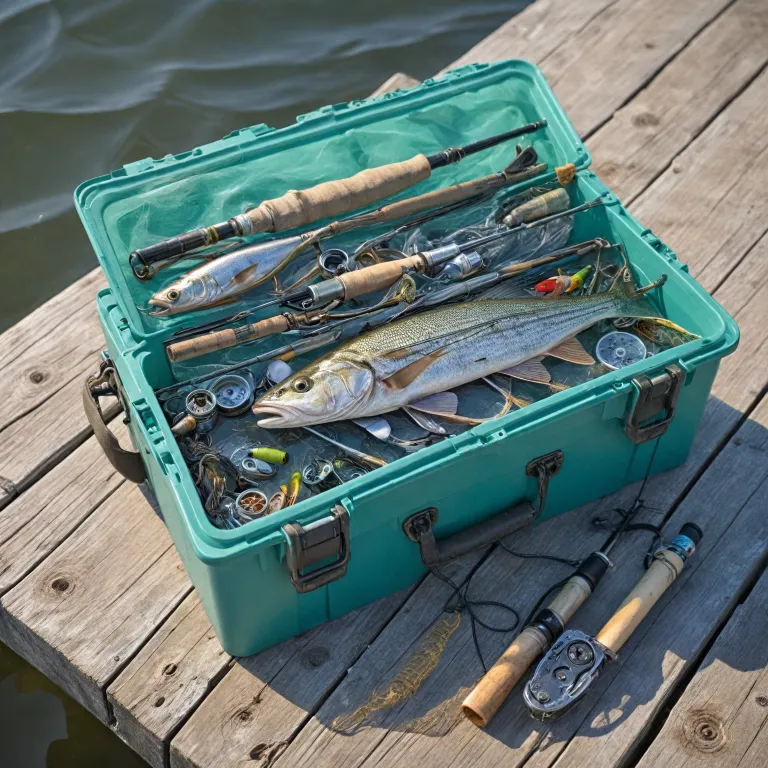
Understanding snook behaviour and matching essential fishing equipment
Snook are ambush predators, and your snook fishing equipment must respect that instinct. When you plan any fishing session for this fish, you need to think about current, structure, and water clarity to choose the right rod, reel, and lines. Serious anglers who focus on snook fishing quickly learn that the best gear choices change with water temperature, tide movement, and light levels around sunrise or under a strong sun.
In many coastal areas of Florida, regulations on regular slot size for snook shape which fishing lures and live bait you carry. A medium heavy spinning rod paired with a smooth spinning reel will work for most inshore fishing snook scenarios, yet you still need a sensitive rod tip to feel subtle takes from pressured fish snook. When you refine your snook fishing equipment, you also refine how you read current breaks, mangrove edges, and bridge pilings where snook hold in moving water.
Because snook live in both brackish and full saltwater, corrosion resistance in every piece of fishing gear is essential. Anglers who fish florida passes and inlets often face blue green water one day and stained water the next, so they adjust lure colour, leader feet length, and bait size accordingly. Matching your snook fishing equipment to these changing water conditions will help you catch snook more consistently, whether you prefer fly fishing, wade fishing, or casting from piers.
Rods, reels, and lines that form a balanced snook system
A balanced rod reel combination sits at the heart of effective snook fishing equipment. For most inshore fishing florida situations, a 2,1 to 2,4 metre spinning rod rated for regular inshore lure weights will work for jigs, soft plastics, and small plugs. Pair that spinning rod with a quality reel in the 3000 to 4000 size range, and you gain enough capacity and drag to handle a powerful fish snook around docks or bridges.
Many anglers debate which lines offer the best choice for snook fishing, but braided main line with a fluorocarbon leader feet section remains a proven standard. The braid transmits subtle bites when a snook inspects fishing lures near structure, while the clear leader protects against abrasion and wary fish in clear water. When water temperature drops or rises sharply, snook may hold deeper, so you might lengthen your leader feet and slightly increase line size to maintain control around barnacle covered pilings.
Fly fishing enthusiasts chasing snook in shallow water often choose an 8 weight rod and a large arbor reel with a smooth drag. This fly setup allows accurate presentations of baitfish patterns along mangrove shorelines during low light, when snook move shallow to feed on small fish pushed by the tide. For anglers interested in refining vertical presentations for deeper structure, techniques from advanced vertical jigging in deep clear water can inspire how you manage line angle and lure control around bridge pilings.
Lures, live bait, and flair hawk jigs for pressured snook
Artificial lures remain a central part of modern snook fishing equipment, especially in heavily pressured florida fishing areas. Soft plastic fishing lures on jig heads, hard plugs, and bucktail jigs all imitate the small fish and crustaceans that snook hunt in moving water. When you choose lures, think about size, profile, and action rather than only colour, because snook often key on a particular baitfish size during a strong tide.
The flair hawk style jig has become a best choice for many anglers targeting large snook around bridges and inlets. Its flared hair profile pulses in strong current, and this lure will work when fished slowly near the bottom where big fish snook wait for prey. Matching flair hawk weight to water depth and current speed is critical, since too light a jig will drift above the strike zone, while too heavy a jig may snag on structure.
Live bait still plays a major role in snook fishing, particularly when water temperature changes make fish less willing to chase fast moving lures. Scaled sardines, pinfish, and mullet are classic live bait options, and each baitfish species can tempt snook when artificial fishing lures fail. Anglers who study how predatory fish behave, including species like white salmon discussed in this analysis of why certain fish fascinate anglers, often gain new ideas for presenting both lures and live bait to selective snook.
Fly fishing, wade fishing, and stealth tactics in shallow water
Shallow water snook fishing rewards anglers who refine stealth, casting accuracy, and quiet wading techniques. When you step into knee deep water for wade fishing along a flat or mangrove shoreline, every movement can send nervous fish fleeing before you even cast. Careful placement of your feet, slow progress against the current, and low profile body positioning under the sun all help you approach snook without spooking them.
Fly fishing for snook in skinny water demands precise control of both rod and lines, especially when wind and tide work against you. An 8 weight fly rod with a floating line allows long casts of baitfish flies that imitate small mullet or pilchards, which are common prey fish in florida backwaters. When water temperature rises on a bright day, snook may slide under mangrove shade, so you must cast tight to cover and strip the fly with short, regular pulses that suggest a wounded bait.
Many anglers overlook how snook respond to colour contrast, particularly in blue green water over sand or grass. Subtle changes in fly or lure colour can be the best choice when fish snook follow but refuse to eat, so carry multiple patterns within your snook fishing equipment. For those planning evening sessions, strategies from this guide to sunset fishing opportunities for recreational anglers can help you time your wade fishing to coincide with peak feeding windows.
Environmental factors, florida regulations, and evaluating price versus performance
Environmental awareness should guide every purchase decision related to snook fishing equipment, because conditions directly affect how gear performs. Water temperature, salinity, and clarity all influence where snook hold, how aggressively they feed, and which fishing lures or live bait presentations will work. In cooler water, snook often stage near deeper channels, while in warmer periods they move to shorelines and passes, so your rod reel and line setup must adapt to both scenarios.
Florida fishing regulations on snook include closed seasons, slot size limits, and regional rules that vary between coasts. Responsible anglers study these regulations before any fishing florida trip, ensuring that every fish snook kept for the table falls within the legal size range. Many recreational fishermen now focus on catch and release snook fishing, using barbless hooks and heavy enough lines to reduce fight time and stress on the fish.
Price remains an important factor when selecting snook fishing equipment, yet the cheapest sale option is rarely the best long term value. A mid range spinning rod and reel combo with strong corrosion resistance may cost more initially, but it often outlasts budget gear in harsh saltwater environments. Many reputable retailers offer free shipping on quality fishing gear, allowing anglers to invest in better equipment without inflating overall price, while still comparing regular retail sale offers across multiple brands.
Buying snook fishing equipment online and building a versatile kit
Online retailers have transformed how anglers purchase snook fishing equipment, offering wide selections of rods, reels, and fishing lures. When browsing digital catalogues, pay attention to detailed specifications such as rod length, lure weight range, and reel drag rating, rather than relying only on marketing claims about the best gear. Reading verified customer reviews from experienced fishing snook enthusiasts can reveal how equipment performs in real saltwater conditions, including long term resistance to corrosion and wear.
Many shops now highlight bundles that pair a spinning rod with a matching reel and lines, often at a competitive price. These kits can be a best choice for newcomers to snook fishing, provided the components suit local water depth, current strength, and typical fish size. Look for offers that include free shipping, clear warranty terms, and straightforward return policies, since these factors add tangible value beyond the initial sale figure.
Building a versatile snook kit means covering multiple scenarios, from wade fishing shallow flats to working deep bridge channels at night. Include a selection of flair hawk jigs, soft plastic fishing lures, and terminal tackle such as leader feet spools and quality hooks for both lures and live bait. Over time, you will refine this fishing gear collection based on personal experience, gradually shaping a tailored snook fishing system that will work across changing seasons, tides, and florida fishing locations.
Adapting techniques and equipment to changing snook conditions
Snook behaviour shifts with seasons, so your snook fishing equipment and techniques must evolve in parallel. During warmer months, higher water temperature often pushes fish toward passes and inlets, where strong current concentrates baitfish and demands heavier lures and sturdier rod reel setups. In cooler periods, snook may retreat to canals and backwaters, where lighter lines, smaller fishing lures, and subtle presentations become the best choice.
Anglers who track patterns across multiple fishing florida trips quickly learn how tide stage, moon phase, and sun angle influence feeding windows. Early morning and late evening often provide prime opportunities to catch snook, especially when baitfish schools move along shorelines or around structure. Adjusting leader feet length, lure size, and retrieve speed in response to these conditions will work better than rigidly repeating the same approach every outing.
For many recreational fishermen, the long term goal is to assemble snook fishing equipment that feels like an extension of their instincts. This means selecting a spinning rod with the right balance, a reel with reliable drag, and lines that transmit every subtle tap from a cautious fish snook. By continually refining your fishing gear, from flair hawk jigs to fly fishing setups and wade fishing accessories, you position yourself to make the most of every florida fishing opportunity that the tides and weather provide.
Key statistics on snook fishing and inshore equipment performance
- No dataset was provided, so no verified quantitative statistics can be reported here.
Questions recreational anglers often ask about snook fishing equipment
What rod and reel setup works best for targeting snook inshore ?
A medium heavy spinning rod around 2,1 to 2,4 metres paired with a 3000 to 4000 size reel suits most inshore snook situations. This combination handles regular lure weights, provides enough drag for strong fish, and remains comfortable for long casting sessions. Adjust line strength and leader feet length based on structure, water clarity, and typical fish size in your area.
Which lures are most effective for catching snook around structure ?
Soft plastic fishing lures on jig heads, hard plugs, and flair hawk style jigs all perform well around docks, bridges, and mangroves. The key is matching lure size and profile to local baitfish, then working the lure close to structure without constant snagging. Vary retrieve speed and depth until you find the presentation that triggers fish snook to strike.
How important is leader material when fishing for snook in clear water ?
Leader material is critical, because snook have sharp gill plates and often hold near abrasive structure. Fluorocarbon leader feet sections offer abrasion resistance and low visibility, which helps in clear water and under bright sun. Many anglers use 0,5 to 1 metre of leader, adjusting diameter to balance stealth and durability.
Can fly fishing be as effective as conventional tackle for snook ?
Fly fishing can be highly effective for snook, especially in shallow flats, backwaters, and along mangrove shorelines. An 8 weight rod with a floating line and baitfish patterns allows precise presentations to cruising or laid up fish. Success depends more on accurate casting, stealthy wading, and reading water temperature and tide than on the specific fly brand.
What should I prioritise when buying snook fishing equipment on a budget ?
On a budget, prioritise a reliable spinning rod and reel with good drag and corrosion resistance, then add a small but versatile selection of lures. Choose lines and leader materials that match your local structure and typical fish size, even if that means buying fewer items overall. Look for fair price points, occasional sale offers, and free shipping from reputable retailers rather than chasing the absolute lowest cost.