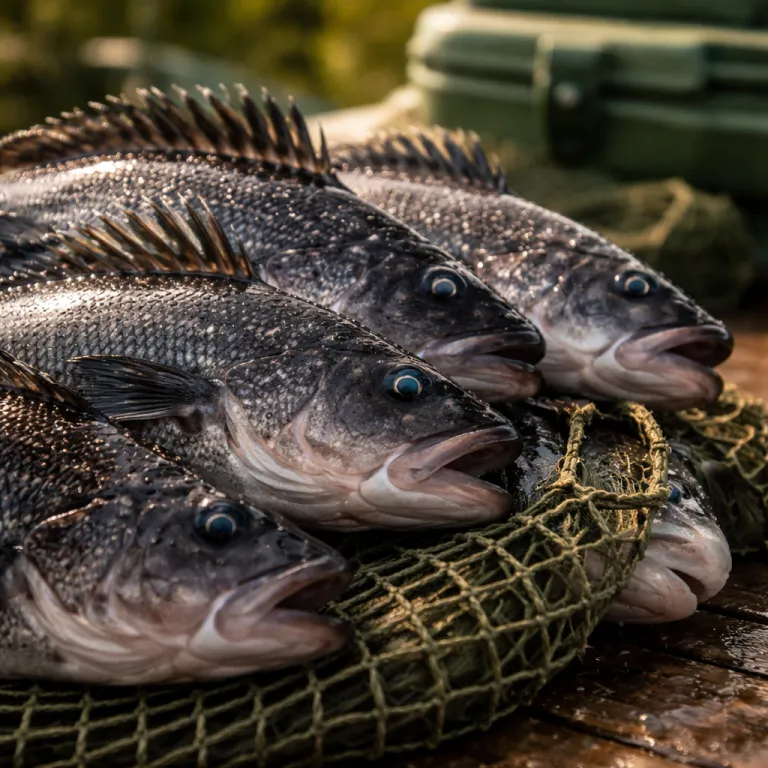
What the new black sea bass regulations mean on the water
Recreational anglers targeting black sea bass along the Atlantic coast are heading into the first real harvest liberalization since the early rebuilding years. The headline is simple for any bass recreational crew planning a sea trip, because the new black sea bass regulations 2026 framework allows about a 20 percent increase in recreational fishing harvest after spawning stock biomass climbed to roughly 2.8 times the original fishery management target, according to the most recent NOAA Fisheries stock assessment and final rule summary. That jump in biomass, the highest since the early nineties, convinced NOAA Fisheries and the Atlantic States Marine Fisheries Commission to post a new management plan that relaxes some state regulations while keeping a tight grip on conservation through regional caps and accountability measures. For official details, start with the final rule and bulletins on the NOAA Fisheries Greater Atlantic Regional Fisheries Office site and the black sea bass board actions and technical committee reports on the ASMFC website.
In practice, the federal decision does not hand you a single coastwide bag limit or minimum size for black sea bass, since the agencies stuck with conservation equivalency and let each state and region tune its own regulations. Northern states from Massachusetts to New York can raise their possession limit by as much as 27 percent, while the southern block from Delaware through North Carolina gets room for roughly a 16.5 percent bump in their sea bass season and bag structure, figures drawn directly from the NOAA Fisheries recreational harvest specifications and ASMFC addenda. New Jersey even received its own allocation under the federal waters framework, so any angler running a bass recreational charter out of Cape May now needs to track a separate set of posted state regulations instead of assuming the same rules as neighboring ports or relying on last year’s circular. NOAA Fisheries bulletins and ASMFC regional tables summarize those allocations, but you still need to confirm the exact numbers on your state agency page before you sail or set up a multi-state trip.
For a weekend crew trailering down the mid Atlantic coast, that means you must read the latest state regulations before every trip, not just once a year when you buy your fishing licence. A typical pattern this season will be a slightly higher possession limit paired with a stable or marginally higher minimum size, because managers want more legal fish without hammering the spawning stock that drives the whole fishery and keeps biomass above target. If you already chase summer flounder and the mixed flounder scup and scup black combo on the same wrecks, expect your captain to explain how the updated black sea bass rules for 2026 interact with those other fisheries, since each fishery management body still posts different size and bag rules for every species on the boat and may adjust them mid season. A quick FAQ style checklist taped near the helm with minimum sizes, daily limits and open seasons for each species can prevent costly mistakes when the bite turns chaotic and coolers start to fill.
State by state shifts from Delaware to North Carolina
The most practical changes for many readers sit in the southern region, where Delaware, Maryland, Virginia and North Carolina share a linked block of recreational fishing measures for black sea bass. Delaware Department of Natural Resources and Environmental Control, usually shortened to DNREC, will post its final black sea bass regulations 2026 after the Atlantic States Marine Fisheries Commission signs off on the regional management plan, but early briefings point toward a modestly longer season and a small increase in the daily limit that mirrors the federal harvest increase. Maryland, Virginia and North Carolina marine fisheries officials are working from the same federal playbook, yet each state will tweak opening dates and minimum size to match local effort and charter pressure, so the exact calendar and size thresholds will not be identical. Always cross check the latest state circulars against the NOAA Fisheries and ASMFC summary tables so you are not relying on last year’s brochure or dock talk when you plan a run that crosses multiple state lines.
For example, a Delaware angler running out of Indian River Inlet into federal waters off the mid Atlantic wreck lines may face one minimum size and possession limit for black sea bass, then slide back inside three nautical miles and hit slightly different state regulations. That split between state and federal management is not new, but the black sea bass regulations 2026 changes raise the stakes, because more generous limits offshore can tempt crews to ignore inshore rules when they drift over a line on the plotter or chase a school across a boundary. If you already study detailed guidance such as New Jersey’s evolving inshore rules in resources like understanding New Jersey’s fishing guidelines for the upcoming season, apply the same discipline to every Atlantic state you fish and keep those notes current. A simple state by state table in your logbook listing bag limits, minimum sizes and season dates for Delaware, Maryland, Virginia, North Carolina and New Jersey’s separate allocation, with one or two example dates and size thresholds, will make it much easier for the whole crew to stay legal and avoid confusion when regulations differ by only an inch or a few days.
South of Cape Hatteras, the South Atlantic Fishery Management Council keeps a separate grip on black sea bass, summer flounder and related mixed fisheries, so travelling anglers must not assume that a liberal mid Atlantic season carries past that geographic line or that a northern bag limit applies on southern reefs. NOAA Fisheries bulletins posted in April and later in the year will spell out how the south Atlantic region balances black sea bass against summer flounder and flounder scup bycatch, especially where scup black catches spike on deeper reefs and headboats see mixed bags. The safest habit is to print or save the latest federal and state regulations before each trip, highlight the minimum size and possession limit for every species you plan to keep, then tape that sheet near the cutting board so no one guesses when the bite turns hot or the weather closes in. Update that quick reference whenever a mid season adjustment notice or emergency rule appears on the NOAA Fisheries or ASMFC news feeds so your crew is always working from the most recent management decisions.
Trip planning, gear choices and ethics under a looser quota
More generous black sea bass regulations 2026 do not mean you should fill every cooler space, because a healthy fishery today can slide quickly if recreational pressure spikes faster than management can react or if discard mortality climbs. When spawning biomass sits at 2.8 times the target, as current federal data show in the stock status tables, the temptation is to treat every wreck from Delaware to North Carolina as a grocery store rather than a shared resource that needs careful handling. The smarter play is to use the new limit as a ceiling, not a goal, especially when you already plan to keep summer flounder or other sea bass bycatch from the same structure and do not need every legal fish to have a successful trip. A short personal code, such as stopping a fish or two shy of the legal bag when the bite is easy or releasing the largest breeders on a wreck, can protect the stock and still send you home with plenty of fillets and a clear conscience.
On the water, the pattern stays familiar for most of the year, with black sea bass stacked tight to hard bottom, wrecks and rock piles from roughly 50 to 200 feet (about 15 to 60 metres), depending on the month and latitude. Early in the season, I have found that a 100 to 130 foot line off the Delaware coast holds a mix of legal and sub legal fish, so a slightly higher minimum size under the black sea bass regulations 2026 can actually improve your average fillet quality by forcing you to fish deeper pieces where larger bass dominate and shorts thin out. If you already fine tune your lobster gauge choice using conservation minded guides such as choosing the right lobster gauge for responsible recreational fishing, apply the same mindset to your sea bass ruler and do not round down when a fish kisses the line or looks borderline in low light. Measuring twice and releasing borderline fish quickly will keep mortality low, reduce waste in your cooler and help the stock stay above target for future seasons.
Charter versus do it yourself decisions also shift slightly under the new rules, because a good captain who lives inside this fishery management world will track every posted change from DNREC, NOAA Fisheries and the various marine fisheries councils while you focus on tying knots and watching the sounder. If you run your own boat, treat black sea bass regulations 2026 the way a careful sturgeon angler treats bait and water quality, leaning on science based advice such as the nutritional thinking behind the best nutritional choices for sturgeon fishing rather than dock talk or social media rumors. The anglers who will still be catching thick, healthy black sea bass ten years from now are the ones who read every state bulletin, measure every fish twice and remember that the real test of a regulation is not the spec sheet, but the tenth cast in the rain when it would be easy to cut corners. Keeping a simple trip log that notes depth, location, size structure and which rules applied that day will also make it easier to adapt when the next management update arrives and to explain your choices if an officer checks your catch at the dock.