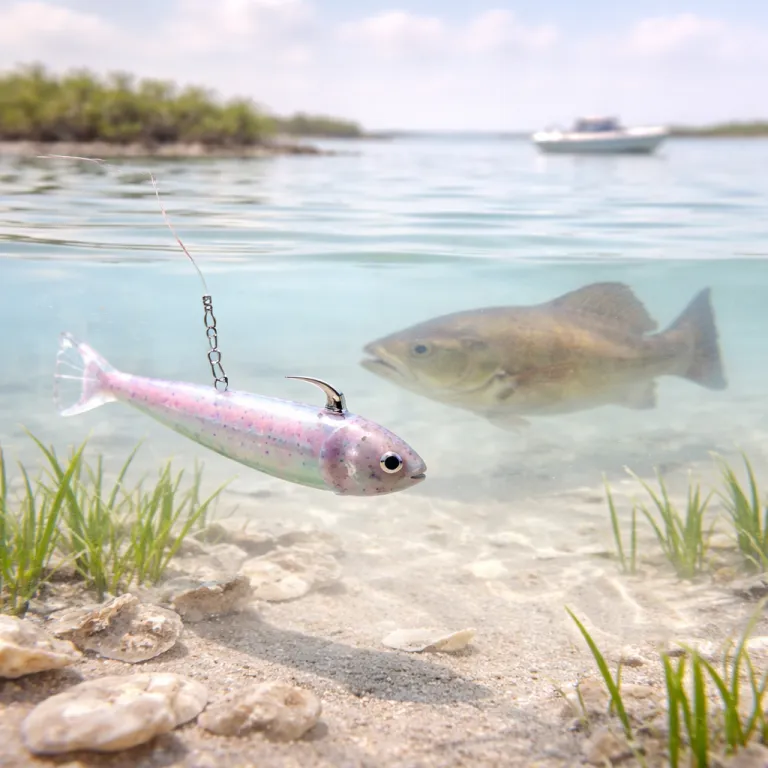
Why a refined redfish lure strategy matters for serious inshore anglers
Every man fishing shallow marshes for redfish eventually realizes that lure choice decides success. When water turns stained and pressured fish grow cautious, only the best redfish lure presentations keep bites coming consistently. Skilled inshore anglers treat their fishing tackle box like a toolkit, matching specific lures and baits to each subtle situation.
Redfish behave differently from other inshore fish because they often feed head down, rooting in soft mud or grass for shrimp and crabs. That posture changes how lures must travel through the water and how a man fishing should control speed, angle, and depth for a natural look. A refined selection of redfish lures, from soft plastic paddletails to a weedless spoon or subtle jerk shad, lets you cover every feeding mood without wasting casts.
Many recreational anglers still rely on generic fishing lures that work “well enough” for mixed water fish species. This kind fishing approach leaves performance on the table when you specifically want to catch redfish consistently in pressured areas. Building a focused redfish best lineup of baits redfish actually prefer, tuned to your local texas coast or gulf coast conditions, is a smarter long term strategy.
Modern tackle brands, from Strike King to niche soft plastic makers, now offer redfish lures designed for grass, shell, and oyster edges. These baits combine realistic shrimp or shad profiles with durable plastic and strong swimbait hook options. When you treat each lure as a precise tool rather than a random choice, your odds of connecting with quality redfish and even redfish snook rise sharply.
Reading water and matching redfish lures to real feeding behavior
Effective redfish lure selection always starts with reading the water before tying anything on. Clear, calm water with visible speckled trout or mullet schools calls for subtle fishing lures that glide naturally and avoid spooking fish. In contrast, wind chopped water or strong current lets you use louder lures and brighter gold finishes without sacrificing bites.
When redfish push wakes across shallow flats, a topwater lure can be the best option for drawing explosive strikes. Many inshore anglers favor cigar shaped baits or walking style topwater lures that imitate wounded baitfish near the surface. In slightly deeper water, a soft plastic paddle tail on a balanced swimbait hook lets your lure swim just above grass, where redfish and other water fish patrol for easy meals.
On the texas coast and gulf coast, shrimp and small crabs dominate redfish diets in marsh drains and back lakes. Here, soft plastic shrimp profiles or compact kicker crabz style baits shine when fished slowly along the bottom. A man fishing these areas should keep his fishing tackle organized so he can quickly rotate between shrimp, crab, and shad shapes as the tide and light change.
Fly anglers targeting redfish also benefit from understanding how conventional lures move and displace water. Studying how a weedless spoon flutters or how a jerk shad darts can inform fly pattern design and retrieve cadence. For those exploring crossover techniques, a detailed review of a modern fly fishing field kit shows how versatile gear can complement traditional redfish lure tactics.
Soft plastics, spoons, and topwater baits redfish truly respond to
Among all redfish lures, soft plastic paddletails remain the workhorse for many inshore anglers. A compact paddle tail swimbait on a quality swimbait hook produces a tight thump that redfish feel through lateral lines. This soft plastic combination excels when you need a lure that covers water efficiently yet still convinces pressured fish.
Weedless spoon designs, especially in gold finishes, have earned legendary status along the texas coast and gulf coast. A well tuned weedless spoon rides over grass, flashes like a fleeing baitfish, and triggers reaction strikes from both redfish and redfish snook. Many anglers carry multiple spoons in different weights so they can adjust sink rate to match water depth and current strength.
Soft jerk shad profiles and shrimp imitations fill a different role in a serious fishing tackle plan. These lures shine when redfish are picky, cruising potholes or edges where a subtle twitch and glide presentation outperforms louder baits. A man fishing pressured flats often rotates between jerk shad, shrimp, and kicker crabz style baits until he identifies the day’s preferred action.
For newcomers building their first serious redfish lure kit, a balanced starter setup can accelerate learning. Evaluating a comprehensive beginner fishing kit highlights how organized tackle, reliable reels, and thoughtful lure selection reduce frustration. Once the basics are covered, adding specialized baits redfish favor, such as paddle tail soft plastics and gold spoons, becomes a natural next step.
Rigging, hooks, and retrieve styles that turn follows into solid hookups
Even the best redfish lure fails if rigged poorly or fished at the wrong speed. Matching hook size, weight, and wire strength to each soft plastic or spoon keeps the lure tracking correctly in the water. Many inshore anglers now favor dedicated swimbait hook designs that pin fish securely without adding unnecessary lead.
When fishing shallow grass, a weedless spoon or weedless rigged paddle tail lets you reach redfish others miss. The key is to keep the lure just above the grass tops, ticking occasionally but not fouling every cast. A man fishing this way should adjust retrieve speed constantly, letting the lure rise and fall naturally as it crosses subtle depth changes.
For deeper channels or oyster edges, a heavier jig head under a soft plastic shad or shrimp profile maintains bottom contact. Here, short hops and controlled drops often outproduce steady swimming retrieves, especially when redfish hold tight to structure. In these situations, understanding how different fishing lures displace water helps you choose between a thumping paddle tail and a gliding jerk shad.
Hook choice matters as much as lure style, particularly when targeting larger redfish and redfish snook around heavy cover. Detailed guidance on selecting a swimbait hook that turns follows into solid hookups can significantly raise your landing ratio. Combining that knowledge with a disciplined redfish best lure rotation ensures that every strike has a higher chance of becoming a photographed fish.
Adapting redfish lure choices to regional conditions and seasonal patterns
Redfish behavior shifts noticeably between the texas coast, the broader gulf coast, and more temperate inshore systems. Water clarity, salinity, and available forage all influence which redfish lures perform consistently across seasons. In turbid marshes, gold weedless spoon designs and dark soft plastic paddletails often stand out best against the background.
During warmer months, shrimp and small baitfish dominate shallow flats, making shrimp imitations and slim shad profiles reliable baits redfish options. Many inshore anglers favor topwater lures at first light, then transition to subsurface soft plastics as the sun climbs and fish move slightly deeper. A man fishing tidal creeks should also note how falling water concentrates redfish into drains, where a well placed paddle tail or kicker crabz style bait can be deadly.
Colder periods push redfish into deeper holes and channels, where slower presentations with soft plastic jerk shad or shrimp excel. Here, subtle twitches and long pauses keep the lure in the strike zone longer, tempting lethargic fish. Matching jig head weight to current speed ensures the lure maintains bottom contact without burying in soft mud.
Regional forage also shapes lure color and profile choices, especially when targeting mixed schools of redfish and redfish snook. On the gulf coast, speckled baitfish patterns and natural hues often outperform loud colors in clear water. By tracking seasonal shifts in prey and water conditions, inshore anglers can refine a redfish best lure lineup that stays productive month after month.
Building a versatile, confidence driven redfish lure box for long term success
Serious inshore anglers eventually curate a compact but versatile redfish lure box they trust. Instead of chasing every new trend in fishing lures, they focus on proven categories like soft plastic paddletails, weedless spoon designs, and realistic shrimp or jerk shad profiles. This disciplined approach keeps decision making simple on the water while still covering all key feeding scenarios.
A well rounded kit for the texas coast or gulf coast should include multiple sizes and colors of paddle tail soft plastics. Pair these with quality swimbait hook options and a few jig heads to adapt to different depths and current strengths. Add several gold and natural finish weedless spoons, plus a handful of topwater lures for low light conditions when redfish and other water fish feed aggressively near the surface.
Including specialty baits redfish favor, such as kicker crabz style crustacean imitations, helps when fish key on bottom dwelling prey. A man fishing pressured flats can rotate through shrimp, crab, and shad profiles until he identifies the day’s pattern. Over time, this kind fishing discipline builds confidence, which in turn leads to better focus, cleaner casts, and more consistent hooksets.
Finally, organizing your fishing tackle so each lure category is easy to reach reduces wasted time and frustration. Labeling boxes by depth range or presentation style, such as “topwater”, “weedless spoon”, or “soft plastic shad”, speeds up on water decisions. With a thoughtful, experience driven selection of redfish lures, you position yourself to catch redfish reliably across changing conditions and evolving inshore fisheries.
Questions recreational anglers often ask about redfish lures
No faq_people_also_ask data was provided in the dataset, so detailed FAQs from that source cannot be included without speculation. However, anglers typically ask about the best seasons, ideal lure colors, effective retrieve speeds, and how to adapt presentations to different water clarities when targeting redfish.