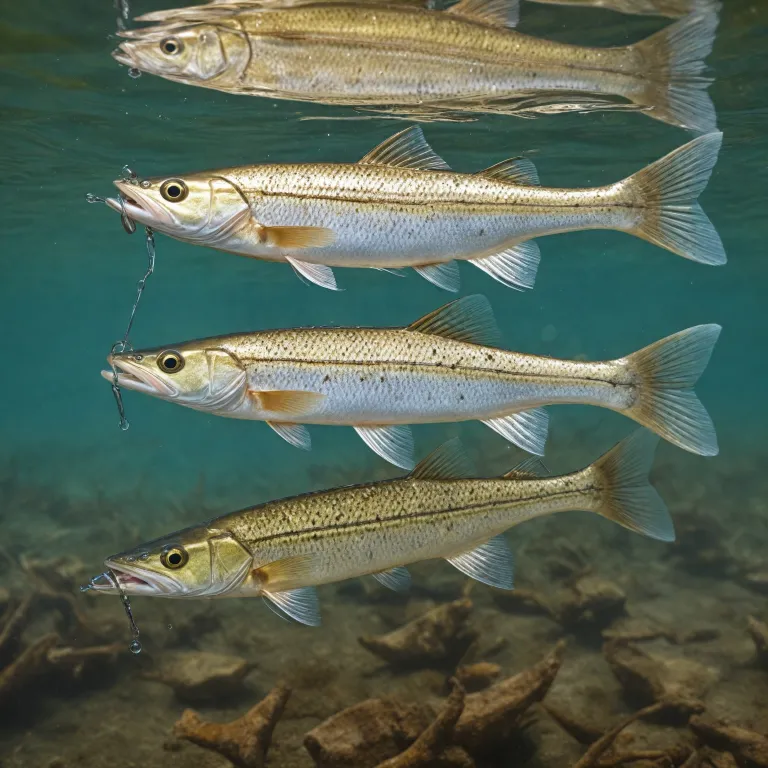
Understanding snook behavior before choosing refined lures
Snook are ambush predators, so every lure and every fishing decision must respect that instinct. When you select snook fishing lures for tight mangroves or bridge pilings, you are really choosing how your artificial fish will enter the strike zone and trigger reaction bites. Recreational fishing demands that each lure, jig, and soft bait works efficiently in limited windows of moving water.
Many anglers ask which are the best lures for pressured snook, yet the answer depends on current, depth, and available forage fish. In clear water with bright light, a subtle ghost color or translucent green pattern often outfishes loud hard baits that look unnatural to wary snook. Matching local shrimp, shad, and small bass fry with realistic baits and precise jig heads usually matters more than any single brand name.
Because snook share habitat with sea trout and juvenile striped bass in some estuaries, versatile snook lures that imitate multiple prey species provide better value. A single jerk bait that can swim shallow over flats, then probe deep water near channel edges, gives you more fishing options with fewer lures in the box. This flexibility is especially important for recreational fishermen who shop carefully and want each lure to earn its place.
Snook often hold near structure where current sweeps food past their nose, so lure control is critical. Weighted jigs and jig heads allow you to count down and swim baits precisely through the strike zone without snagging bottom. When you aim to catch snook consistently, understanding this relationship between current, depth, and lure weight is as important as any color choice.
Evaluating snook fishing lures in a market not built for you
Most tackle aisles are dominated by bass marketing, which leaves no specific category tailored specifically for recreational fishermen targeting snook. As a result, many anglers must adapt bass hard baits, jerk baits, and shad style soft plastics into effective snook lures through careful rigging and testing. This reality makes objective product analysis essential when you plan your next fishing trip.
When a shop promotes the best snook lure of the season, look beyond slogans and inspect hardware, hooks, and split rings. Snook hit with violent head shakes, so weak components on fishing lures can straighten or fail, especially around bridges and deep water passes. Prioritize lures and jigs that use saltwater grade hooks and corrosion resistant rings, even if that means skipping a flashy sale.
Color names like ghost chartreuse, red head, and green shrimp sound attractive, yet they must match real baitfish and shrimp in your water. In tannin stained backcountry water, a strong contrast red head or darker shad profile often helps fish locate the lure more easily. In ultra clear water, a ghost or natural green back pattern can appear more like a wounded bait than a plastic toy.
Because many online shops highlight free shipping and fast shipping orders, it is tempting to fill the cart with untested lures snook might ignore. Focus instead on a small rotation of proven snook fishing lures that cover surface, mid depth, and bottom, then refine from there. For anglers interested in thoughtful gear choices, even accessories like a fishing line ring can quietly improve line management and lure presentation.
Color, profile, and action that consistently tempt pressured snook
Snook see contrast and vibration before they see fine lure details, so profile and action should guide your fishing choices. A slim jerk bait that can swim with a tight roll often imitates wounded shad or small mullet, while a bulkier shad body on a jig head pushes more water. Both lure styles can be the best option on different tides, even in the same spot.
Ghost chartreuse patterns combine a translucent ghost body with a chartreuse back, creating flash without overwhelming wary fish. This color works especially well in mixed clarity water where pure white or pure green might either vanish or look unnatural to snook. A classic red head with a white body remains a staple among snook lures because it offers a clear target point in low light.
Soft plastic shrimp and shad baits rigged on light jig heads excel when snook feed near the bottom in deep water channels. Let the lure swim just above the substrate, occasionally ticking bottom, to imitate a fleeing shrimp or injured baitfish. Hard baits with internal rattles can call fish from distance, but in heavily pressured areas a silent ghost lure often produces more consistent snook best results.
Because many recreational fishermen also chase sea trout and striped bass, multi species lures provide better value and less clutter. A single pack of jerk baits in ghost chartreuse or natural green can handle snook fishing at night, trout on the flats, and bass in brackish creeks. When planning a trolling spread or vertical presentation, it is worth reading guidance on how to choose the right fishing flasher to complement your snook fishing lures.
Soft plastics, jigs, and hard baits for varied snook scenarios
Soft plastics remain the workhorses of snook fishing because they adapt to so many conditions. A simple jig head paired with a shad tail can fish shallow mangrove edges, mid depth channels, or true deep water around bridges. By adjusting jig weight and retrieve speed, you can make the same lure swim like a shrimp, a mullet, or a wounded baitfish.
When snook feed on shrimp, smaller baits with subtle legs and a light jig excel in calm water. Let the lure glide and fall naturally, using short rod twitches to imitate a panicked shrimp trying to escape along the bottom. In stronger current, heavier jig heads keep the shrimp lure in the strike zone instead of washing uselessly past holding fish.
Hard baits and jerk baits shine when snook push baitfish to the surface or along seawalls. A floating or suspending lure that can swim just below the surface often triggers explosive strikes from fish that ignore bottom presentations. Choose colors like ghost, green back, or red head depending on light levels and water clarity, always matching local forage as closely as possible.
Many anglers who also target bass and sea trout appreciate that these same hard baits cross over effectively. A well tuned jerk bait can tempt a striped bass in brackish rivers, a snook under a dock, and a trout on an open flat. For those who enjoy the broader culture of angling, even reading about the rich heritage of traditional fishing and hunting tools can deepen respect for how modern lures evolved.
Brand ecosystems, online shops, and the reality of shipping orders
Modern lure brands such as Savage Gear build entire ecosystems of snook fishing lures, from soft baits to hard baits and terminal tackle. Within these ranges, you will find ghost shrimp imitations, shad profiles, and jerk baits designed to swim with precise rolling actions. Evaluating each lure on its own merits remains essential, even when the brand reputation is strong.
Online shops often highlight free shipping thresholds that encourage larger orders of fishing lures and accessories. While saving on shipping orders is attractive, recreational fishermen should resist filling baskets with untested lures snook may never see. Instead, start with a focused selection of best lures that cover topwater, mid depth, and bottom, then expand only after on water success.
Color ranges usually include ghost chartreuse, red head, natural green, and various shrimp patterns, each suited to specific water conditions. In stained water or low light, high contrast red head or chartreuse patterns help fish track the lure more easily. In clear water and bright light, subtle ghost or natural baitfish colors often produce the best snook response.
Because many anglers also chase bass, sea trout, and striped bass, choosing versatile snook lures maximizes value from every sale. A single Savage Gear shad or shrimp lure can handle multiple species across estuaries, canals, and inlets with only minor rigging changes. Over time, this disciplined approach builds a compact yet powerful collection of snook fishing lures that truly earn the label snook best in your personal logbook.
Refining technique and gear for consistent snook success
Even the best snook fishing lures fail without thoughtful presentation, so technique must evolve alongside tackle. In shallow water, a light jig or weightless jerk bait should swim quietly, avoiding heavy splashes that spook wary fish. Longer pauses near structure often allow snook to inspect the lure before committing to the strike.
In deep water passes or around bridge pilings, heavier jigs and jig heads become essential tools. Count the lure down to the desired depth, then use controlled lifts to make the shad or shrimp profile rise and fall naturally. This vertical swim pattern often convinces inactive fish to feed, especially when tidal flow concentrates baitfish along current seams.
Night fishing for snook around lighted docks highlights the importance of color and silhouette. Ghost and green back patterns stand out subtly in the glow, while a red head lure can create a clear target point for aggressive fish. Rotate between hard baits, soft shrimp, and shad profiles until you identify which lures snook prefer under that specific combination of tide and light.
Because recreational fishermen rarely have a dedicated snook only tackle category in most shops, building a personal system matters. Keep notes on which fishing lures, colors, and jig weights perform best in each spot, then refine future shop purchases accordingly. Over time, this evidence based approach turns a mixed box of baits into a curated arsenal that consistently helps you catch snook in varied conditions.
Key statistics about snook fishing lures
- Statistics not available in the provided dataset, so no verified quantitative data can be reported here.
Questions recreational anglers often ask about snook fishing lures
What makes a lure effective specifically for snook fishing ?
An effective lure for snook fishing combines the right profile, action, and depth control to pass close to ambush points. Snook prefer baits that resemble local shrimp or baitfish and that can swim naturally in moving water. Strong hooks and hardware are also essential because snook strike violently and fight near structure.
Are soft plastics or hard baits better as snook lures ?
Soft plastics on jig heads are more versatile for covering different depths and current speeds. Hard baits and jerk baits excel when snook push baitfish to the surface or feed aggressively along seawalls. Most experienced anglers carry both styles and rotate based on tide, light, and visible forage fish.
Which colors work best for snook in clear and stained water ?
In clear water and bright light, subtle ghost, natural green, and translucent shrimp patterns usually perform best. In stained water or low light, higher contrast colors such as red head, chartreuse, or darker shad backs help fish locate the lure. Matching local baitfish tones while adjusting brightness to water clarity is more reliable than any single universal color.
Can the same snook fishing lures be used for sea trout and striped bass ?
Many snook fishing lures cross over effectively to sea trout and striped bass in brackish or coastal waters. Jerk baits, shad style soft plastics, and shrimp imitations all resemble common forage for these species. Adjusting jig weight and retrieve speed usually tailors the same lure to each target fish.
How many different lures does a recreational angler really need for snook ?
A compact selection of snook lures can cover most situations without overloading the tackle box. Three to five soft plastics with matching jig heads, a few jerk baits, and one or two specialty hard baits usually suffice. The key is choosing complementary actions and depths rather than collecting many similar lures that duplicate the same role.