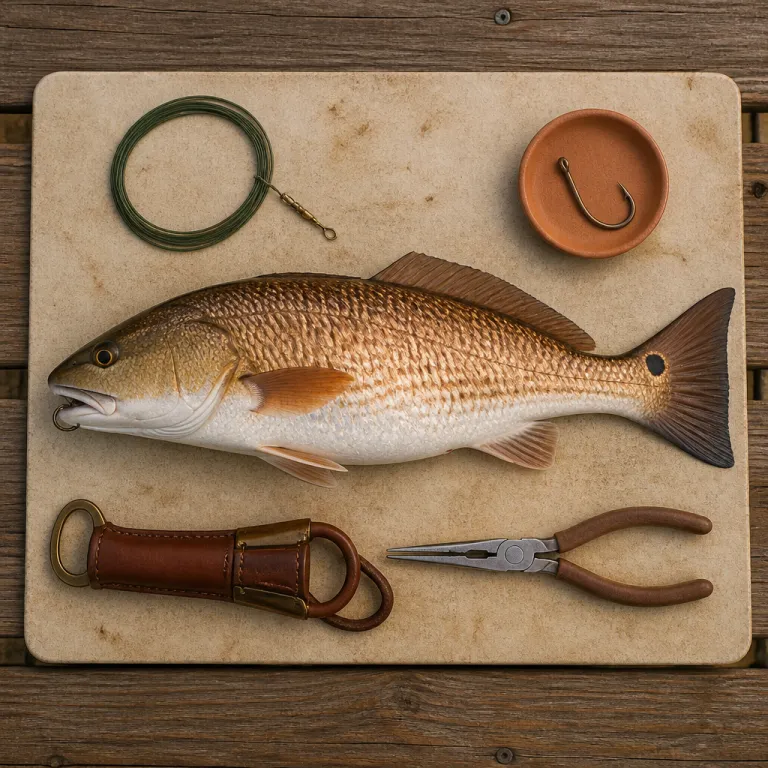
Why saltwater hooks fail or succeed in real fishing
Every coastal angler eventually learns that saltwater hooks decide whether a strike becomes a landed fish. When you move from casual outings to serious saltwater fishing, the difference between a mediocre fish hook and a purpose built saltwater hooks model shows up in hookup rate, fight control, and long term corrosion resistance. Smart members of any fishing club quickly compare hooks, prices, and product details after a tough day when too many fish came unbuttoned.
In harsh saltwater and saltwater freshwater transitions, cheap fishing hooks often bend or lose their sharp points after only a few fish. Quality hooks strong enough for reef fishing usually rely on high carbon or carbon steel wire, heat treated to balance strength with controlled flex so the hook does not snap under sudden load. When you choose hooks saltwater anglers trust, you are really choosing how much pressure you can safely apply when a strong fish dives for structure.
Look closely at any modern circle hook, bait hook, or treble design and you will see subtle engineering choices. The round bend radius, point angle, and offset circle alignment all change how the hook finds purchase in a fish mouth and how easily it penetrates with minimal force. Matching hook pattern, wire diameter, and point style to your bait, target fish, and fishing technique is the starting point for building a reliable saltwater hooks system.
Comparing hook patterns for bait, lures, and weighted swimbait rigs
Different saltwater hooks patterns shine with different presentations, so treating all hooks as equal wastes opportunities. Circle hooks excel with natural bait and live bait because the circle shape and in turned point slide into the corner of the jaw as the fish moves away, while a traditional J style bait hook or fish hook suits more active striking species. When you rig a weighted swimbait for inshore fishing, you need hooks strong enough to handle sudden hits yet sharp enough to penetrate quickly through plastic and into bone.
Treble hooks dominate on hard lures, but not all treble hooks behave the same when a fish surges near the boat. A round bend treble with fine wire and laser sharp points sticks easily on light pressure, whereas a heavier carbon steel treble hook resists bending when a strong fish uses the current. Many lure anglers quietly upgrade factory fishing hooks to premium saltwater hooks from brands such as Gamakatsu or Eagle Claw to save more fish at boatside.
Soft plastic specialists often choose a weighted swimbait hook with an offset shank to keep the lure running straight in both freshwater and saltwater. That offset hook design hides the point just under the plastic, giving snag resistance while keeping the point ready to drive home on a strike. If you want to pair these rigs with the right rod action, detailed guides on top swimbaits and rod selection help you balance hook size, lure weight, and line strength for consistent saltwater fishing performance.
Materials, coatings, and corrosion resistance in saltwater hooks
Material choice quietly determines how long your saltwater hooks stay sharp and reliable in marine conditions. Standard high carbon or carbon steel wire offers excellent strength and point retention, but unprotected metal rusts quickly when exposed to saltwater and humid air. Many serious fishing members rinse their hooks after each trip, yet they still rely on modern coatings to save their investment in premium fishing hooks.
Manufacturers use tin, nickel, black nickel, or specialized polymer coatings to shield each hook from corrosion while preserving laser sharp points. A well coated circle hook or treble hook can survive repeated saltwater freshwater transitions, such as when you chase estuary fish that move between river mouths and open sea. Coatings also reduce friction, so a sharp hook penetrates more easily, which matters when a strong fish has a bony jaw or when you fish heavy mono leaders.
Some anglers prefer bare carbon steel hooks for bait fishing because they corrode faster if lost, which can be better for the fish and the environment. Others choose heavily coated hooks saltwater specialists design for long term use with expensive lures and refined pompano jigs that elevate surf fishing success on open beaches. Whatever your preference, inspect every hook, offset circle pattern, and bait hook in your tackle box regularly, and retire any model that no longer feels razor sharp under a light thumbnail test.
Brand specific strengths: Gamakatsu, Eagle Claw, and specialist patterns
Brand reputation matters with saltwater hooks because you rarely see the hook again once a big fish breaks off. Gamakatsu built its name on high carbon steel and extremely sharp points, with models such as the Gamakatsu octopus pattern becoming a standard for both freshwater and saltwater bait fishing. Many anglers use a Gamakatsu octopus hook in smaller sizes for estuary fish, then scale up to heavier circle hooks and offset circle designs offshore.
Eagle Claw, by contrast, offers a broad range of fishing hooks at accessible price points, from classic bait hook patterns to laser sharp premium lines. Their Eagle Claw Lazer Sharp series combines strong wire with chemically sharpened points, giving you hooks strong enough for reef species without a premium boutique price. When you compare any Eagle Claw circle hook to a similar Gamakatsu product, pay attention to wire diameter, gap width, and the exact round bend shape because these details change how the hook behaves under load.
Specialist treble hooks from both brands often upgrade factory lures, especially when you target powerful saltwater species that easily open light wire trebles. Swapping to a strong carbon steel treble hook with a protective coating can save expensive plugs and increase landing rates on pelagic fish. For anglers who split time between saltwater freshwater environments, choosing versatile patterns that resist corrosion yet still perform in lakes and rivers keeps tackle management simple and efficient.
Matching hook size, shape, and rigging to target fish
Effective saltwater fishing starts with choosing hook size and pattern that match your target fish and bait profile. Oversized hooks reduce bites because wary fish see too much metal, while undersized hooks strong enough only for small species may bend or tear out under heavy pressure. Think about mouth shape, feeding style, and structure when you decide between a circle hook, offset J hook, or treble configuration.
For bottom species that inhale bait, circle hooks and offset circle designs reduce deep hooking and improve jaw corner hookups. Pelagic predators that slash at fast moving lures often connect better with round bend treble hooks, especially when the trebles are laser sharp and positioned near the lure tail. When you fish live bait around reefs, a light but strong bait hook through the nose or shoulder lets the bait swim freely while still presenting the point for quick penetration.
Rigging details matter as much as the hook itself, whether you tie a simple fish hook to a fluorocarbon leader or build a complex weighted swimbait system. Snell knots pair well with many circle hooks because they help the hook rotate correctly as the fish moves away. If you also need to balance hook weight with rod power for inshore work, a dedicated guide on how to choose top rated inshore spinning rods for serious coastal fishing helps align your entire setup from reel to hook point.
Value, safety, and ethical considerations when buying saltwater hooks
Price always enters the conversation when you stock up on saltwater hooks for a new season. Buying bulk packs of fishing hooks can save money, but only if the product offers consistent quality, reliable tempering, and genuinely sharp points out of the box. Many experienced members of local clubs test a few hooks from each new batch by pulling them hard with pliers and checking whether the points stay sharp after scraping against metal.
Ethical fishing also depends on hook choice, especially when you release a high percentage of your catch. Circle hooks reduce gut hooking with natural bait, and barbless or crushed barb options make it easier to free fish quickly with minimal damage. In mixed saltwater freshwater fisheries, using corrosion prone carbon steel hooks that rust out faster can be kinder to fish that break off with terminal tackle still attached.
Safety for anglers matters too, because strong and sharp treble hooks and octopus patterns can cause serious injuries on a crowded deck. Keep a dedicated pair of side cutters within easy reach to cut any embedded hook shank if needed, and store free swinging lures in hook covers or foam. When you evaluate any hooks saltwater range, weigh not only the immediate price but also long term durability, fish welfare, and the safety of everyone handling the gear on board.
Key figures and performance benchmarks for saltwater hooks
- Laboratory style tests reported by tackle manufacturers suggest that high carbon and carbon steel hooks can retain up to 90 % of their original point sharpness after ten controlled penetrations into synthetic bone, while softer alloys may lose more than 30 % of sharpness over the same cycle. These values are typical manufacturer estimates rather than independent scientific measurements, so treat them as indicative benchmarks rather than verified standards.
- Independent style corrosion testing in simulated saltwater environments, often summarized in manufacturer white papers and trade publications, indicates that modern tin or black nickel coated hooks can resist visible rust for roughly 200 to 300 hours of continuous exposure, compared with less than 48 hours for uncoated steel hooks of similar gauge. Actual performance varies with salinity, temperature, storage conditions, and the specific test protocol used.
- Catch and release studies on circle hooks used with natural bait, as summarized in agency and university fisheries reports, commonly report reductions of deep hooking in many marine species by about 30 to 60 %, compared with traditional J style bait hooks, which directly improves post release survival rates. These percentages are drawn from mixed data sets across species and regions, so they should be read as broad ranges rather than precise predictions for every fishery.
- Field surveys among coastal anglers and in house testing by lure makers indicate that upgrading factory treble hooks on hard lures to premium laser sharp patterns can increase landed fish rates by roughly 10 to 20 %, mainly by reducing mid fight pullouts near the boat. These percentages are best viewed as practical, experience based benchmarks rather than universal guarantees that apply to all saltwater hooks and lure styles.
- Retail sales data and trade publication summaries from major tackle chains reveal that circle hooks and offset circle designs now represent more than half of many reported saltwater hooks sales for bait fishing, reflecting a clear shift toward conservation minded rigging and modern hook technology. Exact percentages vary by region, target species, and whether anglers focus on offshore, inshore, or mixed saltwater freshwater fisheries.
FAQ about saltwater hooks for recreational fishermen
Which hook pattern is best for catch and release in saltwater
For most bait fishing situations, a non offset circle hook is the best option for catch and release because it tends to lodge in the jaw corner rather than deep in the throat. This reduces bleeding and handling time, which improves survival after release. Use an appropriate size for your bait and avoid striking hard, letting the fish load the rod before you come tight.
How often should I replace my saltwater hooks
Replace any saltwater hooks as soon as you notice corrosion near the point, visible bending, or a loss of sharpness that you cannot restore with a fine file. In heavy saltwater fishing, many anglers change treble hooks on frequently used lures every few trips. Bait hooks that contact sand, rocks, or shells often need replacement even sooner.
Are stainless steel hooks a good idea for saltwater fishing
Stainless steel hooks resist corrosion very well, but they do not break down quickly if left in a fish, which can be problematic for conservation. Many anglers prefer high carbon or carbon steel hooks with protective coatings because they balance durability with eventual degradation. Stainless models are best reserved for specific applications where long term strength is critical and break offs are rare.
What size hooks should I use for common inshore species
For typical inshore fish such as sea bass, bream, or small snook, circle hooks or bait hooks in sizes from 1 to 3/0 usually cover most natural bait presentations. Smaller sizes suit shrimp and thin strips, while larger sizes fit whole sardines or mullet chunks. Always match hook size to bait thickness and the average mouth size of your target species.
How can I keep my hooks sharp and rust free between trips
Rinse all hooks in fresh water after each saltwater session, then dry them thoroughly before storage in ventilated boxes. A light coat of corrosion inhibitor or oil on treble hooks and bait hooks adds extra protection, especially in humid climates. Regularly check sharpness with a thumbnail test and touch up any dull points with a fine stone or hook file.