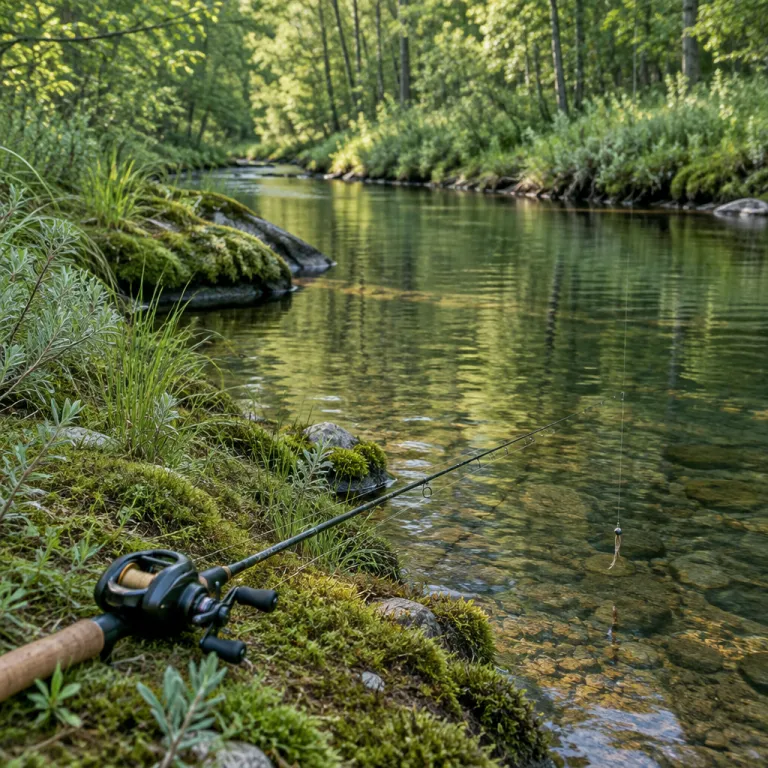
What a bait finesse system really is, in plain terms
A true bait finesse system is not just a small baitcasting reel with light line. It is a tightly matched set of reel, shallow spool, casting rod and finesse baits that lets you cast lures in the one to seven gram window with control that feels closer to fly fishing than standard bass fishing. When anglers talk about a bait finesse system beginner guide, they are really asking how to balance all this light weight gear so it behaves like a tool, not a toy.
The heart of any BFS reel is the spool, and that spool must be both shallow and extremely light. A shallow BFS spool carries just enough thin braid or light fluorocarbon for system fishing in creeks, ponds and short range bass fishing, while the low spool mass lets the bait start the cast with almost no effort. On the water that means a two gram lure can pull the spool into motion without the violent start that causes backlashes in heavier baitcasting reels.
Look closely at a purpose built baitcasting reel for finesse fishing and you will see three things. First, the spool is drilled or ported to shave every bit of weight, because light weight is what lets light lures accelerate the system smoothly. Second, the braking system is tuned for micro adjustments, so you can back off just enough brake to send a finesse bait under a dock without blowing up the cast.
Third, the internal gear ratio on a BFS reel is usually higher than on a traditional fishing reel, often in the 7.0:1 to 8.5:1 range. That faster gear ratio helps you pick up slack quickly when a small bass eats a bait on a long cast or when a trout runs toward you in current. In a serious bait finesse system beginner guide, that fast pick up is not a luxury ; it is what keeps tiny hooks pinned in soft mouths.
Matched correctly, the casting rod in a BFS fishing combo bends deep with just a few grams of lure weight. A true BFS casting rod will usually be rated for light lures down to around two grams, and the blank will load with very little effort so the rod, not your wrist, throws the bait. When anglers try to run BFS gear on a standard medium power casting rod, they blame the reel, but the problem is that the rod never loads with such a small bait.
Compared with a spinning rod, the BFS casting rod and reel system gives you direct thumb control over the spool during every phase of the cast. That control is what lets you land a lure softly beside a laydown without spooking the fish that live there. For pressured bass in clear water, that soft entry can matter more than the exact brand of finesse baits you tie on.
Where BFS actually outfishes spinning gear
The bait finesse system earns its keep when you need short, precise casting with light lures around cover. Think of pitching a two gram jig to a coffee cup sized gap in milfoil or sliding a tiny bait past the last dock post without touching the wood. In those situations, a bait finesse system beginner guide should emphasize that thumb control on the spool beats the open bail of a spinning rod almost every time.
On my home water, a pressured reservoir with clear banks and heavy weekend fishing pressure, BFS fishing shines around marinas and pontoon docks. I run a light weight casting rod rated one to seven grams, a dedicated BFS reel with a shallow spool and eight kilogram braid, and finesse baits in the three to five gram range. That combo lets me cast under cables, feather the spool with my thumb and stop the lure the instant it reaches the shadow line where the better bass hold.
Skipping is another place where bait finesse gear pulls ahead of spinning gear for experienced hands. With a tuned braking system and a balanced BFS reel, you can send a small lure skipping under overhanging trees with a low, side arm cast that stays tight to the surface. A spinning reel can skip too, but the fixed spool and loose line make it harder to stop the bait exactly where you want it without a bit of bounce.
When bass are in a negative mood during the pre spawn, a bait finesse system lets you fish tiny jigs and micro Texas rigs with the stealth of finesse fishing but the control of baitcasting reels. Pairing a BFS casting rod with a compact baitcasting reel and a subtle finesse bait gives you the ability to crawl a lure through brush without line twist or slack loops. For a deeper breakdown of how those pre spawn bass position and how to choose the right lure, a detailed bass pre spawn playbook is worth reading alongside any bait finesse system beginner guide.
River smallmouth are another honest test of system fishing with BFS gear. In tight current seams, a short accurate cast with a light bait keeps you in the strike zone longer than a long bomb with spinning tackle that drags across three different current lanes. Here the combination of a high gear ratio BFS reel, a sensitive rod and a tuned braking system lets you drop a lure behind a rock, feed a bit of slack and then pick up line instantly when a small fish eats and darts downstream.
There is also a subtle advantage in how BFS reels handle very light fluorocarbon or thin braid compared with some spinning reels. Because the line comes straight off the rotating spool, you avoid the line twist that can plague finesse fishing with spinning gear, especially when you throw small inline spinners or micro crankbaits. Over a long day of fishing, that lack of twist means fewer wind knots, less wasted time and more casts into the best bass fishing water.
Where spinning still wins, and when BFS is overkill
Even the most dedicated bait finesse anglers will admit that spinning tackle still rules some situations. When you are making long casts with light lures into the wind on open water, a quality spinning rod and reel simply handles the conditions with less drama. Any honest bait finesse system beginner guide has to say that up front, because no amount of BFS gear can change the physics of a tiny bait fighting a headwind.
For anglers on a budget, a single good spinning combo covers more finesse fishing scenarios than a full BFS system. A mid priced spinning rod paired with a smooth fishing reel in the 2500 size can throw small lures, float rigs and finesse baits without the learning curve of a baitcasting reel. That is why I tell friends who fish only a few weekends each month that BFS fishing is a luxury, not a requirement, especially when they still need to buy waders, a kayak PFD and other safety gear.
Wind is the enemy of the light BFS spool, because it steals energy from the bait while the spool keeps turning. With a spinning reel, the fixed spool means the line simply stops leaving the reel when the lure slows, so you rarely pay for a misjudged cast with a full backlash. With a BFS reel, you must manage the braking system carefully and ride the spool with your thumb, or a gust can turn a perfect cast into a bird nest.
There is also the question of versatility when you only own one or two rods. A medium light spinning rod can handle everything from small river trout to inshore schoolie stripers with the right lure and line, while a dedicated BFS casting rod is optimized for a narrow band of lure weights. If you mostly fish from shore, hike into streams or split time between bass and panfish, spinning gear still gives you more range per euro or dollar spent than a specialized bait finesse system.
Boat anglers who already run several baitcasting reels for heavier techniques may find BFS more compelling than bank anglers. When you can leave a BFS fishing combo on the deck next to your jig rod and crankbait rod, the system becomes a precise tool for specific jobs instead of your only light setup. Shore anglers who carry just one or two rods often get more value from a single spinning combo that can throw both light baits and heavier lures.
Safety and comfort matter too, especially for older anglers who fish from kayaks or small boats. Before you invest in another reel and rod, make sure you have a properly fitted kayak fishing PFD that you will actually wear, because no finesse system helps if you are not around to use it. Once the basics are covered, then it makes sense to ask whether a bait finesse system beginner guide applies to your style of fishing or whether spinning still covers your needs.
Learning curve, backlash reality and how to tame a BFS reel
Moving from standard baitcasting reels to a true BFS reel feels familiar at first, then surprisingly twitchy. The same thumb that controls a heavy jig on a deep spool now has to manage a feather light spool and a two gram bait that barely loads the rod. Any bait finesse system beginner guide that pretends you will never backlash is selling fantasy, not fishing advice.
The key difference is how quickly a light BFS spool starts and stops during the cast. With so little rotating mass, the spool responds instantly to every bit of force from the bait, the rod and even a small gust of wind. That responsiveness is what lets you land a lure softly, but it is also what punishes sloppy timing or a lazy thumb with a sudden overrun of line.
Start with the braking system set higher than you think you need and work backward. On magnetic brake reels, that means running the dial near maximum and then backing off a click or two after each clean cast until you find the edge of control. On centrifugal brake designs, engage more brake blocks than you would for heavier lures and shorten your cast stroke until the rod loads smoothly with the small bait.
Line choice matters more in BFS fishing than many anglers expect. Thin braid in the 0.06 to 0.10 millimetre range behaves differently on a shallow spool than heavier line, and it can dig into itself if you pull too hard on a snagged lure. I like to fill half the spool with cheap mono backing, then add just enough braid for the casting distances I actually use, which keeps the effective spool diameter consistent and reduces surprises.
Practice sessions on calm water are worth the time before you take BFS gear into tight cover. Stand on the bank or a dock and cast at visible targets, adjusting the braking system and your thumb pressure until you can stop the spool exactly when the bait reaches the mark. Once you can hit a dinner plate three times in a row at fifteen metres without a backlash, you are ready to thread casts between branches where real fish live.
Reading water is just as important as reading your reel, especially when you are placing tiny baits in current. If you want to understand how trout and other species position in moving water so you can land a lure where they actually hold, a detailed guide on reading spring streams like a guide pairs well with any bait finesse system beginner guide. The more you understand where the fish sit, the fewer risky casts you need to make with a sensitive BFS system.
Who should actually buy BFS gear, and how to choose it
Not every recreational angler needs a bait finesse system, no matter how many videos you watch. If you mostly fish heavy cover with jigs, spinnerbaits and big topwaters, your existing baitcasting reels and rods already match your fishing better than a delicate BFS combo. A bait finesse system beginner guide should speak first to anglers who already love finesse fishing and want more control, not to those still learning basic casting.
The ideal BFS candidate is the angler who already owns solid spinning gear for light lures and feels limited only by accuracy and line management. Maybe you fish smallmouth on clear rivers, cast tiny jerkbaits to pressured largemouth or chase trout with micro cranks where a bit of extra control would help. For that angler, a dedicated BFS reel and a light weight casting rod can open a new lane of system fishing without replacing the spinning rod entirely.
When you shop for a BFS reel, look for a shallow, ported spool, a refined braking system and a gear ratio in the mid to high seven range. The shallow spool keeps overall weight down and reduces startup inertia, while the higher gear ratio helps you catch up to fast moving fish that eat a bait close to the boat. Avoid the temptation to buy the cheapest reel labelled as BFS, because sloppy tolerances and crude brakes make light lures harder, not easier, to cast.
Rod choice is just as critical as the reel in any bait finesse system. A true BFS casting rod will usually be labelled light or ultra light power with a fast or extra fast action, and it should list lure weights down to at least two grams. Test the blank in the shop by tying on a small lure and making a gentle cast motion ; if the rod does not load with that bait, it will not help you on the water.
Think of BFS gear as a scalpel in a tackle box full of hammers. It is perfect for precise work on pressured fish, especially bass that have seen every standard lure in the catalogue, but it is not the right tool for every job. The anglers who get the most from BFS fishing are those who already carry a full set of rods and reels and want a specialized system for specific windows, not a replacement for their main spinning combo.
In the end, whether you need a bait finesse system comes down to how often you truly fish light baits in tight quarters. If that is your favourite game and you already own quality spinning and casting gear, a carefully chosen BFS reel and rod can make those sessions more efficient and more fun. If not, your money is probably better spent on travel, good line and time on the water, because what really catches fish is not the spec sheet, but the tenth cast in the rain.
FAQ
Is a bait finesse system worth it if I already fish spinning gear?
If you only occasionally throw light lures, a good spinning combo probably covers your needs better than a dedicated BFS setup. A bait finesse system becomes worthwhile when you regularly fish small baits in tight cover and feel limited by spinning accuracy or line twist. In that case, a BFS reel and casting rod add control, not just novelty.
How light can I realistically cast with a BFS reel?
Most practical BFS reels handle lures from about two to seven grams when paired with the right rod and line. You can sometimes cast a bit lighter, but consistency and accuracy usually suffer below that range. Staying within the rated lure weight of your rod keeps the system predictable and backlash risk manageable.
Do I need special line for BFS fishing?
You do not need a proprietary BFS line, but thin, smooth braid or light fluorocarbon helps. Many anglers use braid in the 0.06 to 0.10 millimetre range with a fluorocarbon leader to keep the spool light and responsive. Avoid overfilling the spool, because too much line adds weight and makes the braking system less effective.
Can I use a regular casting rod with a BFS reel?
You can mount a BFS reel on a standard casting rod, but performance will be limited with very light baits. Medium or medium heavy rods often fail to load with lures under five grams, forcing you to cast harder and increasing backlash risk. A purpose built light or ultra light BFS casting rod is the better match for true finesse fishing.
Is BFS only for bass, or does it work for other species?
BFS started in bass fishing, but the system works well for trout, panfish and even light inshore species when matched with appropriate line and lures. The same control that helps you place a tiny jig beside a dock also helps you present a small crankbait in a current seam. Just remember that the light gear is designed for small to medium fish, not large predators or heavy cover combat.