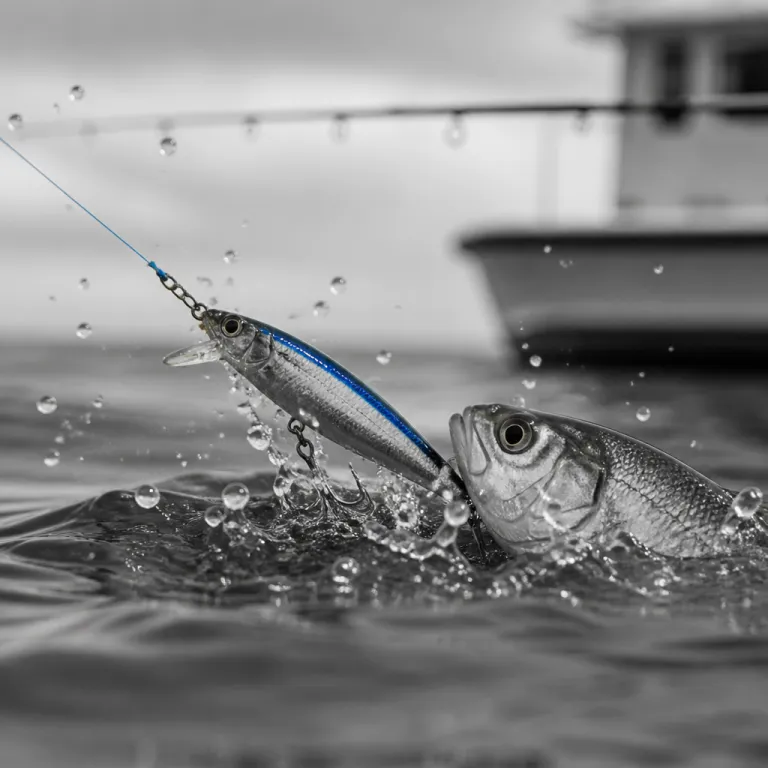
Why saltwater assassin style lures dominate modern sea fishing
Serious anglers talk about saltwater assassin style lures for a reason. In pressured sea estuaries where clear water and boat traffic spook fish, a compact assassin shad or sea shad profile often outfishes bulkier plastics by a wide margin. When you match the right shad size and tail action to the local bait, these assassin lures can turn a slow tide into a steady run of bites.
The core idea behind any saltwater assassin inspired lure is simple yet refined. You present a slim shad body with a responsive tail shad section that moves on the slightest line tension, so even hesitant bass or trout commit in cold or dirty water. This streamlined soft bait approach works especially well for saltwater fishing around channels, oyster bars, and surf gutters where predators track silhouettes rather than fine details.
Many anglers first meet the concept through the classic Bass Assassin soft plastics and then expand into broader assassin saltwater ranges and similar shad-style lures. Once you feel how a split tail or curly shad design transmits vibration through the rod, it becomes obvious why these patterns are often rated among the best options for inshore work. The same logic applies whether you chase redfish, European sea bass, or mixed reef species in shallow salt water.
Body shapes, tails, and colours that trigger more strikes
Choosing the right assassin shad body starts with understanding local prey. In calm water a slim sea shad or dapper style profile with a subtle tail shad movement often outfishes bulkier paddle tails that push too much water. When wind and swell pick up, a more aggressive curly shad or split tail design helps predators locate the lure through vibration.
Colour is not decoration; it is a targeting tool. Classic chartreuse and red combinations remain reliable for bass and trout in stained water, while natural baitfish tones shine in clear sea conditions where fish inspect every lure closely. The famous electric chicken pattern, blending chartreuse and pink or red hues, has become a staple assassin saltwater choice because it stays visible from estuary mud lines to surf breaks.
Many saltwater assassin style ranges now include pro elite or elite labelled colours tuned for specific light levels. For dawn and dusk, a darker back with a lighter belly creates a strong silhouette that helps any soft bait stand out against the surface. During bright midday sessions, translucent chicken or pearl shad bodies with fine glitter often draw more subtle bites from pressured bass and wary trout.
For anglers who prefer hard baits with a similar philosophy, segmented swimbaits with noisy, jointed bodies offer a complementary option. They mimic the same assassin sea idea of lifelike movement and controlled vibration, especially when predators key on larger baitfish. Switching between soft assassin lures and such hard swimbaits lets you fine tune your presentation without leaving the strike zone.
Rigging saltwater assassin soft lures for bass and trout
Rigging turns a good saltwater assassin style lure into a reliable fish catcher. For European sea bass in shallow surf, a weightless or lightly weighted hook through the nose of a shad keeps the tail working high in the water column. When you need extra casting distance or depth, a jig head matched to the shad length maintains balance so the lure tracks straight on the retrieve.
Trout and smaller inshore predators often respond better to compact assassin shad or sea shad bodies on fine wire jig heads. A 7 to 10 centimetre shad with a lively tail shad section can imitate sandeels, sprats, or juvenile mullet in both clear and slightly coloured water. In deeper channels, stepping up to heavier jig heads allows the same assassin lures to reach the bottom quickly without losing their rolling action.
Many anglers now combine saltwater assassin style bodies with modern jig heads that use premium hooks and realistic heads. Soft paddle tails similar to those used in independent soft swimbait tests by tackle magazines and coastal angling clubs show how a well matched hook improves hook up rates. When you apply the same principles to assassin saltwater patterns, you get a compact, durable system that handles repeated strikes from bass and trout without tearing.
Reading water and matching assassin lures to conditions
Even the best assassin lures fail if you ignore water conditions. In clear, calm sea water, long casts with a subtle shad or dapper profile along current seams often tempt cruising bass that avoid noisy presentations. When wind roughens the surface, a more aggressive curly shad or split tail design helps predators locate the lure through vibration and flash.
Colour choice should follow the classic rule of contrast. On bright days with clear water, natural baitfish tones and translucent electric chicken patterns keep your saltwater assassin style lure visible without looking unnatural. Under low light or in muddy estuaries, bold chartreuse, red, and darker backs create a strong silhouette that stands out as a clear target.
Retrieve speed and rhythm also define how your assassin sea or water assassin presentation appears to fish. A slow, steady retrieve with occasional pauses lets the tail shad section flutter like an injured baitfish, which often triggers following bass or trout to strike. Faster lifts and drops along the bottom imitate fleeing prey and work well when predators hold tight to structure in deeper salt water channels.
Pairing the right lure with a balanced reel and rod completes the system, and tests by tackle reviewers in print and online highlight how smooth drag and line lay help maintain precise control. When your reel, line, and assassin saltwater lure work together, you can maintain contact with the shad even in cross currents. That control translates directly into more consistent hook sets and fewer lost fish near the net.
Evaluating price, durability, and shipping for assassin style gear
Recreational anglers often balance price against performance when choosing saltwater assassin style lures. A budget friendly shad that tears after two bass or one big trout quickly becomes more expensive than a slightly higher price pro elite model that survives multiple sessions. Evaluating the real cost means counting fish per lure, not only the figure on the packaging.
Durability depends on both material and design. Softer plastics give assassin shad and sea shad bodies a seductive action, but they can split at the nose or tail shad section after repeated strikes in rough water. Tougher compounds last longer, yet they sometimes reduce the subtle vibration that makes assassin best patterns so effective in pressured salt water.
Online orders add another layer of decision making through shipping options and delivery reliability. Fast shipping is valuable when a hot bass or trout bite opens a window for only a few tides, especially if a specific electric chicken or chartreuse pattern is working. Many anglers now order assassin lures in mixed packs to spread the price across several colours and actions, ensuring they have both subtle dapper profiles and aggressive curly shad or split tail designs ready for changing conditions.
Advanced tactics with die dapper, assassin die, and elite patterns
Once you master basic shad presentations, advanced assassin saltwater tactics can significantly raise your catch rate. The Die Dapper style body, a compact shad with a tight tail action, excels when fish feed on small bait in clear water. By contrast, larger Assassin Elite or similar pro grade patterns shine when predators hunt bigger prey in choppy sea conditions.
Colour and contrast again play a central role in these refined approaches. Electric chicken and chartreuse combinations remain reliable for drawing attention in stained water, while more natural chicken or red backed shad patterns suit clear, shallow flats. Rotating between subtle and high contrast assassin lures during a session helps you track how bass and trout preferences shift with light and tide.
Clothing and comfort also influence how effectively you can apply these tactics over long sessions. A breathable long sleeve fishing shirt protects you from sun and spray, allowing you to focus on reading water and working each saltwater assassin style lure correctly. When you stay comfortable, you maintain consistent retrieves, detect more delicate takes, and make better decisions about when to change from a dapper profile to a curly shad or split tail presentation.
Key figures that matter for saltwater assassin style lure fishing
- Inshore lure fishing surveys from European coastal clubs report that soft shad and sea shad patterns account for a majority of recorded sea bass catches in many estuaries, underlining why assassin shad style bodies dominate tackle boxes. These indicative figures are based on club catch logs compiled between 2018 and 2022 and summarised in annual reports rather than controlled scientific studies.
- Field tests by several tackle retailers, described in their 2020–2023 seasonal catch reports and product reviews, show that electric chicken and chartreuse based colours consistently rank among the top producing patterns for mixed saltwater fishing, especially in slightly coloured water after rain.
- Anglers using balanced spinning outfits with braided main line and fluorocarbon leaders report noticeably higher hook up rates when pairing sensitive rods with compact assassin lures, compared with older, heavier gear. These observations come from guided charter logs and club feedback and should be treated as practical guidance rather than laboratory verified percentages.
- Consumer data from major online shops indicate that multi pack assortments of assassin saltwater shads often reduce average price per lure while also increasing the range of colours and tail actions available for changing conditions. This is based on publicly listed pack prices and unit counts that anglers can verify when comparing options.
FAQ about saltwater assassin style lures
Which saltwater assassin style lure is best for sea bass ?
For European sea bass, a 9 to 12 centimetre assassin shad or sea shad on a balanced jig head covers most situations. In clear water, choose natural baitfish tones, while in coloured water, chartreuse or electric chicken patterns often work best. Adjust jig head weight so the lure tracks just above the bottom without snagging.
How do I choose the right jig head weight for assassin lures ?
Match jig head weight to depth and current strength rather than only casting distance. In shallow bays up to 2 metres deep, 5 to 10 gram heads usually keep a saltwater assassin style shad in the strike zone. For deeper channels or strong tides, stepping up to 15 or 20 grams helps maintain bottom contact without over speeding the retrieve.
Are electric chicken colours really effective in salt water ?
Electric chicken patterns remain popular because they stay visible in a wide range of water clarities. The contrast between chartreuse and pink or red creates a strong signal that predators can track even in estuary mud lines. Many anglers carry both electric chicken and more natural colours to adapt quickly as light and clarity change.
What line and leader should I use with assassin saltwater shads ?
A thin braided main line between 8 and 12 kilograms breaking strain offers good casting distance and sensitivity for assassin lures. Pair it with a fluorocarbon leader of 0.25 to 0.35 millimetres to resist abrasion around rocks and structure. The low stretch braid helps you feel the tail shad working and detect subtle takes from cautious bass or trout.
How can I make my soft shad lures last longer ?
Using jig heads with smooth, properly sized hook keepers reduces tearing at the nose of the shad. After each fish, slide the saltwater assassin style body back into position and check for splits around the tail shad section. Storing lures flat and away from extreme heat also prevents warping and extends their usable life.
Mini case studies: assassin style lures in real conditions
In September 2022, a shore angler fishing a South Wales estuary reported landing six European sea bass in two hours by switching from a bulky paddle tail to a 10 centimetre electric chicken style assassin shad on a 10 gram jig head. The water was slightly coloured after rain, and the brighter pattern clearly outfished more natural tones. This session was later written up in a regional club newsletter, where the angler noted that “the smaller assassin shad just looked right in the tide and kept getting hit on the drop.”
During a May 2023 evening session on the west coast of Ireland, a small boat crew tested natural pearl shads against chartreuse and red combinations over shallow reefs. The calm, clear conditions favoured the subtle pearl assassin style lures, which produced eight bass and several pollack, while the high contrast colours drew fewer but more aggressive strikes from larger fish. The skipper’s log for that trip records that the anglers “swapped back and forth between colours, but the understated pearl shad kept picking off fish whenever the light dropped behind clouds.”