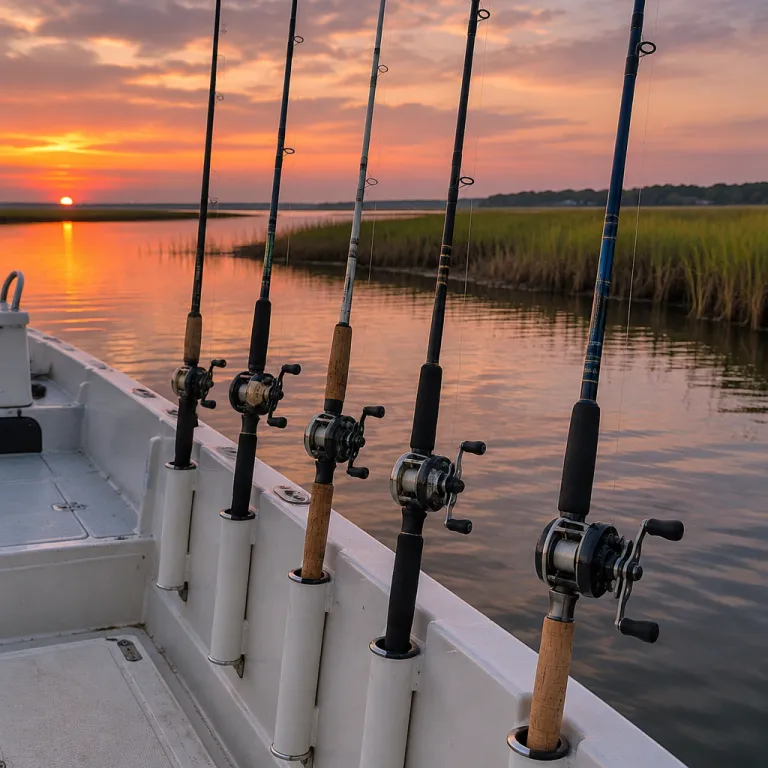
Defining the best inshore casting rod for real coastal conditions
The best inshore casting rod is the one that matches your everyday coastal conditions, not the most expensive model on the rack. When you fish shallow bays, mangrove shorelines, oyster bars and grass flats, the rod must cast light lures accurately yet still turn a strong fish away from structure. A balanced inshore setup lets you work soft plastics or live bait with stealth while keeping enough power in reserve for speckled trout, flounder or a surprise black drum.
For most inshore fishing situations, a medium or medium light casting rod between 2.1 and 2.3 metres (about 7'–7'6") covers the widest range of lures. A medium power rod handles heavier soft plastics and small plugs, while a true medium light blank excels with lighter lures and subtle presentations for trout, flounder and speckled trout. When anglers compare rods at regular price versus discounted price tags, they should focus first on blank quality, fast action and balance rather than the sticker alone.
Inshore rods must be designed for saltwater, with corrosion resistant guides and reel seats that stand up to daily fishing inshore around spray and brine. A good inshore casting rod pairs with a compact baitcasting reel spooled with 10 to 20 pound braid, giving long casts and strong hook sets without excess weight. Many manufacturers now offer dedicated inshore series rods, so you can buy a rod tuned for coastal fish instead of adapting a generic freshwater model.
Power, action and length when choosing an inshore casting blank
Power and action define how a rod behaves under load and during the cast. For the best inshore casting rod, a fast action tip with medium or medium light power gives quick hook penetration while still cushioning head shakes from speckled trout or flounder. Extra fast action blanks feel crisp but can pull hooks on soft mouthed fish, especially when you fish braid with a short fluorocarbon leader.
Medium power inshore rods shine when you fish heavier lures around hard structure such as docks, rock piles and oyster beds. A medium light blank feels better for open flats, where long casts with light soft plastics or small topwaters tempt spooky fish in clear water. When you compare any spinning rod or casting rod for coastal use, think about the heaviest lure you will throw and the largest fish you realistically expect to fight.
Rod length also matters for inshore fishing because it controls casting distance and line control over grass or shell. A 2.1 metre rod offers precise casting around mangroves, while a 2.3 metre blank helps launch lures across wind blown flats where fish roam widely. Anglers who already own spinning rods for bass can study how those rods feel, then look for a similar fast action in a saltwater rated inshore series casting model designed for coastal work, using a detailed crankbait rod guide such as a serious bass rod selection article as a technical reference.
As a quick comparison when you stand in the tackle shop:
- Medium light / fast: 1/8–1/2 oz lures, open flats, spooky trout and flounder.
- Medium / fast: 1/4–3/4 oz lures, docks, rocks, oyster bars and mixed species.
Matching reels, line and leaders to your inshore casting rod
A rod only performs at its best when the reel, line and leader match its design. For most inshore casting rods, a low profile baitcasting reel in the 100 to 200 size range balances well and keeps the overall setup light in the hand. On common reel platforms, that means models similar in size to a Shimano Curado 150, Daiwa Tatula 100 or Abu Garcia Revo 4 inshore. Choose a reel with a smooth drag and corrosion resistant components, because saltwater quickly exposes weak designs during regular fishing inshore sessions.
Spool the reel with 10 to 20 pound braid, adjusting line strength to the structure and target fish size. Lighter 10 to 15 pound braid suits open flats and speckled trout, while 20 pound braid is safer around docks, oyster beds and heavier black drum. Always add a fluorocarbon leader of roughly 10 to 20 pound test (about 0.25 to 0.40 millimetres in diameter), long enough to protect against abrasion but short enough to pass cleanly through the guides during a quick cast.
Some anglers prefer spinning rods and spinning reels for very light lures, especially when they fish soft plastics or small live bait under popping corks. In that case, a 2500 to 3000 size spinning reel on a 2.1 metre spinning rod rated medium light offers excellent casting distance with minimal effort; in most brands, a 2500 and 3000 share the same body with different spool depth. Serious coastal anglers who already invested in custom surf rods for the beach, often described in detailed analyses of why surf anglers choose custom surf rods, can apply the same matching logic when they buy compact inshore rods for boat or kayak use.
Lure techniques and how they influence inshore rod choice
The best inshore casting rod for soft plastics is not always ideal for heavy live bait rigs. When you work soft plastics on jig heads across grass flats or along oyster beds, a fast action medium light rod transmits subtle bottom contact and gentle bites. That same rod may feel underpowered when you fish large live bait for black drum near heavy structure or bridge pilings.
For hard lures such as jerkbaits, small topwaters and twitch baits, a fast action medium power rod around 2.1 metres gives crisp control. The quick tip lets you impart sharp movements, while the stronger mid section turns fish away from rocks, docks and other structure. When you fish inshore with heavier spoons or compact metal lures in strong wind, stepping up to a slightly longer rod improves casting distance and line control.
Anglers who split time between casting gear and spinning setups should think about technique overlap before they buy new rods. If spinning rods already cover the lightest lures, you can select a casting rod that favours medium lures and stronger fish. For kayak anglers planning rod holders and crate systems, a detailed guide on rigging a fishing kayak with rod holders helps decide how many inshore rods to carry and which techniques each rod will cover.
Stealth, sensitivity and fighting power around inshore structure
Stealth matters in shallow inshore water, where fish often feed in less than one metre of depth. A light, sensitive blank lets you cast quietly, land lures softly and feel subtle takes from speckled trout or flounder before they spit the bait. When you fish clear flats with little wind, a medium light fast action rod paired with thin braid and a long leader offers maximum stealth.
Around heavier structure such as docks, rock walls and dense grass, the best inshore casting rod needs more backbone. A medium power fast action blank gives quick hook sets and enough lifting strength to pull fish away from danger. This balance between sensitivity and power is why many manufacturers build dedicated inshore series rods, tuned for saltwater use with reinforced guides and durable finishes.
Price always enters the decision, but regular price does not always reflect real value for coastal anglers. Some rods at modest price sold levels use excellent blanks with simple hardware, while others at higher price points add cosmetic features that do not help you land more fish. When you plan a quick buy online, take time to read detailed specifications about blank material, guide quality and reel seat design rather than only scanning the price column.
Budget, value and when to upgrade your inshore casting rod
Every angler must balance performance with budget when choosing the best inshore casting rod. Entry level inshore rods at regular price points often use heavier blanks, but they still handle basic inshore fishing for school sized fish. As you fish more often and refine techniques with soft plastics or light lures, the benefits of a lighter, more sensitive blank become obvious.
Mid range inshore series rods usually offer the best ratio between price and performance for most recreational fishermen. They combine quality guides, corrosion resistant components and refined tapers that cast well with both light and medium lures. When you compare models, look beyond the price sold tag and focus on warranty terms, build consistency and how the rod feels in hand with your preferred reel and line.
Upgrading makes sense when your current rod limits casting distance, sensitivity or fish fighting control around structure. If you often lose fish near oyster beds or grass because the blank feels too soft or too slow, a faster action medium power rod can change your results quickly. Before you buy, handle several rods, check balance with your usual size reel and imagine how each setup will perform during long days of fishing inshore for speckled trout, flounder and black drum.
Key statistics about inshore casting rods and coastal fishing
- Sales reports from large US tackle retailers consistently show that inshore rods between 2.1 and 2.3 metres (roughly 7'–7'6") account for a majority of coastal rod sales, reflecting strong angler preference for versatile lengths that cast far yet remain manageable on small boats.
- Line charts published by leading braid manufacturers such as PowerPro, Sufix and SpiderWire highlight 10 to 20 pound braid as the core inshore range, because it offers a practical balance between casting distance, stealth and abrasion resistance around structure.
- Surveys of coastal anglers in the Gulf of Mexico and Atlantic regions, summarised in state fisheries reports, regularly list speckled trout, flounder and black drum among the top targeted inshore species, which explains why medium and medium light fast action rods dominate the inshore series categories.
- Warranty and service notes from several rod brands indicate that corrosion related failures drop significantly when anglers use saltwater rated inshore rods, underlining the importance of choosing blanks and components specifically designed for saltwater environments.
- Retail purchasing data from multi store chains show that mid range rods, priced below premium flagship models but above entry level gear, deliver the highest repeat purchase rates, suggesting that many recreational fishermen find the best long term value in this segment.
FAQ about choosing the best inshore casting rod
What power and action are best for a general purpose inshore casting rod ?
For most coastal situations, a medium power fast action casting rod between 2.1 and 2.3 metres covers the widest range of lures and fish sizes. This combination handles soft plastics, small hard lures and light live bait while still turning strong fish away from structure. Anglers who focus on very light lures in clear, shallow water can step down to a medium light fast action blank for extra sensitivity and stealth.
Should I choose braid or monofilament for my inshore casting setup ?
Braid between 10 and 20 pounds is the most practical choice for inshore casting rods because it casts far, cuts through wind and transmits subtle bites clearly. A fluorocarbon leader of roughly 10 to 20 pound test (about 0.25 to 0.40 millimetres) adds abrasion resistance and reduces visibility around oyster beds, rocks and docks. Monofilament still works for anglers who prefer more stretch, but it generally reduces sensitivity and casting distance compared with modern braid.
What length rod is best for fishing from a small boat or kayak ?
From a small boat or kayak, a rod between 2.0 and 2.2 metres offers a good balance between casting distance and manoeuvrability. Shorter rods are easier to swing inside tight cockpits and around consoles, especially when you fight fish close to the hull. Kayak anglers should also consider how the rod fits in holders and storage systems when planning their overall inshore setup.
Can I use a freshwater casting rod for inshore saltwater fishing ?
Some freshwater casting rods can handle occasional inshore use, but they often lack corrosion resistant components and may not be designed for the heavier loads of saltwater fish. Dedicated inshore rods use stronger guides, reinforced reel seats and finishes that better resist saltwater exposure. If you fish coastal areas regularly, investing in a purpose built inshore series rod usually saves money over time by reducing failures and replacements.
How much should I spend on my first serious inshore casting rod ?
For a first serious inshore casting rod, a mid range model typically offers the best balance between price and performance. Rods in this category use quality blanks and components without the cosmetic extras that drive up regular price on flagship models. As your skills and fishing time increase, you can then decide whether a higher end rod will provide enough extra sensitivity and durability to justify the higher price sold level.