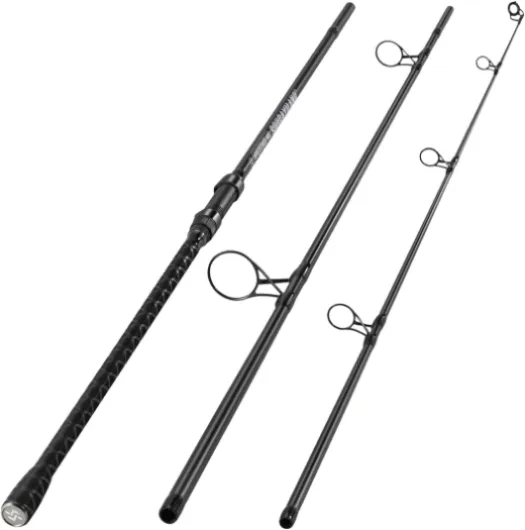
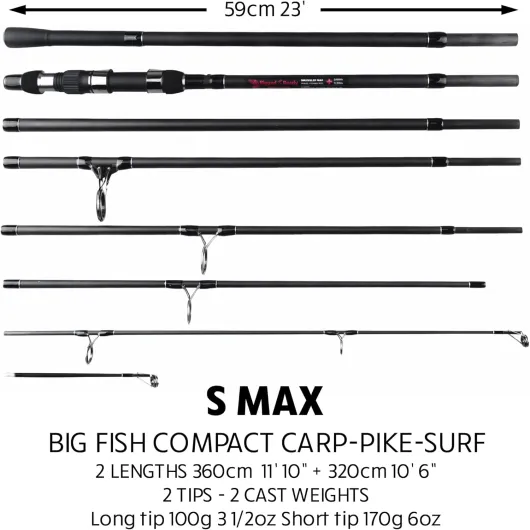
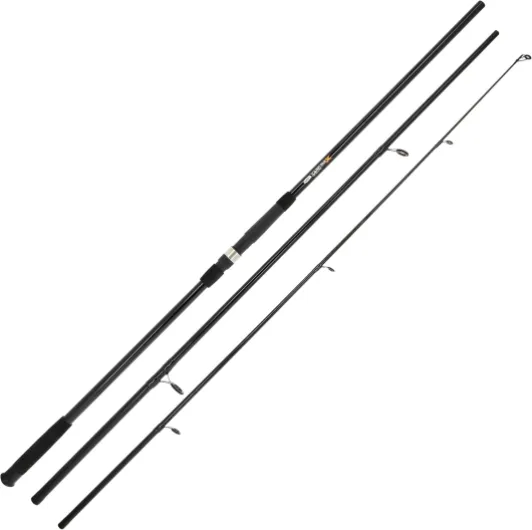
Understanding test curve, playing action, and long range performance
The test curve rating is the backbone specification for any carp rod. Test curve describes how much weight is needed to pull the rod tip through a right angle, and it gives a reliable guide to both casting weight and fish playing power. Matching test curve to your lead weight and rig keeps casting safe and efficient.
For short to medium range carp fishing on small lakes, a test curve between 2.5 lb and 3.0 lb usually offers the best compromise. These rods provide a forgiving playing action that cushions sudden lunges when a carp kites under the rod tip, especially when you use lighter hook links. On pressured venues where fish fight hard in the margins, that softer curve can mean the difference between landing and losing a wary fish.
Long range casting demands a different approach to rod design. A 3.25 lb to 3.75 lb test curve carp rod with a faster action stores more energy in the blank, then releases it efficiently during the cast. Pair such rods with a suitable long range reel and streamlined leads to reach distant gravel bars or plateaus.
When you evaluate playing action, imagine the full fight from first run to netting. A rod that locks up too quickly can pull hooks during sudden changes of direction, while a rod with a smooth progressive curve keeps constant pressure on the fish. Many anglers describe their ideal carp rod’s regular action as firm in the butt yet forgiving in the tip for controlled fish playing.
Reel choice also influences how the rod behaves under load. A large spool model such as a long cast reel tested in detailed spinning reel reviews can balance a powerful blank and help maintain line lay during heavy casting. Always mount your chosen reel on the rod before purchase, because the combined weight and balance affect both casting and the feel of every carp during the fight.
Comparing key carp rod ranges from Daiwa, Sonik, NGT, and Korda
Among modern carp rods, several ranges stand out for consistent performance. The Daiwa Crosscast carp rod series offers a strong blend of casting power and refined playing action at a mid level price. Many recreational anglers pair Daiwa Crosscast rods with matching reels for an all round carp fishing setup.
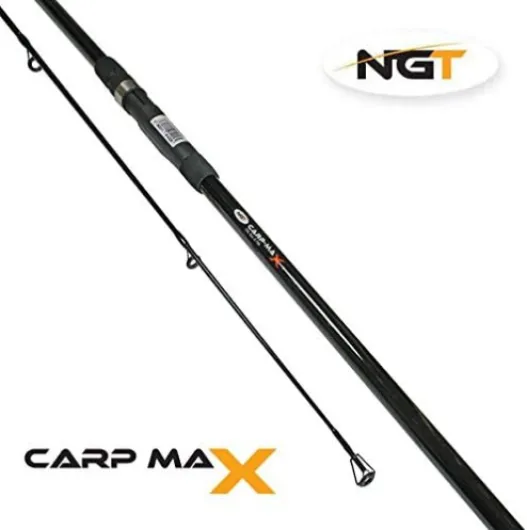
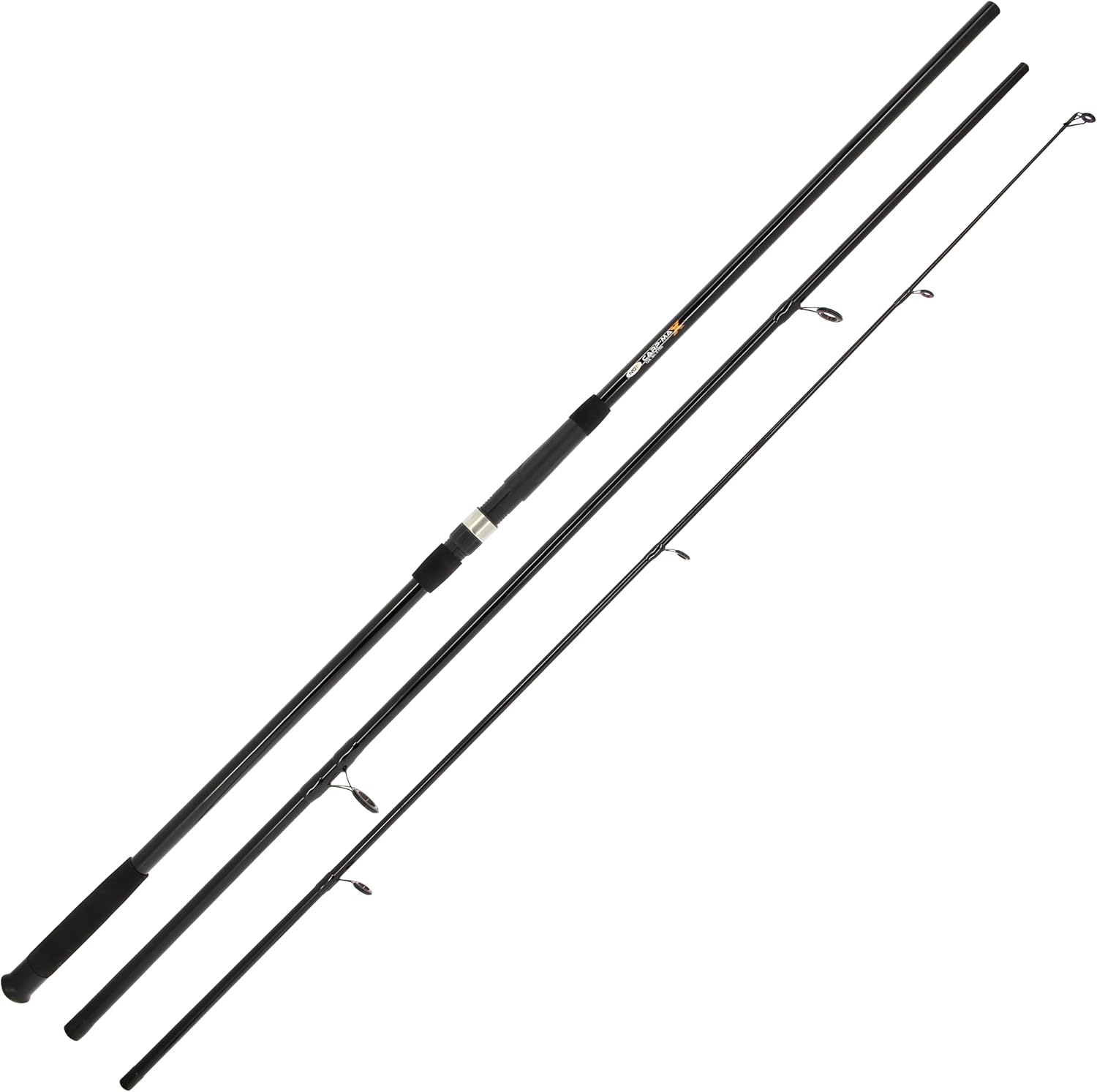
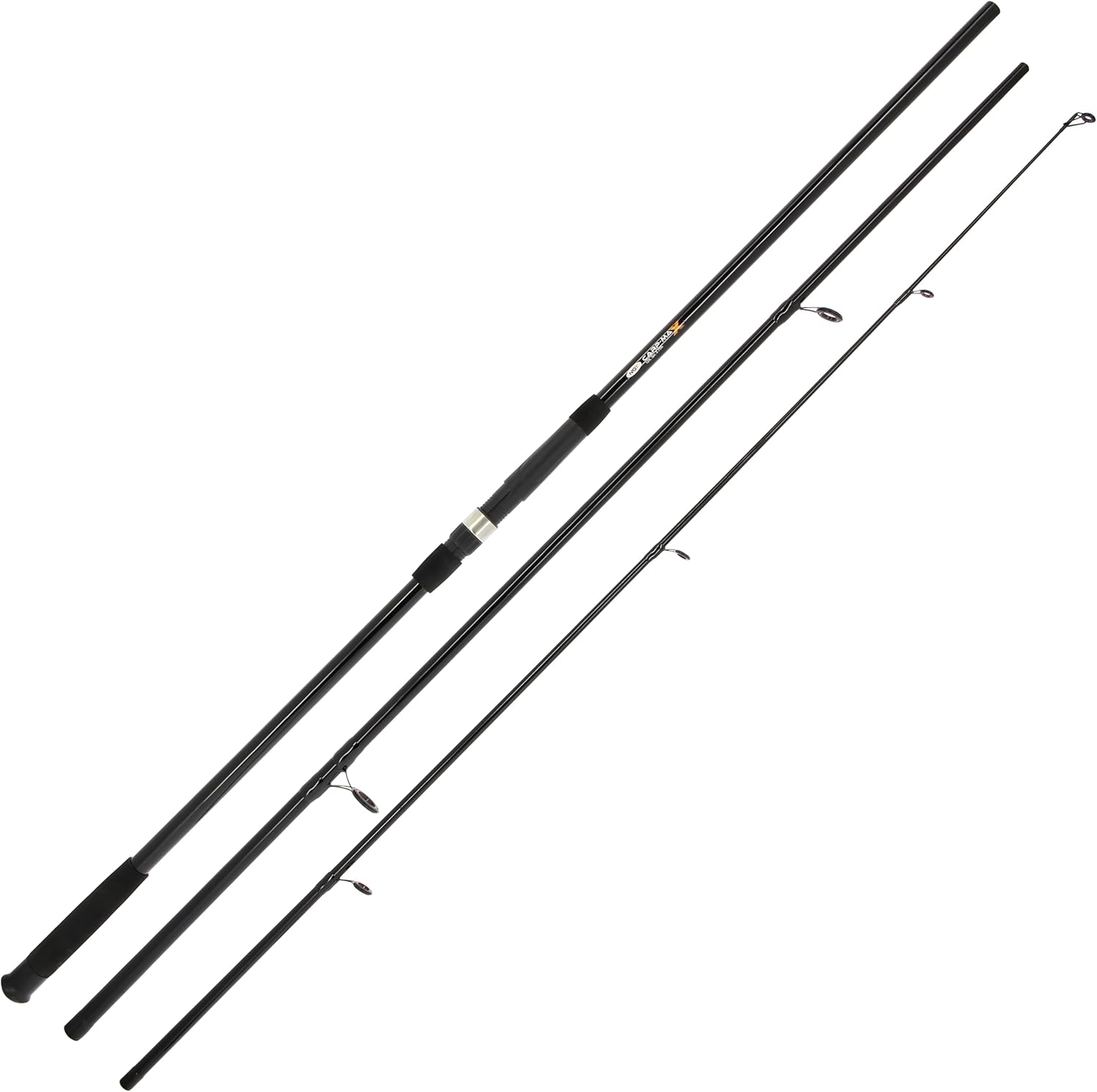
For those on a tighter budget, the NGT carp rods range provides accessible options without excessive compromise. An NGT rod with a 3.0 lb test curve can handle regular carp fishing on day ticket waters, especially when matched with a reliable mid sized reel. Check both regular price and any sale price carefully, because NGT often runs promotions that bring the effective price sale well below competing entry level rods.
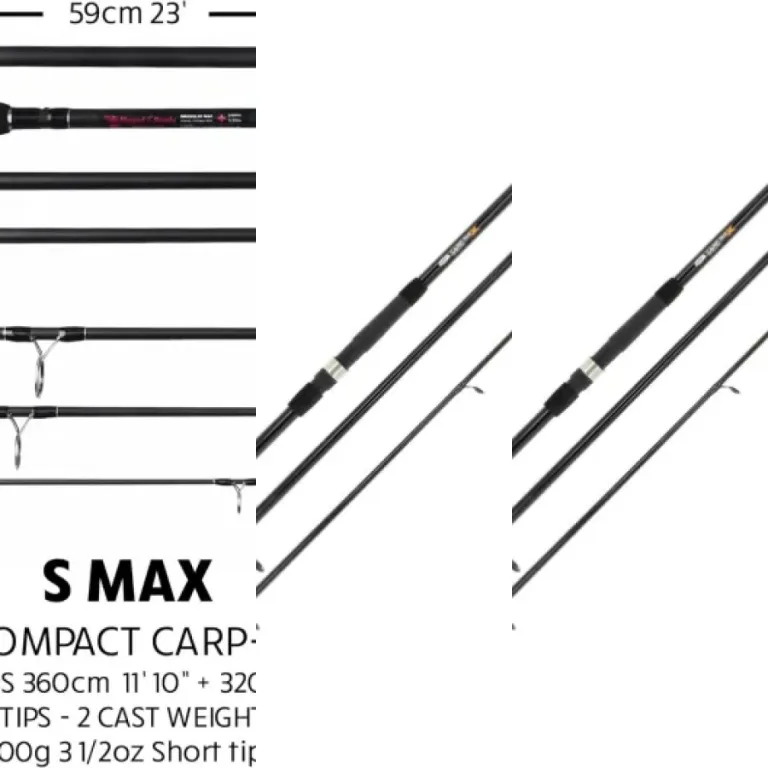
Sonik has built a strong reputation with its compact Sonik Xtractor carp rods. Each Sonik Xtractor rod packs down short for easy transport, yet still offers a crisp casting action and surprisingly smooth curve under load. These rods suit anglers who walk long distances around large lakes or travel light on holiday sessions.
Daiwa Black Widow carp rods occupy another important segment of the market. A standard Black Widow carp rod typically features a responsive blank that helps newer anglers feel the lead down and read the lake bed. When you compare Daiwa Black Widow rods to more expensive Daiwa ranges, you notice slightly less refinement but very solid core performance for the price.
Korda focuses more on terminal tackle, yet the Korda Kaizen rod series has attracted attention among dedicated carp anglers. The Korda Kaizen Green and Kaizen Platinum carp rods combine attractive cosmetics with carefully tuned actions for both casting and fish playing. If you value a coordinated setup, pairing a Kaizen Green carp rod with matching green accessories creates a cohesive and practical fishing kit.
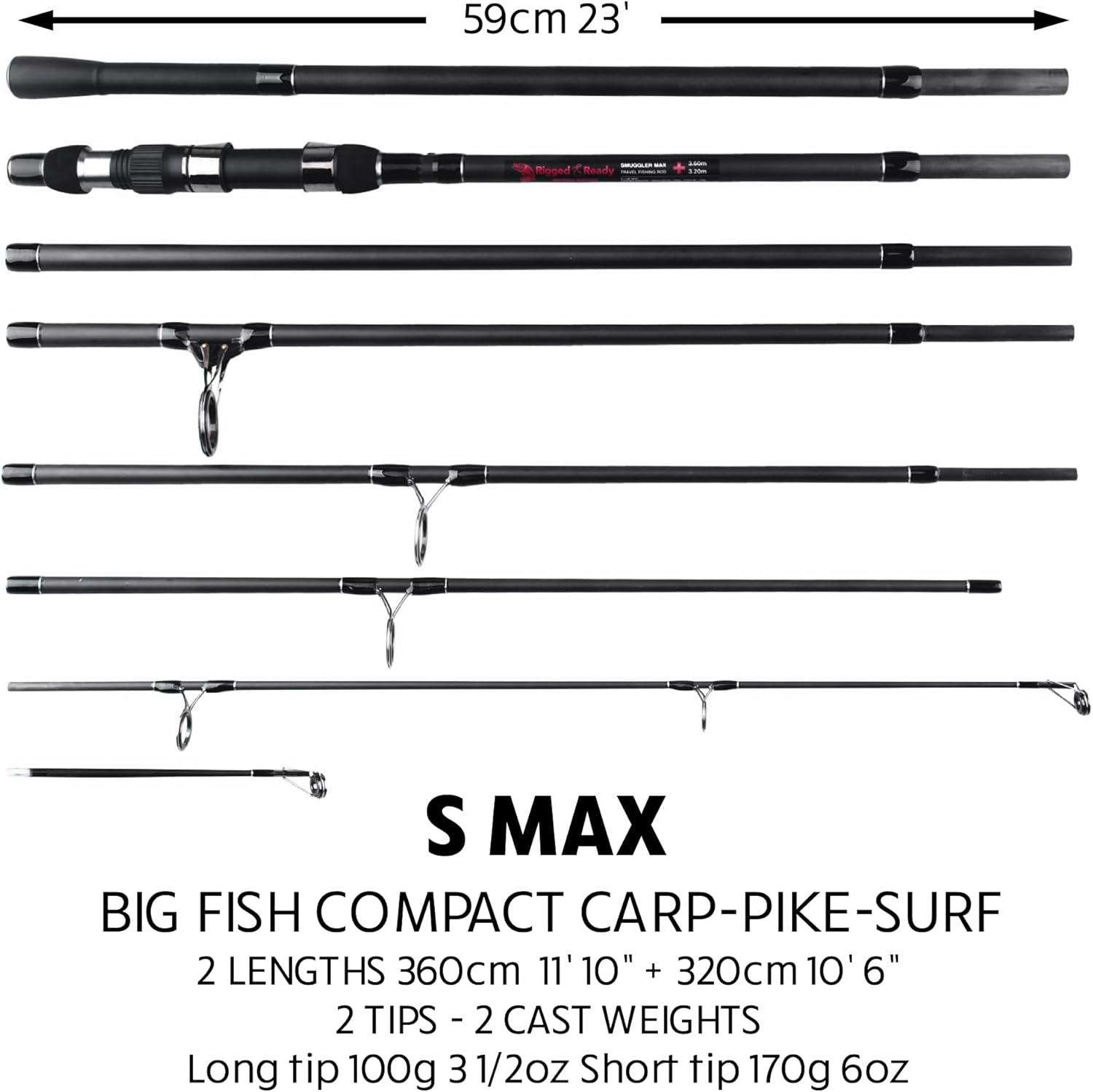
Travel minded anglers sometimes complement their main carp rods with a compact pen style rod and reel combo. A portable telescopic pen fishing rod and reel set can live in the car for opportunistic fishing, while your primary carp rods handle serious sessions. Such compact gear will never replace a full sized carp rod, yet it broadens your fishing options when time is short.
| Rod range / model |
Typical lengths |
Common test curves |
Typical price band* |
| Daiwa Crosscast carp rods |
3.60 m, 3.90 m |
3.0 lb, 3.25 lb, 3.5 lb |
Mid range |
| Daiwa Black Widow carp rods |
3.60 m, 3.90 m |
2.75 lb, 3.0 lb, 3.25 lb |
Lower mid range |
| Sonik Xtractor carp rods |
3.00 m, 3.30 m |
2.75 lb, 3.0 lb, 3.25 lb |
Lower mid range |
| NGT carp rods |
3.00 m, 3.60 m |
2.5 lb, 3.0 lb |
Budget |
| Korda Kaizen Green / Platinum |
3.60 m, 3.90 m |
3.0 lb, 3.25 lb, 3.5 lb |
Upper mid to premium |
*Price bands are indicative and based on typical UK retail positioning at regular price.
Action profiles, colour choices, and the role of Kaizen Green
Action profiles define how a carp rod behaves from butt to tip. A fast action rod bends mainly in the top third, giving crisp casting and quick line pick up, while a more regular action spreads the curve deeper into the blank. Many anglers prefer a semi progressive playing action that blends both characteristics for versatile carp fishing.
Colour and finish might seem cosmetic, yet they influence how you feel about your gear. The Kaizen Green finish on certain Korda Kaizen carp rods, for example, offers a subtle green tone that blends into bankside vegetation and reduces visual clutter around the rod pod. Some anglers find that a calm, green themed setup helps them focus on watercraft and fish behaviour rather than bright hardware.
Kaizen Platinum rods take the same design philosophy and add upgraded fittings. A Kaizen Platinum carp rod often features higher grade guides and a refined handle, which improve both casting feedback and long term durability. When you compare Kaizen Green and Kaizen Platinum side by side, the underlying playing action remains similar while the premium model feels slightly more responsive.
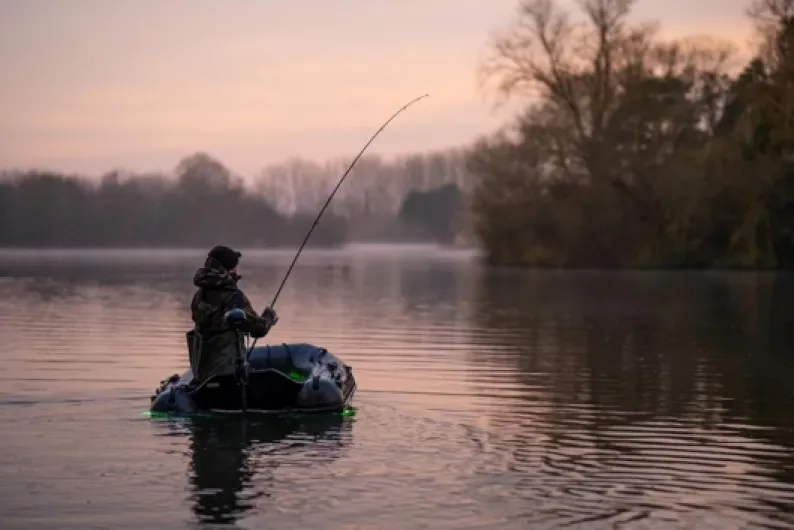
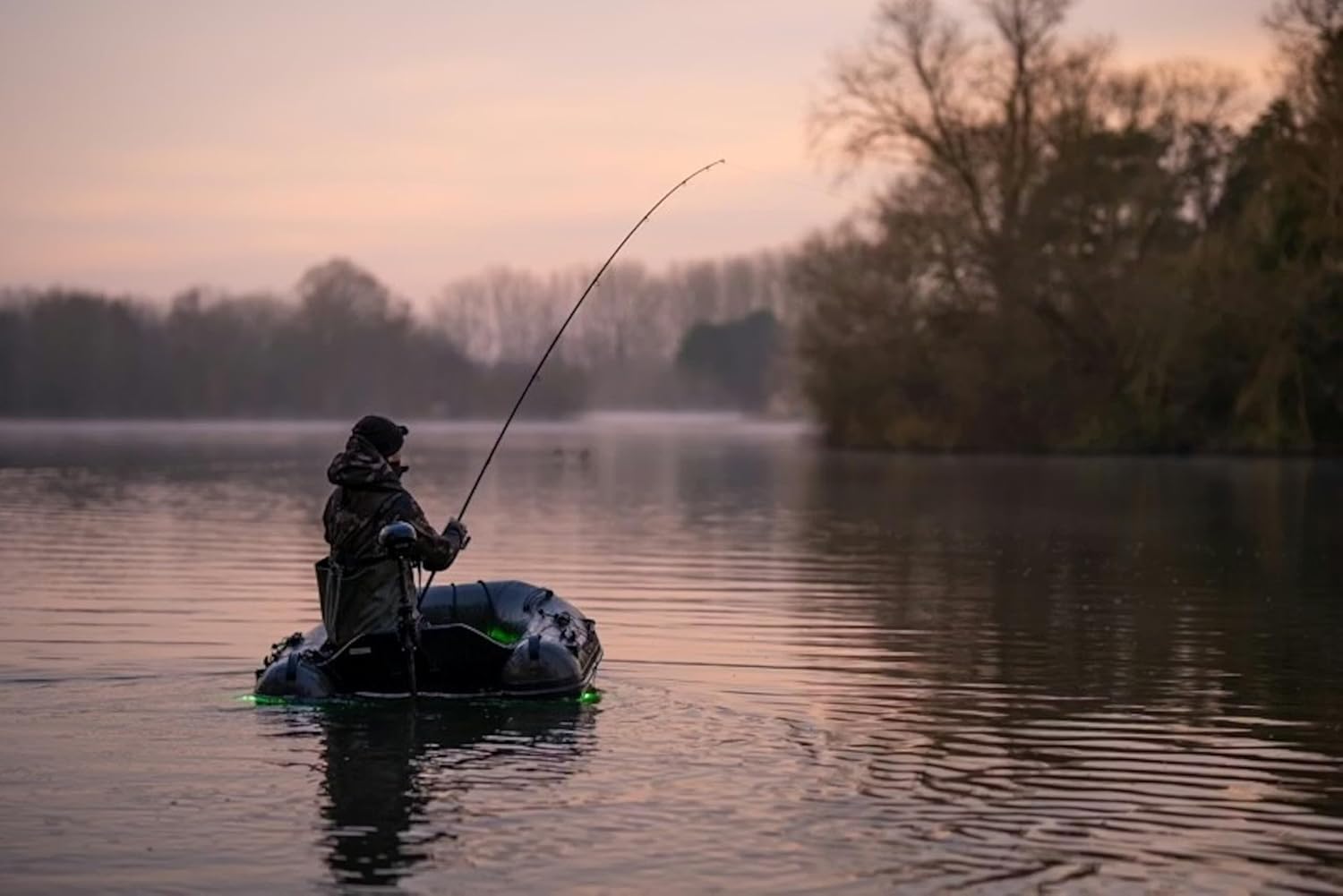
During a fight, the visible curve of the rod tells you how much pressure reaches the hook hold. A well designed carp rod shows a smooth, even curve without flat spots, which indicates that the blank is working efficiently along its length. This balanced curve helps you steer a powerful carp away from snags while keeping steady pressure on the fish.
Some anglers choose rods with understated black cosmetics, such as many Daiwa Black models, while others enjoy the distinctive Kaizen Green look. Both black and green finishes perform identically in terms of action, so the decision rests on personal preference and how you like your setup to appear on the bank. Matching your rod colour to your reel and luggage can create a cohesive system that feels more professional and organised.
Whatever colour you choose, prioritise the right action and test curve for your waters. A regular action 3.0 lb carp rod in Kaizen Green will always outperform a mismatched fast action rod in the wrong test curve, regardless of appearance. Let the fish, the distance, and the venue dictate your choice, then select the cosmetics that make you confident every time you cast.
Balancing rod, reel, and terminal tackle for effective carp fishing
The best carp rods only reach their full potential when paired with suitable reels and terminal tackle. A powerful long range rod demands a robust reel with a smooth drag, while a softer playing action rod can work well with a lighter reel for stalking. Balance the total weight so the setup feels neutral in the hand during both casting and fish playing.
When you choose a reel for carp rods, consider spool size, retrieve rate, and drag design. Large spools help long range casting by reducing line friction, especially when combined with tapered shock leaders and streamlined leads. A smooth, progressive drag protects hook holds when a carp surges under the rod tip, complementing the rod’s own playing action.
Terminal tackle also interacts with the rod’s curve and action. Heavier leads require a higher test curve carp rod to cast safely, while lighter leads pair better with more forgiving rods for close range work. Matching hook link strength and stretch to the rod’s behaviour ensures that the whole system works together when a carp bolts.
Lure and bait presentation can benefit from specialised gear as well. On some venues, anglers use segmented swimbaits with turbulent wiggling and vibrating actions to target predatory fish alongside their carp fishing, and a dedicated lure rod handles these lures more effectively than a heavy carp rod. Keeping roles clear between rods avoids compromising the performance of your primary carp setup.
Price remains a constant consideration when assembling a complete carp fishing system. Look at the regular price of rods, reels, and terminal tackle, then calculate the total rather than chasing isolated sale price offers. A balanced kit at fair price sale levels will serve you better than a mismatched collection of discounted items that never quite work together.
Over time, many anglers refine their gear towards a small number of trusted combinations. One favourite might be a 3.60 metre, 3.25 lb test curve carp rod paired with a mid sized long cast reel for general work, while a shorter stalking rod handles margin fish. This layered approach lets you respond to changing conditions without carrying unnecessary equipment.
Value, pricing strategies, and when to upgrade your carp rods
Understanding value helps you decide when to invest in new carp rods. A rod’s regular price reflects materials, design time, and brand support, while temporary sale price reductions often respond to seasonal demand or new model launches. Evaluating both price and performance keeps you from overpaying for cosmetic updates that add little to your fishing.
When comparing carp rods from Daiwa, Sonik, NGT, and Korda Kaizen models, list the features that genuinely affect your angling. Blank material, guide quality, handle design, and real world casting performance all matter more than minor colour changes or packaging. If a rod at price sale levels offers the same core specifications as a more expensive competitor, it may represent better long term value.
Upgrading makes sense when your current rods limit your fishing. If you struggle to reach long range spots where carp regularly show, a higher test curve carp rod with a faster casting action can open new areas of the lake. Likewise, if you lose fish regularly at close quarters, a rod with a more forgiving playing action might reduce hook pulls.
Consider also how often you fish and under what conditions. A recreational angler who fishes a few weekends each month on small waters may never need top tier Kaizen Platinum or flagship Daiwa Black models, because mid range rods already exceed the demands of such venues. On the other hand, regular sessions on big, windswept reservoirs justify investing in higher performance blanks that maintain accuracy at distance.
Keep an eye on both rods’ regular pricing and genuine clearance sales from reputable retailers. A well timed purchase at a realistic price sale can free budget for a better reel, higher quality line, or improved bite alarms. Over several seasons, these incremental upgrades build a reliable, confidence inspiring carp fishing system.
Ultimately, the best carp rods for you are those that match your waters, your casting style, and your budget. A thoughtfully chosen carp rod at a fair regular price will outlast several impulse buys driven only by short term sale excitement. Take time to test, compare, and reflect before committing, and your rods will reward you with years of memorable fish playing experiences.
Key figures about carp rods and recreational carp fishing
- Industry reports from European tackle trade bodies indicate that carp rods and related carp fishing equipment represent a substantial share of coarse fishing rod sales across major EU countries, highlighting the sustained popularity of carp angling. For example, summaries from the European Fishing Tackle Trade Association (EFTTA) note that carp and specimen gear remain one of the fastest growing coarse segments.
- Surveys of recreational anglers in the United Kingdom consistently show that typical test curve choices cluster between 2.75 lb and 3.25 lb for most carp rods purchased, confirming that mid range power ratings suit many venues and fishing styles. Trade press round ups in magazines such as Angling Times and Carpworld regularly report similar figures when reviewing new rod launches.
- Sales data from leading brands such as Daiwa and Sonik suggest that rod lengths of around 3.60 metres account for a large proportion of carp rod sales, while shorter 3.00 metre stalking rods and longer 3.90 metre distance rods share the remaining segment. Retail buyer guides published by major UK tackle chains echo this pattern when discussing stock planning.
- Consumer research conducted by tackle retailers notes that anglers often keep a favourite carp rod for more than five seasons, which means that decisions about regular price versus sale price have long term consequences for satisfaction and value. Feedback collated from loyalty card schemes and online product reviews typically shows high repeat use of trusted models.
- Field testing by specialist magazines regularly reports noticeable casting gains when anglers switch from underpowered rods to correctly matched long range carp rods with suitable test curve ratings, especially when combined with appropriate reels and line. In several comparative tests published by UK carp titles, testers recorded distance increases of 10–20 metres when moving from 2.75 lb all rounders to 3.5 lb distance tools.