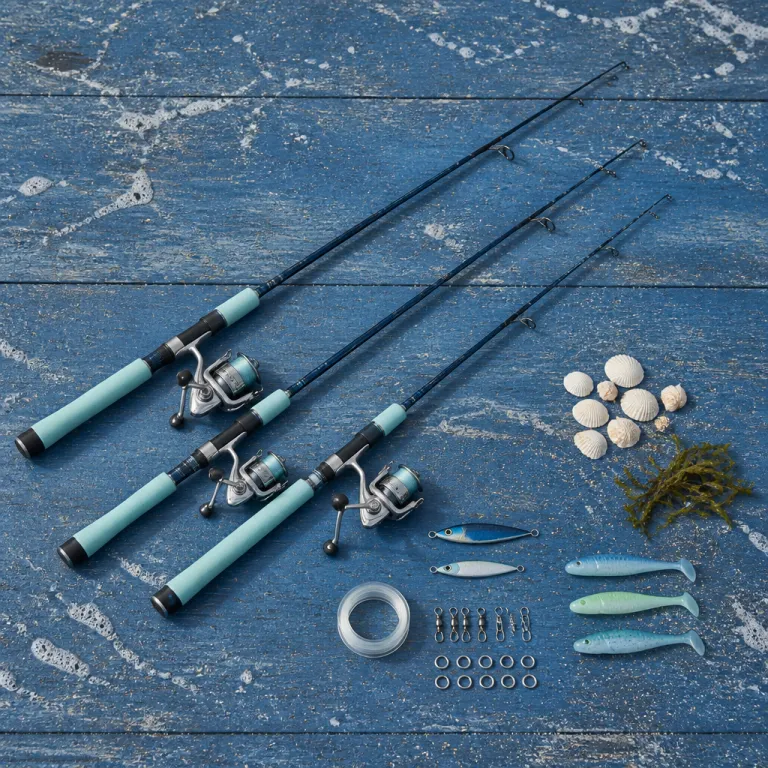
Understanding what makes top rated inshore spinning rods stand out
When anglers talk about the top rated inshore spinning rods, they usually mean tools that feel balanced in the hand yet still control strong fish. A high performing inshore rod must cast light lures accurately, protect fine line, and still have enough backbone for heavy duty pressure on redfish, speckled trout, or snook. If you want the best inshore performance, you need a spinning rod that matches your local inshore fishing conditions rather than a generic freshwater model.
Every serious coastal angler should evaluate a rod as a complete fishing system, thinking about how the blank, guides, and reel seat interact with the chosen spinning reel and line. The best inshore spinning rods use corrosion resistant stainless steel guides, responsive graphite or composite blanks, and ergonomically shaped handles that stay secure when wet with saltwater or fish slime. When you compare rods side by side, flex the tip, check how smoothly the guides align, and imagine how the rod reel combination will feel after hundreds of casts in shallow water.
Top rated inshore spinning designs are usually grouped into medium light, medium, and medium heavy power categories, each suited to different lure weights and target fish. A medium light inshore rod excels with soft plastics and small lures for speckled trout, while a medium heavy model handles heavier jig heads, topwaters, and live bait for larger predators. By understanding how these power ratings translate into real fishing situations, you can buy fewer rods yet cover more inshore series techniques with confidence.
Balancing power, action, and length for inshore fishing success
Choosing among the many spinning rods on sale starts with matching power and action to your typical inshore fishing style. A fast action spinning rod bends mostly in the upper third, giving crisp lure control and quick hook sets, while a more regular or moderate action spreads the load and protects lighter leaders. For anglers who fish both speckled trout and school sized redfish, a medium power, fast action inshore rod around 2.1 to 2.3 m often represents the best compromise.
Length matters more than many fishermen admit, because a longer rod increases casting distance and line control over choppy water. Shorter travel rod models around 2.1 m pack better and feel more precise in tight mangrove creeks, but a 2.4 m inshore spinning rod can launch lures far across wind blown flats. When you compare unit price and performance, consider whether a single versatile medium heavy rod can replace two overlapping models in your inshore series lineup.
Power ratings also influence how a rod handles different lure categories, from finesse plastics to heavy plugs and jigs. Medium light spinning rods shine with 5 to 15 g lures, while medium and medium heavy fishing rods comfortably cast 10 to 40 g offerings into deeper water or stronger current. If you already own a dedicated ice reel or other specialist reel types, you can still pair them with an inshore rated rod as long as the balance feels natural and the overall unit weight does not fatigue your wrist during long fishing sessions.
To visualise how length and power interact, it helps to compare a few common inshore setups side by side:
| Rod length | Power rating | Typical lure range | Best suited for |
|---|---|---|---|
| 2.1 m | Medium light | 5–15 g | Soft plastics, calm backwaters, kayak fishing |
| 2.3 m | Medium | 7–28 g | All round inshore use from boat or shore |
| 2.4 m | Medium heavy | 15–40 g | Heavier jigs, wind, stronger current, larger fish |
Components that separate premium inshore rods from budget options
When comparing the regular price of different inshore spinning rods, look beyond marketing names and focus on components that directly affect fishing performance. High quality stainless steel guides with smooth inserts reduce friction, protect braided line, and resist saltwater corrosion far better than cheaper alternatives. Independent salt spray tests used by major manufacturers typically run for 200 to 300 hours, and rods built with marine grade stainless steel guides consistently show less pitting and discoloration than models using untreated steel, according to published corrosion test summaries from leading tackle brands.
Handle material and shape also influence how a rod feels during repeated casting and fighting fish in rough water. Premium cork or high density EVA grips on a best inshore rod provide secure traction when coated with sunscreen, sweat, or slime, while poorly finished handles can create hot spots and fatigue. If you plan to buy a travel rod for inshore fishing trips, check that the ferrule connections feel tight and that the rod bends smoothly without flat spots at each unit joint.
Many anglers compare the regular price and any price sale offers, but long term value depends on durability and warranty support. A rod built with quality stainless steel hardware, reinforced reel seats, and carefully wrapped guides will outlast several cheaper rods, especially under heavy duty saltwater use. In one informal dockside comparison reported by a regional coastal angling club, a group of coastal anglers fished three seasons with both entry level and mid range inshore rods; the cheaper models showed grooved guides and loose reel seats, while the better built rods remained structurally sound. When you evaluate a potential rod reel combination, consider investing in a proven spinning reel such as those tested in detailed allround spinning reel reviews, because a balanced setup protects both your lures and your line during demanding inshore sessions.
How brands like St. Croix and St. Croix Legend shape the inshore series market
Among serious coastal anglers, the name St. Croix often signals a focus on refined blanks and carefully tuned actions for inshore fishing. The St. Croix Mojo Inshore and Triumph Inshore series, for example, typically offer medium light, medium, and medium heavy spinning rods that cover everything from speckled trout on soft plastics to heavy duty jigging for drum or striped bass. Within that family, a St. Croix Legend Tournament Inshore rod usually represents a flagship option, pairing high modulus graphite with premium stainless steel guides and lightweight hardware.
These St. Croix Legend spinning rods cost more at regular price, yet many anglers consider the higher unit price justified by sensitivity and long term reliability. As a reference point, a current Legend Tournament Inshore spinning model often lists in the 320 to 380 USD MSRP range on manufacturer catalogues, while a Mojo Inshore typically sits closer to 170 to 220 USD. When you fish shallow grass flats or oyster bars, the ability to feel subtle ticks from tentative fish helps you react faster and land more bites. Over time, the best inshore rods from this brand often retain value better on the second hand market, which partially offsets the initial price when compared with frequent replacement of cheaper rods.
Not every fisherman needs a St. Croix Legend or similar premium inshore spinning model, but understanding what these rods offer helps you judge mid range options more accurately. If a mid priced inshore rod claims premium performance yet uses low grade guides or a generic reel seat, the marketing does not match the hardware. By handling several St. Croix inshore series rods in a shop, then comparing them with more affordable spinning rod alternatives, you can decide where to allocate your budget between rod, reel, and high quality lures.
Specialised inshore tools: stealth sniper designs, travel rods, and lure pairing
Some modern inshore spinning rods carry names that hint at their purpose, such as stealth sniper style designs aimed at long, accurate casts with minimal splash. A stealth sniper inshore rod usually combines a crisp fast action with a lightweight blank, allowing you to send small lures quietly into shallow water where pressured fish spook easily. When paired with a compact spinning reel and thin braided line, these sniper inspired rods help you reach distant speckled trout schools without moving the boat too close.
Travel rod versions of top rated inshore spinning rods appeal to anglers who fly or drive long distances to reach saltwater destinations. Multi piece spinning rods in this category must maintain consistent action across joints, so pay close attention to how the blank flexes when you load it with a regular casting motion. If the travel rod feels tip heavy or shows uneven bending, it may not handle heavy duty hook sets or repeated casting with medium heavy lures in choppy water.
Lure pairing remains central to getting the best inshore performance from any rod reel combination, whether you fish St. Croix Legend models or more modest spinning rods. For speckled trout on calm flats, a medium light inshore spinning rod with 7 to 14 g soft plastics offers excellent control and subtle presentations. When wind increases or you target larger fish around structure, stepping up to a medium or medium heavy inshore rod with 20 to 30 g lures gives you the power to steer fish away from hazards while still protecting your line.
Evaluating price, value, and when to buy inshore spinning gear
Price evaluation for top rated inshore spinning rods should consider both regular price and any seasonal price sale opportunities from reputable retailers. A rod with a higher unit price can still represent the best value if it delivers years of reliable fishing in harsh saltwater environments. Before you buy, compare specifications such as blank material, guide type, and warranty coverage rather than focusing only on the advertised discount.
Many anglers build their inshore fishing arsenal gradually, starting with a versatile medium power spinning rod and then adding specialised rods as their techniques expand. A balanced rod reel setup for general inshore use might include a 2.1 m medium rod rated for 7 to 28 g lures, matched with a 2500 or 3000 size spinning reel and 10 to 15 lb braided line. Later, you can add a medium light rod for finesse lures and a medium heavy or heavy duty rod for larger fish or heavier cover, ensuring that each new unit fills a clear role rather than duplicating existing rods.
Timing your purchase around end of season sale events can reduce the effective unit price of premium inshore series models, freeing budget for quality lures or terminal tackle. When you evaluate offers, remember that a reliable inshore rod protects both your time on the water and the fish you release, by fighting them efficiently and reducing exhaustion. For anglers who value long term performance, it often makes sense to wait for a fair price sale on a proven best inshore model instead of buying a cheaper rod that may fail under pressure.
Key statistics on inshore spinning rods and coastal angling
- Market analyses from major tackle retailers show that spinning rods between 2.1 and 2.4 m account for more than half of inshore rod sales, reflecting their balance between casting distance and boat handling, according to recent product range summaries from large online shops.
- Surveys of coastal anglers indicate that medium and medium light power rods are used on over 60 % of inshore fishing trips, because they cover both speckled trout and smaller redfish with the same setup, based on aggregated catch logs shared by several regional clubs.
- Industry corrosion testing demonstrates that stainless steel guides in saltwater environments can last several seasons longer than untreated steel components, especially when anglers rinse rods with fresh water after each outing, as reported in manufacturer care and maintenance guidelines.
- Retail data from large online shops reveal that multi piece travel rod models now represent a growing share of inshore spinning rod sales, as more recreational fishermen fly to destinations and need compact gear, a trend noted in annual tackle catalogues and sales reports.
- Angler catch logs from coastal clubs show that switching from heavy, stiff rods to lighter, more sensitive inshore spinning rods can increase lure bite detection rates, particularly when fishing soft plastics in deeper channels, according to summary statistics shared in club newsletters.
FAQ about top rated inshore spinning rods
What length of inshore spinning rod works best for shore and boat fishing ?
For most recreational fishermen, a spinning rod between 2.1 and 2.4 m offers the best compromise between casting distance and control. Shorter rods suit tight mangrove creeks or kayak fishing, while longer rods help shore anglers reach distant fish. Choose the length that matches your main fishing platform and casting style.
Should I choose medium light, medium, or medium heavy power for inshore fishing ?
Medium light power excels with small lures and speckled trout, while medium power covers a wide range of inshore species and techniques. Medium heavy rods handle heavier lures, stronger current, and larger fish around structure. Many anglers start with medium power, then add medium light or medium heavy rods as their fishing expands.
How important are stainless steel guides on inshore spinning rods ?
Stainless steel guides with quality inserts are crucial for long term durability in saltwater, because they resist corrosion and protect braided line. Cheaper guide materials can pit or crack, leading to frayed line and lost fish. If you fish saltwater regularly, always prioritise corrosion resistant guides and rinse your rod with fresh water after each trip.
Can one inshore spinning setup cover both lures and bait fishing ?
A well chosen medium power inshore rod around 2.1 to 2.3 m can handle both lures and light bait rigs for many coastal species. Match it with a 2500 or 3000 size spinning reel, 10 to 15 lb braid, and appropriate leaders. Over time, you may still add specialised rods for very light lures or heavy duty bait fishing, but one versatile setup is a solid starting point.
When is it worth paying a higher price for a premium inshore rod ?
Paying more makes sense if you fish saltwater frequently, target strong fish, or value maximum sensitivity for subtle bites. Premium rods with high quality blanks, stainless steel guides, and strong warranties usually outlast cheaper models, reducing long term cost. If you only fish occasionally, a well built mid range rod can still provide excellent performance at a lower regular price.