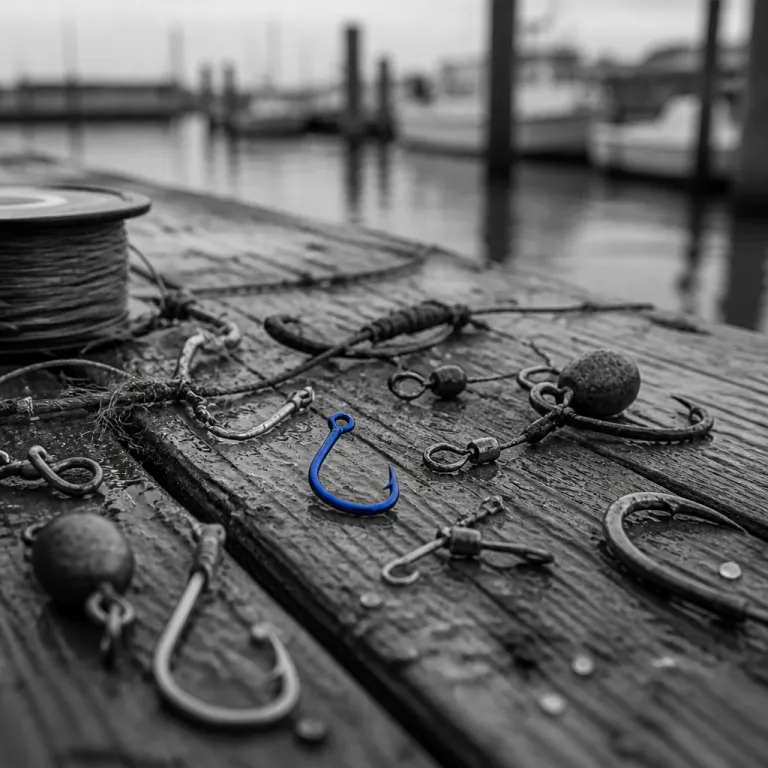
Why saltwater fishing hooks are different from freshwater models
Saltwater fishing hooks face constant corrosion, abrasion, and powerful fish that quickly expose weak gear. When you move from a lake to the surf for serious saltwater fishing, every hook, every bait, and every small detail will decide whether a hook holds or fails. That is why a product marketed as a general fish hook for both fresh and salt water rarely matches a dedicated range of hooks that experienced saltwater anglers rely on.
Inshore species such as sea trout, bass, and bream demand fishing hooks that balance penetration with strength, because a hook that is too thin may bend while a hook that is too thick may not set cleanly in a hard saltwater jaw. Offshore, where you might send live bait or cut bait fish down to reefs, the best saltwater hooks usually combine high carbon steel or stainless steel with protective coatings that slow rust without dulling the point. When you compare a typical freshwater fish hook to a modern saltwater hook, you will notice heavier wire, larger eye diameters, and more aggressive round bend or offset circle designs that keep bait in place during long drifts.
Many anglers ask whether a single set of hook patterns can cover both marine and inland situations, and the honest answer is that compromise always costs you fish. A hook size that works for trout in a river is often too small or too light for surf fishing where waves, current, and sand all work against your gear. If you want consistent results, treat saltwater fishing hooks as a separate product category, and build a box of circle hooks, bait hooks, and treble hooks that are purpose built for the sea.
Choosing hook size, shape, and wire for bait fish and lures
Hook size is the first decision that shapes how your bait fish or lure swims, and it must match both the target fish and the specific bait. For small estuary trout or whiting, a compact fish hook in sizes 4 to 1/0 keeps natural baits lively, while larger surf species such as bluefish or striped bass often need a hook size from 2/0 to 5/0 to present live bait securely in heavy surf. When you rig soft plastics or hard lures, the balance between hook weight and lure action becomes critical, so always test how your chosen fishing hooks affect the sink rate and wobble in a bucket or at the ramp.
Shape comes next, and here the choice between a classic round bend J hook, a circle hook, and an offset circle pattern will change how the fish is hooked and how your bait behaves. Straight shank bait hooks with a gentle round bend suit worms and small bait strips, while offset circle hooks shine with live bait because they rotate into the corner of the jaw during steady pressure. Many modern saltwater hooks use high carbon steel wire to keep points sharp and strong, but you must rinse them after every saltwater fishing trip to avoid rust, especially if you also use them in occasional mixed fresh and salt water sessions.
Wire diameter and material decide how naturally your bait moves and how much pressure you can apply during the fight. Thin wire carbon steel hooks penetrate easily on light tackle, which helps when you fish cautious trout or other small species in clear water, yet thicker wire steel hooks in heavy duty saltwater patterns are safer around reefs and structure. When you upgrade treble hooks on plugs or change bait hooks on jigs, always compare the original hook size and weight, because a heavier replacement will often kill the lure’s action and reduce your catch rate.
Circle hooks, J hooks, and treble hooks in real fishing situations
Circle hooks have transformed many saltwater fisheries by improving hook up rates and reducing deep hooking, especially when anglers use live bait or cut bait fish. A true circle hook has the point turned back toward the shank, and when you apply steady pressure rather than a hard strike, the hook slides out of the throat and lodges in the jaw hinge, which is ideal for catch and release fishing. For this reason, many charter skippers now insist on circle hooks or offset circle patterns when clients fish with bait, because they lose fewer fish and release more in healthy condition.
Classic J style fishing hooks with a round bend still dominate lure fishing and many bait presentations, since they allow a positive strike and precise placement in the bait. When you rig small strips of squid or prawn for surf fishing, a light wire J hook in the right hook size keeps the bait straight and lets it flutter, while a slightly heavier carbon steel version suits tougher baits such as mullet fillets. In mixed trips where you might chase trout in the morning and then fish the surf in the afternoon, carrying both J hooks and circle hooks in several sizes gives you flexibility without overloading your tackle bag.
Treble hooks remain standard on most hard lures, from tiny trout minnows to large surf plugs, because three points increase the chance that at least one sticks during a fast strike. However, treble hooks can damage fish more than single hooks, so many anglers now replace stock treble hooks with single inline hooks or barbless trebles to protect their catch. When you upgrade treble hooks on spoons or crankbaits, such as those found in a comprehensive fishing lures kit, always choose saltwater hooks with high carbon or stainless steel construction, and match the original weight so the lure still tracks correctly.
Materials, coatings, and corrosion resistance in saltwater hooks
Material choice is the backbone of any reliable product in the saltwater hooks category, because corrosion never sleeps. High carbon steel offers excellent strength and sharpness for hooks fishing in demanding surf or reef environments, yet it will rust quickly if you neglect rinsing and drying after each saltwater fishing session. Stainless steel resists rust better but can be harder to sharpen, so many serious anglers reserve stainless patterns for specific tasks such as heavy bait hooks for sharks or deep drop rigs.
Modern coatings extend the life of both circle hooks and treble hooks, with options such as tin, nickel, black nickel, and Teflon style finishes that slow corrosion and reduce friction during penetration. A thin, slick coating on a circle hook or offset circle pattern helps the point slide into the jaw with less pressure, which matters when you fish with small live bait on light tackle. For anglers who split time between coastal saltwater and inland freshwater environments, coated carbon steel hooks provide a good compromise, as they stay sharp for trout in rivers yet still hold up during occasional surf fishing trips.
Corrosion management does not end with the factory finish, because your habits on the water will decide how long your fish hook collection remains trustworthy. Always rinse hooks and other saltwater gear in fresh water after each trip, dry them thoroughly, and store them in vented boxes with desiccant packs to control moisture. If you notice any red rust near the round bend or point of your fishing hooks, replace them before they cost you a fish, since the price of a new pack is trivial compared with the value of a lost trophy.
Matching saltwater fishing hooks to surf, inshore, and mixed water tactics
Surf fishing places unique demands on saltwater fishing hooks, because waves, current, and sand constantly grind against your gear. When you cast long distances with heavy sinkers, choose strong carbon steel or stainless steel bait hooks with a secure round bend that holds bait fish or cut strips firmly during impact. Many surf specialists prefer offset circle hooks for species such as striped bass or drum, since these patterns hook fish solidly even when the rod sits in a spike and the angler is not holding it.
Inshore saltwater fishing around estuaries and bays often involves more finesse, with smaller baits and lighter lines aimed at species such as sea trout, flounder, and redfish. Here, a mix of small J style fishing hooks for shrimp and worm baits, plus medium circle hooks for live bait presentations, covers most situations without overcomplicating your tackle. When you also fish freshwater, it is tempting to reuse the same hooks in both environments, but you should still prioritise corrosion resistant patterns for any product that will spend time in the sea.
Rod and line choice must align with your hook selection, because a powerful rod can straighten a weak fish hook while a soft rod may not drive a thick gauge point home. If you are building a complete coastal setup, pairing robust saltwater hooks with one of the top rated inshore spinning rods for coastal fishing will give you a balanced system from rod tip to hook point. Whether you chase trout in brackish creeks or cast big baits into the open surf, always test your rigs under load before fishing, because a single weak link in your hooks fishing chain will eventually fail at the worst possible moment.
Price, value, and building a versatile hook box for bait and lures
Price often tempts anglers to buy bulk packs of generic hooks, yet the cheapest product rarely offers the best balance of strength, sharpness, and corrosion resistance for serious saltwater fishing. A more effective strategy is to build a curated selection of saltwater fishing hooks that cover your main techniques, from small bait hooks for estuary trout to heavy offset circle hooks for surf fishing with large bait fish. When you calculate the cost per trip rather than the ticket price per pack, premium high carbon or stainless steel hooks usually represent better value because they land more fish and last longer.
A practical hook box for anglers who fish both coastal and inland waters might include three core families of patterns, each in several hook size options. First, carry fine wire J style fishing hooks with a gentle round bend for worms, shrimp, and other delicate bait, which work for both freshwater trout and inshore saltwater species. Second, add strong circle hooks and offset circle designs in medium and large sizes for live bait and cut bait fish, focusing on corrosion resistant carbon steel or stainless steel models that can handle powerful surf species.
Third, maintain a selection of treble hooks in both freshwater and saltwater friendly coatings, so you can upgrade lures that come with weak hardware or convert freshwater plugs into true saltwater hooks. When you replace treble hooks on spoons, crankbaits, or soft plastic jig heads, such as those discussed in this guide to top soft plastics, always match the original hook size and weight to preserve lure action. Over time, you will refine your selection based on the fish you target most, but starting with a structured approach to hooks for both saltwater and freshwater use will save money and frustration.
Deep dive: bait hooks and live bait rigging for selective saltwater fish
Live bait remains one of the most reliable ways to tempt pressured saltwater fish, yet it exposes every weakness in your bait hooks and rigging technique. A well matched circle hook or offset circle pattern allows a bait fish to swim naturally while still presenting the point for an efficient hook up, which is why many guides insist on these designs for clients. When you rig live bait for surf fishing or inshore drifts, always choose a hook size that matches the bait’s body depth rather than the expected size of the predator.
For small live bait such as anchovies or small mullet, a fine wire carbon steel fish hook with a subtle round bend keeps the bait lively and reduces damage during casting. Larger bait fish such as mackerel or big mullet demand stronger saltwater hooks with thicker wire, especially when you target powerful species that will test every knot and component in your hooks fishing system. In mixed coastal and upstream environments, such as tidal rivers where trout and estuary species overlap, you can often scale down your bait hooks to maintain a natural presentation while still benefiting from the jaw hooking advantages of circle hooks.
Hook placement on the bait fish changes how it swims and how the fish eats it, so experiment with nose hooking, shoulder hooking, and dorsal placements depending on current and structure. Nose hooking with a small circle hook suits slow drifts and clear water, while shoulder hooking with a stronger offset circle pattern keeps the bait deeper and more stable in rough surf. By treating bait hooks, hook size, and material as a complete product system rather than isolated choices, you will land more fish and protect more of them for release, which is the real measure of success for any set of saltwater fishing hooks.
Key figures and statistics about saltwater fishing hooks
- Several peer reviewed studies on marine game fish report that circle hooks substantially reduce deep hooking in many saltwater species compared with traditional J hooks, which directly improves post release survival rates. For example, a NOAA affiliated review by Serafy et al. (2012) summarised multiple pelagic fisheries showing higher jaw hooking and lower mortality with non offset circle hooks.
- Controlled corrosion tests on high carbon steel hooks show that uncoated models can lose a significant amount of point sharpness after just 24 hours of continuous saltwater exposure, while coated hooks maintain functional sharpness for longer periods under the same conditions. Laboratory work cited in American Sportfishing Association technical briefs (ASA, 2015) found that tin and nickel plated hooks retained usable point hardness roughly twice as long as bare steel in static immersion tests.
- Field trials in popular surf fishing tournaments have found that anglers who upgrade stock treble hooks on lures to stronger saltwater rated trebles or single inline hooks reduce lure failure rates noticeably over the course of a full season. Reports compiled by the International Game Fish Association (IGFA, 2018) on tackle performance in sanctioned events note fewer bent hooks and lost fish when participants used heavy duty saltwater trebles.
- Retail sales data from major tackle chains indicate that saltwater specific fishing hooks now represent a substantial share of total hook sales, reflecting a clear shift away from generic models toward specialised products. Industry summaries in ASA market reports (2019–2021) show consistent year on year growth in corrosion resistant saltwater hook categories, particularly circle hooks for bait fishing.
- Catch and release programs in several trout and inshore fisheries show that using barbless circle hooks can increase survival rates of released fish compared with barbed J hooks, especially when anglers minimise handling time. NOAA and IGFA educational materials on ethical angling (updated 2020) highlight barbless circle hooks as a preferred option where regulations or voluntary codes emphasise post release survival.
| Hook type | Typical sizes | Common materials | Typical target species |
|---|---|---|---|
| Circle / offset circle | 1/0–3/0 inshore, 4/0–8/0 surf | High carbon steel with tin or black nickel, stainless for heavy bait | Striped bass, drum, snapper, sharks on live or cut bait |
| J style bait hook | #4–1/0 estuary, 2/0–5/0 surf | Fine wire carbon steel, medium wire nickel plated | Trout, whiting, bream, bluefish on worms, shrimp, strips |
| Treble hook | #6–#2 for small lures, 1/0–3/0 for plugs | High carbon steel with saltwater coating | Sea trout, bass, bluefish on hard baits, spoons, crankbaits |
FAQ about saltwater fishing hooks
What is the main difference between saltwater fishing hooks and freshwater hooks ?
Saltwater fishing hooks are usually made from stronger materials such as high carbon steel or stainless steel, and they often feature corrosion resistant coatings designed to withstand constant exposure to saltwater. Freshwater hooks can be lighter and less protected, which makes them more vulnerable to rust and bending when used in the surf or at sea. For regular saltwater fishing, dedicated saltwater hooks are far more reliable than generic freshwater models.
How do I choose the right hook size for my target fish ?
Hook size should match both the size of your bait and the mouth size of the fish you target, rather than just the overall weight of the species. Smaller fish such as trout or whiting usually require hook sizes from 4 to 1/0, while larger surf species may need sizes from 2/0 to 5/0 or more. A good rule is that the hook gap should be slightly wider than the bait’s body thickness, so the point remains exposed for a clean hook up.
When should I use circle hooks instead of J hooks ?
Circle hooks are ideal when you fish with live bait or natural baits and plan to release most of your catch, because they tend to hook fish in the corner of the jaw rather than deep in the throat. They work especially well in situations where the rod sits in a holder or when beginners may not strike at the perfect moment. J hooks remain better suited to lure fishing and precise bait presentations where you want to set the hook with a deliberate strike.
How can I prevent my saltwater hooks from rusting quickly ?
To slow rust, always rinse your hooks and other metal tackle in fresh water after each saltwater trip, then dry them thoroughly before storage. Using hooks with protective coatings such as tin, nickel, or black nickel also helps, as does storing them in vented boxes with desiccant packs to control moisture. Regularly inspect your hooks for any sign of red rust near the point or round bend, and replace damaged ones before they fail on a fish.
Is it worth paying more for premium saltwater fishing hooks ?
Premium saltwater fishing hooks usually offer sharper points, stronger wire, and better corrosion resistance than budget options, which translates into more secure hook ups and fewer failures on big fish. While the initial price per pack is higher, the cost per trip is often lower because you lose fewer fish and replace hooks less frequently. For anglers who fish the surf or offshore regularly, investing in quality hooks is one of the most cost effective upgrades they can make.
References
- National Oceanic and Atmospheric Administration (NOAA) – Recreational fisheries and catch and release guidelines, including summaries of circle hook performance and barbless hook recommendations.
- International Game Fish Association (IGFA) – Equipment recommendations, tournament observations on hook performance, and ethical angling practices for saltwater species.
- American Sportfishing Association (ASA) – Industry reports on tackle trends, corrosion testing of hook finishes, and market data on saltwater specific hook categories.