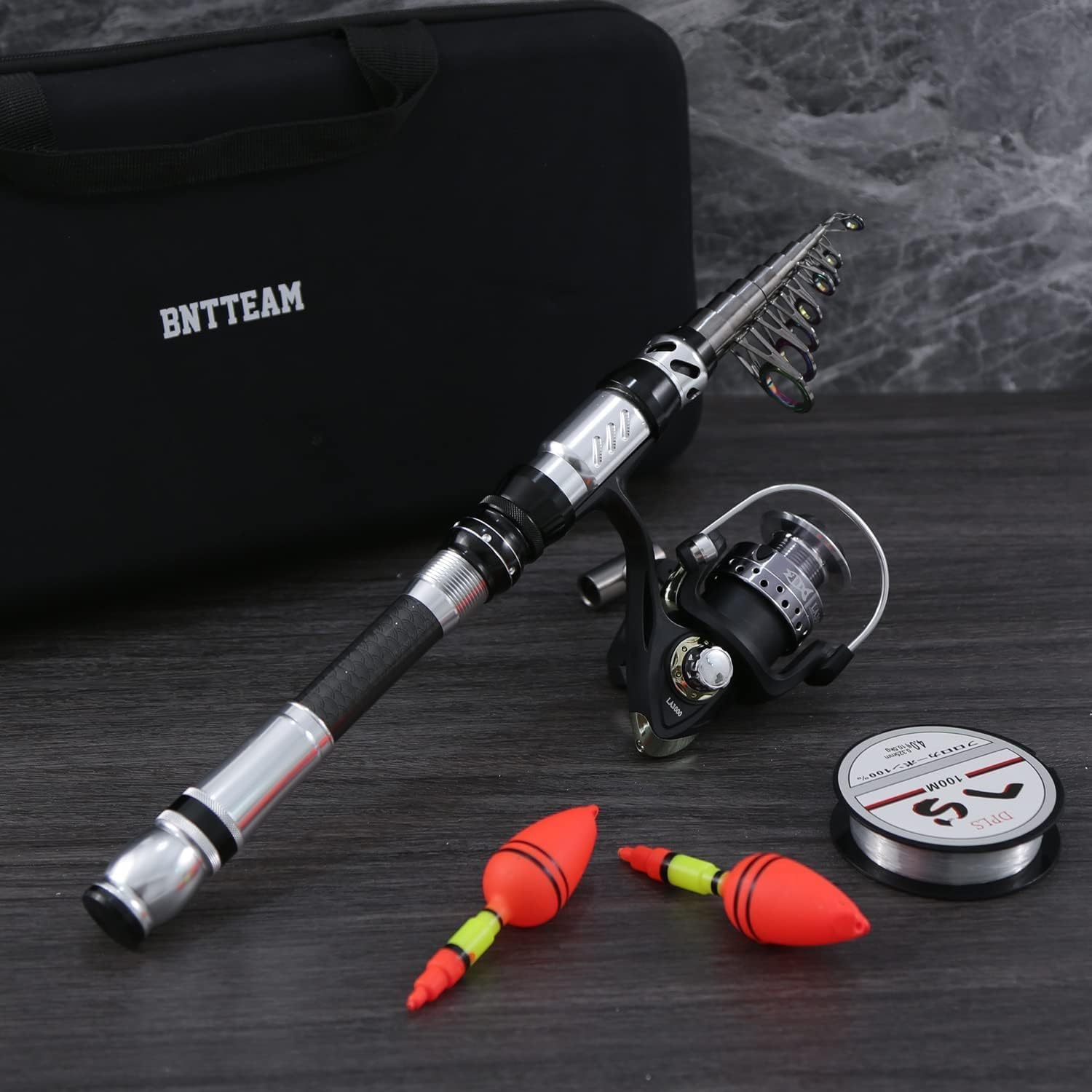
Matching rod length, power and action to your target species
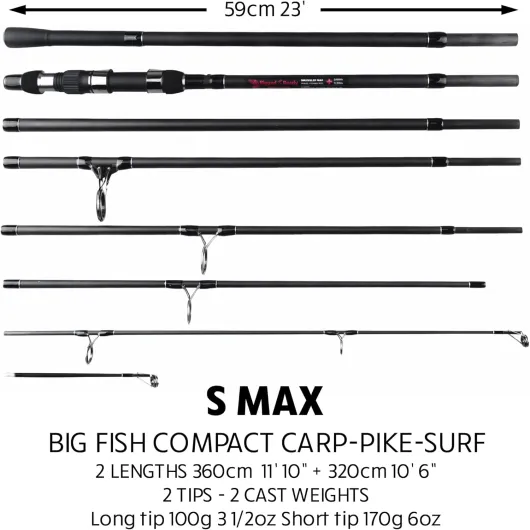
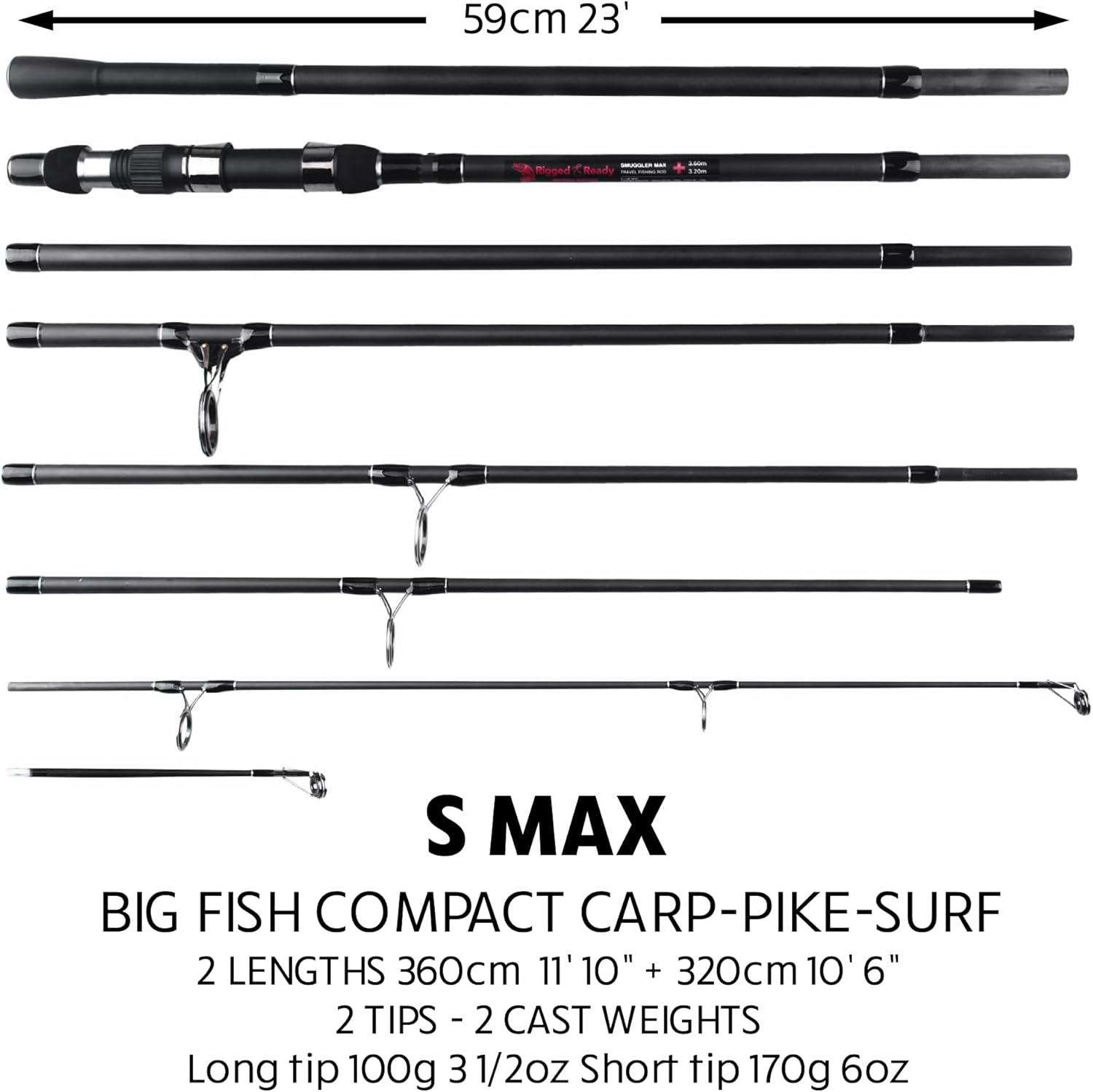
Length is the first specification to consider when you search for the best surf rods. For general surf fishing with bait and lures, many anglers settle on a surf rod between 3.3 and 3.9 metres, which offers enough casting distance without becoming unmanageable in strong wind. If you specialise in long range casting for shy fish beyond the outer bank, a longer fishing rod up to about 4.5 metres can add crucial metres to every cast when matched with the right sinker weight.
Power describes how much load a rod can handle, and surf rods cover a wide range. Light power spinning rods suit small surf perch and whiting, where you cast tiny lures or delicate bait rigs on light pound test lines. Medium heavy and heavy power surf rods are built for striped bass, bluefish and similar predators, allowing you to launch big lures and control powerful fish in heavy surf and strong lateral current.
Action influences how a surf spinning rod behaves under load and during casting. Fast action fishing rods recover quickly, which helps you punch a lure into the wind and feel every tap from a tentative fish in choppy water. Moderate or moderate fast action surf rods load deeper, storing more energy for long casting with sinkers and bait when you fish wide sandy beaches or need to keep rigs pinned in a sweeping shore break.
When you compare spinning rods in a shop, bend each blank gently to feel the transition from tip to butt. A well designed surf rod shows a smooth curve, with enough backbone in the lower section to fight a heavy fish yet a responsive tip to cast a range of lures. If the action feels uneven or the power rating seems optimistic for the stated lure weight, that fishing rod may not perform as claimed once you are casting at full power.
Recreational anglers often overlook how rod action interacts with the spinning reel and line choice. A fast action surf spinning setup pairs well with a quality spinning reel that has a smooth drag, because sudden lunges from a strong fish are absorbed partly by the blank and partly by the drag system. For cold water anglers who also chase winter species with specialised ice reels, resources such as a detailed guide to top performing ice reels illustrate how matching reel design to conditions always improves control and landing rates.
Balancing reels, line and pound test with your surf rods
The best surf rods only reach their potential when paired with suitable reels and line. A mismatched spinning reel can unbalance even a premium carbon fiber surf rod, making the whole outfit feel clumsy during repeated casting. Aim for a rod and reel pairing where the combined weight sits comfortably ahead of your foregrip, so the tip does not constantly drag downward while you fish and work lures through the wash.
Spinning reels in the 5000 to 8000 size range usually match medium heavy surf rods well. These reels hold enough braided line in the 20 to 40 pound test range for most surf fishing situations, from casting metal lures to soaking bait for striped bass. When you target truly heavy fish or cast very heavy lures, step up to larger reels and stronger pound test, but always check that the fishing rod is rated for the extra load and casting weight.
Drag performance is critical when you fight powerful fish in surf. A quality spinning reel with a smooth, consistent drag protects your knots and prevents sudden break offs when a fish surges in the wash. High end models such as a fully sealed surf spinning reel are engineered specifically for harsh saltwater environments, pairing well with robust surf rods for anglers who fish exposed coasts regularly and wade deep into breaking waves.
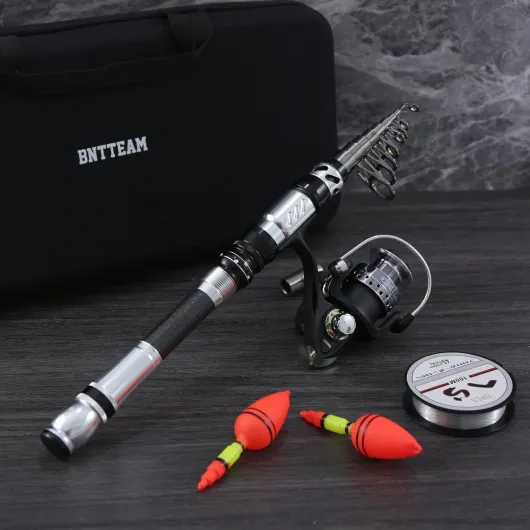
Budget conscious anglers can still assemble an effective surf spinning combo without premium brands. Many mid range spinning reels offer sealed drags and corrosion resistant bodies that stand up to saltwater when rinsed after each session, especially when mounted on a carbon fiber surf rod with quality guides. For an example of a value oriented yet capable design, you can study a detailed test of a feeder fishing reel with a balanced rotor and aluminium spool, which highlights features that also benefit surf anglers who cast frequently.
Line choice must reflect both the rod rating and your target species. Braided main line in the appropriate pound test offers thin diameter for long casting, while a fluorocarbon or monofilament leader adds abrasion resistance around rocks and shells where fish often run. Always check the lure and line ratings printed on your surf rod, because exceeding them with heavy tackle can overload the blank during powerful casting and lead to premature failure.
Evaluating components, durability and value for money
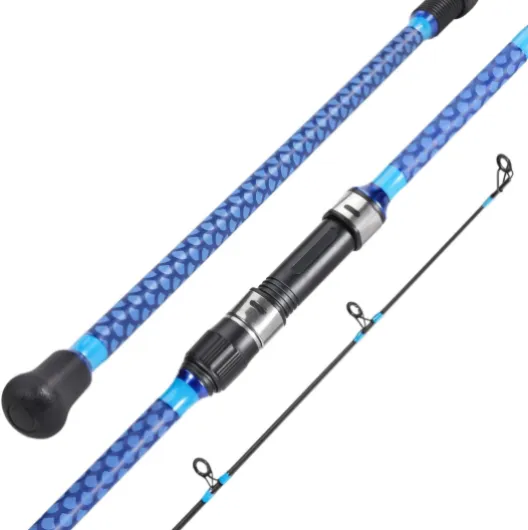
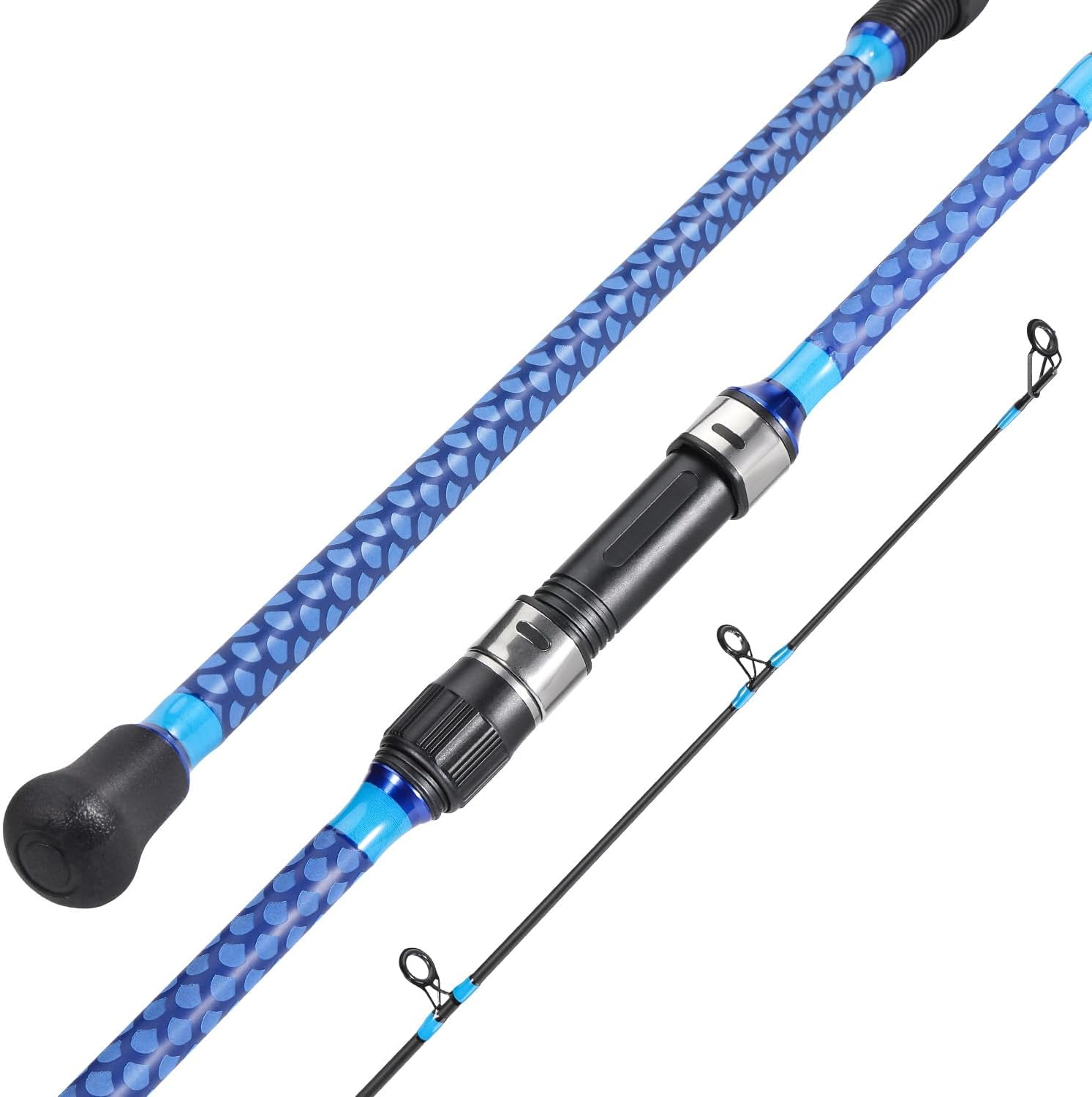
When you compare the best surf rods on a rack, small details in components often separate average models from truly reliable tools. The reel seat should clamp your spinning reel firmly without flex, even when you cast a heavy lure repeatedly into strong wind. Loose or poorly aligned reel seats can twist under load, which quickly damages both the rod and the reel foot and can throw off your casting accuracy.
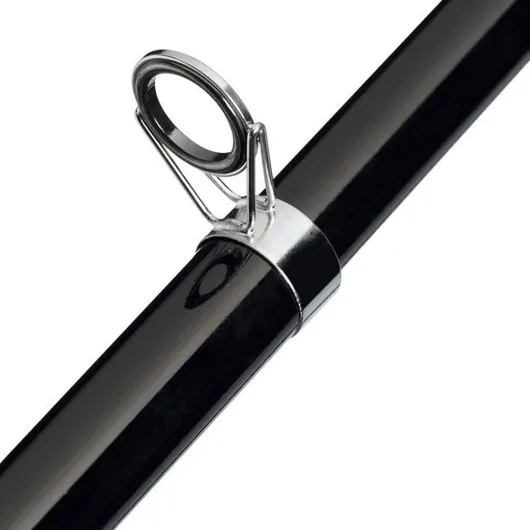
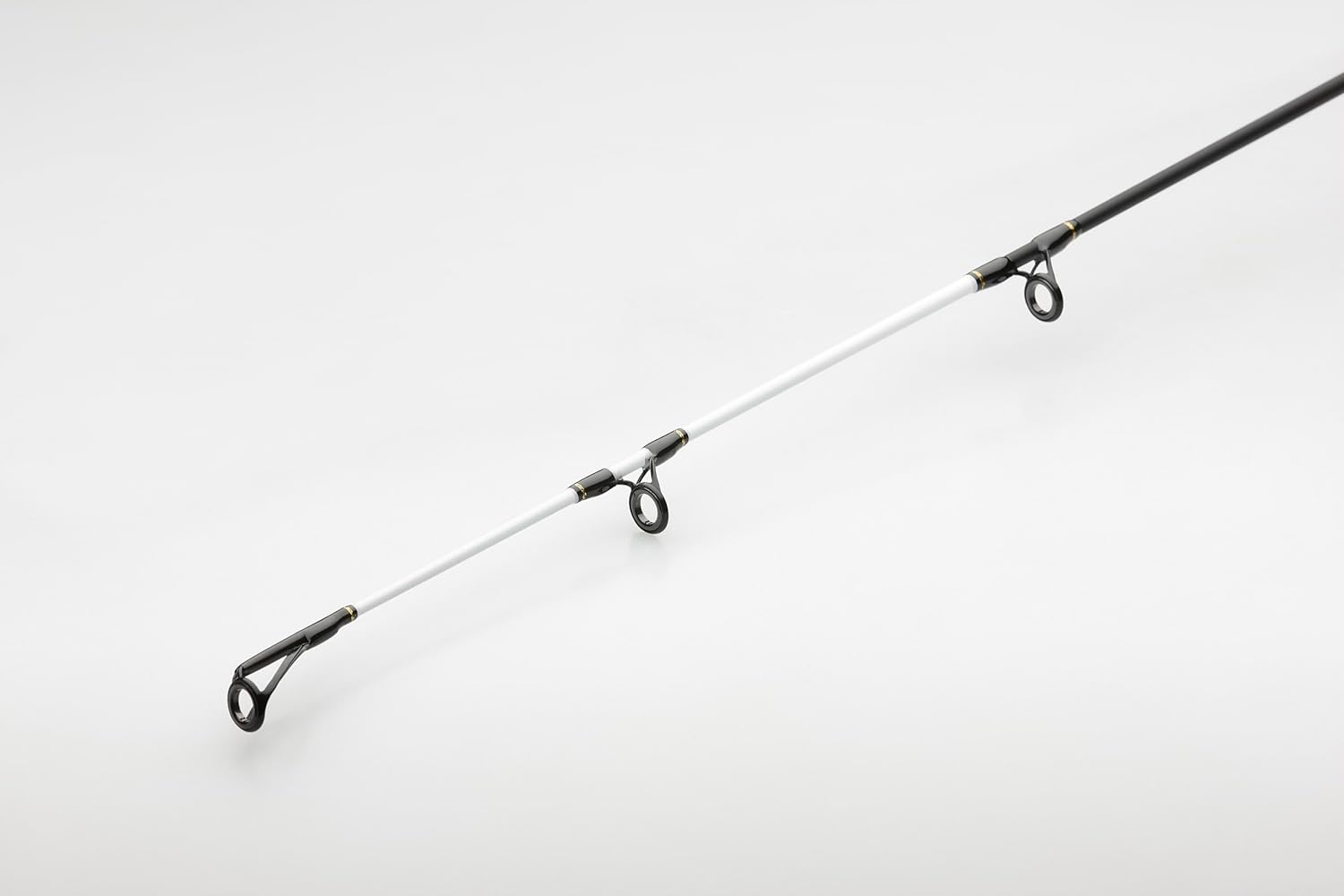
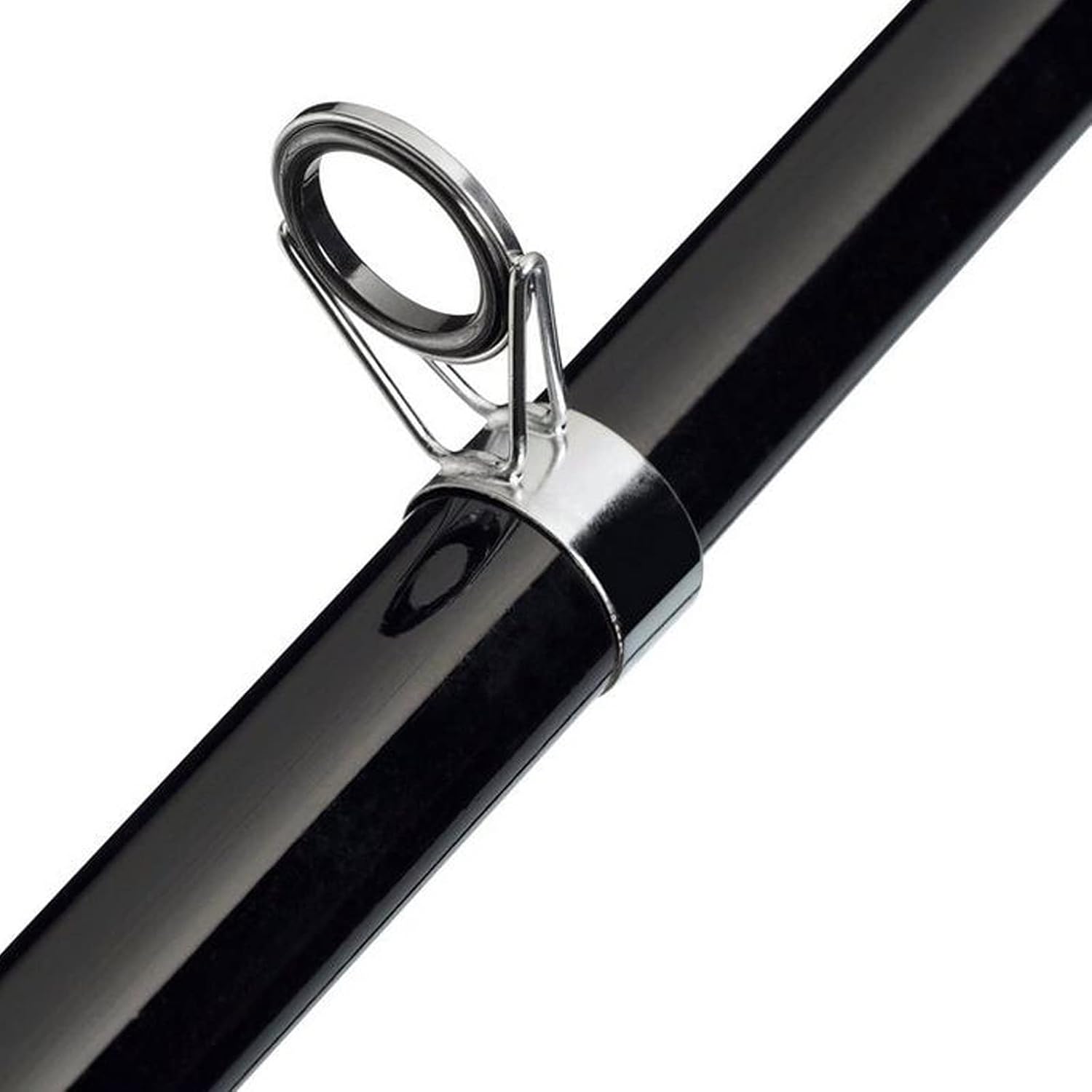
Guide frames and inserts are another critical area for surf fishing durability. Stainless steel or titanium frames with quality ceramic inserts resist corrosion and heat build up when braided line runs under pressure from a strong fish. Cheap guides can crack or groove, which frays line and costs you fish at the worst possible moment in heavy surf or when you are fighting a fish close to the shore break.
Blank construction influences both performance and long term strength. High modulus carbon fiber surf rods feel crisp and light, transmitting subtle bites from surf perch and other cautious fish even in choppy conditions. Some anglers prefer slightly heavier composite blanks for bait work, because these rods tolerate knocks in rod holders and rough handling on crowded beaches and in the back of vehicles.
Value for money depends on how often you fish and how harsh your local surf conditions are. If you only fish a few weekends each season, a mid priced surf rod with solid components and a reliable spinning reel may represent the best surf choice for your budget. Daily surf anglers who chase striped bass or other powerful species in rough saltwater often justify premium rods and reels, because the extra durability and performance reduce long term replacement costs and downtime.
When you read online reviews, pay attention to how many rated stars a surf rod receives specifically for durability and component quality. A model that earns consistently high rated stars for corrosion resistance and guide strength usually survives years of surf fishing abuse. Always compare the price to these ratings, because a slightly higher price can be excellent value if the rod outlasts cheaper competitors by several seasons in real world conditions.
Practical surf rod setups for common beach scenarios
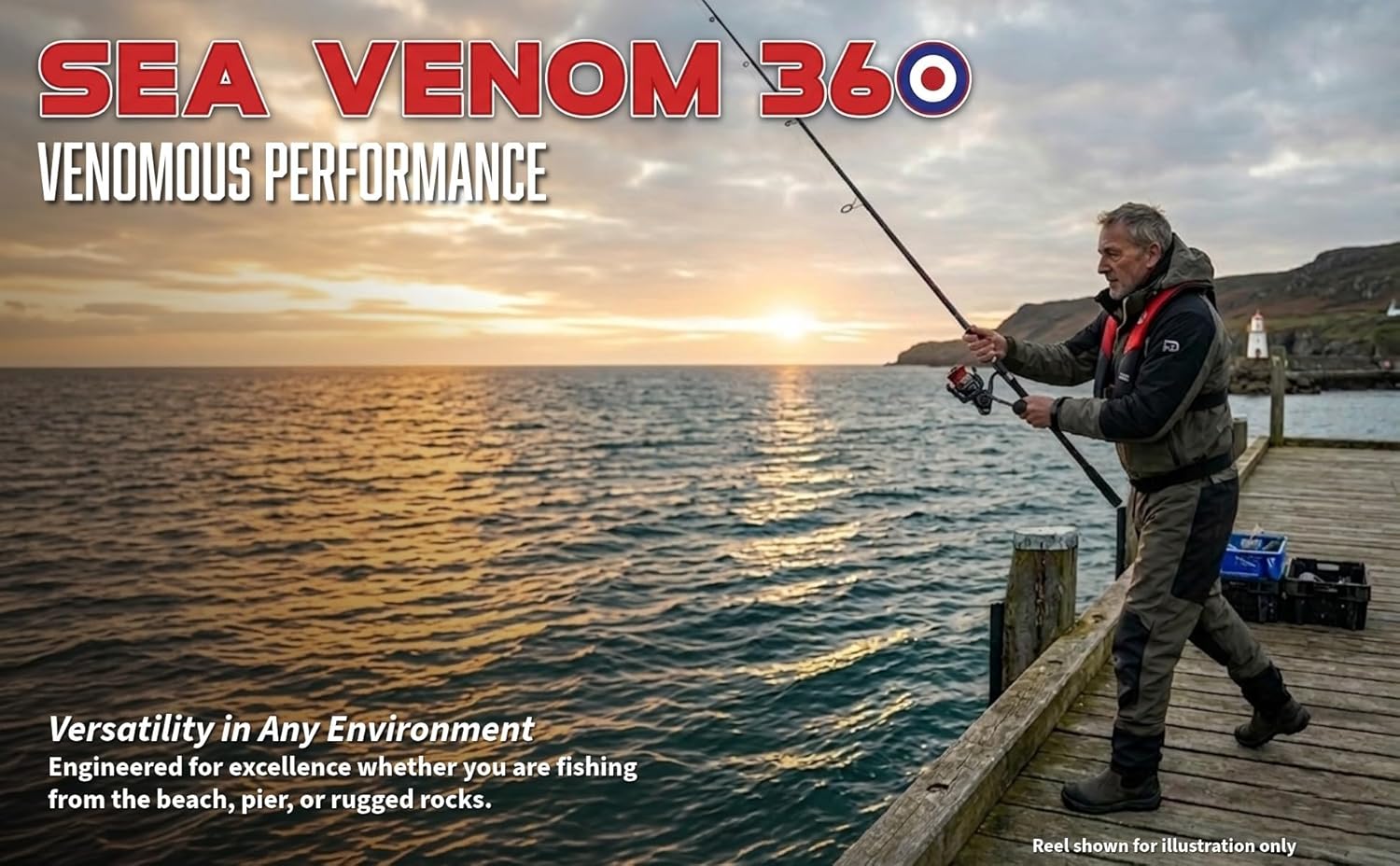
Real surf fishing rarely matches catalogue photos, so practical setups matter more than theory. For open sandy beaches with moderate surf, a 3.6 metre medium power surf rod paired with a 6000 size spinning reel and 30 pound test braid covers most situations. This versatile outfit casts metal lures, soft plastics and bait rigs far enough to reach feeding fish during both rising and falling tides without feeling cumbersome.
When you target striped bass around inshore structure, step up to a heavier surf spinning setup. A 3.9 metre medium heavy carbon fiber surf rod with a strong spinning reel and 30 to 40 pound test braid gives you the power to steer fish away from rocks and jetties. Match this rod with lures in the mid to heavy range, such as large plugs and metal spoons that cut through wind and current and stay down in the strike zone.
Light tackle surf perch fishing demands a different approach entirely. A 3.0 to 3.3 metre light power spinning rod with a sensitive tip and a compact spinning reel allows you to cast small lures and bait rigs accurately into nearshore troughs. Use lighter pound test line to maximise casting distance and lure action, while relying on the forgiving blank to protect fine leaders when a better fish eats or the surf suddenly lifts.
For anglers who enjoy experimenting with lure design, segmented swimbaits and jointed hard baits can be highly effective in the surf. Detailed product tests such as a review of lifelike segmented fishing lures with turbulent wiggling action show how lure action interacts with rod action to trigger more bites. Pair such lures with a fast action surf rod to maximise their swimming motion and maintain contact in choppy water and cross currents.
Night sessions demand extra attention to tackle balance and handling. A well matched rod and reel combo with comfortable grips and a smooth spinning reel reduces fatigue when you cast repeatedly in the dark, waiting for a single heavy fish to commit. Many experienced anglers rate their favourite surf rods not only by casting distance but also by how confidently they can fight unseen fish in noisy, foamy surf where visual cues are limited.
Premium surf rod benchmarks and what they teach every angler
High end surf rods set performance benchmarks that help all anglers judge other options. Models such as the Penn Carnage III surf rod series use advanced carbon fiber blanks and reinforced joints to deliver impressive casting distance with controlled action, according to manufacturer specifications and independent tackle shop testing. Even if you do not buy a Carnage III surf rod, understanding its design priorities helps you evaluate more affordable fishing rods on the rack.
Premium surf spinning setups often pair these rods with equally capable reels. A fully sealed surf spinning reel, for example, is designed to resist saltwater intrusion, allowing anglers to wade deep and even submerge the reel briefly during intense fights with powerful fish. This level of engineering shows how a carefully matched rod and reel combination can withstand years of harsh surf fishing without significant performance loss when maintained correctly.
Component quality on such flagship surf rods highlights what to look for in any price range. Robust reel seats, corrosion proof guides and precise guide spacing all contribute to smoother casting and better line control, especially with braided main lines. When you handle a top tier surf rod in a shop, note how the action feels under load and how the power transitions from tip to butt, then seek similar characteristics in mid range models that fit your budget.
Many anglers use online ratings to narrow their choices before visiting a tackle shop. A surf rod that consistently earns high rated stars for casting performance, sensitivity and durability across hundreds of reviews usually reflects sound design and quality control. Always read detailed comments about how the rod handles specific tasks, such as throwing heavy lures into headwinds or fighting large striped bass in pounding surf and rocky terrain.
Ultimately, the best surf rods for you combine appropriate length, power and action with components that match your fishing style and local conditions. Whether you favour light spinning rods for surf perch or heavy surf rods for trophy predators, apply the same critical eye to blank construction, reel compatibility and real world feedback. This disciplined approach ensures that every new surf rod you add to your tackle collection earns its place on the beach and delivers reliable performance.
Key statistics about surf rods and surf fishing performance
- Market data from major tackle retailers show that surf rods between 3.3 and 3.9 metres account for more than half of surf rod sales, reflecting their versatility for mixed species fishing along most coastlines (based on aggregated sales reports published by leading chains between 2020 and 2023; figures compiled from retailer category summaries rather than a single public dataset).
- Industry surveys indicate that over 70% of surf anglers now use braided main line on their spinning reels, mainly because thinner diameter braid increases casting distance by roughly 10 to 20% compared with equivalent strength monofilament in controlled field tests (estimates drawn from manufacturer questionnaires and trade association polling of saltwater anglers).
- Field tests by rod manufacturers report that modern carbon fiber surf rods can weigh up to about 30% less than comparable glass fibre models, while maintaining similar power ratings for heavy lures and strong fish when tested on calibrated deflection rigs (weight differences verified in published product catalogues and internal lab comparisons).
- Customer review analyses on large e commerce platforms show that surf rods with an average rating above 4.5 rated stars experience significantly lower return rates, suggesting a strong link between perceived quality and long term durability under regular surf fishing use (based on anonymised marketplace analytics and category level performance reports).
- Coastal angling studies have found that casting distance improvements of just 10 metres can increase contact rates with schooling fish such as striped bass by more than 15%, especially on wide, gently sloping beaches where fish often hold just beyond the main breaker line (summarised from regional fisheries research projects and structured beach casting experiments).