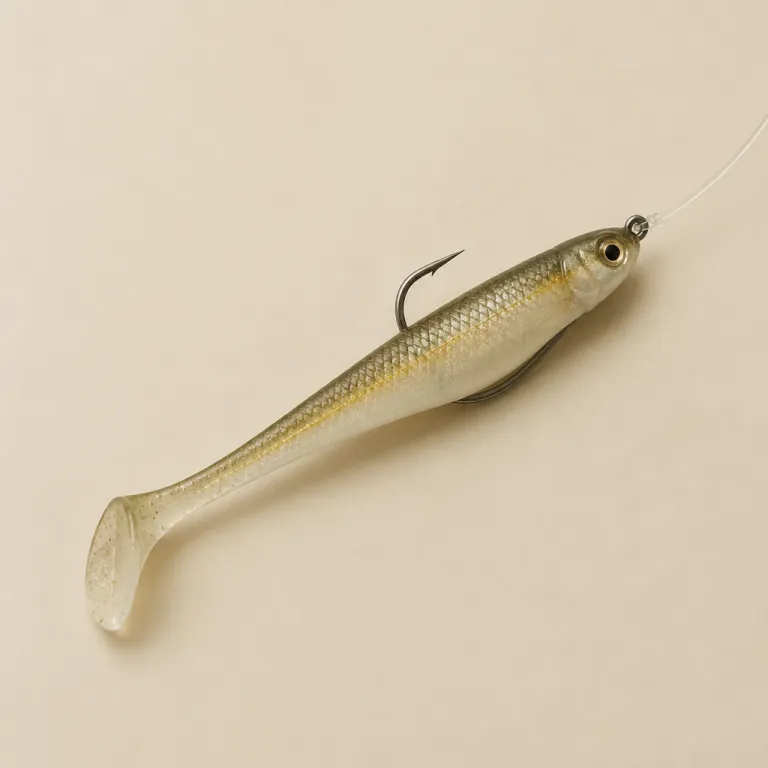
Reading nervous shad and setting up on the funnel
When the first real fall chill hits the lake, bass stop roaming randomly and start keying hard on shad in tight schools. On most public reservoirs the best fall bass schooling shad tactics begin with your eyes, not your favorite baits or lures, because nervous baitfish tell you exactly where the feeding lanes are forming. Think less about running the whole lake and more about how every creek mouth, point, or channel swing can funnel baitfish bass into a predictable ambush line.
At first light, idle the main lake basins and the mouths of big arms, watching for dimples on the water where tiny shad flip and push subtle V wakes. When the sun climbs, those same schools often slide toward the backs of coves or along the first break off the bank, and the bass follow the baitfish in short, violent feeding bursts that may last only a few minutes but repeat for several days in the same fifty metre stretch. If you see slick patches on otherwise rippled water, or a single tern circling and then diving, you are looking at a live map of where the fish will feed next.
Instead of racing to every surface explosion, pick one or two high percentage funnels where the lake or lake river channel swings tight to a point, a hump, or a line of standing timber that creates natural cover. On many southern impoundments a windblown secondary point with ten metres of water on one side and three on the other will reload with bass and shad all day, while you sit still and let the schools cycle past. Those are the days fall anglers remember, when you can catch multiple fish from the same exact cast angle because the school is moving deep to shallow and back again along a defined edge.
The three reaction lures that own the blitz
Once you are set up on a funnel, your fall bass schooling shad tactics should revolve around three reaction tools that match the hatch but also trigger competition. I carry them on a simple bait casting line up built around a 7 foot medium heavy rod for a lipless crankbait, a 7 foot 3 inch medium heavy for a paddletail swimbait on a jig head, and a 6 foot 10 inch medium rod for a walking topwater, because each combo lets you cover a different slice of the water column without changing reels or line. That way, when the fish push shad to the surface or slide back toward bottom cover, you can swap rods in seconds instead of digging through boxes of baits and missing the window.
For the blitz itself, a 15 to 18 gram lipless crankbait with a tighter wobble in shad patterns is my first cast, because it lets you bomb long casts past the surface activity and burn the lure straight through the school without dropping right on their heads. Cast beyond the blow up, point the rod tip down, and reel fast enough that the crankbait just starts to vibrate hard, then kill it for one second as it leaves the commotion so any following bass can overtake and eat, which often turns one fish into several as the school competes to feed. When the surface goes quiet but your sonar still shows arcs under the baitfish, switch to a 10 centimetre paddletail on a 10 to 14 gram jig and count it down to the level where you marked fish before starting a steady retrieve.
That swimbait on a jig head is your workhorse when the bass are moving deep and pinning shad just off the bottom, especially around brush or rock cover where treble hook crankbaits hang too easily. I like a natural shad colour with a slightly translucent back so it blends into the water, and I rig it on 12 to 15 pound fluorocarbon to keep the bait down in the strike zone. On calm days when the school is up but not fully erupting, a walking topwater or subtle popper can call fish lures back to the surface, and this is where a slower cadence and longer pauses let the more cautious bass feed without blowing the whole school apart, much like working a weed edge methodically as in a detailed weed fishing guide such as mastering weed fishing.
Boat position, casting angles, and not chasing ghosts
The biggest mistake I see in fall bass fishing is anglers running from boil to boil, burning fuel and time while the real feeding lanes slide quietly under their hulls. A disciplined approach to fall bass schooling shad tactics means staking out the right depth contour, setting the boat where you can reach both shallow and deep water with a single cast, and then letting the baitfish and bass cycle through instead of reacting to every splash. Think of yourself as hunting the travel route, not the chaos at the surface.
On lakes like Guntersville or Kentucky Lake, I will nose the boat into the wind on the upwind side of a point where the main channel swings close, then cast downwind so my crankbaits and fish lures track naturally with the current and wind drift. If the graph shows baitfish stacked at five metres over eight, I park the boat in ten metres and fan cast from shallow to deep, using the lipless crankbait and a medium diving model with a tighter wobble to cover that entire band where baitfish bass are pushing shad. When the school slides off the break and the screen shows arches moving deep toward the old river channel, I pick up a heavier jig or a compact spoon and work it vertically under the boat, much like you would probe offshore ledges and humps when bass drop off the bank as explained in resources about finding summer fish on deep structure such as finding bass on ledges and deep timber.
Bank anglers can play this game too, especially on smaller lake river systems where the channel swings tight to shore and creates a natural pinch point. Position yourself where you can cast parallel to the drop, not straight out, so your bait stays in the strike zone longer and crosses multiple travel paths that bass use to feed on shad. On those rare days fall weather lines up with stable pressure and light wind, you may catch fish after fish from one rock or laydown, because the school keeps circling back through the same piece of cover on its way between shallow feeding flats and deeper resting areas.
When the school pulls down and how to fish the quiet
Every fall feeding blitz eventually fades, and what you do in the next ten minutes often decides whether your day turns into a story or just another boat ride. When the surface goes flat but your sonar still shows clouds of shad and scattered arcs, your fall bass schooling shad tactics should shift from pure reaction to a more deliberate countdown approach with swimbaits, spoons, or a bottom oriented jig. This is where patience and precise depth control beat flashy baits and frantic casting.
I start by counting down a paddletail swimbait on a jig head, using a one second per metre rule until I tick the top of the school, then I repeat that same count on every cast so the bait tracks just above the fish instead of below them. If the marks are hugging bottom in eight to ten metres, I will switch to a compact football jig with a small craw trailer, drag it slowly until it bumps rock or hard cover, then hop it gently to imitate a wounded shad or dying baitfish that has fallen out of the school. On clear lakes where bass get line shy during bright mid day sun, a flutter spoon dropped straight through the baitfish can trigger reaction strikes from fish that will not rise even for the best crankbaits or topwater lures.
On rivers and natural lakes with current, the same pattern plays out along deeper bends and outside weed edges, where shad and other baitfish tuck into seams and bass slide just off the main flow to feed. Reading those seams is a lot like learning where trout actually hold in moving water, and anglers who study current breaks the way a good trout guide does in resources such as reading spring streams like a guide usually outfish the crowd during the toughest days fall can throw at them. When the bite gets hot again, remember that conservation matters on these binge feeding days, so wet your hands before handling each fish, keep them in the water as much as possible, and do not cull a livewell full of bass you will never eat, because the real trophy is the next generation of fish that will chase your bait on some future cold, grey morning.
FAQ
What is the single biggest key to finding fall schooling bass on shad
The most important factor is locating the main concentrations of shad rather than isolated cover or structure. Use your electronics and your eyes to track where baitfish move between main lake basins, creek mouths, and the backs of coves as surface water cools. Once you find consistent bait, set up on nearby funnels and let the schools cycle past instead of roaming aimlessly.
Which lure should I throw first when a surface blitz starts
A lipless crankbait in a shad pattern is usually the best first choice for schooling fall bass because it casts far, sinks quickly, and has a strong vibration that triggers reaction strikes. Cast beyond the visible surface activity and retrieve fast through the school rather than dropping directly into the middle. This approach hooks aggressive fish without spooking the rest of the school.
How do I adjust when the bass stop feeding on the surface
When surface activity dies but your sonar still shows baitfish and arcs, switch to a paddletail swimbait on a jig head or a spoon and count it down to the depth of the marks. Keep the lure just above the fish, not below them, because bass are more likely to rise slightly than dive for a bait. If the marks are tight to bottom, slow down with a football jig or similar bottom contact presentation.
Can bank anglers effectively target fall schooling bass on shad
Yes, bank anglers can do very well by focusing on points, riprap, and channel swings that come close to shore. Look for areas where wind pushes baitfish into the bank and where you can cast parallel to the drop off to keep your lure in the strike zone longer. A mix of lipless crankbaits, small swimbaits, and a walking topwater will cover most situations from shore.
How can I protect the fish during a hot fall feeding bite
Use single hooks where practical, keep landing and handling times short, and release fish quickly after a brief photo if you take one. Wet your hands before touching any bass to protect its slime coat, and avoid stacking a livewell with more fish than you plan to eat. On especially strong bites, consider stopping once you have caught plenty and spend the rest of the day scouting new water for future trips.