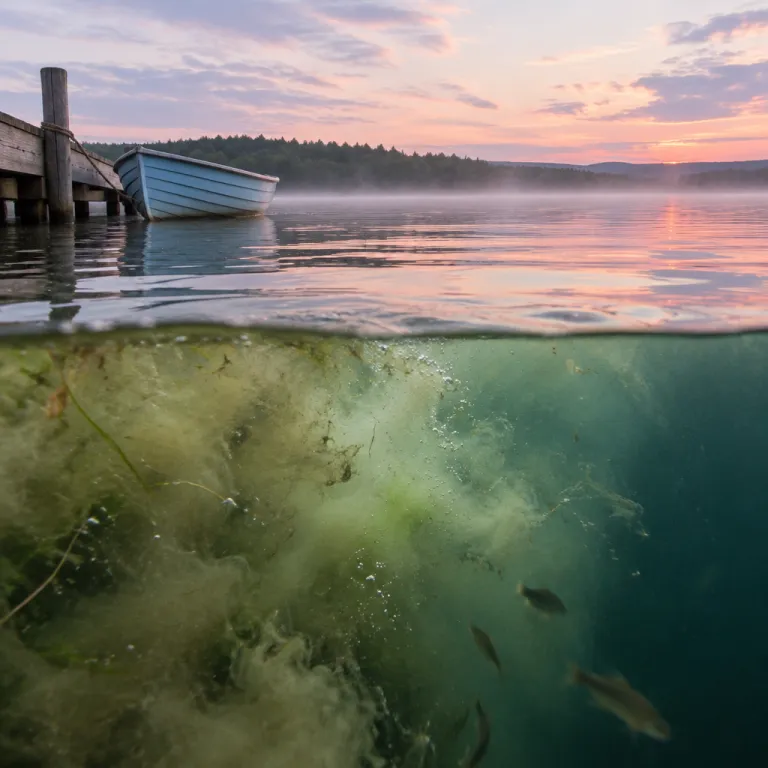
Why fall lake turnover bass fishing feels like a dead lake
When your favorite lake suddenly blanks during fall fishing, it rarely means the bass disappeared overnight. The real story is that natural lakes and reservoirs shift from summer layers to mixed autumn water, and this lake turning process scrambles the water column so every bass fish and baitfish school spreads out. During this short but brutal window, bass fishing pressure stays the same while the fish will roam more, suspend oddly, and ignore baits that worked perfectly a week earlier.
All summer, many lakes stratify into three layers of water with different water temperatures, oxygen levels, and water clarity, and that structure quietly tells every fish where to live. Warm surface water sits on top, a sharp middle band called the thermocline holds the best oxygen and most active bass, and cold deep water underneath often has poor oxygen so bass will rarely stay there long. When cool wind and shorter days drop the surface water temperature in fall, that surface water grows heavier, sinks, and starts a full water turnover that feels like someone flipped a switch on your bite.
During active turnover, you can see and smell the change in specific areas of the lake. Surface water may look stained or even chalky, water clarity can shift from clear to murky overnight, and foam lines or tiny debris rafts ride the wind current along the banks. On sonar, instead of a clean thermocline and tight arcs, you mark scattered clutter through the whole water column and far fewer solid fish, which is why so many anglers blame fall turnover instead of adjusting where and how they fish.
How to read the water and know if your lake is actually turning
The first step in smart fall lake turnover bass fishing is deciding whether the lake is really in turnover or just in a normal fall transition. I start by checking surface water temperature at the ramp, then idling to the main basin and a couple of creek arms to compare water temperatures, water clarity, and how the sonar shows the water column. If the readings are within one or two degrees and the thermocline has vanished into fuzzy clutter from top to deep bottom, that lake turning process is underway in at least part of the system.
Look closely at the surface water on a calm bank, then on a wind blown bank, and notice how the wind current stacks foam, leaves, and tiny bubbles in certain areas. When lakes stratify all summer, the bottom layer often holds low oxygen levels and fine sediment, and turnover pulls that junk upward so the surface water can look like weak coffee and smell slightly sour. If one cove has that dirty look while another cove has better clarity and more obvious water movement along the bank, you already know which side will give you a better shot to catch fish.
Electronics help, but you do not need a ten thousand dollar graph to read fall fishing conditions. Drop a simple weighted thermometer on a rope in five metre steps and compare shallow water readings to deep water readings, then watch how quickly the temperature changes with depth. When the numbers stay almost the same from shallow to deep, the water turnover has largely finished in that section, and bass will settle into more predictable patterns again, especially around remaining cover and any subtle current seams.
Those same reading skills carry over to other seasons and species, whether you are checking summer shallow flats when the water hits seventy five degrees or planning a saltwater trip using a seasonal calendar, because understanding water movement and temperature always beats chasing yesterday’s report.
Not all water turns at once: finding the stable parts of the lake
One of the biggest myths about fall turnover is that the entire lake flips at the same time, leaving every bass and smallmouth sulking in the same bad mood. In reality, different areas turn on different schedules, so your job during fall lake turnover bass fishing is to hunt for the parts of the lake that either finished turnover or have not started yet. Think of the lake as several smaller lakes stitched together, each with its own water movement, depth profile, and timing.
Big, deep main lake basins in natural lakes usually turn first because they held the strongest summer stratification and the most dramatic difference in water temperatures between surface and deep layers. Shallow bays, narrow creek arms, and protected coves often lag behind, especially when steady wind pushes warmer surface water into them and slows the cooling that triggers water turnover. When you see ugly, chalky water and floating debris in the main basin but find cleaner water clarity and more stable water temperature in a side pocket, that pocket becomes prime real estate for bass fishing during the worst of the fall turnover.
Current breaks the rules again, and that helps you. Any inflowing creek, spring, or even a small culvert can feed slightly different water temperature and oxygen levels into a cove, keeping a slice of the water column more stable while the rest of the lake turning chaos plays out. I have watched smallmouth and largemouth stack on a single rocky point where a faint current seam met clearer water, while the surrounding areas felt lifeless and every other angler swore the fish vanished.
Those same principles explain why some anglers obsess over unique salmon runs and oddball species, because wherever moving water meets stable temperature and oxygen, fish will gather even when the rest of the system looks off.
Wind, oxygen, and where bass actually go during turnover
Once you accept that the lake is not dead, you can start asking the only question that matters during fall lake turnover bass fishing, which is where the oxygen and bait moved. When lakes stratify through summer, bass learn that the best oxygen levels and food sit in a narrow band, but turnover suddenly spreads that oxygen through the entire water column and lets bass roam from shallow to deep without stress. That freedom sounds great for the fish and terrible for you, because bass will no longer be pinned to a single depth line.
Wind becomes your best ally, because steady wind current pushes surface water, plankton, and baitfish into specific banks and points, and bass will follow that buffet. I look for wind blowing directly into a rocky shoreline, a grass edge, or a timbered flat, then check whether the water clarity there is stained but not filthy, which usually signals active feeding rather than dead turnover soup. When the wind current has been consistent for a day or two, those areas often hold the highest oxygen levels and the most aggressive bass fish in the entire lake.
Do not ignore shallow water just because the calendar says fall. During and after water turnover, bass will slide up and down the bank all day, using shallow cover when light is low and dropping slightly deeper when the sun gets high, but they rarely lock into the extreme deep haunts they used in midsummer. If you can find a stretch where shallow and deep water meet quickly, with some rock or wood cover and a bit of current, you have a classic fall fishing lane where you can catch fish steadily instead of wandering aimlessly.
Practical tactics and baits that still catch bass during fall turnover
When the lake turning mess is at its worst, I stop running and start grinding with a tighter set of baits and slower presentations. The goal is not to cover the entire lake but to pick a few high percentage areas with decent water clarity, some wind current, and mixed shallow and deep access, then work them methodically. In these conditions, bass will still eat, but they often want a smaller, more precise target that hangs in their face a little longer.
For covering water and finding active fish, a medium diving crankbait in a natural shad pattern, a compact spinnerbait, or a small swimbait on a quarter ounce head lets you probe the upper half of the water column without spooking scattered bass. Once you contact a fish or two, switch to a finesse jig, a Texas rigged creature, or a shaky head and pick apart every piece of cover on that stretch, from isolated rocks to the base of laydowns. Many anglers think fall turnover means they cannot catch fish at all, but in reality it just means the easy schools broke up and you must trigger singles and small groups.
Gear does not need to be exotic, but it must be reliable. A seven foot medium heavy rod with a quality reel, fresh fluorocarbon in the ten to fifteen pound range, and sharp hooks will handle most fall fishing situations from shallow flats to mid depth points. When you finally lean into a solid bass after hours of quiet, you will be glad you trusted simple, proven tools and paid attention to water temperature, oxygen levels, and subtle water movement instead of chasing every rumor at the ramp.
FAQ
How long does fall turnover usually last on a typical bass lake ?
The active phase of fall turnover on most bass lakes usually lasts from several days to a couple of weeks, depending on lake size and depth. Shallow lakes with less deep water and weaker stratification often turn over quickly, while large, deep natural lakes can mix more slowly. Even when the main basin is still turning, some protected areas may already be stable enough for consistent bass fishing.
How can I tell the difference between turnover and a normal tough bite ?
During true turnover you often see sudden changes in water clarity, floating debris or foam lines, and a faint sour or sulfur smell on certain banks. Your sonar will usually lose the clear thermocline line and instead show clutter or streaks through the entire water column, with fewer solid fish arches. If water temperatures are dropping fast and these signs appear in only part of the lake, you are likely dealing with turnover rather than just inactive fish.
Should I avoid deep water completely when my lake is turning over ?
You do not need to avoid deep water entirely, but it should not be your first option during heavy turnover. Because oxygen levels spread more evenly, bass can roam from shallow to deep, so you will often find more consistent activity on mid depth structure close to shallow feeding flats. Deep holes that were productive in summer may be less reliable until the mixing stabilizes and baitfish regroup.
What are the best types of spots to fish during fall turnover ?
The most reliable spots during fall turnover are wind blown points, rocky banks near deep water, and coves with incoming creeks or springs that provide steady current and fresher water. Look for areas where water clarity is stained but not muddy, and where shallow and deep water meet within a short cast. These locations concentrate bait and bass even while the rest of the lake feels scattered.
Do smallmouth bass behave differently from largemouth during turnover ?
Smallmouth bass often stay closer to rock, offshore structure, and main lake points, while largemouth bass use more shallow cover in creeks and protected bays. During turnover, smallmouth may suspend more over deep structure as the water column mixes, whereas largemouth frequently slide along banks and into pockets with better cover and slightly warmer water. Both species still feed, but they often use different parts of the lake, so adjusting your location to match the species makes a noticeable difference.