Spring trout fishing tips: pack light, read the water, and fish smarter
Quick-start checklist for your first spring trout trip
- One versatile 9-foot 5-weight fly rod or a 1.8 to 2.1 metre ultralight spinning rod with 4- to 6-pound line
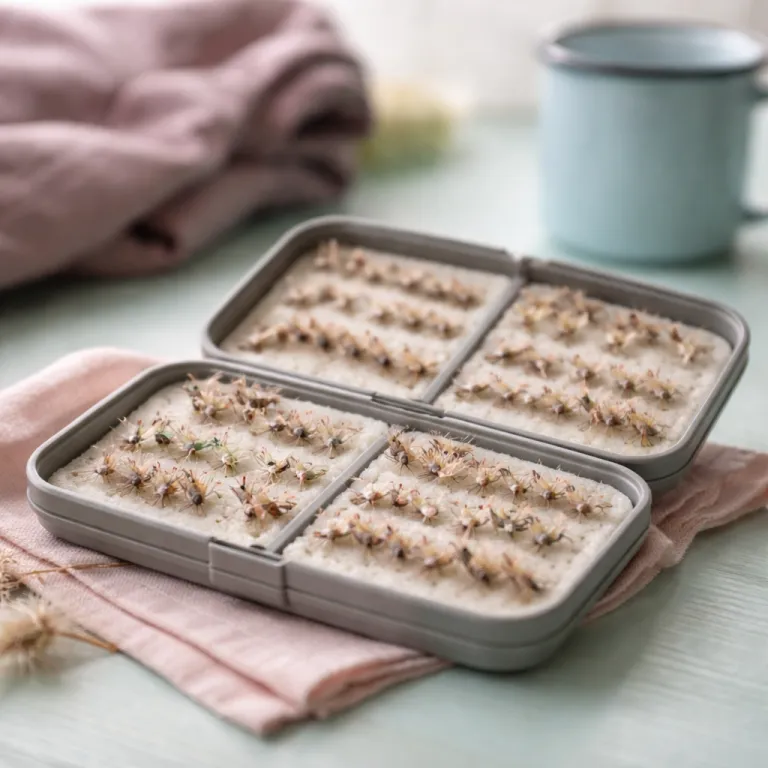
- Compact box with a few proven nymphs, dry flies, streamers, and 3 to 5 centimetre spinners or soft plastics
- Breathable chest waders or rubber boots, warm insulating layer, and a waterproof shell
- Valid fishing license, printed or downloaded regulations, and a small tape measure
- Rubber-mesh landing net, barbless hooks, and a small trash bag to pack out litter
Spring trout fishing tips for packing smart and fishing light
Spring trout fishing tips start with preparation: spring trout wake up before most weekend anglers, so your gear must be ready. For a first cold-water day, focus on a compact kit that covers trout fishing in streams, rivers, lakes, and ponds without turning your car into a rolling tackle shop. When you pack light and deliberate, you spend more time fishing and less time fiddling with gear.
For fly fishing, one versatile 9-foot fly rod in 5-weight will handle most spring trout in small creeks and medium rivers, including both stocked fish and wild trout. Pair that rod with a simple large-arbor reel, a floating weight-forward fly line, and a 9-foot leader in 4X or 5X, which protects light tippets when a brown trout or rainbow trout surges in cold water. If you prefer spinning gear for trout lakes or tight stream fishing, a 1.8 to 2.1 metre ultralight rod with 4- to 6-pound (about 1.8 to 2.7 kilogram) line will cast small bait and flies without spooking fish in clear pools.
Limit yourself to three or four confidence producers instead of a box of unused lures that only slows decisions. For fly anglers, carry a small field-and-stream style box with size 14 to 18 bead-head nymphs, a few buoyant dry flies, and a couple of slim streamers that imitate minnows in moving and still water. Spinning anglers should pack a handful of 3 to 5 centimetre spinners, a few soft plastics for trout lakes and ponds, and small hooks with split shot for natural bait when regulations allow you to fish that way.
Clothing matters as much as rods when spring water is still high and icy. Breathable chest waders with a proper belt let you wade shallow rivers and lake inlets safely, while a simple pair of rubber boots is enough for bank fishing small ponds or gentle shorelines. Always add a warm layer and a waterproof shell, because the wind over cold water will chill you faster than you expect when you stand still and watch a fly drift.
Choosing the right spring water: stocked streams, wild rivers and quiet ponds
Where you point the car at dawn will decide whether your first spring trout trip feels like fishing or just walking with a rod. Stocked trout streams and easy-access ponds are perfect for beginners, while wilder freestone creeks and larger trout lakes reward anglers willing to read water and hike. Think about your time, your fitness, and your comfort with cold water before you chase any fish.
Stocked trout in put-and-take lakes and community ponds usually hold near inlets, shallow coves, and any structure that breaks the current or wind, so bank anglers can catch fish without wading. In contrast, wild brook trout and brown trout in natural streams prefer pockets behind boulders, undercut banks, and soft seams where the current slows just enough to let them feed without burning energy. When snowmelt pushes rivers high and off colour, shift to smaller tributary sections or spring-fed creeks where the water clears faster and trout feel secure.
Regulations shape your options, so check your state agency before any trout fishing trip, because season dates, bait rules, and size limits change between rivers, lakes, and ponds. For example, many northeastern states open general inland trout seasons in early April, with Pennsylvania Fish & Boat Commission summaries listing regional start dates, while several western states such as Colorado Parks and Wildlife and Washington Department of Fish and Wildlife keep numerous rivers open year-round with special catch-and-release rules. Some waters protect larger fish that are over a certain number of centimetres or inches long, so carry a simple tape and release any trout that falls into a protected slot.
On crowded opening days, do not overlook small urban ponds or side channels that most anglers walk past on their way to famous pools. A quiet backwater with moderate current and two metres of depth can hold more spring trout than a heavily pressured main run that looks perfect in photos. One April morning, for example, I watched three anglers rotate through a postcard pool while a teenager quietly picked off fish from a nondescript side eddy twenty metres downstream. The best spring trout fishing tips always start with this rule: choose water that matches your skills, not just your social feed.
Reading cold water and presenting flies, bait and lures that actually work
Early-season trout behave like tired athletes: they will eat, but only if the food drifts where they rest. In water temperatures around 7 to 13 degrees Celsius (roughly 45 to 55 degrees Fahrenheit), most fish hold near the bottom in slower lanes, so your job is to get flies, bait, or lures down without snagging every rock. That is where split shot, proper fly weight, and careful mending turn casual anglers into consistent ones.
In pocket water and knee-deep runs, a simple nymph under a small indicator is the one technique that produces across stream riffles, river seams, lake inlets, and even some ponds with moving water. Rig a 3 metre leader, add a single split shot 20 to 30 centimetres above the fly, and adjust until the indicator ticks just slightly slower than the surface current, which means your fly is near the bottom where trout actually feed. When you feel the weight bump rocks instead of hanging hard, you know you are in the strike zone without turning every drift into a snag-recovery mission.
Spinning anglers can mirror this drift by using a small hook, a single split shot, and a natural bait where legal, letting it roll along the stream bottom like a dislodged insect or egg. In clearer water, switch to tiny spinners or spoons and cast across and slightly downstream, retrieving just fast enough to keep the blade turning while the current adds life, which works well in both narrow channels and the mouths of trout lakes. Whether you fish with flies or hardware, pause occasionally in softer seams, because many spring trout will follow before committing, especially pressured rainbow trout and brown trout that have seen plenty of offerings.
Fly fishing purists should not ignore simple wet flies and soft hackles swung through the tailouts of pools in gentle rivers and slow lake outlets. A 5-weight fly rod with a slightly heavier pattern lets you cover broad water efficiently, and you can step down to lighter tippets when brook trout rise in shallower riffles later in spring. Remember that every current seam, submerged log, and depth change is potential trout housing, so read the water like a map instead of just casting where everyone else stands.
Regulations, ethics and small habits that make you a better spring trout angler
Opening-day energy is contagious, but responsible fishing starts before you tie on the first fly or bait. Buy the correct license, check special regulations for each stream, and understand which waters are managed for stocked trout harvest and which protect wild fish for long-term quality. When in doubt, treat every trout as if it were the last one in that pool.
Carry a simple net with rubber mesh, barbless hooks, and wet your hands before handling any brook trout, brown trout, or rainbow trout, because their slime layer is their armour against infection. Measure only when necessary, and if a fish looks close to the legal minimum in centimetres or inches long, err on the side of release, especially in smaller creeks where a single large trout can anchor an entire stretch. On heavily stocked trout lakes and easy-access ponds, it is fine to keep a legal limit for the table, but spread your harvest instead of pounding one short section every weekend.
Gear choices also reflect ethics, so match your tackle to the size of the fish and the water to avoid long, exhausting fights. A balanced 5-weight fly rod or light spinning outfit will land most spring trout quickly, while ultralight gear on big rivers can turn every catch into a drawn-out battle that harms fish more than it helps your ego. Sharpen hooks, check knots, and replace frayed leaders, because losing a deeply hooked trout to breakage is worse than never hooking it.
Finally, leave each bank cleaner than you found it, even on busy destinations where trash feels inevitable. Pack out line, bait containers, and any litter, and do not trample spawning gravel in shallow margins where fish may still be pairing up after winter. In the long run, the best spring trout fishing tips are not about secret flies or magic spots; they are about habits that keep you on the water season after season, judging your days not by the spec sheet, but by the tenth cast in the rain.
Key statistics for spring trout fishing
- Most US states open primary trout seasons between late March and mid-April, with some catch-and-release or special-regulation waters open year-round, according to state fish and wildlife agency summaries such as typical season frameworks published by departments in Pennsylvania, Colorado, and Washington.
- Ideal spring water temperatures for active trout feeding generally range from about 7 to 13 degrees Celsius (approximately 45 to 55 degrees Fahrenheit), which often occurs during mid to late spring in many cold-water regions based on long-term monitoring from agencies such as the US Geological Survey that track daily stream temperatures at gaging stations like Colorado’s Cache la Poudre River near Fort Collins or Pennsylvania’s Spring Creek near Axemann.
- Fly fishing with subsurface patterns such as nymphs remains one of the most effective techniques in moving water during early spring, especially in rivers with moderate flows documented in many established angling publications that analyse catch rates by method, including long-running outlets like Trout magazine from Trout Unlimited and regional fly-fishing journals.
- Stocking programs in many states focus on easily accessible lakes, ponds, and community streams, which concentrate beginner-friendly opportunities for stocked trout close to urban areas, as outlined in annual stocking reports from state fish and wildlife departments that list dates, locations, and numbers of fish released for popular waters such as Pennsylvania’s Lehigh River, Colorado’s South Platte River, and Washington’s Green Lake in Seattle.
Frequently asked questions about spring trout fishing tips
What is the single most reliable technique for early spring trout
In cold, slightly high water, the most reliable technique is drifting a small nymph or natural bait near the bottom under an indicator or float, using just enough split shot to tick rocks without constant snagging. This approach works in streams, rivers, and even at the inlets of lakes and ponds where current concentrates food. Whether you use a fly rod or spinning tackle, focus on a dead drift that matches the natural speed of the current.
Should beginners target stocked trout or wild trout first in spring
Beginners usually have more success starting with stocked trout in easily accessed lakes, ponds, and designated stocked streams, because these fish are more forgiving of imperfect presentations. Once you can consistently catch trout in those settings, you will be better prepared for the spookier wild brook trout and brown trout that live in smaller, clearer creeks. Think of stocked waters as a practice field that builds skills before you hike into remote headwater streams.
How do I choose between fly fishing and spinning gear for spring trout
If you mostly fish small to medium streams and enjoy learning line control, a 5-weight fly rod with a simple fly selection is a versatile choice for spring trout. Anglers who prefer quick setup, easier casting in wind, or fishing from tight banks around ponds and trout lakes may lean toward light spinning gear with spinners, soft plastics, and bait where legal. Many weekend anglers eventually carry both, using fly fishing in gentle runs and spinning tackle when water is high or space is limited.
What size trout can I expect on a typical spring outing
On heavily stocked trout waters, most fish will run between 20 and 30 centimetres, or roughly 8 to 12 inches long, with the occasional larger holdover. In wild streams, average brook trout and brown trout may be smaller but often fight harder for their size, especially in cold, oxygen-rich water. Always check local regulations for any minimum size limits and release larger breeders in smaller streams to protect the population.
How does spring runoff affect where trout hold in rivers and streams
During spring runoff, rivers often run high, cold, and slightly coloured, which pushes trout into softer edges, back eddies, and deeper pockets behind structure. Instead of casting into the fastest mid-river current, target inside bends, flooded banks with slower flow, and the heads and tails of pools where fish can hold with less effort. As flows drop and clarity improves, trout gradually move back into riffles and more obvious feeding lanes, opening more classic stream-fishing water.
References
- State fish and wildlife agency regulations and annual trout stocking reports for current season dates, harvest rules, and stocking locations, including representative examples from Pennsylvania Fish & Boat Commission, Colorado Parks and Wildlife, and Washington Department of Fish and Wildlife.
- US Geological Survey streamflow and water temperature monitoring data for typical spring runoff timing and temperature ranges in cold-water rivers, compiled from long-term gaging stations in major trout regions such as Spring Creek in central Pennsylvania, the Madison River in Montana, and the Cache la Poudre River in Colorado.
- Fly fishing technique overviews and seasonal pattern summaries from established angling publications and conservation organizations that analyse early-season trout behaviour and effective methods, including Trout Unlimited’s Trout magazine and regional fly-fishing guides that report on nymphing success in spring conditions.