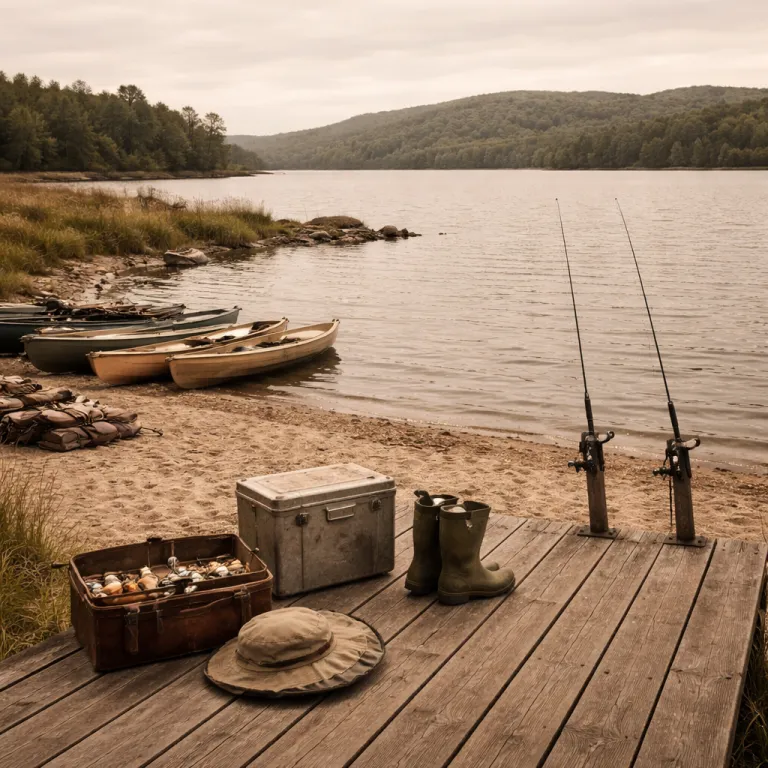
Free Fishing Days 2026: A Practical Guide for Families
What a free fishing day really means for your family
Free fishing days 2026 are not a marketing slogan; they are specific dates when your state waives the requirement for a recreational fishing license. On each free fishing day you can fish at no license cost on most public waters, but every rule on size limits, daily bag limits, and open seasons still applies with full force. Think of these license-free fishing days as a test drive for your kids, not a free pass to ignore conservation ethics or local regulations.
Across many states the main free fishing days fall during the first full week of June, timed to match National Fishing and Boating Week and the early summer bite. Some states add a second license-free weekend later in the year, often a Saturday–Sunday in July when water temperatures are stable and community events are in full swing. Check your state agency website for the exact days in June and any extra dates, because each state’s schedule is different and can change from year to year.
On any official free fishing day residents and visiting anglers can usually fish without buying a short-term or annual fishing license, but you still need to carry ID and follow local regulations. Gear checks, creel inspections, and boating safety patrols continue during every National Fishing and Boating Week event, so treat the June weekend like any other regulated fishing period. If a ranger asks for your license on a Saturday in June that is listed as license-free, calmly explain that it is one of the designated free fishing days 2026 and be ready to show the posted dates on your phone or a printed notice.
For families this national fishing opportunity removes the cost barrier for a weekend of trying rods, bobbers, and bait with minimal paperwork. A single free fishing day lets you see whether your child enjoys casting and watching fish before you commit to a full-year license. Use these fishing days as a low-pressure way to teach why we release undersized fish and respect closed areas, because ethics learned on a relaxed Saturday or Sunday tend to stick.
Sample 2026 free fishing dates and agencies
Exact 2026 dates are set by state wildlife agencies, but recent patterns give a useful guide. For example, the California Department of Fish and Wildlife typically schedules two statewide free fishing days, one in late June or early July and one in late August. The Texas Parks and Wildlife Department has historically allowed license-free angling in state parks on the first Saturday in June, while the New York State Department of Environmental Conservation usually offers a full weekend of free access during the last week of June. Always confirm the current year’s calendar on your state’s official fish and wildlife or natural resources website before you plan travel.
State by state timing and how to read the fine print
Free fishing days 2026 will not land on the same weekend in every state, so planning around the calendar matters as much as choosing the right rod. In the Northeast many states cluster at least one free fishing day around the first Saturday in June of National Fishing and Boating Week, while a few push their main fishing weekend toward late June to avoid lingering cold fronts. Southern states often add extra dates in July when water levels stabilize and summer festivals overlap with local fishing and boating clinics.
Western states sometimes offer a full weekend of license-free access, turning a single free fishing day into a Saturday–Sunday family road trip across several lakes or rivers. In those regions you may see a state schedule that offers free access on both public waters and some private ponds enrolled in youth programs, but bag limits and gear rules still apply every day. When you read the state regulations, look for phrases like “free fishing weekend in June” or “statewide free fishing day” and confirm whether non-residents are included or if the offers apply only to residents.
Regulation details can feel dense, yet they protect the fish you want your kids to catch year-round. Before any free fishing weekend, open your state’s digital booklet and mark pages on size limits, special trout waters, and boating rules for kayaks or small inflatables. For a deeper look at how navigation rules and barriers affect family trips, the guide on navigating waterway barriers for recreational fishermen explains why some stretches of water are open for fishing and boating while others stay off limits even on free fishing days 2026.
Remember that a license-free day never cancels closed seasons, protected species rules, or local tackle restrictions. If your state lists a national fishing event on a Saturday in June but keeps a particular river section fly-only, you still cannot fish there with bait and treble hooks. Teach your kids to see those rules as part of caring for the water, not as obstacles, because respect for regulations is the first real catch of any fishing day.
Quick reference: typical regional timing
As a rough guide, many Midwestern states favour the first full weekend of June for their primary free fishing days, coastal states often align at least one date with peak summer tourism, and some inland Western states experiment with winter free fishing weekends on ice-safe lakes. Use these patterns as a starting point, then verify the exact 2026 schedule in your state’s official regulations summary.
Planning a kid friendly free fishing weekend on public waters
When free fishing days 2026 roll around, the smartest move for a fishing parent is to keep the plan simple and close to home. Aim for a community pond or small reservoir with easy bank access, steady fish populations, and clean public waters rather than a big river that demands advanced casting and wading skills. A short walk, a safe shoreline, and visible fish activity beat any famous-name lake for a first fishing day with children.
For gear, you can outfit one child for under thirty euros with a 1.8 metre light spinning combo, size 6 to 8 bait hooks, a few clip-on bobbers, and split shot, which is enough for most free fishing days on stocked ponds. Skip the heavy tackle and treat this national fishing opportunity as a skills lesson, focusing on casting, watching the float, and gently releasing small fish. If you want to understand how different rods and reels survive kid abuse over a full weekend, the long-term test on the resilience of fishing gear for enthusiasts offers practical insight beyond catalog claims.
Build the schedule around attention spans, not around the theoretical best bite window for that week. A relaxed Saturday in June from eight to eleven, followed by ice cream and a swim, will beat a dawn-to-dusk marathon fishing weekend every time for young anglers. If your state offers free access on both Saturday and Sunday, use the second day as a shorter follow-up session where kids can apply what they learned about handling fish and reading the water.
Food, shade, and dry clothes matter more than lure colour on any license-free family outing. Pack a small first aid kit, sun protection, and a trash bag so your children see that leaving the bank cleaner than you found it is part of fishing and boating culture. When they watch other residents enjoy the same free fishing days 2026 without litter or noise, they start to understand that public waters are shared spaces, not personal playgrounds.
Family checklist and basic kid gear sizes
Before you leave home, run through a simple checklist: licenses if needed outside the free dates, printed or saved regulations, rods matched to your child’s height, barbless or de-barbed hooks for easier release, pliers, hand wipes, and a small cooler with drinks and snacks. As a rule of thumb, children under ten do well with rods between 1.5 and 1.8 metres, light line in the 4 to 6 pound range, and hook sizes 8 to 10 for panfish, while older beginners can step up to slightly longer rods and size 6 hooks for larger species.
From one free day to a year round fishing habit
After your first taste of free fishing days 2026, the next step is deciding whether to invest in a full license and regular outings. If your child is still talking about that first bluegill or perch a week later, that is your sign to move from a single free fishing day to a modest year-round plan. Many states offer discounted youth fishing license options that turn one license-free weekend in June into a season of short evening trips after school.
Think about how your family likes to fish before you buy gear or plan travel around specific dates. If you enjoyed bank sessions on calm public waters, a simple spinning setup and a small tackle box will carry you through most national fishing events and local outings. Families who want to mix fishing and boating, such as trolling for stocked trout or chasing summer species with a short 60-day season, should study regional regulations and resources like the analysis of Gulf red snapper seasons in the article on what a 60 day season means for your summer.
Joining a local club or youth program turns isolated free fishing days into a community-supported habit. Many clubs organise clinics during National Fishing and Boating Week, pairing new families with mentors who can explain why some states offer free access on specific days in June while others focus on July events. Those mentors also help you read the fine print on state regulations, so you know when you can fish without a license and when you must carry a valid permit every day.
Over time the goal is to shift your children’s focus from the novelty of a license-free weekend to the rhythm of caring for fish and water all year round. Free fishing days 2026 are simply the open door, while the real education happens on the quiet trips that follow in wind, rain, and the odd blank session. In the end, the memories that keep kids hooked are not the free offers or the dates on a calendar, but the tenth cast in the rain when a parent is still smiling beside them.
FAQ
Do I need a license on free fishing days if I already have one ?
If you already hold a valid fishing license, you can still fish on free fishing days 2026 exactly as you would on any other day. The license-free status mainly benefits new or occasional anglers who do not yet own a license. Your existing license simply means you are covered before and after those special dates.
Are all species open to harvest on a free fishing day ?
No, a free fishing day never overrides species-specific seasons, size limits, or protected status. If a fish is closed to harvest during that week or year, it remains closed even when the state offers free access. Always check the current regulations for each species before keeping any catch.
Can non residents participate in free fishing days 2026 ?
Participation rules for non-residents vary by state, so you must read the local regulations carefully. Some states allow everyone to fish free on the designated dates, while others limit the benefit to residents only. When planning a weekend trip, confirm the policy on the official agency website before you travel.
Are boating fees also waived during National Fishing and Boating Week ?
Boat registration fees and launch charges are usually separate from fishing license rules and are rarely waived. A state might host special boating week events or safety checks, but you should not assume ramps or rentals are free. Always verify launch costs and safety requirements for your boat before heading to the water.
What is the best place to take kids on their first free fishing day ?
For most families, a small community pond or stocked lake with easy bank access is the best choice. These public waters typically hold plenty of willing fish and offer safe, predictable conditions. Avoid fast rivers or remote shorelines until your children are comfortable with basic casting, handling, and safety skills.