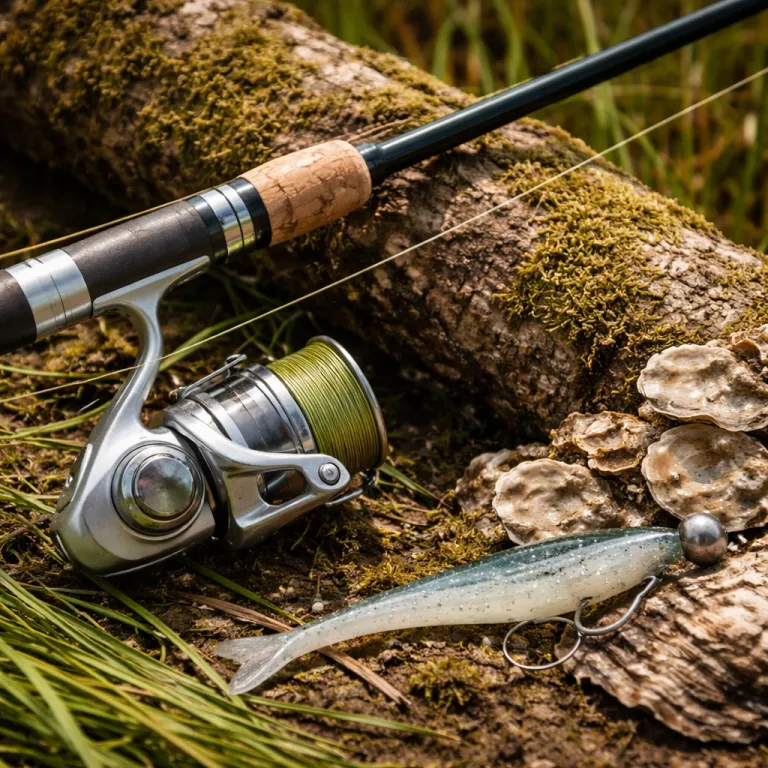
Why snook fishing gear demands its own dedicated category
Snook are unforgiving teachers, and their habits expose weaknesses in generic fishing gear. When a man or woman targets this fish in tight inshore structure, every reel, rod and leader choice becomes a test of judgment rather than fashion. Yet most tackle aisles still lump snook fishing into broad inshore fishing categories that blur essential details.
Anglers who regularly fish snook know that a one size fits all approach to gear fails quickly. The same spinning reel and rod reel combo used for sea trout on open fishing flats will struggle when a big snook surges toward mangrove roots. Without a clear snook fishing gear category, many recreational fishermen end up buying on sale or by brand reputation instead of functional design.
Shops often highlight the best sale price rather than the best balance between power and finesse. That leaves the average shop customer comparing price tags instead of comparing drag system performance, reel size options and leader abrasion resistance. A dedicated gear snook section in every serious shop would guide anglers toward tackle that handles heavy structure yet still transmits subtle bites.
Snook live in brackish water, around fishing docks, bridges and shadow lines where baits must land tight to cover. The right fishing gear for this environment is neither ultralight nor clumsy heavy tackle that kills casting accuracy. Purpose built snook fishing gear should promise longer casts with compact lures, controlled power on the hook set and enough finesse to fish slow in clear water.
Balancing rods, reels and lines for pressured inshore snook
Choosing the right rod for snook fishing starts with understanding how the fish uses structure. A medium heavy spinning rod offers the backbone to steer a big snook away from pilings, yet it still allows accurate casting with smaller lures and baits. Many anglers under estimate how much a carefully matched rod reel pairing improves control in tight inshore terrain.
For most situations, a medium heavy rod rated for 10 to 20 pound line pairs well with a spinning reel in the 3000 to 4000 reel size range. This combination keeps overall snook fishing gear weight manageable while providing enough drag system strength to stop sudden runs in shallow water. When a man fishes around heavy cover or deeper fishing docks, stepping up to slightly heavier tackle can be justified, but only if casting comfort remains high.
Line and leader choices complete the system and should never be an afterthought driven only by sale price. Braided main line in the 15 to 30 pound class offers longer casts and crisp sensitivity for detecting subtle bites from pressured fish. A fluorocarbon leader between 0,5 and 0,8 millimetres protects against abrasion from barnacles and bridge pilings, which is essential when you fish snook at night around lit docks.
Retailers who create a clear snook fishing gear section in their shop can explain these rod, reel and leader relationships instead of pushing generic inshore bundles. That kind of guidance helps recreational anglers move beyond impulse sale decisions and toward deliberate tackle planning. For readers interested in how refined tackle choices translate to other fisheries, an insightful look at a technical river fishing experience shows similar principles at work.
Dialing in lures and baits for structure oriented snook
Snook respond to both artificial lures and natural baits, but gear must match each approach. When fishing lures around mangroves, seawalls and fishing docks, anglers need snook fishing gear that casts accurately and works baits cleanly through ambush zones. A balanced spinning reel and medium heavy rod allow precise underhand pitches that keep baits tight to cover without constant snagging.
Soft plastic lures on jig heads remain a staple for many inshore specialists who fish snook in shallow water. These lures imitate injured baitfish and shrimp, and they excel when worked slowly along edges where subtle bites are common. Hard baits with suspending actions also shine around fishing flats and channel edges, especially when sea trout share the same territory and mixed species action is expected.
Natural baits such as live prawns or small fish demand equally careful tackle choices, because the goal is to present them naturally without spinning or drowning them. A quality drag system on the spinning reel protects light baits during the cast while still turning a big snook before it reaches structure. Matching hook size, leader diameter and rod power ensures that baits swim freely yet remain secure when a powerful fish commits.
Shops that group baits, lures and terminal tackle into a coherent gear snook section make it easier for anglers to build complete systems rather than random assortments. That approach respects how serious inshore fishing differs from casual pier outings focused only on low price deals. For those who enjoy technical reading, a guide on mastering demanding freshwater environments illustrates how targeted lure selection mirrors the snook challenge.
Reels, drag systems and the reality of big snook pressure
Many recreational anglers underestimate how much stress a big snook places on a spinning reel. These fish accelerate violently in shallow water, turning minor mistakes in drag system setup into broken leaders or straightened hooks. Purpose built snook fishing gear therefore treats the reel as a critical control device rather than a simple line holder.
A quality spinning reel for snook should feature a smooth, sealed drag system that starts up without jerks at low settings. When you fish snook around bridge pilings or dense mangroves, that smoothness allows you to protect lighter leaders while still applying heavy pressure when needed. Reel size in the 3000 to 4000 class usually balances line capacity, retrieve speed and overall weight for most inshore situations.
Matching the reel to a medium heavy rod ensures that the whole rod reel system flexes as a unit under load. This harmony reduces fatigue during long fishing sessions and improves hook setting power when subtle bites occur at the end of longer casts. Anglers who chase big snook near fishing docks often prefer slightly heavier braid to maximise pulling power without sacrificing too much casting distance.
Retailers can support better decisions by clearly labelling reels that are genuinely suited to snook fishing rather than simply promoting whatever model is on sale. Transparent information about maximum drag, spool capacity and corrosion resistance builds trust and encourages repeat shop visits. For readers interested in how refined reel control also matters offshore, a technical article on refining vertical jigging techniques shows similar demands on drag performance and line management.
From flats to docks : adapting snook tackle to changing water
Snook move between open fishing flats, backwater creeks and urban fishing docks, and each setting reshapes tackle priorities. On clear flats shared with sea trout, lighter snook fishing gear with thinner leaders and smaller lures often outperforms heavy setups. The goal is to achieve longer casts with minimal splash, reaching fish that shy away from boat noise and obvious pressure.
In these open water scenarios, a medium heavy rod with a fast tip pairs well with a compact spinning reel and fine braid. This combination allows anglers to cast small baits far while still having enough backbone when a big snook suddenly appears on the edge of a sand hole. Subtle bites become easier to detect because the system transmits every vibration from lure to hand.
By contrast, when fishing docks or tight mangrove tunnels, the same angler may favour slightly heavier tackle and shorter rods. Here, the priority shifts from maximum casting distance to leverage and control, because the fish will immediately try to reach structure. A robust drag system and abrasion resistant leader become more important than absolute casting finesse in this confined water.
Shops that currently skip content about these nuanced transitions miss an opportunity to educate customers and justify premium price points. A dedicated gear snook section could present side by side examples of flats focused and dock focused setups, explaining why each exists. That level of clarity helps recreational fishermen select fishing gear that matches their local water rather than chasing generic claims about the best all round combo.
Retail gaps, pricing transparency and the future of snook specific tackle
Despite the growth of inshore fishing, many retailers still treat snook as just another line item within broad saltwater categories. This lack of a dedicated snook fishing gear section leaves anglers comparing sale tags instead of performance metrics that actually matter on the water. When the only highlighted feature is a temporary sale price, long term value and durability become harder to judge.
Transparent pricing that links cost to measurable benefits, such as improved drag system reliability or corrosion resistance, would help anglers understand why some reels command a higher price. Clear labelling of rod power, reel size recommendations and leader strength ranges would further reduce confusion for less experienced customers. Retailers who organise a gear snook aisle with logical progression from entry level to advanced setups can guide buyers without resorting to pressure tactics.
Online shops also have room to improve by aligning shipping orders, free shipping thresholds and return policies with the realities of recreational fishing. Anglers often need to test how a rod reel combo feels in hand, and flexible returns build trust that encourages higher value purchases. Highlighting which products genuinely suit big snook, fishing flats or tight fishing docks would reduce disappointment and unnecessary returns.
As more anglers seek specialised snook fishing experiences, demand will grow for curated tackle packages that address specific scenarios rather than generic bundles. Thoughtful retailers can lead this shift by combining rods, reels, leaders, lures and baits into clearly explained kits for different inshore environments. Over time, that approach will elevate both customer satisfaction and the perceived authority of any shop that takes snook fishing seriously.
Key statistics about inshore snook fishing and tackle performance
- Statistics about snook catch rates, release survival and tackle failure are not available in the provided dataset, so no verified quantitative figures can be reported here.
Common questions about snook fishing gear
How heavy should my snook rod and reel setup be ?
A medium heavy rod paired with a 3000 to 4000 size spinning reel suits most inshore snook situations. This balance offers enough power for big snook near structure while remaining light enough for frequent casting. Anglers fishing extremely tight cover may step slightly heavier, but they should still prioritise comfort and control.
What line and leader combination works best for snook fishing ?
Many experienced anglers use braided main line between 15 and 30 pounds with a fluorocarbon leader from 0,5 to 0,8 millimetres. This pairing delivers longer casts, strong abrasion resistance and excellent sensitivity for detecting subtle bites. Leader length typically ranges from 60 to 100 centimetres depending on water clarity and structure density.
Are specialised snook lures necessary, or will generic inshore baits work ?
Generic inshore lures and baits can catch snook, but specialised designs often perform better around specific structures. Soft plastics, suspending hard baits and compact jigs tuned for snook behaviour usually track more naturally in current and tight cover. Matching lure size and weight to your rod power and target depth remains more important than branding alone.
How important is the drag system on a snook reel ?
The drag system is critical, because snook strike hard and run toward structure with surprising speed. A smooth, consistent drag protects lighter leaders while still allowing you to apply heavy pressure when needed. Reels with sealed drags and reliable maximum settings offer better long term value than cheaper models that slip or seize.
Do I need different snook fishing gear for flats and docks ?
Flats fishing usually rewards lighter leaders, smaller lures and tackle tuned for longer casts in clear water. Dock and bridge fishing often demands slightly heavier gear, stronger leaders and more emphasis on leverage and abrasion resistance. Many anglers maintain two complementary setups so they can adapt quickly as snook move between these environments.