Soft plastic swimbaits for everyday fishing pressure
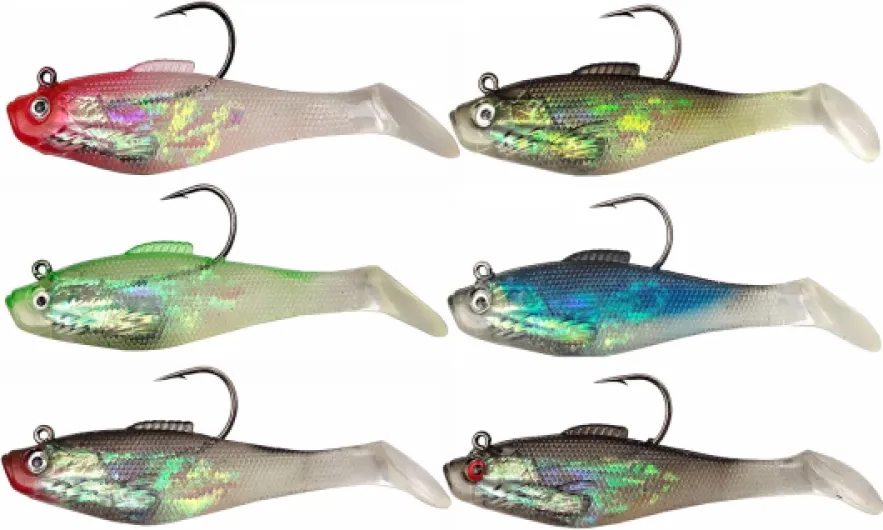
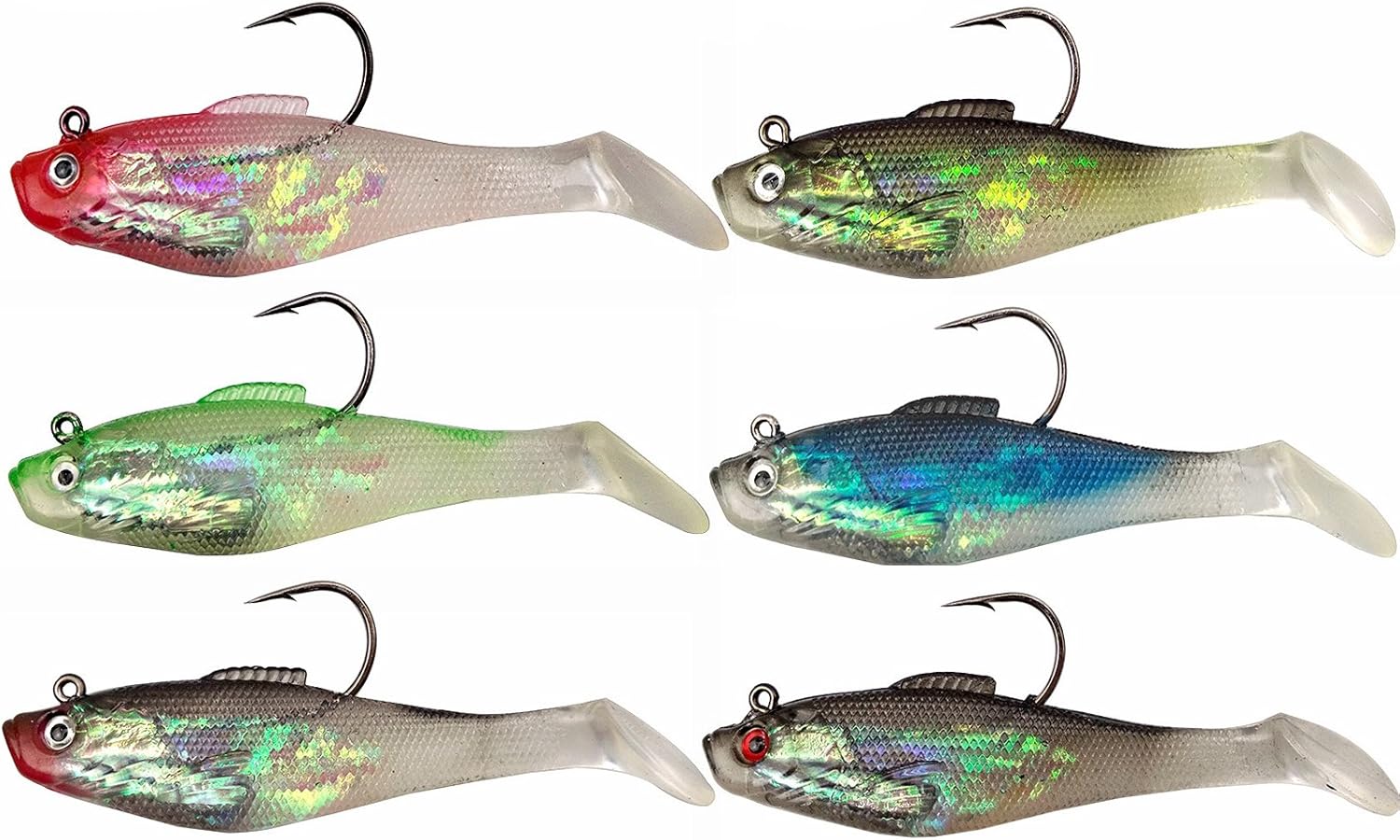
Soft plastic swimbaits remain the most versatile option for recreational fishing in lakes, rivers, and reservoirs. A simple paddle tail swimmer rigged on a jig head covers water quickly, and this style of bait works well for beginners who want to feel the lure thump. When you choose the best swimbait for this role, focus on tail action at slow speeds rather than just colour.
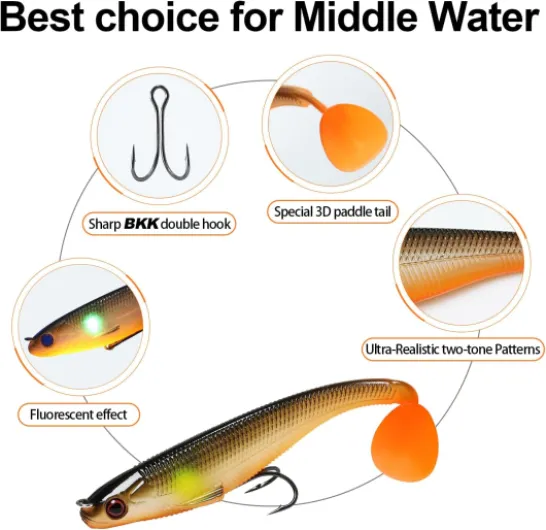
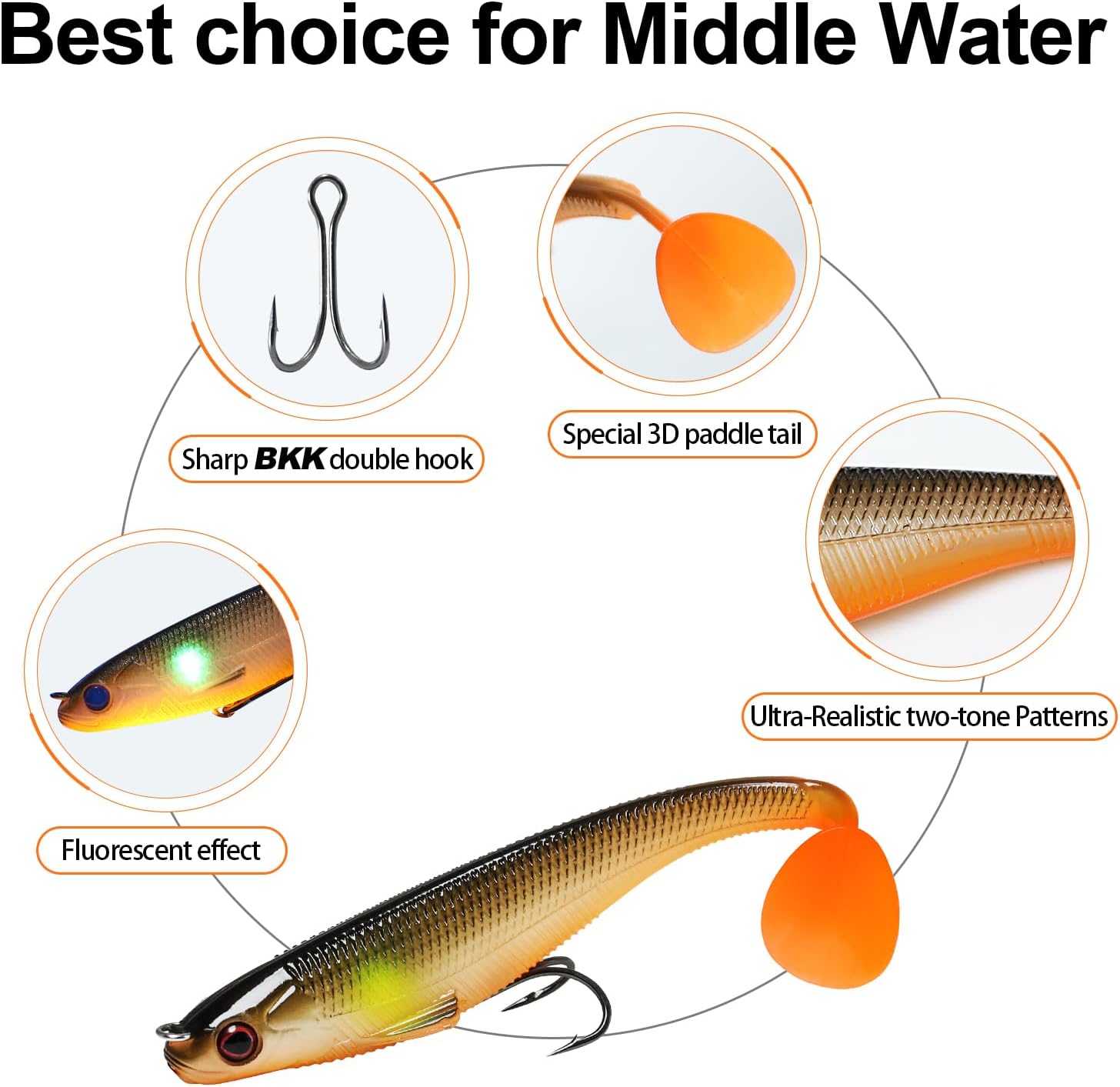
The Keitech Swing Impact is a benchmark soft bodied swimbait because it starts swimming as soon as the reel handle turns. Its ribbed soft plastic body traps air, the thin tail section flexes easily, and the rounded paddle tail kicks even on a slow retrieve in cold water. Many anglers pair the Swing Impact or the Keitech Easy Shiner with a light wire swimbait hook to keep the bait high in the water column over grass.
When fish feed on small shad or smelt, downsized soft swimbaits outfish bulkier hard swimbaits most days. A 7 to 10 centimetre Easy Shiner style lure imitates a juvenile baitfish perfectly, especially when you match the bait colour to local forage. In clear water, natural shad patterns shine, while in stained water a brighter Berkley PowerBait paddle tail can help fish locate the lure.
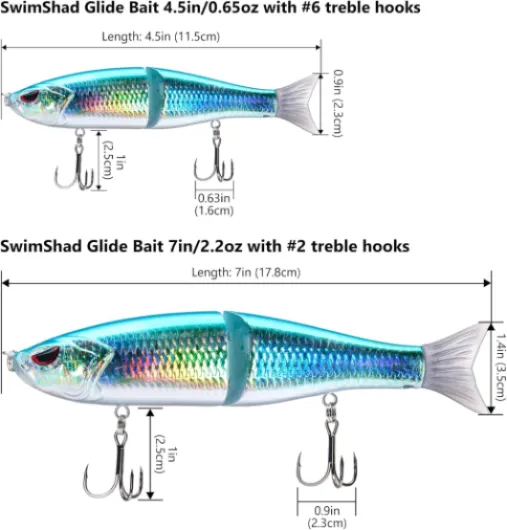
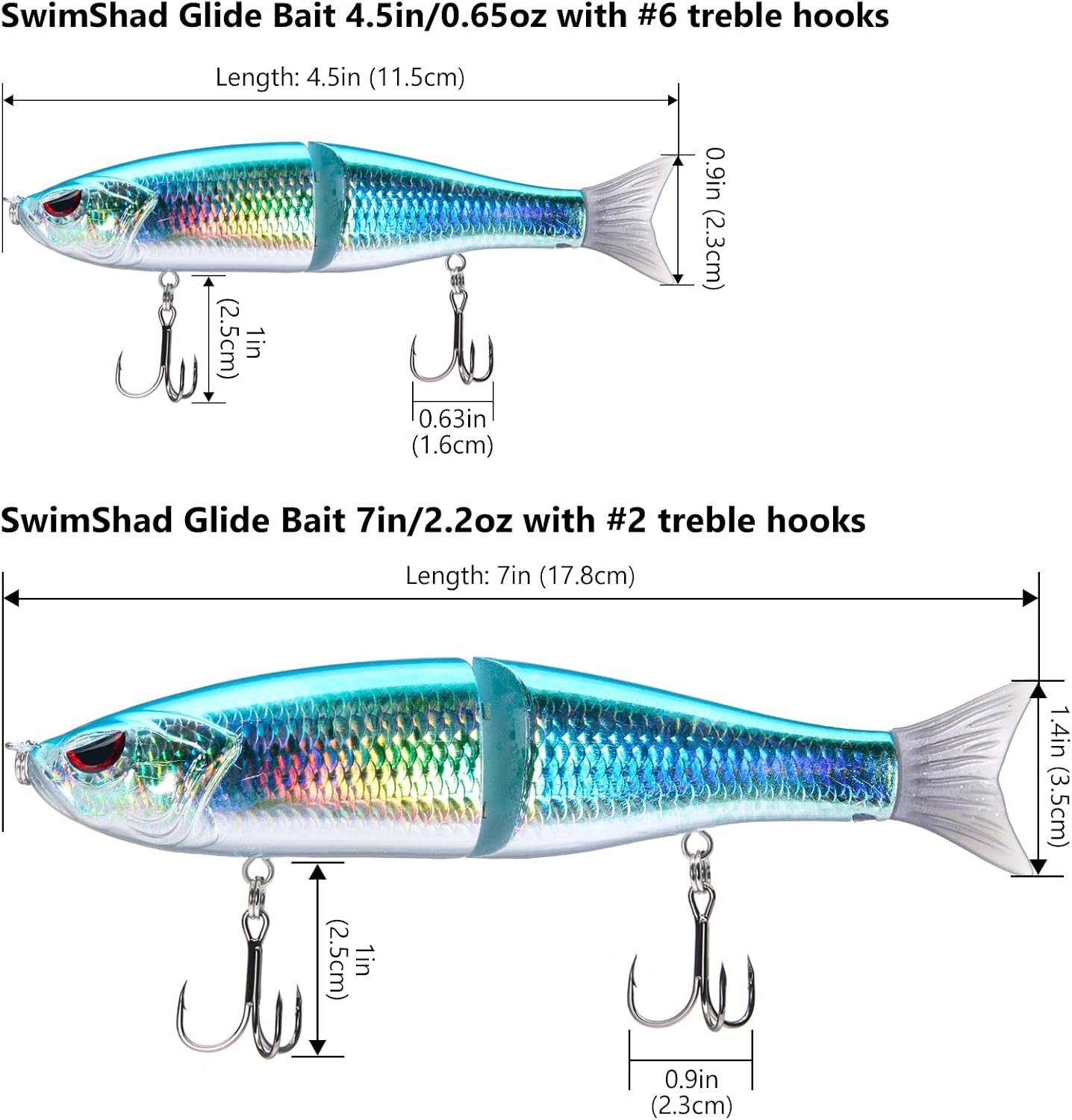
Soft glide swimbaits made from supple plastic offer a different look than standard paddle tails. These baits feature a segmented or jointed soft bodied design that allows a slow, lazy glide on a steady retrieve, which can tempt big fish that ignore faster swimmers. Because the body flexes, you often need a balanced swimbait hook or belly weighted hook to keep the lure tracking well.
Recreational anglers who fish at dawn often combine soft swimbaits with topwater tactics. A detailed guide on why the first 45 minutes of topwater fishing often outproduce the rest of the morning shows how low light periods push baitfish shallow. After that early topwater window closes, a subtle soft plastic swimmer becomes the logical follow up lure to keep contacting active fish.
From a price perspective, soft plastic swimbaits let you experiment with sizes and profiles without draining your tackle budget. You can carry multiple baits in different lengths, from finesse swimmers to big fish hunters, and still spend less than on a single premium hard glide bait. This flexibility encourages you to rotate through several baits until you dial in the exact tail action and sink rate that fish want on a given day.
Hard swimbaits and glide baits for targeting big fish
Hard swimbaits and dedicated glide baits occupy a special place in modern fishing. These lures are not about numbers; they are about one or two big fish that change your season. When you commit to throwing a big hard swimbait, you accept fewer bites in exchange for a realistic profile that appeals to the largest predators in the system.
Single joint glide baits such as the Bull Shad from the Mike Bucca brand create a wide, lazy S curve on a steady retrieve. By adjusting retrieve speed and rod angle, you can make the glide bait swing wider, tighten up, or even stall in place to taunt following fish. Many anglers refer to a favourite model as their clutch swimbait because it produces when other lures fail.
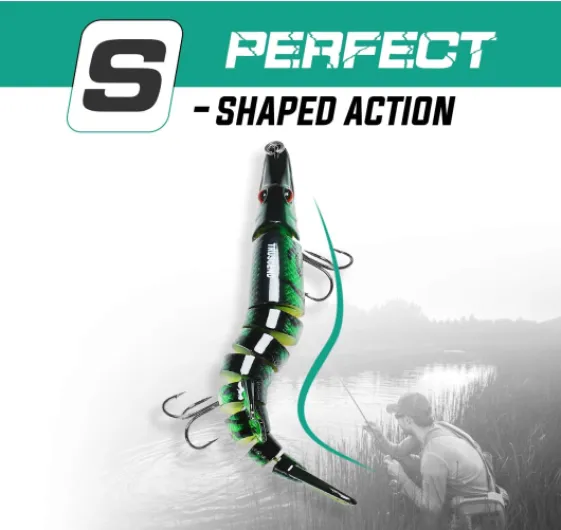
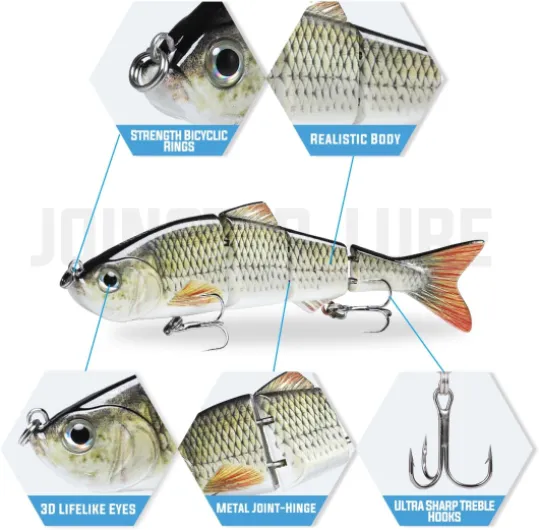
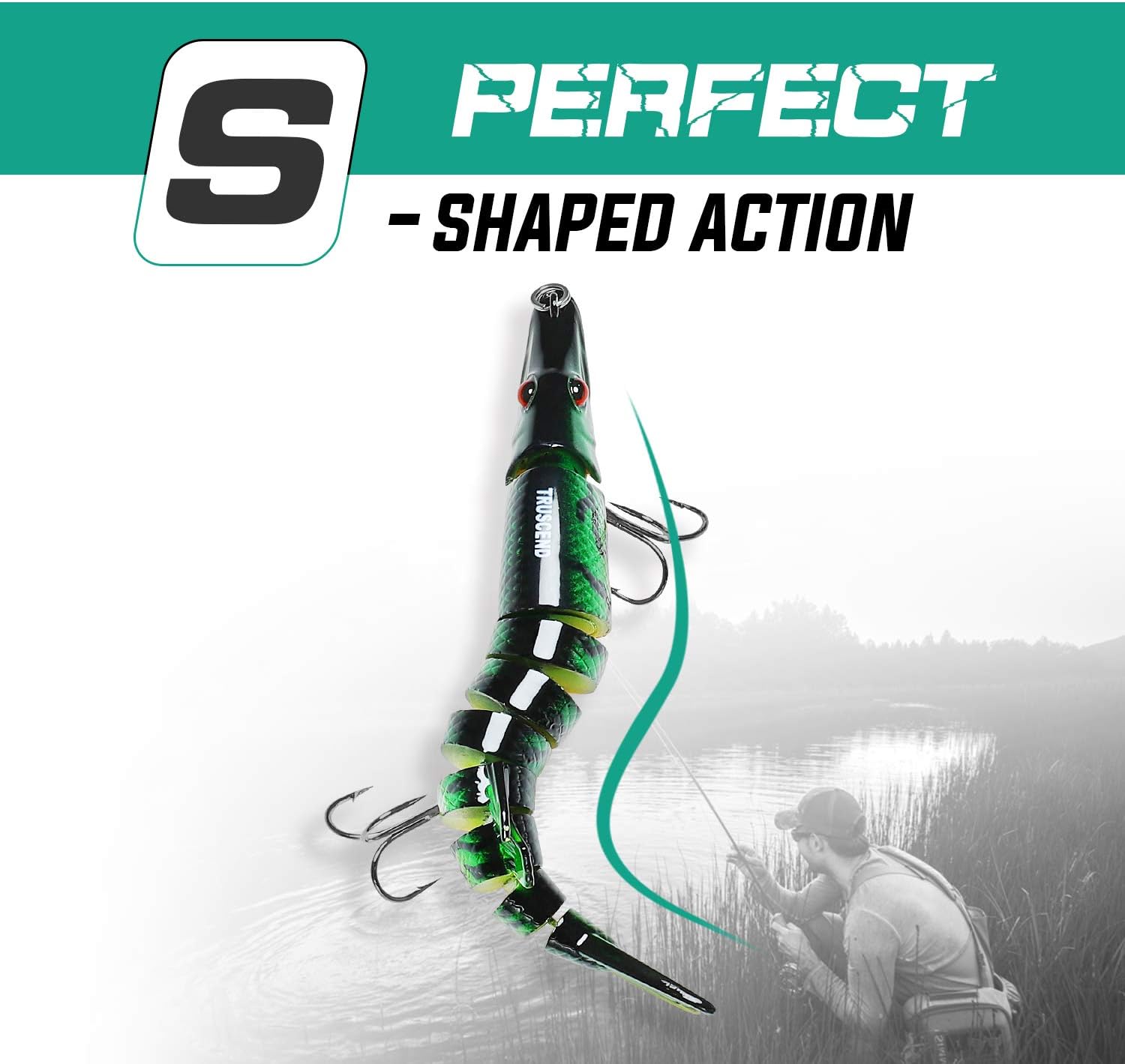
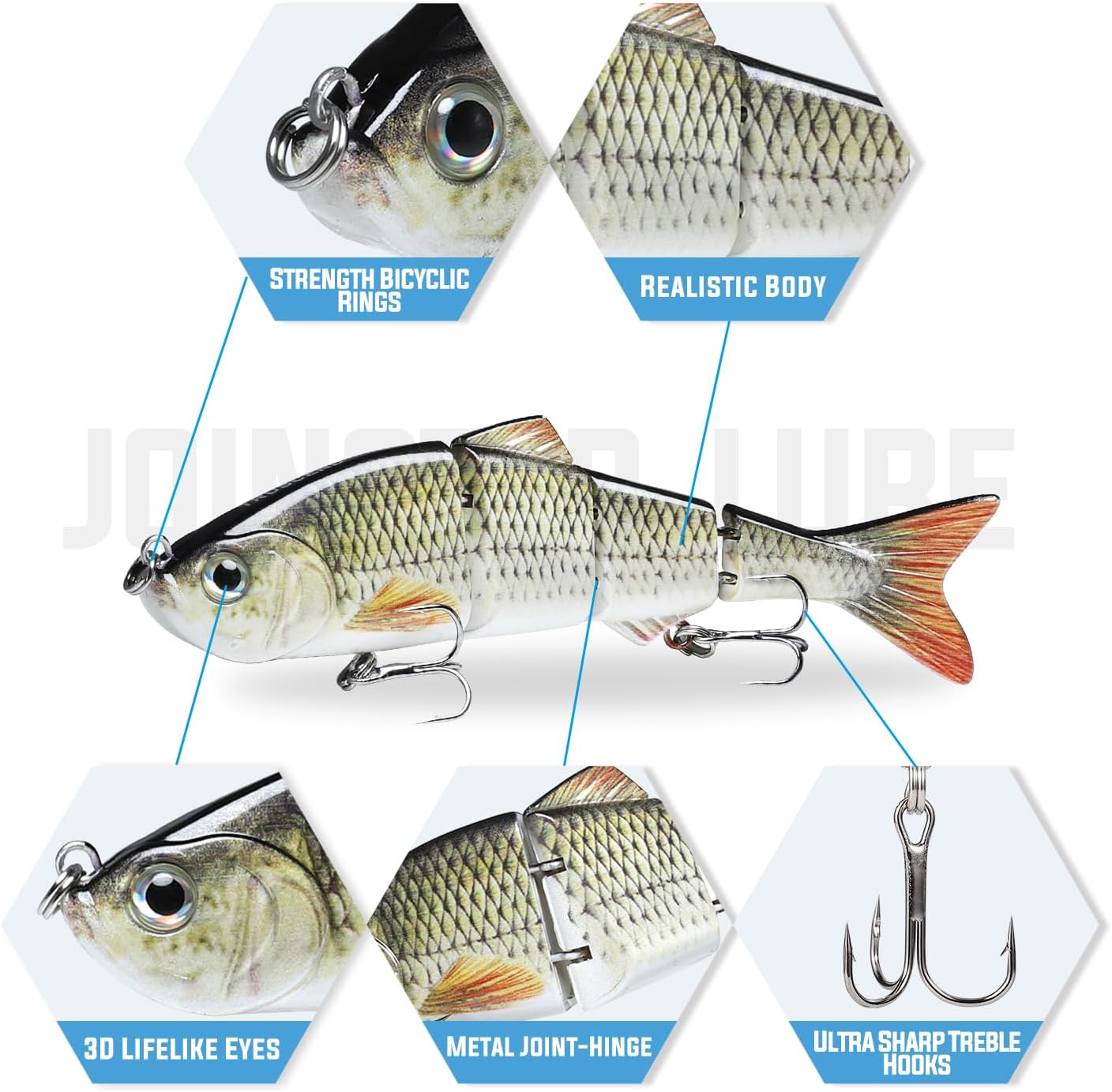
Multi joint hard swimbaits swim with a more fluid, serpentine action that stays tighter to the retrieve line. These lures excel when fish follow but refuse the exaggerated glide of a wider bait, especially in clear water with heavy fishing pressure. A well tuned hard swimbait should track straight, roll slightly, and keep the tail moving even during pauses.
Classic trout profile swimbaits such as the Huddleston Deluxe changed how anglers approach trophy hunting. The Huddleston Deluxe is a soft bodied yet structured swimbait that combines a realistic trout shape with a thumping tail, making it deadly on big fish in trout stocked lakes. Many anglers rig this bait with a top hook and an additional treble to increase hookup rates without ruining the natural swim.
Night sessions add another dimension to fishing swimbaits for large predators. When you study resources on night fishing rigs and bait strategies, you see how low light changes fish positioning and confidence. Translating that lesson to swimbaits, a slow rolled hard glide bait along a breakline after dark can draw crushing strikes from fish that ignored the same lure in daylight.
Because premium hard swimbaits and glide baits command a high price, protecting them with the right tackle matters. A medium heavy or heavy rod such as a Dobyns Fury swimbait model, paired with strong fluorocarbon or braid, helps you cast big lures safely and drive the hook home. When you invest in a few top tier glide baits, you treat each cast as a calculated shot at the biggest fish in the area.
Rigging swimbaits correctly for maximum hook penetration
Even the best swimbaits fail if the rigging compromises action or hook exposure. A properly chosen swimbait hook keeps the lure running true, maintains the intended glide, and still presents enough hook gap to penetrate bone. Many missed fish come from anglers forcing a hook that is either too small or too large for the specific bait.
For soft plastic paddle tail swimmers, an offset swimbait hook with a belly weight often balances the lure perfectly. The weight keeps the soft bodied bait tracking well, while the wide gap hook sits snugly along the back without bunching plastic around the point. When you rig a Keitech Swing Impact or Easy Shiner this way, you preserve the tail action that makes these baits so effective.
Line through rigging offers another option for certain soft swimbaits and hybrid designs. In this system, the line passes through the lure body and ties directly to a treble hook, which then tucks against the belly, improving hook up ratios on big fish that swipe short. Because the bait can slide up the line during the fight, the soft plastic body suffers less damage and lasts longer.
Hard swimbaits and glide baits usually come with factory trebles, but upgrading hooks can transform performance. Strong, sharp trebles matched to the lure size help maintain balance while increasing landing percentage on heavy fish that jump or surge boatside. When you change hook size, always test the bait in shallow water to ensure the glide or swim remains stable.
Rod and reel pairing also influences how well your swimbait hook penetrates. A moderate fast rod such as a Dobyns Fury swimbait model cushions surges yet still drives the hook, while a quality reel with a smooth drag protects both line and lure hardware. For anglers who troll or cast heavy baits, a dedicated setup similar in philosophy to the trolling focused reels reviewed in this in depth look at serious trolling and casting reels ensures consistent performance.
Price should not be the only factor when choosing hooks and terminal tackle for swimbaits. Cheap split rings and weak hooks can cost you the fish of a lifetime, especially when you commit to fishing swimbaits for trophy class predators. Treat every component from hook to split ring as part of a system that must withstand repeated pressure from truly big fish.
Matching swimbaits to seasonal fish behaviour
Seasonal patterns dictate which swimbaits rise to the top on any given trip. In cold water, a subtle soft glide or slow rolling paddle tail often outfishes aggressive hard swimbaits that move too quickly for sluggish fish. As temperatures climb, the same fish respond better to a more active swimmer or a wide wandering glide bait.
During early season, when baitfish remain small, compact soft plastic swimbaits shine. A 7 to 10 centimetre Keitech Easy Shiner or Swing Impact imitates young shad or roach, and these baits work well on light jig heads along rocky banks. Because the tail moves at very low speeds, you can creep the lure just above bottom where cold water predators hold.
As summer progresses and prey grows, larger fishing swimbaits become more efficient tools. Big fish often key on larger meals to conserve energy, making a 15 to 20 centimetre soft bodied swimbait or mid sized glide bait a smart choice. When you match the lure profile to local forage, such as a Bull Shad style body in shad based lakes, your odds of a trophy increase.
Autumn brings another shift, with predators feeding heavily before winter. This period often rewards anglers who rotate between hard swimbaits, soft glide models, and traditional paddle tail baits to track changing moods. On windy days, a louder, more aggressive swimmer can trigger reaction bites, while calm, bright conditions may call for a natural glide bait presentation.
Low light windows at dawn, dusk, and during overcast periods consistently improve swimbait success. Fish feel safer leaving cover, baitfish move shallower, and both factors make the best swimbaits even more effective when worked along edges and points. Planning your sessions around these windows lets you maximise the strengths of each lure style.
Throughout the year, keep a simple log of which swimbait, size, and colour produce under specific conditions. Over time, patterns emerge that guide future tackle choices and help you decide when to reach for a clutch swimbait or when a modest soft plastic swimmer will do. This disciplined approach turns a box full of lures into a refined system for consistent big fish encounters.
Balancing price, tackle selection, and confidence in the best swimbaits
Building a swimbait arsenal does not require buying every lure on the wall. A thoughtful mix of soft plastic swimmers, one or two soft glide models, and a couple of proven hard swimbaits covers most recreational fishing situations. The goal is to own a small set of baits you trust enough to fish well and often.
Start with affordable soft plastic swimbaits such as the Keitech Swing Impact, Easy Shiner, and comparable Berkley PowerBait paddle tail options. These baits let you experiment with different retrieve speeds, depths, and tail actions without worrying about losing an expensive glide bait on submerged timber. As your confidence grows, you can add a Bull Shad or similar Mike Bucca brand glide bait as your dedicated big fish lure.
Rod and reel choices should match the weight and resistance of your chosen swimbaits. Lighter paddle tail baits fish best on medium power spinning or casting tackle, while heavy hard swimbaits demand a purpose built rod such as a Dobyns Fury swimbait model paired with a robust casting reel. Using the right tackle not only protects your investment but also helps you feel the glide, tail thump, and subtle changes that signal a following fish.
Confidence may be the most underrated factor when fishing swimbaits. When you believe a particular swimbait or glide bait will produce, you naturally focus more on casting angles, retrieve cadence, and boat positioning, which in turn leads to more bites. Over time, one or two lures become your personal best swimbaits because they consistently connect you with quality fish.
Every angler must balance price against performance when choosing fishing swimbaits. Premium hard swimbaits and custom glide baits offer refined action and finish, yet mid priced soft bodied options still catch impressive fish when presented correctly. By understanding how each bait swims, glides, and fits into your local forage picture, you can invest wisely and avoid cluttering your tackle with redundant lures.
Ultimately, the top swimbaits for you are the ones that match your waters, your tackle, and your style of fishing. A compact soft plastic swimmer might be the perfect choice for pressured canals, while a large clutch swimbait or Huddleston Deluxe could be ideal for deep reservoirs with giant predators. Build your selection around real world results, and let the fish decide which lures earn a permanent place in your box.
Key figures on swimbait effectiveness and usage
- In many European and North American reservoirs, published fisheries surveys and predator diet studies report that larger pike, zander, and bass increasingly shift to bigger prey fish once they exceed roughly 60 to 70 centimetres, which helps explain why big swimbaits often produce a higher average size than small baits in targeted trophy fishing.
- Industry reports and retail tackle sales data from major chains consistently show that soft plastic swimbaits and paddle tail lures account for a substantial share of soft lure revenue, reflecting their role as everyday search baits for recreational anglers.
- Angler catch logs from club tournaments and regional circuits frequently indicate that a small percentage of competitors using hard swimbaits or glide baits secure a disproportionate number of the heaviest fish weighed, highlighting the power of these lures for targeting top end specimens.
- Independent laboratory tank tests and controlled field trials on lure action have demonstrated that subtle tail movement at low speeds often triggers more follows from cautious predators than overly aggressive vibration, supporting the popularity of designs such as the Keitech Easy Shiner and similar soft bodied swimmers.
- Field observations and guide reports on stocked trout lakes show that realistic trout profile swimbaits, including Huddleston style designs, can outperform traditional crankbaits by a wide margin when large predators key on stocked fish as their primary forage.