Spinning ice reels versus inline designs on modern rods
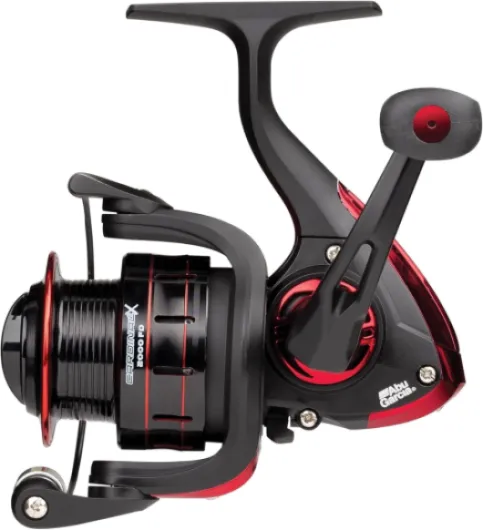
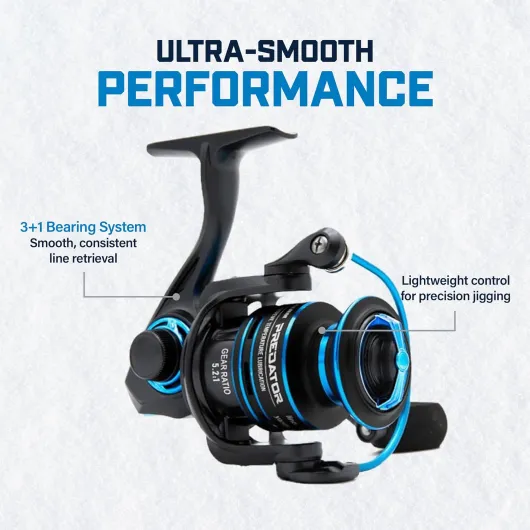
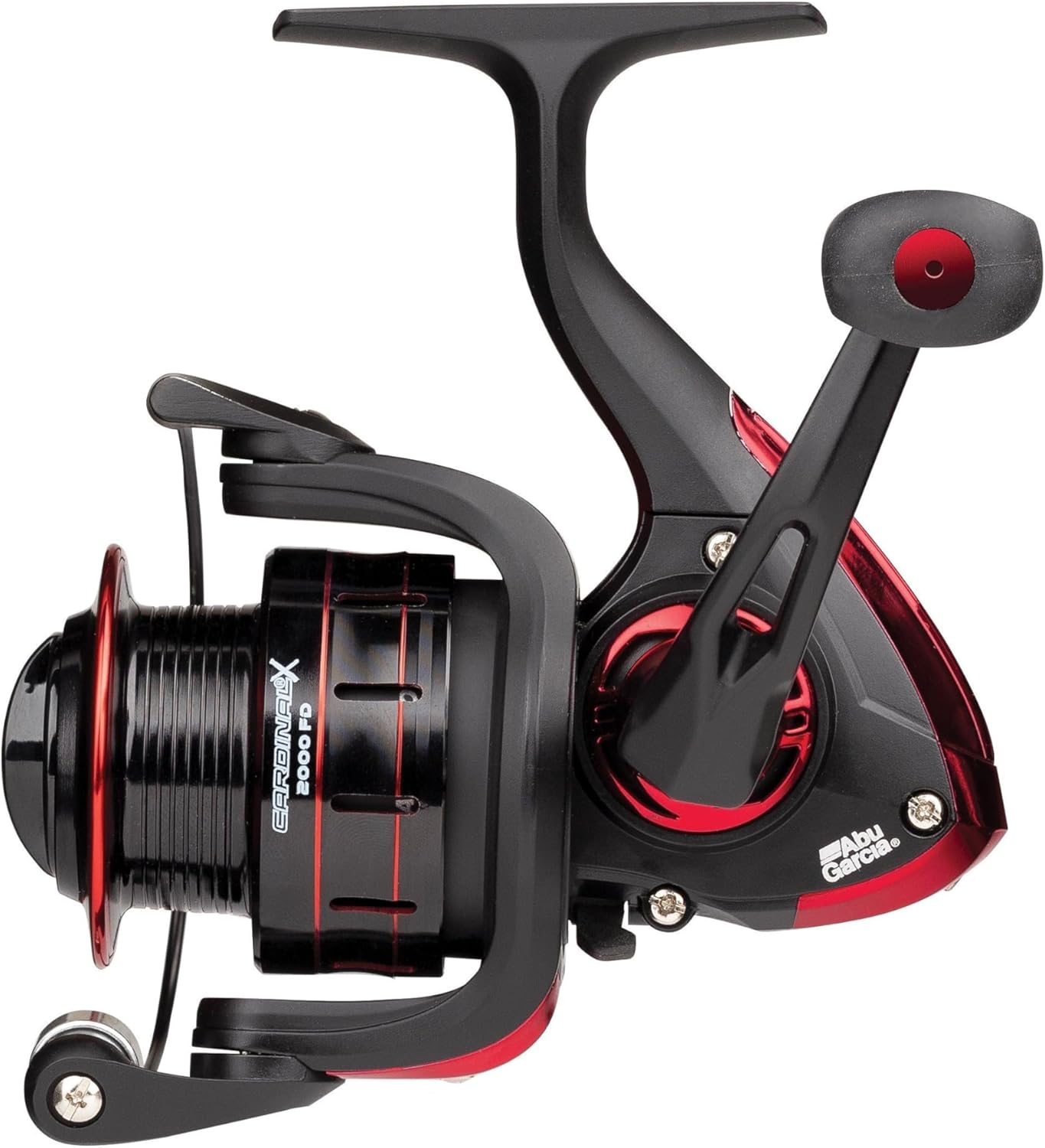
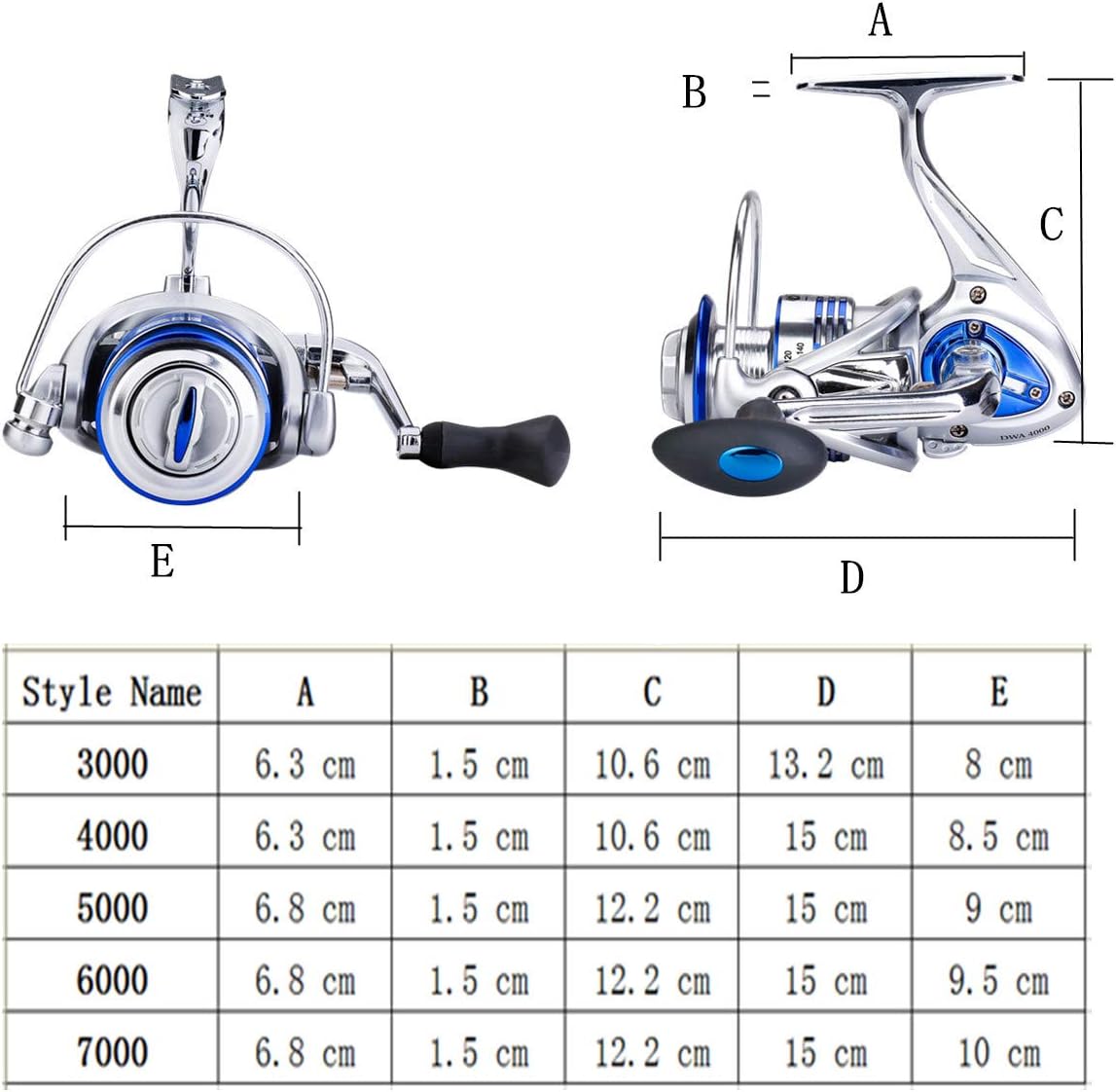
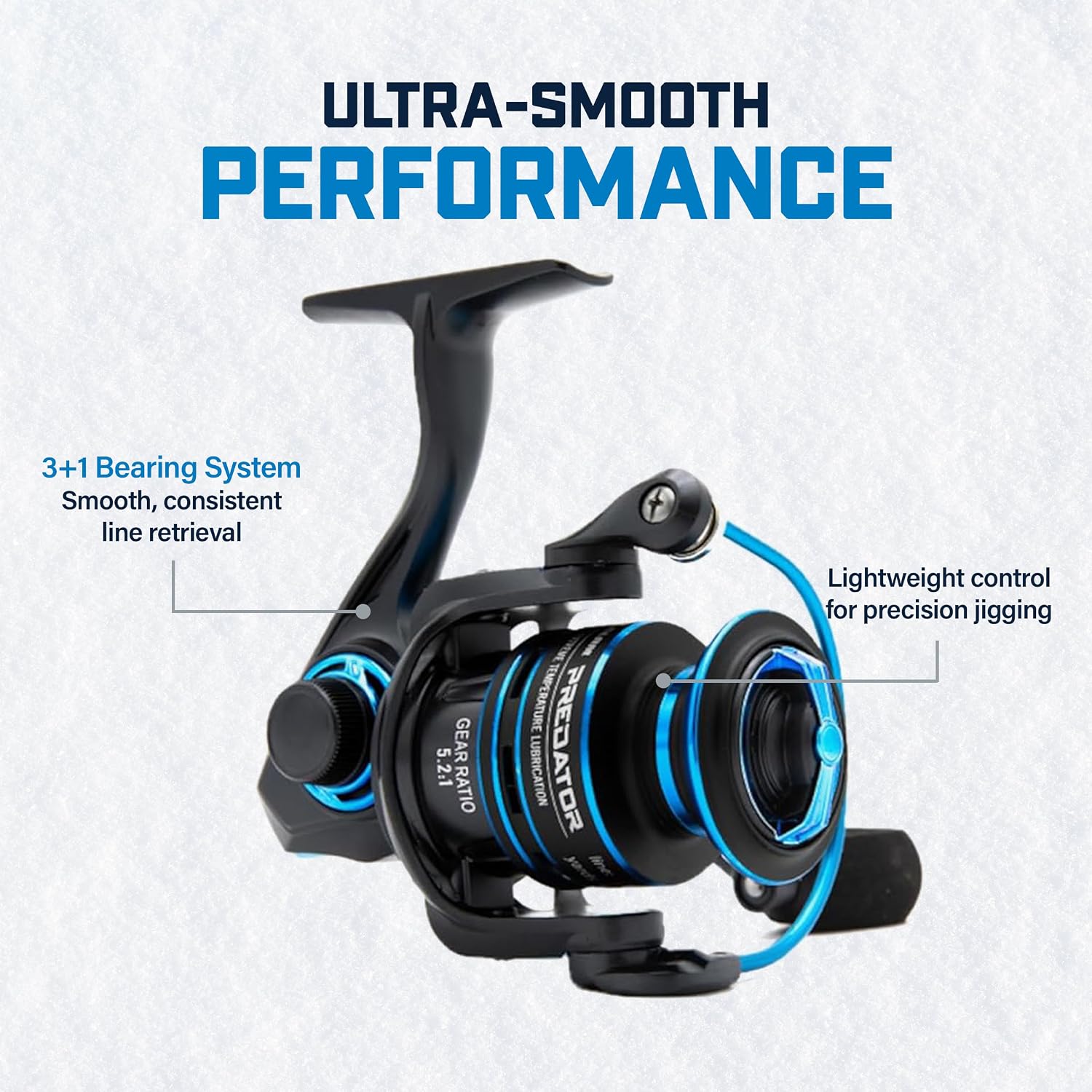
Many anglers still start with a spinning reel because it feels familiar from open water fishing. On a short carbon ice rod, a 500 or 1000 size spinning reel balances well, keeps the setup light, and offers enough drag for perch, crappie, and average walleye. When you compare spinning reels side by side, look at the stated gear ratio, the number of ball bearings, and how easily the drag knob turns with gloves on.
Inline reels change the way line leaves the spool, which matters for very light presentations. Because an inline reel lets line drop straight down without looping, tiny tungsten jigs fall smoothly and transmit subtle bites from finicky fish more clearly. Many of the best inline reels for ice fishing also include a free spool lever, so you can drop a bait quickly to suspended fish without opening a bail like on a spinning reel.
Some anglers prefer a hybrid approach, pairing one spinning reel with one inline reel on separate rods to cover different tactics. A short, sensitive carbon ice rod with an inline ice setup excels for sight fishing shallow panfish, while a slightly longer rod with a compact spinning reel handles spoons and heavier lures. For a curated comparison of top rated ice reels across both categories, you can consult this detailed guide on specialized ice fishing reels and match models to your preferred techniques.
Drag systems, gear ratios, and ball bearings in cold conditions
Under real ice fishing conditions, the drag system on your reel is more than a marketing term. A smooth, consistent drag protects light line from sudden runs when a big fish surges near the hole, especially when you fight it vertically with little stretch. When you evaluate drag systems on different fishing reels, test how they start up at low settings, because sticky drag at the first pull is what usually breaks fine line.
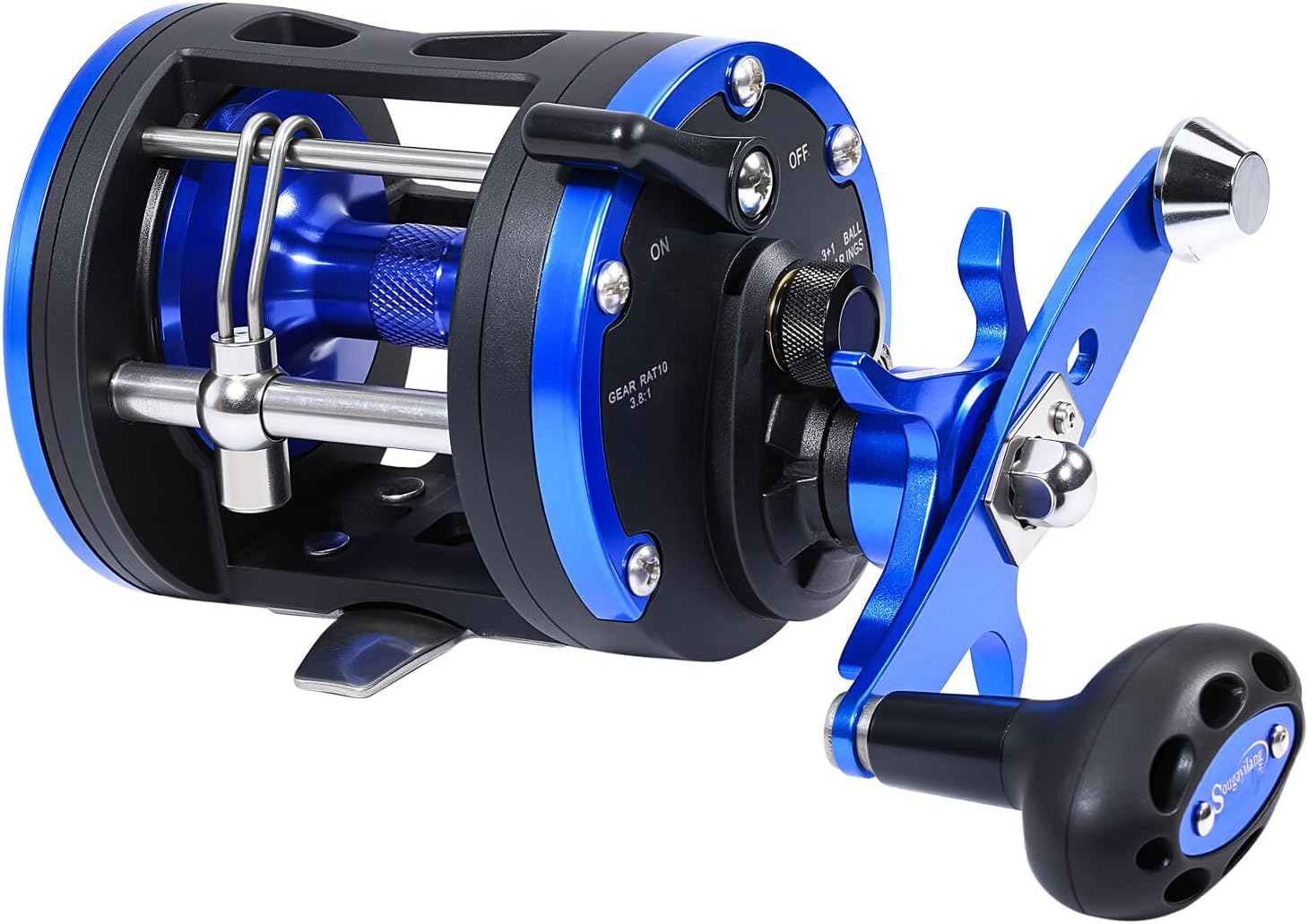
Gear ratio describes how many times the spool turns for each handle rotation, and it shapes how your ice reels feel in hand. A higher gear ratio retrieves line faster, which helps when you are hopping holes and checking baits often, but it can reduce cranking power on heavy fish. Many of the best ice reels sit in a moderate gear ratio range, giving enough speed to pick up slack while still offering torque for lake trout or large walleye.
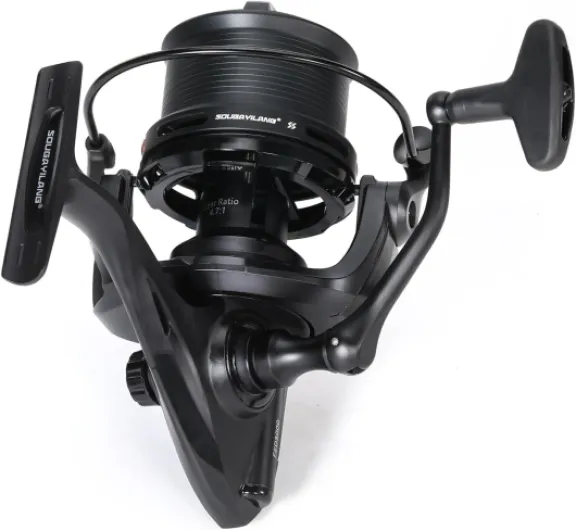
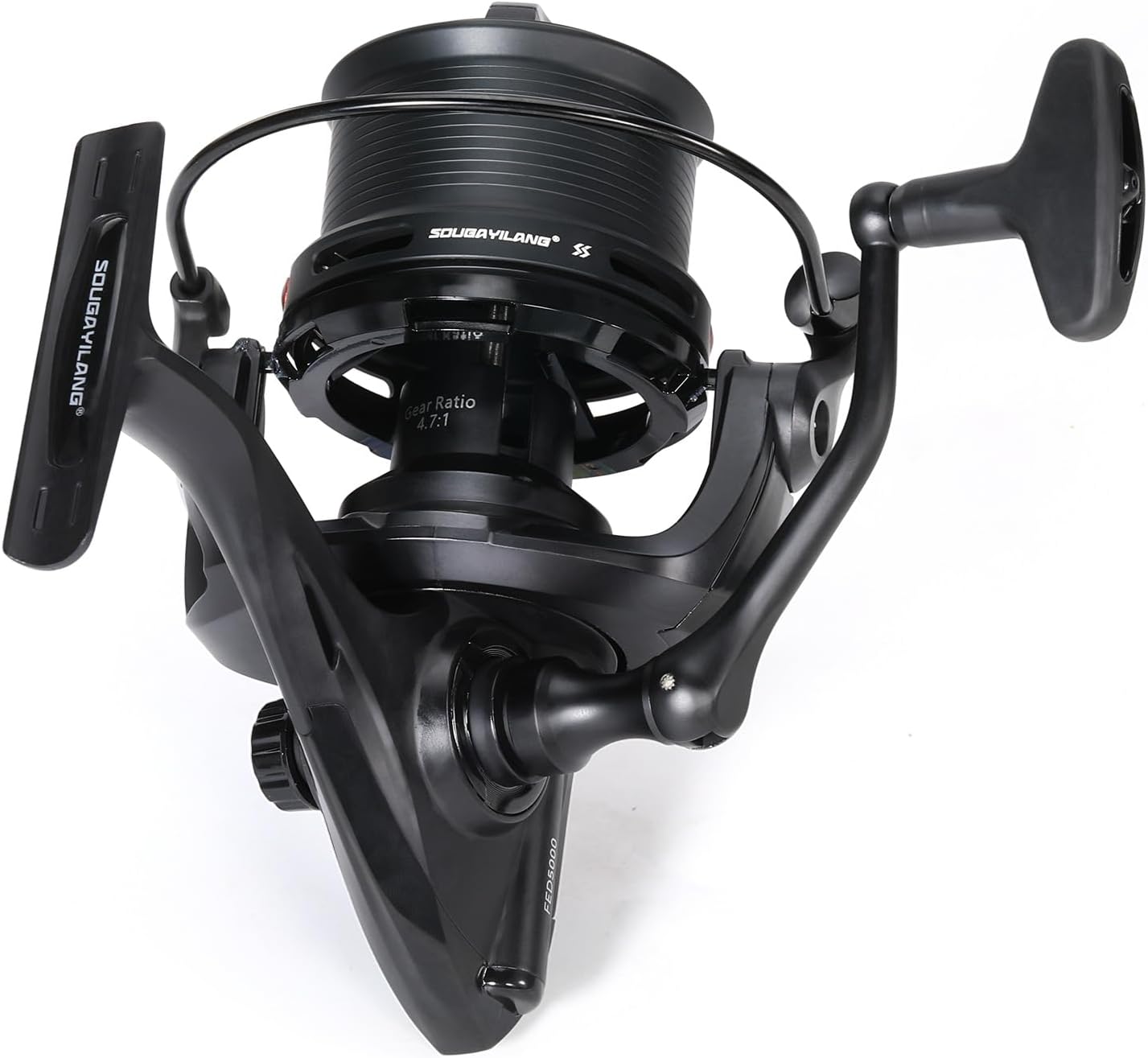
Ball bearings support the moving parts inside the reel, and their quality matters more than the raw number printed on a box. A budget spinning reel with three well sealed ball bearings can outperform a cheap model claiming ten bearings that seize in the cold. For a deeper technical breakdown of bearings, drag, and spool design in a high performance feeder fishing reel, the test of the FED5000 with its 13+1 ball bearings and 4.7:1 gear ratio on this advanced reel review shows how similar engineering principles apply to ice specific models.
Materials, construction, and durability of modern ice reels
Material choice separates a basic ice reel from the best ice reels that last many seasons. Aluminum frames and aluminum spools resist flex and keep the gear train aligned, which helps the drag system stay consistent under load. Many premium spinning reels and inline reels now combine aluminum with carbon ice composites to reduce weight while maintaining strength in freezing temperatures.
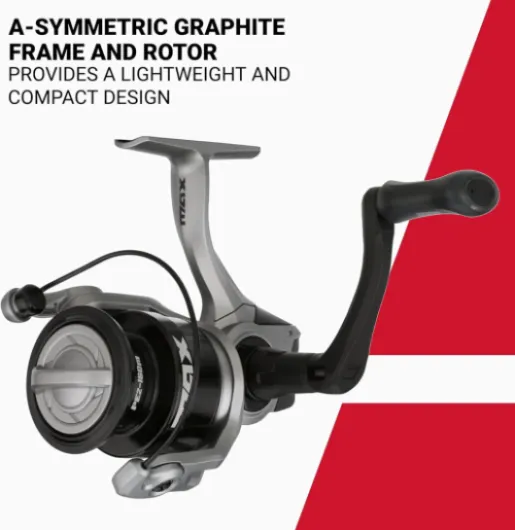
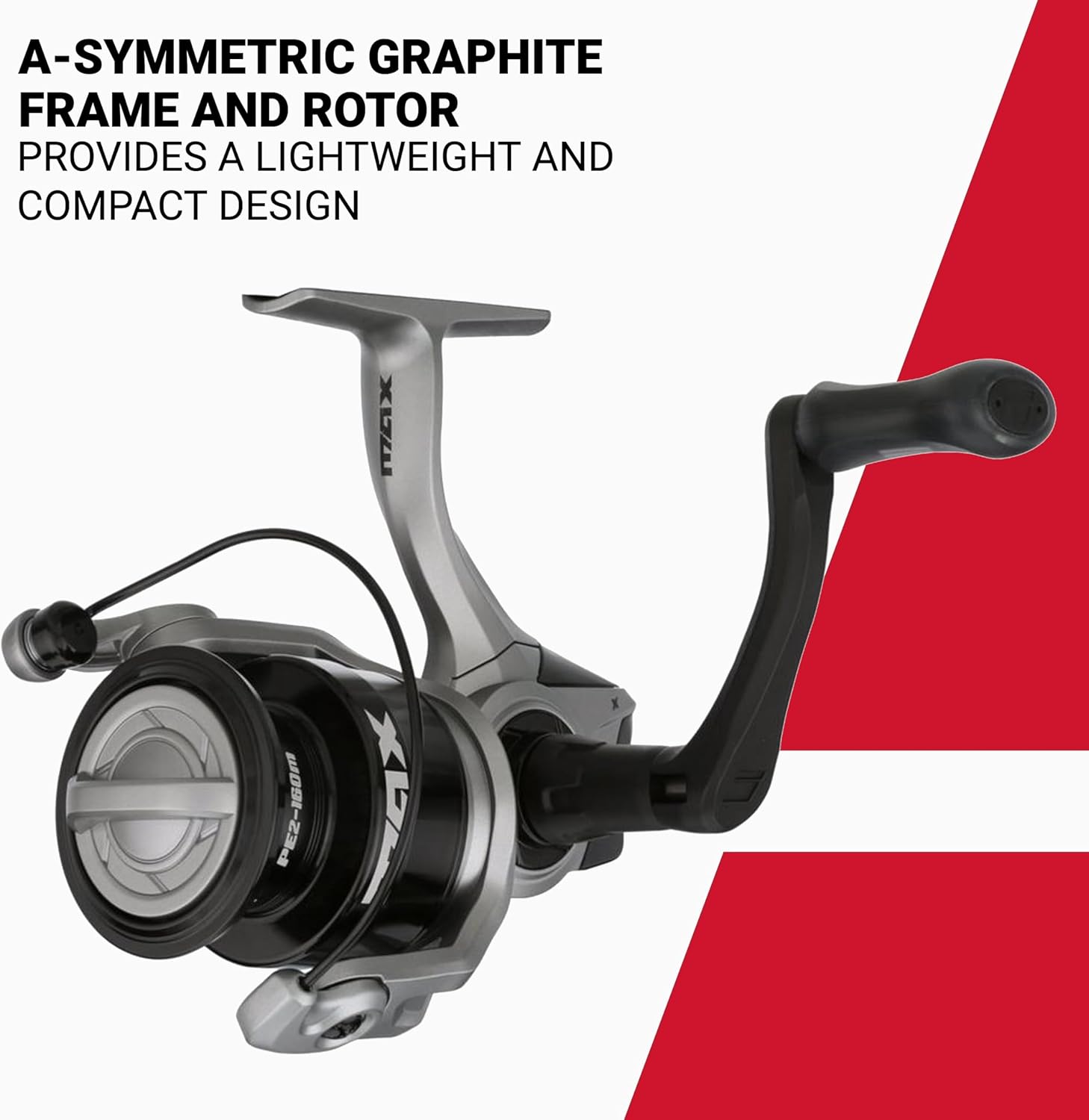
Graphite bodies remain common in lower price ranges, and they can perform well when paired with quality internal gear components. The key is how the reel handles stress when a heavy fish pulls hard near the hole, because any flex in the body can cause the spool and pinion gear to misalign. When you compare price sold figures between aluminum and graphite fishing reels, remember that a slightly higher sale price often buys longer term reliability on the ice.
Brand specific designs also influence durability, especially in niche ice fishing products. The Black Betty series of inline reels, for example, built its reputation on solid metal construction and a direct inline spool that resists twist, while Eagle Claw ice reels focus on value oriented setups that still handle regular weekend use. When you compare Daiwa spinning reels with other brands in the same price range, pay attention to how well their cold weather lubricants and sealed ball bearings resist icing during long sessions on exposed ice.
Real world performance: comparing brands, prices, and on ice behavior
Price always enters the conversation when anglers search for the best ice reels for their budget. Entry level spinning reels for ice fishing often start at a modest sale price, and many are sold in combos with matching rods that work well for casual trips. Mid range and premium ice reels cost more, but they usually offer better drag control, smoother gear operation, and stronger aluminum or carbon ice construction.
Brand comparisons help clarify where your money goes, especially when you compare Daiwa, Shimano, Eagle Claw, and 13 Fishing models. Daiwa spinning reels tend to emphasize refined gear trains and smooth drag systems, while Eagle Claw ice reels focus on accessible price points and simple, durable designs. Black Betty inline reels occupy a more specialized niche, appealing to anglers who want precise control over line payout and minimal twist when presenting tiny jigs to pressured fish.
On the ice, performance differences become obvious after a few hours of active fishing. A well balanced rod and reel combination lets you detect light bites, manage line easily with gloves, and fight fish confidently without worrying about sudden drag failures. For anglers who also chase pike or bass in open water, understanding how topwater tactics at dawn work on soft water, as explained in this article on early morning topwater efficiency, can inspire similar timing strategies when planning prime ice fishing windows.
Matching ice reels to techniques, rods, and target species
Every technique on the ice benefits from a specific pairing of rod, reel, and line. For light panfish work, a short, soft tipped rod with a micro spinning reel or compact inline reel lets tiny jigs move naturally and reveals delicate upward bites. When you target larger fish like walleye or lake trout, a longer, stronger rod combined with a robust spinning reel and a reliable drag system becomes essential to land fish through a narrow hole.
Deadstick setups often use rattle reels or simple inline reels mounted to shelter walls, keeping a baited rod fishing while you actively jig another hole. These rattle reel systems rely on smooth spools and predictable drag so a fish can take line without feeling sudden resistance, which encourages deeper, more secure hook sets. Many anglers keep multiple rods rigged with different ice reels, switching between spinning reels for spoons and inline reels for finesse plastics as fish behavior changes through the day.
When you compare price sold data across categories, it becomes clear that the best ice reels are not always the most expensive models. A mid priced spinning reel with a solid aluminum spool, three to five quality ball bearings, and a consistent drag can outperform a flashy but poorly sealed reel in real ice fishing conditions. Whatever you choose, test your fishing reel at home, check how the drag feels, and make sure the gear ratio and handle speed match the way you like to fish under the ice.
Key figures and market statistics for ice reels
- According to participation estimates published by the American Sportfishing Association, more than 2 million anglers take part in ice fishing across North America, and this participation supports a dedicated market for specialized ice reels and rods (American Sportfishing Association, 2023 participation report).
- Industry summaries from major outdoor retailers indicate that spinning reels still account for over 60 percent of ice reel sales, while inline reels and rattle reels make up most of the remaining share among dedicated ice fishing products (compiled from retailer category reports and trade show presentations, 2022–2024).
- Market analyses from tackle distributors show that aluminum framed ice reels typically command a 20 to 30 percent higher average sale price than comparable graphite models, reflecting their increased durability and perceived value (aggregated distributor price sheets and regional sales briefs, 2023).
- Consumer surveys reported by regional fishing magazines note that more than half of regular ice anglers own at least three dedicated ice fishing reels, often a mix of spinning reels, inline reels, and specialized deadstick or rattle reel setups (Midwest and Great Lakes angler readership polls, 2021–2024).