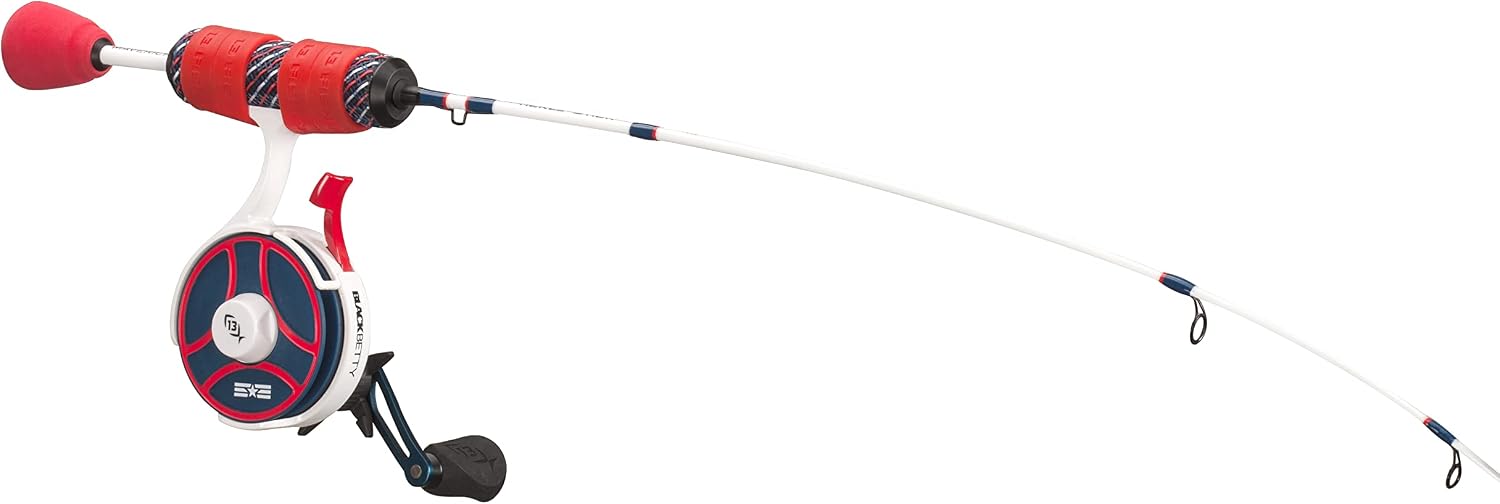
Matching rod, reel, and line combos to species under the ice
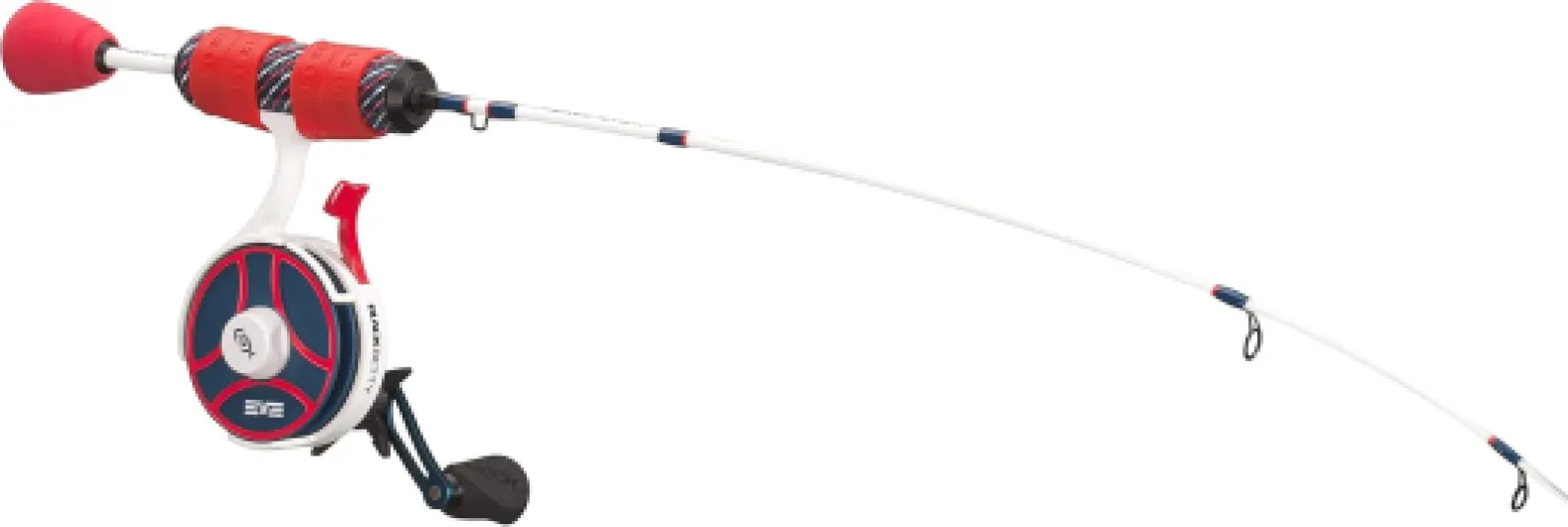
Choosing the best ice fishing rods means matching each rod and reel combo to a specific task on the ice. For perch and other panfish, a light power ice rod with a very sensitive tip lets you see and feel the slightest up bite before the fish spits the jig. Pair that rod with a small spinning reel designed for ice fishing and spool it with thin monofilament or braid backed by a smooth drag.
When you target walleye or medium sized pike, step up to medium power ice rods that still maintain a fast action for jigging spoons or lipless lures. These rods need enough backbone to lift heavier lures and turn strong fish away from the bottom edge of the ice hole, yet they must remain sensitive enough to register soft winter strikes. A balanced ice combo in this range often uses a 2500 size spinning reel with a shallow spool and a comfortable handle that you can operate easily with either the left or right hand.
Large predators such as big pike or lake trout demand the strongest unit in your lineup, usually a medium heavy or heavy power rod with reinforced guides. Here, the best ice fishing rods use solid carbon or robust composite blanks that can handle sudden surges without snapping near the tip. Match these rods with a larger reel featuring a strong drag system and consider slightly heavier line to prevent break offs when a fish runs hard under the ice.
Some anglers prefer dedicated custom rods for each species, while others rely on versatile combos that cover several roles. Custom ice builds from specialist shops can fine tune length, action, and handle layout so that every rod feels like an extension of your hand. Off the shelf combos remain attractive when they include a quality reel and a well matched blank at a competitive price.
When you evaluate a combo, check how the reel balances on the rod and whether the tip recovers quickly after you jig. A properly balanced unit reduces fatigue and keeps your lure working naturally, which leads to more fish landed over a long day on the ice. You can compare different reels by testing their drag smoothness and handle comfort, and detailed spinning reel reviews for ice fishing, such as the test of an ultra smooth metal body model, help narrow your choices before you buy.
Line choice completes the system, because even the best ice fishing rods cannot perform if the line coils badly or freezes stiff. Thin braid with a fluorocarbon leader maximizes sensitivity and strength for deep water jigging, while straight monofilament offers more forgiveness for beginners or when fish nip lightly. Always match line diameter to rod power and lure weight, and retie often because ice edges and clam shell debris can nick your line without warning.
Price, value, and how to read regular and sale offers on ice rods
Understanding price structures helps you choose the best ice fishing rods without overpaying for features you will never use. Retailers often list a regular price alongside a sale price, and the difference between these numbers can be significant during peak ice fishing promotions. When you compare offers, focus on the real value of the rod and reel unit rather than the size of the advertised discount.
Some shops display a unit price or price per unit when selling multi rod bundles, which can hide the true cost of each stick. Always calculate the effective price unit for a single rod, especially when a combo includes both rod and reel plus a basic rod holder or small accessories. A higher price regular tag does not automatically mean better performance, but extremely low price sale offers often signal compromises in blank quality or guide durability.
Specialist builders typically avoid aggressive price sale tactics, instead emphasizing craftsmanship and custom ice design. Their custom rods may carry a higher regular price, yet many anglers view that investment as justified when they feel the sensitivity and strength difference on the ice. If you fish often and chase demanding species, a premium ice rod can outlast several cheaper sticks, reducing your long term cost per season.
Mass market brands compete heavily on sale price, especially late in the ice season when retailers clear inventory. During these periods, you can sometimes secure the best ice fishing rods from reputable manufacturers at a price unit close to mid range gear. Always inspect the rod carefully, checking for straight blanks, aligned guides, and secure reel seats before committing, because clearance items may have been handled frequently.
Online stores often highlight free shipping and fast shipping orders to attract buyers who cannot view the rods in person. Free shipping on long ice rods can represent real savings, since courier surcharges for oversized packages add up quickly in remote regions. When comparing offers, factor shipping orders policies into your total cost, because a slightly higher regular price with free shipping may beat a lower base price plus expensive delivery.
Some retailers list both a regular price and a clearly marked sale price on each product page, while others only show the current promotion. Look for transparent labels such as price regular and price sale, and avoid sellers who obscure the original price or unit price breakdown. For reels and feeder style setups, detailed product tests of balanced rotor systems and hybrid bodies can also guide your spending decisions, ensuring that your money goes into performance rather than marketing.
Materials, sensitivity, and solid carbon performance in modern ice rods
Material science has transformed the best ice fishing rods, especially in the realm of solid carbon and advanced graphite. Traditional fiberglass ice rods still have a place for beginners or heavy duty applications, yet they rarely match the sensitivity and strength of modern carbon blanks. When you fish in deep water or chase finicky perch, that extra sensitivity means the difference between a missed bump and a hooked fish.
Solid carbon blanks excel because they transmit vibration efficiently along the entire length of the rod while resisting compression from sudden loads. This combination allows a light or medium power ice rod to remain both sensitive and strong, so you can fish small jigs without fear of snapping the tip when a larger predator appears. Many custom rods rely on solid carbon cores precisely for this reason, tailoring wall thickness and taper to specific lure weights.
Composite constructions blend carbon with fiberglass to create ice rods that flex more gradually and absorb shock better. These designs suit anglers who prefer a more forgiving stick, especially when fishing with children or when targeting mixed species that range from tiny perch to surprise pike. The best ice fishing rods in this category still maintain a crisp tip for bite detection, but they bend deeper into the blank when a fish surges under the ice.
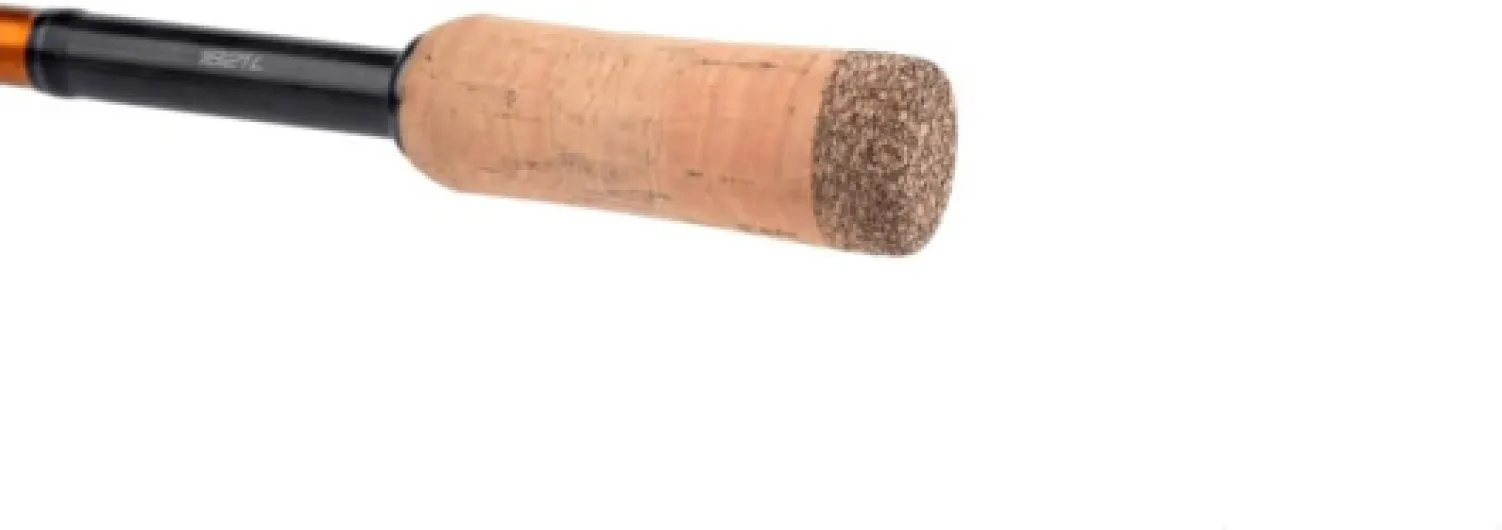
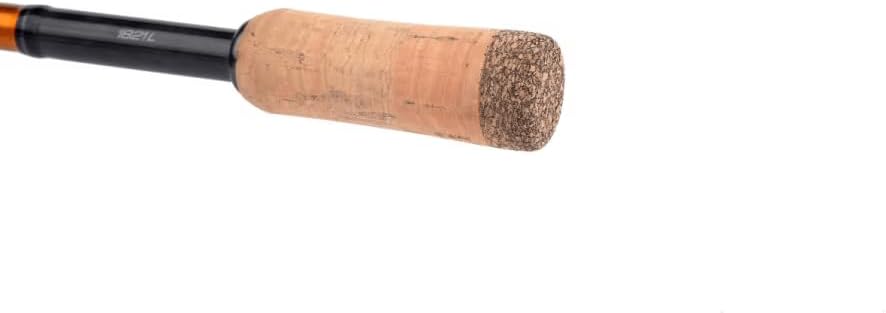
Handle materials also influence perceived sensitivity, because cork and EVA transmit vibrations differently to your hand. Many high end ice rods use split grip cork handles that expose part of the blank, allowing direct finger contact for maximum feel. When you hold the rod lightly and rest a finger near the reel seat, you can sense even the faintest clam shell tap or weed tick as your lure moves.
Guide frames and inserts must withstand both cold temperatures and the abrasion of braided line, which many anglers use for its low stretch. Stainless steel frames with quality inserts reduce ice buildup and protect the line, while cheap guides can crack and cut braid during a hard fight. The best ice fishing rods combine these components into a cohesive unit, where blank, handle, and guides all contribute to overall sensitivity and strength.
For anglers who want a fully tuned system, custom ice builders can adjust every element from guide spacing to handle length. A custom rod built around your preferred reel, line, and lure weight will always feel more natural in the hand than a generic off the shelf stick. When you pair such a rod with carefully chosen lures, including modern jointed swimbaits designed for perch and pike, you create a refined setup that rewards every subtle movement you make on the ice.
Practical setups, rod holders, and on ice organization for multiple rods
Serious anglers rarely carry just one rod onto the ice, because different situations demand different tools. A typical layout might include a light power perch stick, a medium power walleye rod, and a heavier combo for pike or lake trout. The best ice fishing rods in this spread cover distinct lure weights and line strengths, ensuring that you always have the right unit ready in your hand.
Rod holders play a crucial role when you fish multiple lines or switch frequently between jigging and dead sticking. A stable rod holder keeps your ice rod secure while you tend another hole, check a tip up, or handle a fish at the surface. Choose holders that grip the handle firmly without crushing cork or foam, and position them so that a rod can pivot slightly when a fish takes the bait.
Inside a portable clam style shelter, space is limited, so organization matters even more. Use horizontal racks or compact rod holders along the walls to keep sticks off the ice and away from boots, which prevents damage to guides and tips. The best ice fishing rods deserve padded sleeves or hard cases during transport, because a single careless step can snap a sensitive solid carbon blank.
When you fish outside in the open, wind and blowing snow complicate rod management. Secure each combo with a holder or by pushing the handle into packed snow, and avoid laying rods flat where they can be buried quickly. Many anglers keep their primary jigging rod in hand while leaving a second medium power rod in a holder with a live bait rig for opportunistic fish.
Label each rod with its line strength and intended use, so you can grab the right stick instantly when a school of perch appears on the sonar. This habit becomes especially valuable when you own several similar looking custom rods from different builders. Clear labeling also helps you track which combos need new line or reel maintenance before the next trip.
Finally, think about how your entire system works together, from rods and reels to lures and storage. The best ice fishing rods perform at their peak when paired with appropriate reels, quality line, and proven lures that match local forage. Whether you prefer subtle jigs or more aggressive vibrating baits for perch and pike, a tidy and efficient layout on the ice lets you react quickly whenever a promising mark appears on your sonar screen.
Buying strategies, shipping, and after sale support for top ice fishing rods
Buying the best ice fishing rods involves more than just picking a model off the shelf, because service and support matter when gear fails in harsh conditions. Start by choosing retailers with clear return policies and responsive customer service, especially if you order custom rods or high end combos online. A trustworthy shop will help you resolve issues with broken tips, misaligned guides, or defective reel seats without unnecessary hassle.
Online purchases often hinge on shipping orders policies, which can significantly affect the final price of a rod. Free shipping on long or fragile items is particularly valuable for anglers who live far from major fishing stores, where courier surcharges would otherwise inflate costs. When comparing offers, consider both the base price and the shipping terms, because a slightly higher sticker with free shipping may beat a lower tag plus expensive delivery.
Some specialty shops bundle free shipping with minimum order values, encouraging anglers to purchase multiple rods or an ice combo that includes both rod and reel. This approach can make sense if you plan to upgrade several pieces of gear at once, such as adding a new perch stick, a medium power walleye rod, and a heavier predator combo. The best ice fishing rods often sell quickly when such promotions appear, so act promptly if you view a configuration that fits your needs.
After sale support becomes especially important with custom ice builds from respected makers. These builders understand that serious anglers push their equipment hard, and they typically offer repair or rebuild services for damaged blanks and worn handles. When you invest in a premium solid carbon rod, knowing that the maker stands behind the product adds real peace of mind on the ice.
Warranty terms vary widely, from limited coverage against manufacturing defects to more generous programs that include accidental damage. Read the fine print carefully, and register your rods promptly if the manufacturer requires it, because unregistered products may not receive full protection. The best ice fishing rods usually come from brands that communicate warranty conditions clearly and honor them without unnecessary delays.
Finally, consider long term availability of parts such as replacement tips, guides, and reel seats, because even the finest rods eventually need maintenance. Brands with established distribution networks and strong relationships with retailers make it easier to source components or arrange repairs. When you balance performance, price, shipping, and after sale support, you build a collection of ice rods that will serve you reliably across many winters on the hard water.
Key figures and market statistics for modern ice fishing rods
- Industry reports indicate that ice fishing equipment represents a small but stable share of total freshwater tackle revenue in North America, reflecting a highly specialized niche market.
- Retail surveys consistently show that solid carbon and graphite composite rods account for the majority of ice rod sales by value, indicating a clear shift away from traditional fiberglass toward higher sensitivity materials.
- Consumer research from major retailers suggests that many anglers own between three and five dedicated ice fishing rods, with multi species fishermen often maintaining separate setups for panfish, walleye, and large predators.
- Online transaction data from leading e commerce platforms shows that a large portion of premium ice rod purchases occur during promotional periods, when sale prices typically fall well below the listed regular price.
- Warranty claim summaries published by several rod manufacturers report low failure rates for modern solid carbon blanks, supporting their reputation for combining high sensitivity with reliable strength in harsh winter conditions.
Comparison table: example ice fishing rod setups
| Model type |
Length |
Power / action |
Approximate price range |
Best use on the ice |
Key pros |
Potential cons |
| Entry level solid carbon perch rod |
66–71 cm |
Light / fast |
Budget |
Panfish, small jigs, tight shelters |
High sensitivity for the cost, easy to learn, compact size |
Limited backbone for larger predators, basic guides and handle |
| All round walleye and mixed species rod |
76–86 cm |
Medium / fast |
Mid range |
Walleye, medium pike, spoons and lipless lures |
Versatile power, good hook setting strength, works inside or outside shelters |
Not as soft as a dedicated panfish rod, not as stout as a true heavy predator stick |
| Heavy predator and lake trout rod |
86–96 cm |
Medium heavy / fast |
Mid to premium |
Big pike, lake trout, large swimbaits and dead baits |
Strong backbone, reinforced guides, handles heavy line and large lures |
Less finesse for light jigs, bulkier to transport, more tiring for all day jigging |