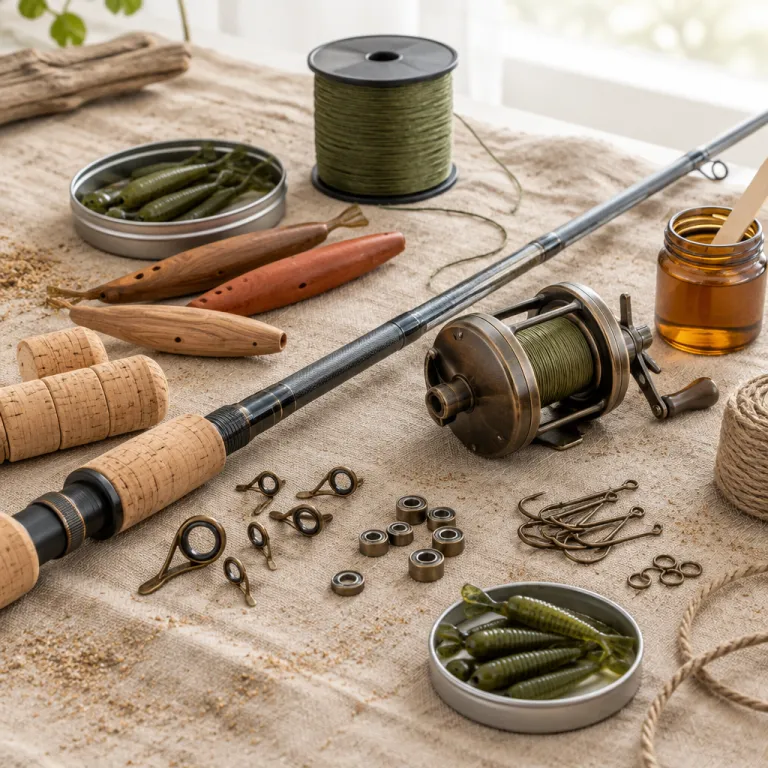

Understanding how to cast a rod and reel for baitcasting control
Learning how to cast a rod and reel with confidence starts by understanding how each part of the fishing setup works together. When recreational anglers see the rod, the reel, the line, and the lure as one balanced casting system, their accuracy improves quickly and their time on the water becomes far more deliberate. A well matched baitcasting reel and medium heavy rod will give you the control needed to place a lure beside cover without constant backlashes or wasted long casts.
Think of the reel as the engine that drives every cast while the rod acts as the spring that stores and releases energy during the casting stroke. The spool inside a baitcasting reel rotates to let line peel away, and the way that reel spool accelerates or slows will decide whether you achieve smooth, long casts or end up with a tangled reel. When anglers pair a quality reel baitcasting model with a rod rated for the lure weight they actually throw, they gain smoother casting, better lure control, and more consistent presentations to pressured fish such as bass.
Grip matters as much as gear, because how you hold the rod and reel will shape the path of the cast and the accuracy of the lure. Most right handed anglers place the reel in the palm of the right hand, then shift the rod to the left hand after the lure lands so they can turn the handle and engage the gear instantly. If you prefer to cast with your left hand on the rod from the start, choose a left hand retrieve baitcasting reel so you never need to switch hands while a bass charges the lure and you need to turn handle pressure into a solid hookset.
Setting up the reel and spool for controlled baitcasting
Before worrying about how to cast a rod and reel farther, you must tune the reel and spool so they match your lure weight and line type. Modern baitcasting reels use a combination of spool tension knobs and braking systems to slow the reel spool just enough to prevent overruns without killing distance. When anglers skip this step and simply start casting, the spool often spins faster than the line can leave the rod guides, which creates the classic bird’s nest that ruins precious fishing time.
Begin with the rod rigged with your usual lure, then tighten the spool tension knob until the lure does not drop when you hold the rod horizontally. Now back off the tension slowly until the lure starts to fall smoothly, and watch how the reel spool stops when the lure touches the ground, because this simple test shows whether the braking and tension are balanced. For new baitcasting anglers, setting the magnetic or centrifugal brakes near the top of their range will sacrifice a little distance but dramatically reduce backlashes while you refine your casting stroke and thumb control.
Line choice also affects how the reel and handle feel during the cast and retrieve, especially when you chase bass around weed beds or timber. Thicker monofilament grips the spool more and can help beginners, while thin braid slips off the reel spool faster and rewards experienced anglers with long casts and quick hooksets. When you plan to fish shallow cover during the late summer to early autumn transition, pairing a tuned baitcasting reel with abrasion resistant line lets you work crankbaits along edges described in this detailed guide on reading the three week bass transition.
Hand position, handle control, and the basic overhead cast
Once the reel and rod are balanced, your hand position becomes the next critical piece in how to cast a rod and reel accurately. Place the reel foot between your ring finger and little finger on the casting hand, then wrap the rest of the hand firmly around the reel handle side plate for a secure but relaxed grip. This position lets anglers control the rod tip, feather the spool with the thumb, and instantly turn the handle when a fish strikes on the fall.
For a standard overhead cast, start with the lure hanging about 30 to 40 centimeters below the rod tip and point the rod slightly above the horizon. Press the thumb bar on the baitcasting reel, then rest your thumb lightly on the reel spool so it cannot spin freely until you start the casting motion, because this thumb pressure is your primary brake. Sweep the rod back smoothly, pause for a fraction of a second, then accelerate forward and release thumb pressure as the rod passes your eye line, allowing the lure to pull line while the spool spins under gentle control.
Right after the lure leaves the rod tip, keep the thumb close to the spinning spool so you can slow it if the lure starts to decelerate in the air. Just before the lure touches the water, press the thumb down firmly on the reel spool to stop rotation and prevent loops of line from over running the cast. When the lure lands, shift the rod to the left hand if you use a right hand retrieve reel, then turn the handle once to engage the gear and be ready for a bass that hits immediately, especially during the prespawn period described in this tactical piece on the bass prespawn playbook.
Sidearm casting, long casts, and managing wind with baitcasting reels
After mastering the overhead motion, anglers should learn a low sidearm cast to keep lures under the wind and reach tight targets. With this technique, the rod travels parallel to the water, and the reel stays level so the spool can spin freely while your thumb manages speed and direction. Sidearm casting helps you send a lure beneath overhanging branches where pressured bass hide, and it also reduces the effect of crosswinds that often ruin a high arcing cast.
To execute a controlled sidearm cast, start with the rod tip pointed slightly down and the lure hanging about 20 centimeters from the tip. Press the thumb bar, then swing the rod in a smooth, flat arc while easing thumb pressure on the reel spool as the lure accelerates, because any sudden jerk will cause the spool to surge and overrun. When you want long casts across open water, lengthen the casting stroke, load the rod deeper, and reduce braking slightly, but always keep the thumb close enough to the spinning spool to stop it the instant the lure slows.
Wind direction dictates how aggressively you can cast with a baitcasting reel without creating backlashes that waste fishing time. Casting with the wind at your back allows the lure to pull line faster than the spool wants to spin, which makes it easier to achieve long casts with minimal thumb pressure and light braking. Throwing directly into the wind demands more thumb control, higher brake settings, and a slightly heavier lure, because the air resistance will slow the lure while the reel spool still tries to turn at the original speed.
Transitioning between baitcasting and spinning gear for different fish
Many recreational anglers split their time between baitcasting gear and spinning gear, so understanding how to cast a rod and reel in both formats is essential. A spinning reel hangs beneath the rod, and the fixed spool design lets line peel off in loops, which makes it forgiving for light lures and windy conditions. Baitcasting reels sit on top of the rod and rely on a rotating spool, which offers more direct control and power when you target larger fish such as bass around heavy cover.
When you pick up a spinning rod, the casting motion changes because the line leaves the top of the spool rather than the side of a rotating reel spool. Open the bail with the index finger of the casting hand holding the line against the rod, then swing the rod forward and release the line at the right moment to send the lure toward the target, while the fixed spool allows smooth line flow. With baitcasting gear, your thumb replaces the index finger as the primary control point, and you must learn to feel the spool speed through the handle and frame so you can react instantly when the lure slows.
Switching between these systems during a single fishing session lets you adapt to changing conditions and fish behavior. You might start the morning with spinning gear and small top water lures for schooling fish, then move to baitcasting tackle and heavier jigs once the sun climbs and bass bury themselves in structure. When rivers run low and clear during hot spells, a well tuned spinning outfit excels for subtle presentations, and you can refine those tactics further by studying advanced low water strategies in this article on trout in the heat and low water tactics.
Training drills, youtube learning, and troubleshooting common casting problems
Consistent practice separates casual casting from the precise control that experienced anglers rely on when every fish matters. Set up simple training drills in a park or garden, using buckets or flat targets at different ranges so you can test how the rod, reel, and spool respond to changes in power and trajectory. These controlled sessions will help you refine thumb pressure, handle speed, and rod loading without the distraction of moving water or feeding fish.
One effective drill involves placing three targets at 10, 20, and 30 meters, then making five casts to each with both overhead and sidearm techniques. Focus on how the reel spool accelerates at the start of the cast, how the rod tip tracks toward the target, and how quickly you can stop the spool with your thumb just before the lure lands, because these details shape accuracy and prevent tangles. Alternate between a baitcasting reel and a spinning reel during the same session so you feel the difference in how the handle turns, how the gear engages, and how each system responds when a bass or other fish surges away from cover.
When problems arise, such as persistent backlashes or short casts, break the process into small parts instead of blaming the equipment. Check that the reel spool is not overfilled, that the brakes are set near the top of their range for practice, and that your casting hand maintains a relaxed but firm hold on the rod. If you prefer visual learning, curated youtube channels that focus on baitcasting technique can help you see slow motion examples of thumb control, handle position, and body mechanics, but always test those lessons on the water and adapt them to your own fishing style.
Key statistics about rod and reel casting performance
- Recreational surveys from the American Sportfishing Association report that more than 60 percent of freshwater anglers use both spinning and baitcasting gear, which highlights the value of learning how to cast a rod and reel effectively in both formats.1
- Laboratory tests by several major reel manufacturers show that properly tuned baitcasting reels can increase casting distance by 10 to 20 percent compared with poorly adjusted reels, mainly through optimized spool tension and braking.2
- Field evaluations of braided line versus monofilament on baitcasting reels indicate that switching to thin braid can extend long casts by roughly 15 percent, although this gain depends heavily on rod action and lure aerodynamics.3
- Angler education programs run by regional fishing clubs consistently find that structured casting practice for just 30 minutes per week can reduce backlash frequency by more than half within a single season.4
1 Based on participation summaries published by the American Sportfishing Association. 2 Aggregated from public casting demos and technical notes released by leading reel brands. 3 Drawn from comparative line tests reported in multi‑season bass tackle reviews. 4 Reported outcomes from club level casting clinics and beginner workshops.
FAQ about casting a rod and reel for baitcasting
How tight should spool tension be on a baitcasting reel
Set spool tension so that your lure drops slowly when you disengage the reel and stops without causing the reel spool to overrun when it touches the ground. This setting provides a balance between distance and control for most anglers. You can then fine tune tension slightly tighter for windy conditions or slightly looser when you want maximum distance with heavier lures.
Why does my baitcasting reel backlash at the end of the cast
Backlashes at the end of the cast usually happen because the lure slows down in the air while the reel spool keeps spinning at the original speed. Increasing brake settings, adding a little more thumb pressure just before the lure lands, and avoiding casts directly into strong headwinds will reduce this problem. Also check that the reel spool is not overfilled, because too much line makes it easier for loose coils to form.
Should beginners start with spinning gear or baitcasting gear
Most beginners find spinning gear easier because the fixed spool design is more forgiving and does not require constant thumb control. Once basic casting accuracy is comfortable, moving to baitcasting gear offers better control with heavier lures and stronger fish such as bass around cover. Many recreational anglers eventually carry both systems so they can match the rod and reel to specific techniques and conditions.
How long should the lure hang from the rod tip before casting
For a standard overhead cast with baitcasting gear, a lure length of about 30 to 40 centimeters below the rod tip works well. This distance helps load the rod properly and gives the lure enough momentum to pull line smoothly from the reel spool. Sidearm casts often use a slightly shorter drop, around 20 centimeters, to keep the trajectory low and controlled.
Is a left hand retrieve better for right handed anglers
Many right handed anglers prefer a left hand retrieve baitcasting reel because it lets them cast with the right hand and start reeling immediately without switching hands. This setup can be especially helpful when fish strike as soon as the lure hits the water. Ultimately the best choice is the retrieve side that feels natural and allows you to hold the rod securely while turning the handle under pressure.