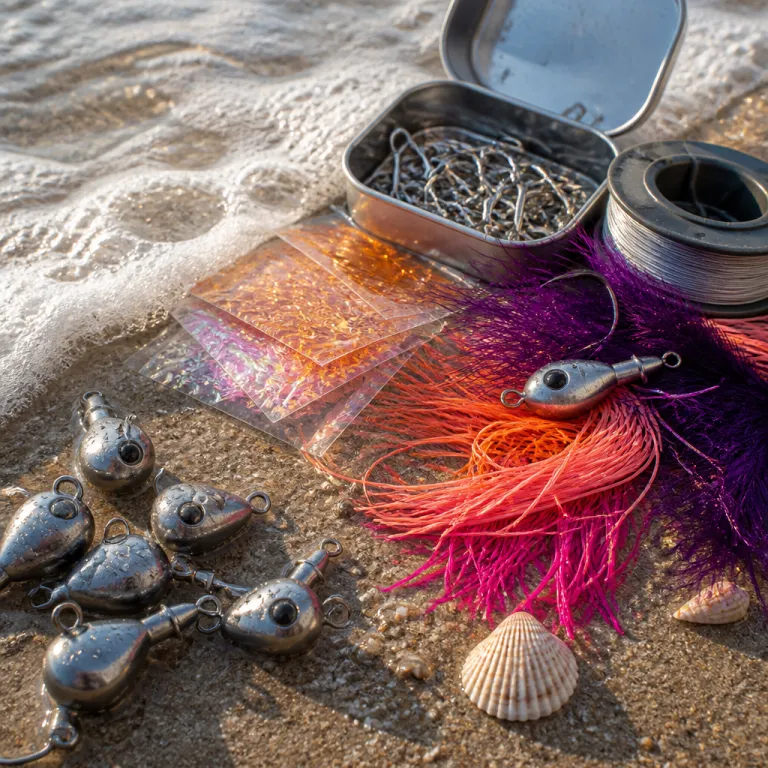
Why refined pompano jigs matter for serious surf anglers
Pompano fishing from the beach rewards anglers who pay attention to detail. When you choose well designed pompano jigs, every element from the hook to the teaser influences how many fish slide into your cooler. A carefully balanced surf jig with the right weight and profile will track naturally in the waves and stay in the strike zone longer.
Experienced surf fishing specialists treat each pompano lure as a precision tool rather than a simple piece of metal. The best jig designs pair compact heads with slim bodies, allowing the lure to cut through waves yet flutter enticingly when you pause the retrieve. That combination helps your metal jigs imitate sand fleas, mole crabs and small baitfish that pompano chase in shallow troughs.
Colour choice matters as much as shape when you work pompano jigs along a sandbar. Many anglers rely on white finishes because a white jig stands out in stained water while still looking natural in clear surf. Adding a small teaser fly or feather teaser above the main lure creates a two lure rig that mimics a fleeing school of tiny prey.
Modern goofy style pompano jigs use offset heads that wobble and kick during the retrieve. A single goofy jig can cover a wide stretch of beach, but carrying several weights lets you adapt quickly to changing current and depth. When pompano move farther out, heavier metal lures keep you in contact with the bottom instead of washing uselessly in the foam.
Anglers comparing price between brands should look beyond the number on the tag. A slightly higher price for a durable pompano jig with premium hooks often saves money over a season because the lure survives more fish and fewer rocks. Check whether the jig includes corrosion resistant hooks and a secure wire keeper, because weak hardware will cost you the best pompano of the tide.
Retailers now present each pompano jig with a detailed image gallery so you can inspect finishes before you buy. Study every image to confirm that the hook eye is clean, the paint around the hook is smooth and the teaser is tied firmly. When you select options for weight and colour, remember that multiple variants of the same lure cover different beaches, currents and wind directions.
Matching pompano jigs to natural forage in the surf
Successful pompano fishing starts with understanding what these fish actually eat. Along many coasts, pompano root in the sand for sand fleas, also called mole crabs or jigger fleas, and they also chase tiny glass minnows and shrimp in the first few metres of surf. Your pompano jigs should mirror those prey items in size, profile and movement rather than relying only on bright paint.
When you rig a pompano jig with a small teaser fly above it, you create a compact two lure system that imitates two fleeing morsels. The lower lure represents a larger sand flea or baitfish, while the upper teaser suggests a smaller, weaker target that often draws the first strike. This approach turns a single cast into a realistic micro school of prey that triggers competitive feeding behaviour.
Colour patterns on pompano jigs deserve careful thought instead of random choices. A plain white jig remains a classic because white lures resemble the pale underside of sand fleas and the flash of small baitfish in bright sun. Many anglers carry a pack of white and chartreuse goofy style surf jigs so they can adjust quickly when clouds roll in or water clarity changes.
Weight selection for each pompano jig depends on surf height, current speed and depth. Light jigs around 14 grams excel in calm conditions where you want a slow, fluttering fall that keeps the lure near the surface. Heavier options in the 21 to 28 gram range reach deeper troughs and hold bottom when wind and swell increase.
Soft plastics can complement your hard metal pompano jigs when fish become selective. Many anglers pair a small soft shrimp or sand flea imitation with a metal jig to add scent and extra movement, and resources such as this guide to essential soft plastics for every tackle box explain how to rig them effectively. When you slide a soft plastic onto the hook of a pompano jig, ensure the body stays straight so the lure tracks cleanly and does not spin in the current.
Retailers often list variant options for each pompano jig family, grouping several models by weight, colour and hook size. When you review the product table, think about the beaches you fish most and which combination will match local forage. A thoughtful mix of different weights and colours in your pack ensures that at least one lure will match the mood of the fish on any given tide.
Evaluating build quality, hooks and hardware on pompano jigs
Build quality on pompano jigs directly affects how many fish you land before a lure fails. Cheap products often cut corners on hooks, split rings and paint, which leads to bent hooks, chipped finishes and lost fish. Serious surf anglers inspect every pompano jig closely before trusting it on a prime tide.
The hook is the most critical component on any fishing jig because it is the only part that actually touches the fish. Look for strong, chemically sharpened hooks with a slightly turned in point, which helps hold pompano securely during sudden runs in the surf. If a pompano jig uses thin wire hooks that flex easily between your fingers, replace them or choose a different product before you lose a trophy fish.
Many premium pompano jigs use tinned or stainless hooks to resist corrosion in saltwater. Laboratory corrosion tests published by major hook manufacturers show that these finishes can significantly extend functional hook life compared with untreated carbon steel. A bright white or silver finish on the hook can also add flash, complementing the white body of the lure in clear water.
Hardware such as split rings and swivels on pompano jigs should match the strength of the hooks. If the split ring on a goofy jig opens under moderate pressure, the lure will fail long before the hook straightens. Some anglers prefer to remove factory swivels and attach the jig directly to a fluorocarbon leader, which improves sensitivity and reduces line twist.
Paint and finish on goofy style pompano jigs influence both durability and attraction. A smooth, even coat without bubbles or drips indicates better quality control and usually a higher but justified price. When you examine an online image of a chosen lure, zoom in on the nose and tail of the jig where impacts and abrasion occur most frequently.
Comprehensive lure kits can be useful when you are building a surf fishing arsenal from scratch. Mixed assortments such as a broad metal and hard bait fishing lures kit provide a reference for how different hooks, rings and finishes hold up over time. Comparing those spoons and plugs to your pompano jigs helps you judge which designs justify their price and which product lines cut corners you should avoid.
Choosing weights, packs and variants for different beaches
Every beach presents a different set of challenges for pompano fishing. Sandbar layout, wave height and current speed all influence which pompano jigs perform best on a given day. Building a thoughtful selection of weights and colours lets you adapt quickly instead of forcing one jig to work everywhere.
On gently sloping beaches with small waves, lighter pompano jigs in the 10 to 14 gram range shine. These lures flutter slowly through the water column, giving fish more time to react as they track along the inner trough. A white jig with a subtle teaser above it often excels in these calmer conditions because the presentation looks delicate rather than aggressive.
Steeper beaches with heavy surf demand heavier jig options to maintain bottom contact. In these situations, 21 to 35 gram pompano jigs cut through breaking waves and reach the feeding zone quickly, even when wind pushes against your cast. A compact goofy jig with a streamlined body reduces drag, allowing you to feel every bump of sand and every tentative tap from a fish.
Retailers usually offer several variants of each pompano jig model, organised by weight, colour and sometimes hook size. When you select options on a product page, think in terms of a system rather than isolated lures, choosing a pack that covers light, medium and heavy surf scenarios. The mix should include at least one white lure, one bright pattern for stained water and one natural baitfish tone for clear days.
Some brands sell curated packs of pompano jigs that target specific regions or seasons. A Gulf Coast pack might emphasise smaller jigs and sand flea colours, while an Atlantic pack could include more mole crab imitations and slightly heavier heads. Reading the description of each model carefully helps you understand how the manufacturer’s strategy aligns with your local conditions.
When comparing price between single jigs and multi lure packs, calculate the cost per unit rather than focusing only on the total. A higher upfront price for a well balanced pack of pompano jigs with quality hooks often represents better value than buying cheap singles that fail quickly. If a retailer offers free shipping above a certain order value, consolidating your purchase of several variants can reduce overall cost while expanding your tactical options.
Practical rigging, retrieves and tackle for pompano jigs
Rigging pompano jigs correctly maximises their action and your hook up rate. Most surf anglers tie the jig directly to a fluorocarbon leader using a loop knot, which allows the lure to swing freely. A small teaser or feather fly tied 30 centimetres above the main lure adds a second target without tangling excessively.
Retrieve speed and rhythm should match the mood of the fish and the energy of the surf. On calm days, a slow lift and drop retrieve keeps pompano jigs near the bottom where fish root for sand fleas and jigger fleas, while occasional pauses let the lure flutter like a wounded baitfish. When waves build and current strengthens, a slightly faster, steady retrieve helps the jig maintain a natural track without tumbling.
Goofy jigs excel when you want a darting, side to side action that triggers reaction strikes. Cast the jig at a slight angle to the beach, let it hit bottom, then work it back with short, sharp lifts of the rod tip. Each lift makes the goofy style lure jump and glide, imitating a startled sand flea trying to escape the wash.
Rod and reel choice matters as much as the pompano jig itself. A 2,7 to 3 metre medium light surf rod paired with a smooth spinning reel in the 2500 to 3000 size range offers enough casting distance without sacrificing sensitivity, and detailed reviews such as this test of a modern 2500 size spinning reel help you judge suitable tackle. Spooling with 10 to 15 pound braided line and a fluorocarbon leader gives you the feel to detect subtle bites from finicky fish.
When you fish pompano jigs around structure such as piers or rock groynes, upgrade to slightly heavier hooks and leaders. Stronger hooks resist bending when a fish surges toward a piling, and a tougher leader shrugs off abrasion from barnacles. In open sand surf fishing, you can return to lighter hooks and thinner leaders to maximise casting distance and lure action.
Always inspect your pompano jigs after each session for damage. Look for bent hooks, chipped paint near the nose and frayed teaser materials that could reduce attraction, then retire or repair any lure that shows serious wear. Careful maintenance of each jig in your pack ensures that every cast presents a reliable, sharp and convincing lure to the next school of pompano.
Buying pompano jigs online : images, options and shipping value
Online tackle shops have transformed how surf anglers buy pompano jigs. Instead of relying on a limited local selection, you can compare dozens of brands, weights and colours from your phone. The key is learning how to read each product page critically so the options you choose truly match your needs.
High quality image galleries are your first line of evaluation when you cannot handle the lure in person. Zoom in on every image to inspect the finish, hook alignment and teaser attachment, paying special attention to the nose and hook eye where flaws often appear. If the photos hide critical angles or the white paint looks uneven, treat that product with caution regardless of its attractive price.
Most serious retailers organise pompano jigs with clear variant menus that show weight, colour and sometimes hook size. Use the selection tools to build a balanced pack rather than clicking randomly, ensuring that your mix covers calm, moderate and heavy surf conditions. When several options exist within a single family of jigs, staying within that family simplifies your learning curve because each lure behaves predictably.
Shipping policies can significantly change the real cost of your pompano jig order. A slightly higher base price from a retailer offering free shipping above a modest threshold may beat a cheaper lure that carries high postage fees. Always calculate the total landed cost for the items in your cart before finalising the purchase.
Customer reviews often reveal how pompano jigs perform after repeated fishing trips. Look for comments about hook sharpness, paint durability and how well the jigs imitate sand fleas or jigger fleas in real surf, rather than focusing only on generic praise. When several experienced anglers mention that a particular goofy jig consistently produces fish, that feedback carries more weight than a polished marketing description.
Finally, pay attention to return policies and after sales support on pompano jigs. Reputable shops stand behind each lure and will replace defective hooks or poorly tied teaser rigs without argument, which builds long term trust. Over time, working with such retailers simplifies your buying decisions because you know that every new pompano jig arriving by shipping will meet a consistent standard of quality.
Advanced tactics : combining pompano jigs with natural baits and teasers
Once you master the basics, advanced tactics with pompano jigs can dramatically increase your catch rate. One proven method pairs a small natural bait with the jig, blending scent with flash and vibration. This hybrid approach appeals to pressured fish that ignore plain metal lures in clear, calm surf.
To rig bait with a pompano jig, thread a small sand flea or shrimp piece onto the hook without masking the point. The jig provides casting weight and action, while the bait adds a scent trail that pompano follow through the wash, especially when they feed heavily on mole crabs. Keep the bait piece small so it does not spin or deaden the movement of the lure.
Teaser rigs offer another advanced option for targeting scattered fish along a wide beach. By tying a small teaser or feather fly above your main pompano jig, you present two distinct targets at different depths in the surf. This configuration often draws double hook ups when a school of fish moves through your lane.
Colour coordination between the main jig and the teaser can subtly influence results. Many anglers run a white pompano jig on the bottom with a brighter teaser above it, creating a natural primary target and a more visible secondary flash, which helps fish locate the rig in turbid water. Experimenting with different lure and teaser combinations over several sessions will reveal which pairings your local pompano prefer.
On crowded beaches, advanced anglers sometimes downsize both jig and leader to tempt wary fish. A smaller goofy jig with a fine wire hook and light fluorocarbon leader looks less threatening, especially when worked with gentle lifts rather than aggressive snaps. This finesse approach can turn a slow day into a steady pick of quality fish when others struggle.
When you refine these advanced techniques, keep detailed notes about tide stage, water clarity and which pompano jigs produced best. Recording which weights, colours and teaser styles worked in specific conditions helps you build a personalised playbook for future trips. Over time, that disciplined approach turns a simple collection of lures into a finely tuned system for consistent pompano success.
Key figures and data on pompano fishing and lure performance
- Recreational anglers in the United States take tens of millions of saltwater fishing trips annually, and surf fishing for species such as pompano represents a meaningful share of those outings according to summaries from the National Oceanic and Atmospheric Administration (NOAA Fisheries).
- Field comparisons by coastal fishing clubs and regional magazines often report that metal jigs and spoons can match or exceed the hook up rates of natural baits when fish are actively feeding, highlighting the value of well designed pompano jigs in fast moving surf.
- Regional catch logs from experienced surf anglers show that catch rates for pompano frequently peak in mild water temperatures, typically in the mid teens to low twenties Celsius, which helps anglers decide when to prioritise pompano jigs over other fishing lures during seasonal migrations.
- Consumer surveys in the recreational fishing tackle market indicate that many anglers now purchase at least some of their lures online, making clear product images, transparent price structures and reliable free shipping thresholds increasingly important for pompano jig manufacturers.
- Laboratory corrosion tests on saltwater hooks, published by several hook manufacturers, show that tinned or stainless finishes can significantly extend functional hook life compared with untreated carbon steel, which justifies the slightly higher price of premium hooks on quality pompano jigs.
FAQ : practical questions about pompano jigs
What weight pompano jig should I use in typical beach surf ?
On most open beaches with moderate waves, a 14 to 21 gram pompano jig offers the best balance between casting distance and bottom contact. Start with the lighter weight in calmer conditions, then move to heavier jigs as wind and swell increase. If you cannot feel the lure ticking bottom occasionally, step up one weight class until you regain contact.
Are goofy style pompano jigs better than straight jigs ?
Goofy style pompano jigs excel when you want a darting, side to side action that triggers reaction strikes from active fish. Straight profile jigs track more evenly and often work better in strong current or when pompano prefer a subtle presentation. Many experienced anglers carry both goofy jigs and straight jigs so they can match lure action to fish behaviour on any given tide.
Which colours of pompano jigs catch fish most consistently ?
White remains the most reliable colour for pompano jigs because it imitates the pale underside of sand fleas and small baitfish in a wide range of water clarities. In stained or rough surf, adding chartreuse or pink accents can increase visibility without looking unnatural. A small pack containing white, white and chartreuse, and a natural baitfish pattern will cover most realistic conditions.
How should I rig a teaser above my pompano jig ?
To rig a teaser, tie a dropper loop or short side branch about 30 to 40 centimetres above your main pompano jig, then attach a small feather or fly style teaser on a lighter hook. Keep the teaser smaller than the main lure so fish focus on the jig near the bottom while still reacting to the extra flash. This simple arrangement often increases hook up rates when pompano spread out along a wide sandbar.
Can I use the same pompano jigs from the beach and from a pier ?
You can use the same basic pompano jigs from both the beach and a pier, but you may need heavier weights around pier pilings to reach bottom quickly. From higher platforms, 21 to 35 gram jigs help maintain a natural angle of entry and reduce bow in the line. Always check that your hooks and leaders are strong enough to handle abrasion from structure when fishing around concrete or barnacle covered pilings.