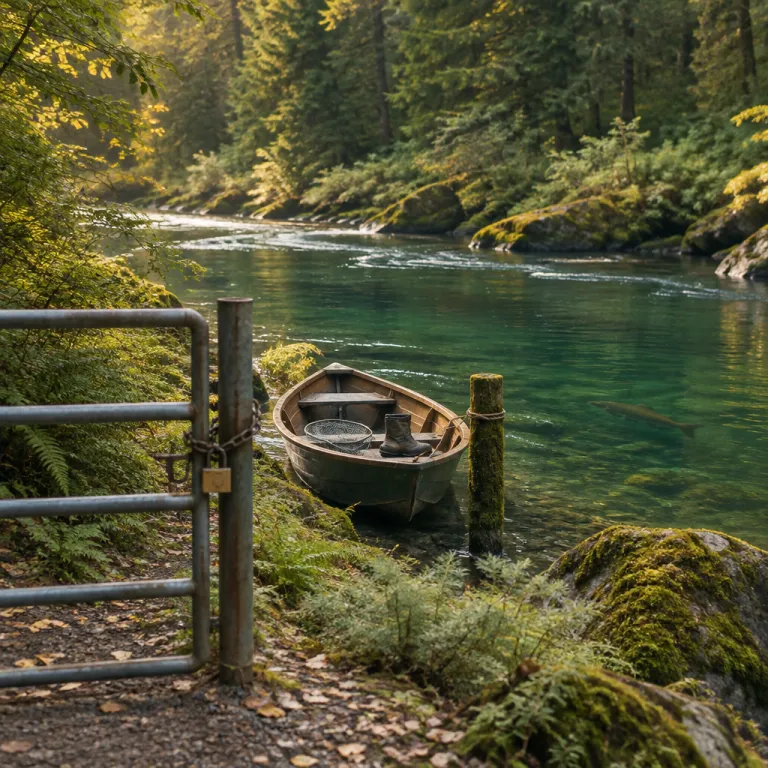
How a quota snapped the lower Klamath shut mid season
The headline story behind the klamath river salmon closure 2026 is simple but brutal for weekend anglers. Managers set a harvest limit for adult Chinook salmon in the lower Klamath River, and when projections showed sport anglers would hit that cap, the river segment from the Highway 96 bridge down to the Pacific mouth was closed to keeping adult fish at 11:59 p.m. on September 14, 2026. That is what a quota triggered in season closure means for your fishing plans, because the calendar season is just a shell wrapped around a hard harvest number.
On this stretch of the Klamath, the recreational allocation for adult Chinook salmon is divided into sub areas, and the lower reach below the Highway 96 and Highway 101 corridor gets its own slice of the pie that can fill fast when the run finally shows. According to the California Department of Fish and Wildlife’s in-season notice for 2026, the basin-wide sport allocation for adult fall-run Chinook was 1,100 fish, with 330 adults (30 percent) assigned to the lower river quota and 165 adults (15 percent) reserved for the spit fishery near the sandbar downstream of the Highway 101 highway bridge. The spit at the river mouth had that tighter share, and that spit fishery was shut earlier in September once its sub allocation was met, even while other reaches stayed open to limit fish in line with broader fishing regulations. For anglers who drove all night to cast from that sand spit, the lesson is harsh but clear, because the fine print in the regulations matters more than the dates printed on last spring’s brochure.
Quota math is not abstract when you are holding a rod and watching wardens check tags in the surf line. Every adult fish you retain in a daily bag count pushes the basin closer to the point where managers must protect the remaining adult spawners, and that is why the klamath river salmon closure 2026 hit once the Lower Klamath recreational quota was projected to be met. In its September 13, 2026 update, CDFW warned that creel surveys showed 80 to 90 percent of the lower river allocation already harvested and that the remaining adults were needed on the spawning grounds. The closure only applied to adult retention, so jack Chinook under 23 inches remained legal to keep as part of your daily bag limit while adult Chinook harvest continued above Weitchpec and on the Trinity, which shows how fine grained these regulations can be when agencies try to balance access and conservation.
For a weekend angler planning a fall trip, that means you now fish under a harvest cap, not just a season printed from a website in August. You might circle dates from late August through early September on your calendar, but the real decision point is the quota line that managers watch daily using creel surveys and run forecasts. As CDFW fisheries supervisor Maria Lopez put it in the closure bulletin, “Once the lower river quota is met, we are obligated to close adult harvest to ensure enough Chinook reach the spawning tributaries.” When that line is crossed, the area is closed to adult retention, and your carefully planned sport fishing weekend becomes a catch and release exercise unless you pivot to jacks or another open reach.
This is not unique to the Klamath, because similar quota based closures shape sport fishing for Pacific halibut off the Oregon coast and for mixed stock coho in other West Coast systems. The klamath river salmon closure 2026 just made the mechanics visible, with a lower river that finally reopened to keeping limit salmon after several lean years and then shut in weeks once anglers did their job too well. One local angler summed it up at the Highway 96 pullout: “We waited years to keep a couple of adults again, and the season was basically over by the time my vacation started.” If you want to keep fishing without getting burned, you need to treat the department fish bulletins from the California Department of Fish and Wildlife as essential gear, right alongside your waders and your tackle bag.
Why the spit filled first and what “adult” really means for your bag
The spit at the Klamath river mouth is a magnet because it concentrates fish and fishermen into a narrow band of sand and current. When the first real harvest season in years opened, that spit fishery quickly stacked up catches of adult Chinook salmon, and its 15 percent share of the basin’s recreational allocation was met long before upstream reaches hit their own limit fish thresholds. That is why the klamath river salmon closure 2026 story actually began on the spit, where the department fish managers closed angling within 100 yards of the channel through the sand spit downstream of the Highway 101 bridge once that sub quota was filled.
Think of the basin wide quota as a pie, then slice off 15 percent for the spit, another chunk for the lower river below the Highway 96 bridge, and more slices for upstream reaches and the Trinity, because each piece has its own bag limit rules. When the spit slice is gone, that area is closed to adult retention even if the rest of the pie still has room, and that is exactly what happened before the broader klamath river salmon closure 2026 for the lower reach. The practical takeaway is that high density access points like the spit or a popular smith river bar will always hit their quota first, so you should expect earlier closures where the most fish and the most anglers collide.
Adult versus jack status is not a semantic detail when wardens check your cooler at the bridge pullout. On the Klamath, an adult chinook is defined by length, and during this closure jacks under 23 inches remained legal to keep even while adult retention was shut off below Weitchpec, which meant your daily bag could still include smaller fish in the jack category. That split allowed some harvest to continue without hammering the core spawning stock, and it shows how fishing regulations use size based definitions to fine tune pressure on different life stages.
Coho are treated even more strictly, because wild retention coho is often prohibited in this basin and marked hatchery coho may have separate rules, so you must read the current regulations fall section carefully. If you are used to chasing Pacific halibut or coastal rockfish where species ID is obvious, the Klamath’s mix of chinook, coho, and steelhead demands sharper identification skills and a habit of checking the latest sport fishing booklet from Fish and Wildlife. A good primer on navigating access points and barriers, like the guidance in this waterway barriers guide for recreational fishermen, pairs well with a printed copy of the current fishing regulations folded into your tackle bag.
Do not ignore the small print around daily bag and possession limits, because that is where many otherwise careful anglers slip. Your daily bag limit for adult salmon might be two fish on paper, but if the lower klamath river is closed to adult retention and only jacks are legal, then your effective daily bag for adults is zero on that reach. The same logic applies when you cross from one management zone to another near a highway bridge or county line, so treat each reach as its own rulebook and reset your expectations every time you drive past a new bridge sign.
Planning your fall salmon trips around moving closure lines
If you fish weekends and work full time, the klamath river salmon closure 2026 is a wake up call about how you plan trips. You cannot just book a cabin in late august september, circle a week on the calendar, and assume the lower river will still be open for adult salmon by the time you arrive with your cooler and your mid range rod. You need a pre trip checklist that treats the California Department of Fish and Wildlife website like a tide chart, with closure notices and quota updates checked the morning you leave, not just once in early august.
Start by mapping which reaches are open to adult retention and which are closed, then decide whether you will target adult chinook, jacks, or another species entirely. When the lower klamath river shut to adult harvest, anglers still had options above Weitchpec and on the Trinity, and some shifted to steelhead or coastal Pacific halibut trips rather than crowd the last open salmon stretch to the point of gridlock. A smart move is to keep a backup plan for nearby waters like the smith river, where different quotas and fishing regulations might leave you a legal path to a reasonable daily bag without adding pressure to a fragile run.
Ethically, the goal is not to chase the last open reach until it feels like a parking lot with rods. When a closure like the klamath river salmon closure 2026 hits your primary zone, consider shifting to catch and release, exploring less pressured tributaries, or even focusing on another fishery such as black bass or coastal bottom fish, because conservation is a long game measured in future seasons. If you do join the crowd on the remaining open water, this piece on finding fish when everyone else got there first offers practical tactics for fishing respectfully around other boats while still putting a few legal fish in your bag.
Gear choices matter too, because a run that just reopened after years of full closure deserves clean releases when you are outside your daily bag limit or fishing in a closed adult zone. Pinch barbs, run heavier leaders to shorten fight times, and use rubber nets so released adult chinook and incidental coho have a better shot at reaching the spawning grounds that justify future quotas, and remember that every limit salmon you keep is one more data point in the managers’ models. If you are used to chasing species with generous limits, like the black sea bass fishery discussed in this analysis of a bag increase for summer trips, you will need to recalibrate your expectations on a rebuilding system where the daily bag and seasonal quotas are deliberately tight.
Looking ahead to late september and december, expect more seasons to behave like the klamath river salmon closure 2026, with fast openings and sudden closures driven by real time data from creel surveys and run counts. That is not a sign of mismanagement, it is what adaptive management looks like when agencies such as Fish and Wildlife try to rebuild runs while still offering some access to sport fishing. For the angler who packs the car at 5 a.m., the winning move is to read the fine print, respect the closures, and judge a season not by the spec sheet, but by the tenth cast in the rain.