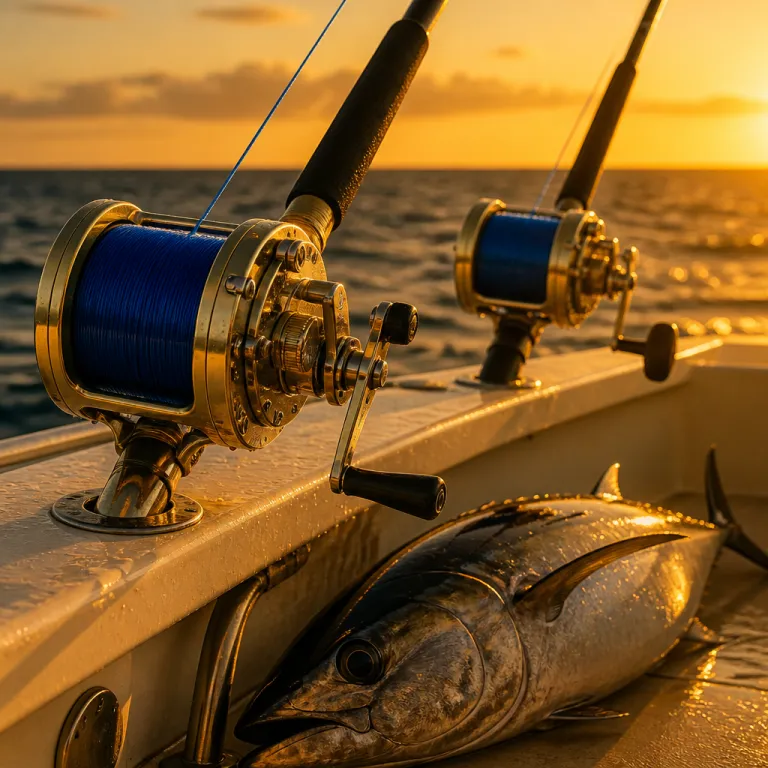

Why Shimano Tekota reels stand out for serious recreational fishing
Shimano Tekota reels occupy a special place for anglers who troll or cast hard every weekend. These conventional trolling reels, engineered by Shimano for demanding use, combine robust cranking power with refined control, giving recreational fishermen confidence when a heavy fish surges deep. A well chosen Tekota turns long, tiring fishing days into smooth, repeatable routines.
At the heart of every Tekota is a precise drag system that stays consistent under heat. The max drag rating on each model is not just a marketing figure, because Shimano tests these star drag reels under sustained pressure to ensure they hold steady when a salmon or cod runs hard. When you pair that reliable drag with carefully selected stainless steel ball bearings, you get a reel that feels smooth in the hand yet refuses to flex under load.
Many anglers compare Tekota reels with the well known Shimano Curado low profile casting range. The Tekota series is purpose built for trolling and heavier casting, while a Curado baitcaster excels for bass style techniques and lighter lures. Understanding how each family fits into Shimano’s line up helps you choose the right tool instead of forcing one reel to cover every fishing scenario.
Capacity matters when you fish deep or far from the boat, and Tekota models offer generous mono capacity ratings in every size. Whether you spool with 10 lbs mono for lake trout or 30 lbs braid backing for offshore work, the spool design keeps line lay even and controlled. That balanced capacity and power combination means you can fish lighter when needed yet still have reserves for unexpected big fish.
Shimano uses durable materials in every Tekota it manufactures, from corrosion resistant frames to hardened brass gears. The available gear ratio options allow you to match retrieve speed to your preferred fishing style, whether slow rolling baits or quickly clearing lines. This attention to detail explains why many recreational anglers gradually replace older trolling reels with multiple Tekota models over time.
Understanding Tekota HGLCA and HGA models for targeted techniques
Within the Tekota family, the Tekota HGLCA and Tekota HGA series address different fishing needs. The HGLCA models integrate a mechanical line counter, which helps you repeat productive depths precisely when trolling for walleye, salmon, or lake trout. In contrast, the HGA versions focus on compact strength without a counter, ideal for anglers who prefer counting passes or using electronics instead.
When you examine a Tekota HGLCA, you notice the counter placement is carefully balanced to keep the reel comfortable in hand. That line counter lets you send lures back to the exact same distance after every strike, which is crucial when fish hold at a narrow band in the water column. Many recreational fishermen find that once they use an HGLCA for controlled depth trolling, they struggle to return to reels without a counter.
The HGLCA range also offers both right and left handed options, so you can choose a handed orientation that matches your natural grip. A left handed Tekota HGLCA allows right handed anglers to crank with their dominant hand while controlling the rod with the left, which some find more precise when fighting fish. Shimano labels each HGLCA left or right model clearly, reducing confusion when ordering online or in a shop.
By comparison, the Tekota HGA series trims weight and bulk, which appeals to anglers who mix casting and trolling in the same outing. These compact HGA reels still feature strong drag systems and robust ball bearings, but they feel more agile when repeatedly dropping and retrieving rigs. If you often switch between vertical jigging and short line trolling, an HGA configuration can be a versatile choice.
Spinning reels remain popular for many recreational fishermen, yet a dedicated Tekota offers better control for heavy trolling applications. When you already own quality spinning gear, such as a well reviewed saltwater spinning reel tested on independent platforms, adding a Tekota HGLCA or HGA gives you a dedicated tool for controlled depth work. This combination of spinning reels for casting and Tekota models for trolling covers most recreational situations efficiently.
| Series | Key feature | Typical use | Handed options |
|---|---|---|---|
| Tekota HGLCA | Built in mechanical line counter | Precision trolling at repeatable depths | Right and left handed, including HGLCA left variants |
| Tekota HGA | Compact frame without counter | Mixed casting, jigging, and short line trolling | Right and left handed, model dependent |
Drag systems, star drag control, and real world fighting power
The drag system is the heart of any serious reel, and Tekota models are built around reliable star drag mechanisms. A star drag control allows you to adjust resistance quickly with your fingertips, even while a fish is running hard. On a crowded deck or in rough weather, that intuitive drag adjustment can prevent break offs and protect lighter leaders.
Shimano specifies max drag values in kilograms or pounds, and these figures matter when matching reels to target species. For example, a Tekota with around 7 kg of max drag offers enough stopping power for large lake trout or coastal pollack, while heavier models push higher for offshore species. When you combine that drag rating with appropriate line, such as 20 lbs or 30 lbs mono or braid, you create a balanced system that works with you instead of against you.
Many anglers underestimate how smoothly a drag should start, which is where Shimano’s use of quality drag washers and ball bearings becomes obvious. A sticky drag can cause sudden line breaks, but a Tekota drag design releases line in a controlled, even manner as pressure builds. This smoothness is especially important when fishing lighter line capacities for wary fish that demand finesse presentations.
Star drag systems on Tekota reels also allow fine tuning before the strike, which is useful when running multiple trolling outfits at once. You can set each reel in the spread to a slightly different drag level, matching lure size, line strength, and rod power. When a fish hits, the rod loads predictably, and the drag responds consistently across the entire spread.
While spinning reels with front drag systems remain popular for lure work, a Tekota star drag reel offers superior leverage on heavy trolling setups. If you already use a quality allround spinning reel, you will immediately feel the difference in cranking power. The Tekota’s drag and gear ratio combination simply moves heavy fish more efficiently when trolling or bottom fishing.
Line capacity, gear ratio, and matching Tekota models to your waters
Choosing the right Tekota starts with understanding line capacity and gear ratio in relation to your fishing grounds. Capacity describes how many metres of a given line diameter the spool holds, often expressed as mono capacity in both millimetres and lbs ratings. Gear ratio indicates how many times the spool turns per handle rotation, which directly affects retrieve speed and cranking torque.
For deep trolling on large reservoirs or coastal waters, you want a Tekota with generous mono capacity and possibly braid backing. A reel that holds several hundred metres of 0.35 mm mono or equivalent 15 lbs to 20 lbs line gives you room for long setbacks and deep dives with lead or divers. In contrast, anglers who mainly fish smaller lakes can choose a more compact configuration with moderate capacity, saving weight without sacrificing performance.
Gear ratio choices in the Tekota range typically balance speed and power, avoiding extremes that limit versatility. A mid range gear ratio provides enough speed to clear lines quickly when a fish hits one rod, yet still offers the power needed to winch heavy fish from depth. When you compare reels across the Tekota family, look for ratios that match your most common techniques rather than chasing the fastest numbers.
Left handed anglers or those who prefer cranking with a specific hand should pay close attention to handed designations. Shimano clearly marks each Tekota as right or left handed, and some HGLCA left models are specifically built for anglers who want the counter on a particular side. Taking time to choose the correct handed orientation prevents fatigue and awkward rod handling during long sessions.
While spinning reels and low profile baitcasters like the Shimano Curado remain excellent for casting lures, Tekota reels shine when consistent depth and capacity matter most. Many recreational fishermen carry both a compact low profile reel and a Tekota trolling setup, switching between them as conditions change. For those interested in refining their lure approach, resources such as a focused guide to three crankbaits that cover most summer bass situations pair well with a thoughtful reel selection strategy.
Comparing Tekota with spinning and low profile reels in real scenarios
On many boats, you will see Tekota reels sitting alongside spinning reels and low profile baitcasters, each serving a distinct role. A Tekota excels when you troll long lines, run divers, or fish heavy bottom rigs where capacity and drag stability are critical. Spinning reels, by contrast, handle lighter lures, finesse presentations, and shore casting where quick line management matters more than brute power.
Consider a typical day on a large European reservoir where you start by trolling deep diving crankbaits for zander at dawn. Tekota reels with line counters let you send each lure back to the same distance, while the star drag protects 12 lbs to 15 lbs fluorocarbon leaders from sudden surges. Later, when the sun rises and fish move shallower, you might switch to spinning reels for vertical jigging or casting soft plastics along structure.
Low profile reels such as the Shimano Curado offer another layer of versatility, especially for casting heavier lures with precision. A Curado provides a compact feel and fast gear ratio, which is ideal for working jerkbaits or swimbaits around cover. However, when you need extended line capacity and a robust drag for trolling, a Tekota or HGA model remains the more reliable choice.
Some anglers try to use a single reel for every technique, but this often leads to compromises in performance. By pairing one or two Tekota reels with a couple of quality spinning setups, you cover both trolling and casting without overcomplicating your gear. The cost per session drops over the long term because well maintained Tekota and spinning reels last many seasons under recreational use.
When evaluating options in a tackle shop, handle both Tekota and low profile models to feel the difference in balance and ergonomics. Pay attention to how the star drag, handle length, and overall weight of each reel align with your preferred rods and fishing styles. As one charter skipper put it after switching his trolling spread, “The Tekotas just keep grinding—season after season—while my lighter reels stay ready for casting duties.”
Practical buying tips, maintenance, and long term value of Tekota reels
Selecting the right Tekota begins with an honest assessment of your fishing frequency and target species. Anglers who troll only a few weekends each season may prioritise versatile mid size models, while those who fish weekly can justify multiple reels dedicated to specific techniques. Matching reel size, capacity, and max drag to your heaviest realistic catch ensures you are prepared without overspending on unnecessary power.
When comparing specific Tekota HGLCA and HGA models, examine the published mono capacity and gear ratio figures carefully. A configuration with higher capacity and slightly lower gear ratio will crank more comfortably under heavy load, which suits deep trolling or bottom fishing. Conversely, a lighter HGA with a faster ratio may feel better for mixed casting and trolling where quick retrieves are common.
Maintenance plays a major role in preserving the smooth feel of Tekota reels over many seasons. Rinse reels with fresh water after each saltwater trip, wipe them dry, and occasionally apply light oil to the handle knobs and external moving parts. Periodic professional servicing, including inspection of ball bearings and drag washers, keeps the internal mechanism performing like new.
Left handed anglers should verify that any HGLCA left or standard left handed Tekota truly matches their preferred cranking side. Some fishermen who grew up on spinning reels find it more natural to crank a baitcaster or trolling reel with the same hand they use for spinning, while others prefer the opposite. Taking time to test different handed options before purchase prevents long term discomfort and improves control during hard fights.
Over the lifespan of a reel, investing in quality like Tekota models often proves more economical than repeatedly replacing cheaper alternatives. The combination of durable frames, reliable star drag systems, and well protected ball bearings means these reels can handle years of recreational fishing with only routine care. For anglers who value consistent performance and fewer gear related failures on the water, Tekota reels represent a solid long term choice.
Key statistics and performance figures for Shimano Tekota reels
- Typical Tekota models offer mono capacity around 240 m of 0.35 mm line, which corresponds roughly to 260 yards of 12 lbs mono, giving recreational anglers enough reach for most trolling scenarios on large lakes and coastal waters. These figures can be verified against Shimano’s official specifications for individual sizes.
- Common gear ratio values in the Tekota range sit near 4.2:1 to 6.3:1, a span that balances cranking power with retrieve speed so anglers can both fight deep fish and quickly clear lines when multiple rods are deployed. Exact ratios vary by model and are listed on Shimano’s product pages.
- Max drag ratings on many Tekota reels fall between 7 kg and 11 kg, providing sufficient stopping power for species such as salmon, pike, zander, and moderate offshore fish when matched with appropriate rods and 15 lbs to 30 lbs line. Independent reel tests often confirm these drag figures under load.
- Most Tekota reels use multiple stainless steel ball bearings plus one roller bearing, a configuration that maintains smooth rotation under load while resisting corrosion in both freshwater and saltwater environments. Shimano publishes bearing counts and types for each model in the series.
- Field reports from charter captains and experienced recreational anglers often show Tekota reels remaining serviceable for well over a decade with regular maintenance, which spreads the purchase cost across hundreds of fishing days and supports their reputation for durability.
FAQ about Shimano Tekota reels for recreational fishermen
Which Shimano Tekota model should I choose for lake trolling ?
For general lake trolling with lures or small weights, a mid size Tekota with a line counter, such as a Tekota HGLCA model, usually offers the best balance of capacity and handling. Look for mono capacity around 200 m of 0.30 mm line and a moderate gear ratio, which suits species like trout, zander, and pike. If you mainly fish shallow waters, a slightly smaller HGA without a counter can also work well.
Are Shimano Tekota reels suitable for saltwater use ?
Tekota reels are built with corrosion resistant materials and sealed components, so they are suitable for moderate saltwater use when properly maintained. After each trip, rinse the reel with fresh water, dry it carefully, and apply light lubrication to exposed moving parts. Regular servicing of the drag and ball bearings will extend the reel’s life in harsh marine environments.
Should I buy a left handed or right handed Tekota reel ?
The choice between left handed and right handed Tekota reels depends on which hand you prefer for cranking. Anglers who grew up using spinning reels often feel comfortable cranking with their left hand, so a left handed Tekota or HGLCA left model may feel natural. If you are unsure, test both orientations in a shop and choose the one that feels most relaxed during simulated cranking.
How does a Tekota compare to a Shimano Curado for trolling ?
A Shimano Curado low profile reel is optimised for casting lures with precision and speed, while a Tekota is designed primarily for trolling and heavy duty applications. Tekota reels typically offer greater line capacity, stronger star drag systems, and more robust frames, which are better suited to pulling deep diving lures or heavy weights. For anglers who both cast and troll, using a Curado for casting and a Tekota for trolling provides the most efficient setup.
What line strength in lbs should I use on a Tekota reel ?
The ideal line strength in lbs depends on your target species and fishing environment. Many recreational anglers spool 12 lbs to 20 lbs mono or equivalent braid on mid size Tekota reels for freshwater trolling, while coastal anglers may step up to 30 lbs line for added security. Always match line strength to rod power and the reel’s max drag rating to maintain a balanced and safe system.