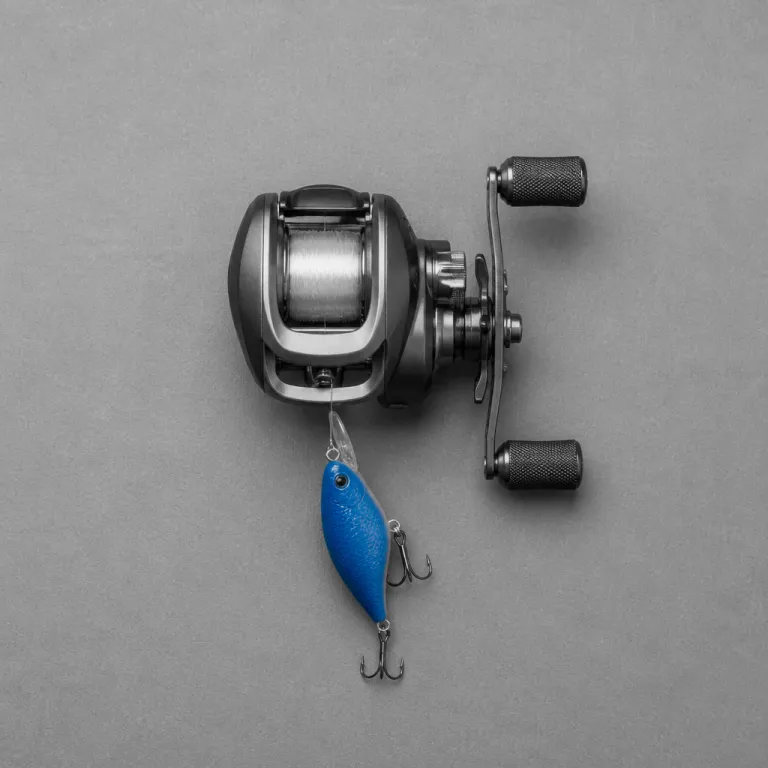
Forward-facing sonar and high-end reels: who really needs the new tech
ICAST 2026 in Orlando puts the forward-facing sonar race front and center. On the new-product floor, conversation keeps circling back to Garmin LiveScope 2 HD at $2,199.99 and Lowrance ActiveTarget 2 XL at $1,799.00, because both units promise clearer fish separation and better target tracking for bass anglers who already live on their screens. For a weekend angler who fishes two mornings on Lake Tohopekaliga or the St. Johns River, that price means the sonar must turn more follows into a committed strike on pressured bass, not just paint prettier arcs.
Garmin’s LiveScope 2 HD, with its higher-resolution transducer and refined target separation, is better for anglers who fish open-water structure and suspended big fish, while Lowrance ActiveTarget 2 XL excels at shallow grass lines and tight casting angles where you need to see how a jig or bait tracks across isolated cover. One tournament pro on the show floor summed it up this way: “If I can’t see my bait and the fish at the same time, the screen isn’t earning its space on the bow.” Guides quietly admit that most recreational bass fishing clients still miss more bites at the hook than they gain from extra pixels, which matters if you are choosing between advanced sonar and a full set of new rods and a spinning reel. For many weekend fishermen, a $259.99 Daiwa Tatula MQ LT hybrid reel or a $99.99 13 Fishing SHYFT may move the needle more than electronics, because smoother drags and better line lay keep finesse presentations honest when a big fish finally eats.
Rod launches follow the same pattern of real upgrades versus catalog churn, and the St. Croix TRIUMPH refresh is the clearest example of meaningful change for ordinary fishing budgets. The new TRIUMPH series adds 29 spinning and 8 casting models in the $115 to $260 range, giving bass fishing anglers a North American–made blank that can handle everything from a finesse jig to a walking topwater without feeling like a broomstick. St. Croix lists many of these rods with medium-fast or fast actions and line ratings that realistically match common bass techniques, which helps buyers avoid over- or under-powering their setups. If you already own a mid-priced Rapala-branded combo or an older Daiwa casting rod, the TRIUMPH line is the first place to look before chasing another high-end reel, because a crisp rod tip and balanced handle often matter more than one extra ball bearing.
Soft bait and jig makers are also leaning into forward-facing sonar trends, building baits that hold in the cone longer and show up clearly on screen. Companies that built their reputations on classic bass baits, like Strike King or Big Bite Baits, now talk about how each jig head or minnow profile tracks on LiveScope rather than only how it feels on a long cast. That shift is obvious in Orlando, where you see more compact shaker jig designs, slimmer minnow shaker bodies, and even purpose-built ball rig systems that keep a bait hovering in place while you watch a fish rise toward the hook.
Terminal tackle quietly follows the same logic, with rig hook geometry and wire diameter tuned for both penetration and on-screen visibility. A Gamakatsu ball-style jig head or a Buckeye Lures ball rig now gets marketed not only for its bottom contact but also for how cleanly it shows up on sonar when you stroke it off a ledge. Weekend anglers who still fish by feel rather than by screen can ignore the marketing language and simply appreciate that these new designs often translate into better balance, easier bottom reading, and more consistent hook sets.
For those who still prefer to keep electronics simple and focus on casting angles, a well-chosen spinning reel and a small box of proven lures remain the most efficient upgrade. If you want to benchmark your current hard baits and metal options against modern kits, a detailed test of a multi-species lure assortment shows how far basic spoons, spinnerbaits, crankbaits, and minnows can still take you. The lesson from the 2026 Orlando show is simple: electronics may dominate headlines, but for most recreational fishermen the right rod, reel, and a handful of confidence baits still catch more fish than any screen.
BFS, finesse trends, and the St Croix TRIUMPH refresh
Bait finesse system gear finally steps out of the niche corner at the 2026 Orlando trade show, with brands pushing lighter baits and more responsive rods for pressured waters. Bandit Finesse Crankbaits sized at 1.75 inches and 3/16 ounce are clearly aimed at BFS casting reels and light spinning reel setups, letting bass anglers present a tiny bait that still casts far enough to reach schooling fish without spooking them. On lakes like Lanier or Hartwell where clear water and boat traffic punish sloppy presentations, that kind of finesse crankbait can turn a slow afternoon into a steady pick of keeper bass.
The St. Croix TRIUMPH series update matters here because it gives weekend anglers affordable blanks that can handle both BFS-style lures and traditional bass fishing techniques. Lighter power spinning models in the new TRIUMPH lineup pair well with small Rapala minnow profiles, finesse jig heads, and even compact Frog Factory–style soft frogs when you need to skip under docks, while medium power casting versions still have enough backbone for a heavier jig or Texas rig. On the ICAST floor, that versatility stands out in a sea of hyper-specialized rods that promise marginal gains for a single technique but leave you short when the bite changes.
For shore-bound anglers or those who split time between bass and surf, rod choice becomes even more critical. If you are weighing a TRIUMPH against a dedicated long rod for coastal work, a detailed comparison of top surf rods helps clarify when a multi-role freshwater rod makes sense and when a true surf blank is the better tool. The Orlando exhibits show plenty of long casting sticks, but for most inland fishermen a 2.1- to 2.4-metre TRIUMPH spinning rod covers finesse, small swimbaits, and light jig work without demanding a second mortgage.
Hard bait makers are also leaning into finesse without abandoning classic profiles that still trigger a reaction strike. Heddon Spook-style walkers and newer spook stick designs get downsized and reweighted so they sit level at rest, making it easier for someone who is new to walking baits to keep the cadence tight enough to tempt a following fish. When you combine those topwaters with subtle minnow shaker plastics or small Missile Baits–style worms on a light jig head, you end up with a system that matches the pressured conditions many of us face on suburban reservoirs.
Jig specialists such as Dirty Jigs and Buckeye Lures are pushing more compact finesse jig offerings that still carry a strong hook and a stable head shape. On the 2026 show floor, you see shaker jig designs with trimmed skirts, smaller weed guards, and heads that come through rock cleanly, all tuned for spinning reel or light casting setups that keep line diameter down. That matters when a big fish eats in 6 metres of clear water, because thin line and a sharp rig hook help you drive steel home before the bass turns into the brush.
Even chatterbait-style lures are getting the finesse treatment, with compact, chatterbait-inspired blades shrunk and paired with slimmer trailers to match smaller forage. Some of these baits borrow from Frog Factory soft plastics, using buoyant materials that let the bait hover higher in the column when you slow roll it past isolated cover. The trend line in Orlando is clear: finesse is no longer a niche tactic but a baseline expectation for anyone who wants to keep catching fish on heavily pressured lakes.
Mid-range reels, classic brands, and what actually earns a spot on your deck
Reel launches at the 2026 Orlando fishing show span from budget to boutique, but the real story for weekend anglers sits in the $100 to $300 band. The Daiwa Tatula MQ LT hybrid at $259.99 targets fishermen who want a spinning reel light enough for finesse yet tough enough for occasional saltwater, while the 13 Fishing SHYFT at $99.99 aims squarely at the angler who needs a reliable workhorse for pond hopping and small boat trips. Shimano’s Poison Glorious series occupies the premium end, but for most recreational bass fishing situations a well-maintained mid-range reel paired with a balanced rod will outfish a flagship model bolted to a mismatched blank.
When you compare these reels to older workhorses, it helps to benchmark against a proven all-rounder. A detailed review of a Cardinal-style all-round spinning reel shows how far drag smoothness, rotor balance, and line management have come in the last decade. The latest ICAST reels build on that baseline with lighter materials and tighter tolerances, but the core test remains the same: can you make an accurate cast, feel the bite, and drive the hook without the reel getting in the way.
Legacy lure brands still command plenty of wall space in Orlando, and many of them focus on incremental but meaningful tweaks rather than flashy reinventions. Rapala continues to refine minnow and jerkbait actions so they suspend more consistently across temperature ranges, while Strike King and Big Bite Baits adjust plastic formulas to keep baits supple yet durable enough for multiple fish. Around the booths you also see niche players like Zuri Pro and Frog Factory pushing custom color patterns and subtle profile changes that matter when you are trying to match a specific forage base on your home lake.
Jig and terminal tackle companies are where some of the most practical upgrades hide, especially for anglers who fish a lot of bottom-contact baits. Gamakatsu ball-style jig heads, Buckeye Lures football and ball rig systems, and VMC heavy-wire hooks all show small but important refinements in point geometry and head shape that help keep a bait upright and the hook gap clear. When you drag a finesse jig or a minnow shaker along a rocky point, those details from the latest product lines can be the difference between a clean bite and a rolled hook that never finds home.
Topwater and moving baits still draw crowds, with Heddon Spook walkers, spook stick variants, and chatterbait-style bladed jigs all getting new colors and skirt combinations. Dirty Jigs and Missile Baits pair their skirts and trailers so that a chatter-style bait tracks straight even at slow speeds, giving you more control over how it passes a piece of cover where a big fish might be waiting. For many anglers, these incremental lure updates are more valuable than another high-dollar sonar screen, because they directly change how a bait moves through the strike zone.
For the weekend fisherman who packs the car at 5:00 and drives two hours to a favorite reservoir, the real filter is simple. Any product from a big trade show that does not help you cast more accurately, feel more bites, or land more fish is just tackle box clutter. In the end, what matters is not the spec sheet, but the tenth cast in the rain.