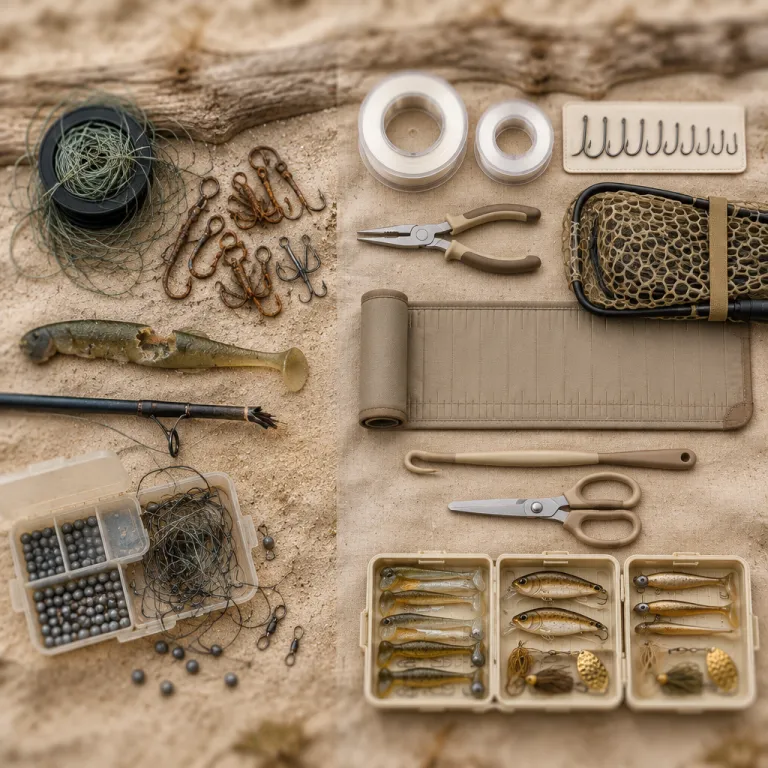
Beginner fishing mistakes first year tips: money wasted before the first cast
Most beginners walk into a tackle shop and walk out poorer, long before their first fishing mistakes happen on the water. The smartest beginner fishing mistakes first year tips start with your wallet, because the wrong rod, reel and fishing tackle will keep you frustrated while the right basics quietly help you catch fish. Think of every euro you spend as a vote for more time actually fishing, not more clutter in the garage.
The first big money trap is buying too much rod and not enough skill, which is one of the most common fishing errors I see around local ponds. A single medium light spinning rod in the 2,1 to 2,4 metre range with a 2500 size reel will cover almost all freshwater fish species you will meet in your first season, while a matched rod reel combo from a reputable brand keeps things simple and reliable. When beginners buy three rods before they can feel a bite properly, they pay for confusion instead of control.
The second trap is premium line on a reel you will outgrow, which is a subtle but expensive form of wrong focus. A smooth mid range monofilament in 6 to 8 lb (around 0,20 to 0,25 mm) will keep your fishing knots forgiving and your bait fishing presentations natural, while braided line only pays off once your casting and drag settings are consistent. If you burn money on high end braid before you can tie a straight and secure knot, you are polishing a weak link instead of fixing it.
Tackle trays full of unused fishing lures are the third budget leak, and they grow fast when beginners binge watch lure reviews. Early on, you need a small, disciplined set of fish bait options that cover depth and speed, not a rainbow of plastics that never touch water fish in your local lake. A handful of soft plastics, a couple of inline spinners and two simple hard baits will keep your bait lure choices clear and your mind on reading each fishing spot.
One more financial mistake beginners make is paying for a boat before they can consistently catch fish from shore, which flips the learning curve upside down. Shore fishing forces you to read water, move your feet and pay attention to subtle changes in current and structure, while a boat tempts you to run from spot to spot instead of learning when to stay. If you invest first in waders, a good landing net and a compact tackle bag, you will keep your budget lean and your focus sharp.
Finally, beginners often ignore maintenance, which quietly turns good gear into unreliable junk over time. A few minutes after each trip to rinse your reel, check your line for nicks and clean the guides on your rod will keep your setup working smoothly far longer than any fancy upgrade. The cheapest beginner fishing mistakes first year tips are often a simple reminder to keep bait containers closed, hooks rust free and drag systems smooth, because neglected gear costs fish later.
Fish losing mistakes: when technique costs more than tackle
Once you are actually on the water, the mistakes that hurt most are not on the receipt, they are on the line. Many beginners think a new rod reel combo will fix missed strikes, but the truth is that fish lost at the hook usually come from timing, tension and poor fishing knots. The good news is that these fishing mistakes are fixable with awareness, not more gear.
The classic error is setting the hook too hard on treble hooks, especially with crankbaits and small fishing lures. When you swing like you are trying to lift a log, those tiny points tear free from the fish’s mouth, while a firm sweep with steady pressure lets the trebles dig in and hold. With single hooks on live bait or soft plastics, you can set harder, but even then you should focus on a smooth pull rather than a wild, straight overhead jerk.
Another quiet killer is not retying after a snag, which leaves a weakened knot waiting to fail at the worst possible time. Every time you pull your line free from rocks or wood, you should check the last metre for frays and retie your main knot, because that small habit will keep big fish connected. Many mistakes beginners make come from rushing back to casting instead of taking the time to protect the only link between rod and fish.
Drag settings are the next overlooked detail, and they decide whether you land or lose your best catch of the day. If your drag is locked down, a strong run from a heavy fish species will snap light line instantly, while a drag set too loose will let the fish run you into cover before you can turn it. Before your first cast at any fishing spot, pull line from the reel with your hand and adjust until it slips under firm, steady pressure.
Positioning matters too, because holding rod high and off to the side gives you better control than pointing it straight at the fish. When you fight a fish with the rod tip low and the line tight, the rod’s blank cannot absorb sudden lunges, which sends every shock straight to the knot. Keep the rod at about a 45 degree angle, keep bait or lure moving just enough to maintain tension, and you will feel more head shakes and fewer sudden slack lines.
Finally, do not ignore the water itself, especially on crowded holiday weekends when every ramp is chaos. Learning how to find quiet water and subtle current breaks will keep you on calmer fish that are less pressured and more willing to bite. When you pair smart positioning with careful drag checks and fresh knots, you turn common fishing errors into rare events instead of a daily pattern.
Reading water and choosing spots: where beginners go wrong
Most beginners think the best fishing spot is the most obvious one, like the tip of a point or the brightest dock on the lake. In reality, fish often hold in the quieter water just beside those obvious targets, where current softens and bait can rest without burning energy. The subtle lesson is that water fish behaviour is about comfort and ambush angles, not just pretty structure.
When you walk up to a new bank, take time to stop and scan before your first cast, because that pause will keep you from spooking shallow fish. Look for shade lines, wind blown banks, small inlets and any change in bottom colour, since each of these signals a potential feeding lane or resting pocket. If you simply move straight to the most open area and start bombing long casts, you are fishing water, not fishing spots.
Depth is another place where mistakes beginners repeat all season, especially in summer heat or early spring cold. Many anglers keep bait or lures at the same depth all day, even when the sun climbs or the wind shifts, while experienced fishermen adjust weight and retrieve to follow fish up or down the column. A simple split shot added to a bait fishing rig or a slower count down with a jig can turn a dead hour into steady fish biting.
On small ponds, you do not need complex electronics to read structure, you just need patience and a plan. This guide to simple summer pond setups shows how a basic float rig and a light spinning rod can cover edges, mid depth and deeper pockets without overthinking. When you pair that approach with deliberate casts that fan out from each position, you cover water efficiently instead of wandering without a pattern.
Wind direction and light levels also shape where fish hold, and ignoring them is a common fishing oversight. A wind blown bank often pushes fish bait and plankton into one corner of a lake, which draws in water fish like perch and bass, while calm, clear corners can turn spooky and empty. If you pay attention to where the wind stacks surface debris and where shade falls at different times, you will keep your lure in higher percentage zones.
Finally, do not underestimate the value of staying put when conditions feel right, even if the first twenty minutes are quiet. Many beginners move too quickly from spot to spot, chasing a fantasy of instant action instead of letting a good area develop as light and temperature shift. The best beginner fishing mistakes first year tips often sound boring, but learning when not to move is what separates a random catch from a planned one.
Retrieve, rhythm and bait choice: fixing technique that costs fish
Even with the right spot and solid gear, many beginners still blank because their retrieve is wrong for the mood of the fish. The default mistake is reeling too fast, which rips fishing lures out of the strike zone before curious fish can commit, especially in cold or pressured water. Slowing down feels painful at first, but it gives your bait lure time to work and lets you feel subtle taps instead of just heavy hits.
Varying retrieve speed and cadence is the next step, because fish do not want the same presentation all day. Try a slow, steady retrieve for a few casts, then mix in pauses, twitches or short bursts of speed, and pay attention to exactly when the bite happens so you can repeat that pattern. When you keep bait moving in different ways through the same area, you learn whether fish prefer a fleeing, dying or cruising profile that day.
Live bait is still the most forgiving option for many beginners, but it comes with its own set of fishing mistakes. If you hook live bait too deeply or too close to the head, it will not swim naturally, while a light hook through the back or lips lets it move freely and signal distress to nearby predators. You should also check your bait often, because a tired or dead minnow becomes poor fish bait unless you deliberately switch to a slower, bottom oriented presentation.
Artificial lures demand more focus, but they teach you valuable lessons about feel and control over time. A simple jig and soft plastic combo lets you count down to depth, feel bottom contact and adjust hops or drags to match how active the fish are, which sharpens your sense of what is happening beyond the rod tip. When you alternate between bait fishing and lure work on the same water, you learn how different fish species respond to speed, flash and vibration.
Another technique error is ignoring line angle and bottom contact, which are your only clues to what the lure is doing. If your line is straight down under the rod tip, you are probably too vertical for spooky shallow fish, while a long, low angle lets you cover more water without hovering over them. Keeping light tension and watching for small ticks or sideways moves in the line will keep you connected to subtle bites that never slam the rod.
Finally, remember that every retrieve is a conversation with the fish, not a script you run on autopilot. When you feel a bump, do not instantly set the hook, but instead keep reeling slowly and wait for steady weight before committing, especially with treble hooked lures. The anglers who catch fish consistently are not the ones who cast the farthest, they are the ones who listen hardest to what the line is telling them.
Mindset, community and the one year milestone
The hardest beginner fishing mistakes first year tips are not about knots or reels, they are about your head. Social media makes it look like every trip should produce a trophy fish, but those highlight reels hide the long, quiet hours when even experts blank on good water. If you measure your progress only against other people’s best days, you will keep feeling behind even when you are learning fast.
Real growth in fishing comes from time on the bank, not from scrolling gear reviews late at night. A healthy goal for your first full season is to read basic water structure, tie three reliable fishing knots and catch at least three different fish species on purpose, using both bait fishing and lures. When you can do that with one trusted rod reel setup and a small box of well chosen tackle, you are ahead of most casual beginners.
Community matters more than most new anglers realise, especially when you feel stuck or confused by conflicting advice. Do not be afraid to ask other fishermen on the bank what fish bait is working or how deep they are finding bites, because many will share simple tips if you show respect for the water and the fish. Over time, those small conversations build a network of local knowledge that no online video can match.
Stories and culture also shape how we fish, and they remind us that angling is older than any modern product line. Exploring traditional crafts, such as the beadwork featured in this piece on Native American beaded artistry, can deepen your respect for the people who lived with these waters long before we carried graphite rods. When you see fishing as part of a wider story instead of just a hobby, you tend to treat fish and water with more care.
By the end of your first year, you should know how to keep bait alive, how to check your line for damage and how to move quietly along the bank without trashing a fishing spot. You should also understand local regulations, including size and bag limits for common fishing targets like bass, trout and panfish, because respecting those rules keeps fisheries healthy for everyone. The milestone is not a certain number of fish caught, it is the confidence that you can plan a simple trip, adapt when conditions change and still enjoy the time outside.
Most importantly, give yourself permission to be bad at fishing for longer than feels comfortable, because mastery in this sport takes years, not months. The learning curve is the point, and the anglers who last are the ones who find joy in small improvements, like tying a cleaner knot or feeling the first light tap on a slack line. In the end, what stays with you is not the spec sheet, but the tenth cast in the rain.
Gear discipline: rods, reels, knots and checks that actually matter
Once you accept that more gear will not magically fix fishing mistakes, you can start building a lean, effective kit that serves you instead of confusing you. For most freshwater beginners, one spinning rod around 2,1 metres with a fast action and a 2500 size reel will cover everything from small bait fishing rigs to light lure work. That single, well balanced rod reel combo teaches you how different fish feel on the line, which is a lesson no second rod can replace early on.
Line choice should follow your target fish species and cover, not marketing claims about sensitivity or casting distance. Monofilament in the 6 to 10 lb range is forgiving, floats reasonably well and makes learning fishing knots less punishing, while fluorocarbon leaders can be added later when you start fishing clear, pressured water. If you fish heavy cover or toothy predators, you can step up line strength gradually instead of jumping straight to thick braid that kills lure action.
Knot discipline is where many mistakes beginners make turn into heartbreak, because a knot is the smallest part of your system yet carries the most risk. Learn three knots deeply, such as the improved clinch, the Palomar and a simple loop knot for lures, and practice them at home until you can tie them in low light without thinking. Every time you change a bait lure or feel your line scrape rocks, retie one of those knots and you will keep more fish connected.
Routine checks sound boring, but they are the quiet backbone of reliable fishing days. Before each session, run your fingers along the last metre of line to feel for nicks, check that your drag slips smoothly under firm pull and make sure your reel handle turns without grinding. During the day, glance at your hook points and sharpen or replace any that feel dull, because a sharp hook turns tentative fish biting into solid hookups.
Storage and transport are also part of gear discipline, and they prevent many hidden fishing mistakes that show up later. Do not leave rods leaning in hot car boots or reels soaked in salt spray, because heat and corrosion quietly weaken line and internal parts over time. A simple rod sleeve, a breathable reel bag and a habit of drying gear after each trip will keep your equipment ready for the next outing.
Finally, resist the urge to upgrade for its own sake during your first year, even when you see flashier setups on the bank. Instead, keep a small notebook or phone log of what actually fails you on the water, whether it is line twist, poor casting distance or uncomfortable handle grips. When you upgrade only to solve real, repeated problems, every new piece of fishing tackle earns its place instead of becoming another expensive reminder of impatience.
Key figures every first year angler should know
- Recreational anglers in the United States make up roughly 46 million participants according to the American Sportfishing Association, which means beginners are joining a very large and diverse community of fishers.
- Surveys from several state wildlife agencies show that more than 60 percent of new anglers primarily fish from shore in their first season, highlighting why bank fishing skills and reading shoreline water structure matter more than boat ownership early on.
- Studies on catch and release mortality suggest that using appropriate tackle and handling fish quickly can reduce post release deaths to under 5 percent for many freshwater species, compared with much higher rates when fish are played too long on light gear.
- Data from multiple licence sales reports indicate that a significant share of first time fishing licence buyers do not renew the following year, which underlines how early success and realistic expectations can influence long term participation in the sport.
- Research on angler behaviour has found that learning just a few reliable knots and basic fish handling techniques can dramatically increase both landing rates and survival of released fish, making education as valuable as new equipment.
FAQ: beginner fishing mistakes in the first year
What is the single biggest mistake beginners make in their first year of fishing ?
The biggest mistake is expecting gear to replace time on the water, which leads to overspending on rods, reels and lures while under investing in practice. A simple, reliable setup used often will teach you more about fish behaviour, water reading and bite detection than a pile of advanced equipment that rarely gets wet. Focus on consistent trips, basic knots and a few proven baits before chasing specialised tackle.
How many rods and reels does a first year angler really need ?
For most freshwater situations, one medium light or medium spinning rod with a matching 2500 size reel is enough for an entire first season. That single combo can handle float rigs, bottom bait fishing and light lure work for common species like bass, trout and panfish. Only once you understand its limits in your local waters should you consider adding a second, more specialised setup.
How long should I stay in one fishing spot before moving ?
If conditions look promising, such as good structure, reasonable depth and some signs of life, give a spot at least 30 to 45 minutes with different baits and retrieves. Change depth, lure style and retrieve speed before deciding the area is empty, because fish often turn on when light or wind shifts. Move only after you have covered the water methodically rather than after a handful of impatient casts.
Which knots should a beginner prioritise learning in the first year ?
Three knots cover almost all beginner needs, specifically the improved clinch for tying hooks and lures, the Palomar for strong terminal connections and a simple loop knot for giving lures more action. Practise these at home until you can tie them quickly without looking directly at your hands. Reliable knots reduce break offs, protect fish from trailing hooks and build confidence in your entire setup.
How do I know if my drag is set correctly for the fish I am targeting ?
A practical rule is to set the drag so that line slips under firm, steady pull from your hand, not only under extreme force. For light line and smaller fish, you want the drag to give easily on sudden runs, while heavier setups for larger species can be set tighter but should still allow controlled slippage. Testing and adjusting drag before each session prevents many break offs that beginners mistakenly blame on bad luck.