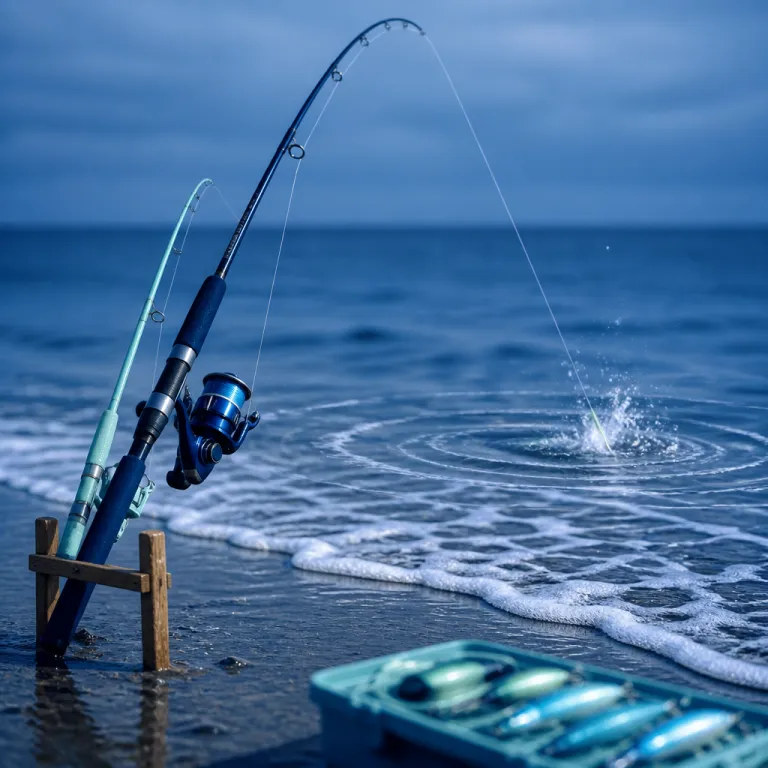
Why short, close, and simple beats the epic first fishing trip
When you introduce kids to fishing and hope to build a lasting family ritual, the most common mistake is trying to stage an epic adventure. A six hour drive, a rented boat, and a dawn to dusk fishing trip will usually end with tired children, tangled fishing poles, and parents wondering why they ever left the driveway. If you want kids interested for the long term, think short sessions, close to home, with one clear goal for every child.
The 45 minute rule for young children is brutal but effective. Many child development guides suggest that kids under eight can focus on a single activity for roughly 15 to 30 minutes, so plan your first family fishing sessions so you leave the bank while kids still want one more cast, not when they are dragging their rod and begging to go home because the day feels too long. That single choice will keep the memory of catching fish tied to fun, snacks, and laughter, not to sunburn, boredom, and a parent saying that kids will tough it out because the adults drove so far. If you want a reference point, look for attention span guidelines from reputable pediatric or educational organizations and use those as a planning baseline.
Pick a neighborhood pond or a small park lake where panfish are common and the walk from the car is under five minutes. Your first goal is not to catch a trophy fish, it is to help each child feel a bite, set the hook, and see at least one fish caught before attention fades. When you frame every early fishing experience around easy access, quick wins, and a relaxed outdoor rhythm, family fishing becomes a safe routine instead of a once a year production.
Building rhythm: frequency over duration for family fishing
If you want to truly build a fishing habit with your family and kids, think in weeks and months, not in single heroic outings. Twenty minutes of kids fishing at the same pond after school, twice a week, will teach kids more about how fish behave than a single marathon fishing trip that everyone dreads. Short, repeatable sessions also make it easier to keep a valid fishing license, a small tackle bag, and two or three simple fishing poles ready by the door.
Use a simple rule for young children who are new to fishing. One rod per child, one style of live bait such as worms or maggots, and one easy rig like a small float and a size 8 to 12 hook on 4 to 8 lb (2 to 4 kg) line will reduce chaos and keep the focus on catching fish instead of sorting gear. When kids catch their first bluegill or small perch on this setup, you can quietly explain why you will release most fish caught and keep only a few for dinner, so catch and release becomes normal from the first day.
Plan these short sessions around low stress times of day, such as early evening when the bank is quiet and the light is soft. If you must fish on busy holidays, look for guidance on finding quiet water in crowded conditions and apply the same logic to your local spots. Over time, children will start asking for their own fishing trip, and that is the signal that the habit is taking root in your family.
Smart, simple gear: what to share and what must fit a child
Parents often think they need a full new arsenal of fishing gear to create a shared angling tradition. In reality, you can share far more than tackle catalogs suggest, and the only non negotiable item is a rod that truly fits each child’s height and strength. A light spinning rod between 1.2 and 1.5 metres for small kids, or up to 1.8 metres for older children, matched with a reel spooled with 4 to 6 lb (2 to 3 kg) monofilament, will let kids cast without fighting the blank, while adults can keep using their own longer rods for more reach.
For the first season, keep one small tackle box that everyone uses, with a few packs of hooks, split shot, floats, and a single style of live bait that kids love to handle. You do not need a different box for every child, but you do need to teach kids how to respect hooks, how to handle fish safely, and how to practice catch and release when the fish are too small or when local rules require it. Before any fishing trip, check that your fishing license is valid under your regional regulations, that your pliers are in the bag, and that you have a small towel so kids will not wipe fish slime on their clothes every time.
Resist the urge to keep buying new lures and gadgets before your family has mastered the basics of catching fish with simple rigs. Focus instead on learning how your existing fishing poles cast, where knots tend to fail, and how different line diameters behave under tension. When you master what you already own, you model good habits for fishing kids, and you show that skill, not shopping, makes fishing great for the whole family.
Making it theirs: choice, wildlife, and the move beyond bluegill
The fastest way to start a fishing tradition that sticks is to let kids shape the day. When you arrive at the pond, give each child two or three simple choices, such as which bank to fish, which float color to use, or whether to try worms or corn as live bait for the first few casts. Those small decisions help kids feel that this is their fishing experience, not just another adult led outdoor chore.
As kids catch more panfish, talk about the wildlife you see around the water, from ducks and frogs to dragonflies and herons that also hunt fish. Young children often remember the heron stalking the shallows or the frog on the bank more vividly than the exact number of fish caught, and that is fine because it keeps kids interested in returning. When kids love the whole scene, not just the moment they catch fish, you are quietly building a deeper respect for the water and for the idea of catch and release when the population needs protection.
At some point, usually after many easy days of catching fish, a child will ask about bigger fish such as bass or pike. That is your cue to explain that targeting larger fish means fewer bites, more waiting, and more focus on reading structure, so the reward comes later in the day. You can still start with a short session, but now you are teaching patience, pattern recognition, and the idea that not every fishing day is measured only by how many kids catch a fish.
Including non fishing family members and playing the long game
When you are the only angler in the household, building a fishing tradition for your family and kids means respecting the people who are not yet hooked. Invite a reluctant spouse or teen to join the fishing trip with a book, a camera, or a simple picnic, and make it clear that they are free to enjoy the outdoor setting without touching a rod. That low pressure approach often encourages kids and adults alike to try a few casts once they see how relaxed the day feels.
Use simple roles to encourage kids and non anglers to participate, such as letting one child be in charge of the net, another track how many fish caught are kept or released, and another watch for interesting wildlife. Over time, kids will start to trade roles, and you can quietly teach kids why some fish are perfect for catch and release while others can be kept for a meal. If your family enjoys stories and heritage, you can even connect your new habit to broader outdoor traditions, such as learning about cultural craftsmanship that often appears in angling communities.
The families you see fishing together with teenagers did not start with full days on remote lakes. They started with ten minute sessions at a city pond, one child holding a short rod, one parent tying knots, and everyone laughing when the first fish slipped back into the water. In the end, what your kids will remember is not the exact size of the fish, but the feeling of being outside with you on a quiet day, when the only thing that mattered was the next cast and the shared time on the bank.
FAQ
How long should the first fishing session with young children last?
For young children, aim for 30 to 45 minutes of focused fishing time. Leave while they still want one more cast, not when they are tired and frustrated. This keeps kids interested and makes the next fishing trip an easy sell.
What is the best rod size for kids who are just starting?
For most kids between 5 and 10 years old, a light spinning or spincast rod between 1.2 and 1.5 metres is ideal. Older children can handle rods up to about 1.8 metres without strain. The key is that the child can swing and cast the rod comfortably with one or two hands.
Do we need a fishing license if only the parent is fishing?
In many regions, the adult who is actively fishing must hold a valid fishing license, even if the kids are only helping. Some areas allow children under a certain age to fish for free, but rules vary by country and state. Always check local regulations or your regional fisheries agency before your family fishing outing.
How do I keep kids engaged when the fish are not biting?
When the fish are slow, shift focus to wildlife watching, skipping stones, or exploring the bank safely. Let kids take breaks, eat snacks, and return to the rod when they feel ready. Short pauses prevent frustration and help kids love the overall outdoor experience.
When are kids ready to move from panfish to larger species like bass?
Kids are usually ready to target larger fish after they have confidently handled several outings catching smaller species. Look for signs that they can wait longer between bites and stay focused on their float or line. At that point, you can explain that bigger fish often mean fewer strikes but a more memorable fight.
Quick safety and gear checklist for family fishing
Before you head out, run through a simple checklist: valid fishing license for any adult angler, weather appropriate clothing and sun protection, a basic first aid kit, barbless or pinched barbs on beginner hooks where allowed, pliers and a small towel, drinking water and snacks, and a plan for safely handling and releasing fish. Taking two minutes to confirm these essentials reduces stress on the bank and keeps the focus on fun.