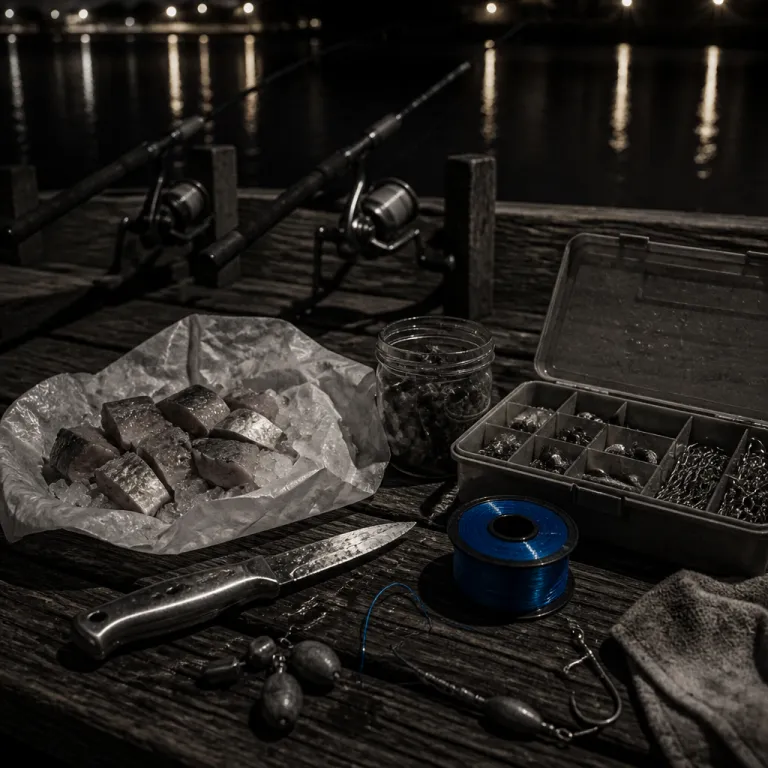
Why summer catfish wake up when the sun goes down
When the heat finally bleeds off the lake, catfish start to move. As water temperatures slide a few degrees after sunset, the fish will leave their daytime holes and cruise the shallows where baitfish lose their edge. That shift is the backbone of every serious set of night fishing catfish tips for summer conditions.
Warm surface water holds less oxygen, so during the day many channel catfish and blue catfish sulk deep and tight to cover. Once the night breeze roughens the surface, the water near the bank carries more oxygen and the bait becomes nervous, and that is when catfish will slide up along a channel edge or flooded flat to hunt. If you time your night fishing around this movement, you will catch fish that never even look at a bait under the afternoon sun.
Think about how each species behaves when you plan your catfish fishing. Channel cats roam in packs along the first drop off from the bank, while a flathead catfish often hugs a logjam or rock pile and waits for a single big meal. On a typical catfish summer pattern, a larger channel catfish might patrol the lip of the main river channel, and that is exactly where a well placed hook and a fresh cut bait will catch your best fish of the night.
For beginners, this is good news because the pattern is simple and repeatable. If the day has been blazing hot and the water feels like bathwater at your ankles, you can bet that the fish will push shallow once the sky goes dark. Build your plan around that predictable movement and every other set of tips becomes easier to apply.
Reading water and picking the right bank position
Most new anglers think any open bank fishing spot will do, but catfish are more particular than that. On rivers like the lower Missouri or the Ebro, the best night catfish positions sit just downstream of a structure change where the main channel swings tight to shore. That bend focuses current, stacks bait, and turns a random cast into a deliberate attempt to catch catfish that are already feeding.
Walk your bank in daylight and look for outside bends, riprap, and the tailwaters below dams where the channel drops quickly into deeper water. In those places the fish will use the seam between fast and slow flow as a conveyor belt, and a simple slip sinker rig dropped on that line will catch fish that slide up from the depths. If you bring kids or beginners, borrow a few ideas from this guide on keeping fishing fun past the first fifteen minutes, because patient bank fishing for channel cats can still feel exciting when everyone understands what the water is doing.
On still lakes, focus on points, creek mouths, and the first drop from one to three metres where baitfish trap themselves against the bank at night. A larger channel catfish or a prowling blue catfish will cruise that edge like a fence line, and your bait should sit right on that contour rather than randomly in open water. When you line up your casts along that path, the fish will find your baits naturally instead of forcing you to chase them all over the lake.
Do not ignore safety while you search for the perfect channel or flat. Test the bank with your boot before committing, because undercut clay can collapse without warning and send you and your long sleeve shirt straight into deep water. Tell someone exactly which stretch you are fishing and how long you will stay, because the best night fishing plan still means little if nobody knows where you are after midnight.
Three rigs that quietly do the work after dark
Once you understand where the fish travel, the rig becomes your translator. For moving water and classic river catfish fishing, a slip sinker rig with a 40 to 60 gram egg sinker, a bead, and a swivel remains the best all round choice. That simple setup lets a catfish take the bait without feeling heavy resistance, and it keeps your hook pinned near the bottom where the channel cats expect their meals.
On lakes and slow reservoirs, a float rig shines when you want to keep a bait just off the bottom along a weed edge or rocky point. Slide a cigar float onto your main line, add a stop knot, then tie a 40 centimetre leader to a size 2/0 to 5/0 hook, and you will catch fish that cruise mid depth instead of hugging the mud. This style of rigging pairs well with lighter baits like chicken livers or smaller cut bait pieces that might otherwise sink into soft silt and vanish from a night catfish patrol route.
For big open flats where the bottom is mostly clean, a drift rig covers water and finds scattered fish. Use a three way swivel, a short dropper to a lighter sinker, and a longer leader to your hook, then slowly walk the bank or let the wind slide your line sideways so the bait sweeps across the flat. That motion often triggers a larger channel catfish or a roaming blue catfish that ignores static stink baits but cannot resist a fresh strip of cut bait gliding past its whiskers.
Match your rod and reel to the rig rather than chasing marketing hype or offshore trolling gear meant for wahoo lures and high speed passes offshore, as explained in this piece on refined lure selection for demanding techniques. A 2,1 to 2,4 metre medium heavy rod with a soft tip and a solid backbone handles most bank fishing for catfish summer patterns. Spool with 12 to 18 kilogram braid and a monofilament leader, and your rigs will cast far, hold bottom, and still show the light taps that often start a great night.
Bait hierarchy: what really gets eaten after midnight
Every catfish angler has a favourite bait, but the fish do not care about tradition. In current, fresh cut bait from shad, herring, or small carp consistently outfishes most commercial stink baits, because the natural oils push a strong scent line down the channel. When you are serious about night fishing catfish tips for summer rivers, start with cut bait on at least one rod and let the results speak.
On still water, the story changes slightly and softer baits come into their own. Fresh chicken livers wrapped in a small strip of cotton gauze stay on the hook better, and they put out a cloud of scent that channel cats can track from several metres away. If you thread the liver carefully and leave the hook point fully exposed, that bait will catch fish quickly when the water temperatures are warm and the fish will not waste energy on half hearted bites.
Commercial stink baits still have a place, especially for numbers of smaller channel catfish near heavily pressured banks. Dip worms or sponge hooks loaded with those baits excel when you want to catch fish fast for a family fry, and they are forgiving for beginners who are still learning how to cast without flinging their bait off. Rotate between stink baits, chicken livers, and cut bait through the night, and you will quickly see which option the catfish will choose on that specific stretch of water.
For trophy minded anglers chasing a single big fish, think in terms of meal size rather than flavour. A flathead catfish or a heavy blue catfish often prefers a live bait or a large fresh chunk that looks like a proper dinner, not a snack, and that is where a bigger hook and a patient mindset pay off. When you commit one rod to a truly big bait and leave it soaking on prime structure, that rod will catch catfish that never even glance at smaller offerings drifting by.
Gear, patience, and safety: what you really learn after midnight
Night fishing strips your kit down to what actually matters. A reliable headlamp with a red light mode is the single best upgrade you can make, because red light preserves your night vision and spooks fewer fish when you rebait or unhook a catch. Pair that with a simple long sleeve shirt to block insects and a light cotton buff around your neck, and you will stay focused on the rod tips instead of the mosquitoes.
On the patience side, set a clear rule before you even cast. Give each spot thirty minutes with at least one good bait in the water, and if you do not catch fish or see clear bites in that window, move to the next piece of structure along the channel. That half hour threshold keeps you from both camping on dead water all night and from wandering so much that the fish will never really find your baits.
Safety is not optional when you are alone on a dark bank with deep water at your feet. Scan for trotlines, discarded hooks, and unstable banks with your headlamp before you settle in, and keep your landing net and pliers within easy reach so you are not fumbling near the edge. If you want to understand how technology is changing the way anglers read water and structure, this analysis of forward facing sonar and new fishing rules shows how quickly tactics evolve, but the core lesson remains that awareness keeps you safe.
Tell a friend exactly where you plan to fish and how long you expect to stay, then send a quick message when you leave the bank. Keep your phone in a dry sleeve or pocket, carry a basic first aid kit, and respect any posted warnings about water releases or restricted areas near dams. In the end, the best night fishing catfish tips for summer are not about secret baits or magic hooks, but about stacking small smart choices until the tenth cast in the rain feels as controlled as the first one at dusk.
FAQ
How long should I wait in one spot when night fishing for catfish in summer ?
A practical rule is to give each spot about thirty minutes. Keep at least one fresh bait in the water the entire time, and watch your rod tips closely for subtle taps. If you do not catch catfish or see clear bites in that window, move to the next piece of structure along the channel or bank.
What size hooks work best for summer night catfish from the bank ?
For average channel cats, a size 2/0 to 4/0 circle or octopus hook covers most situations. When you target larger channel catfish, blue catfish, or flathead catfish with big cut bait, step up to 5/0 or 7/0 models. Always leave the hook point fully exposed so the fish will hook themselves cleanly on the take.
Is chicken liver still a good bait for channel catfish in warm water ?
Chicken livers remain a very effective bait on still or slow moving water in summer. They put out a strong scent cloud that helps fish find your offering when visibility is low at night. Wrap the liver in a small strip of cotton gauze or thread it carefully so it stays on the hook during long casts.
Do I need heavy gear for summer night bank fishing for catfish ?
You do not need extreme tackle, but you should avoid ultralight gear. A 2,1 to 2,4 metre medium heavy rod with a solid backbone and a reel spooled with 12 to 18 kilogram line handles most bank fishing situations. That setup lets you cast long, control fish near snags, and land a surprise big catfish without overstressing your equipment.
Why is a red light headlamp recommended for night catfish fishing ?
A headlamp with a red light mode preserves your night vision much better than white light. Red light also tends to spook fewer fish and insects when you rebait, retie a hook, or unhook a catch close to the water. This simple gear choice makes the whole night more comfortable and keeps you tuned in to subtle bites.