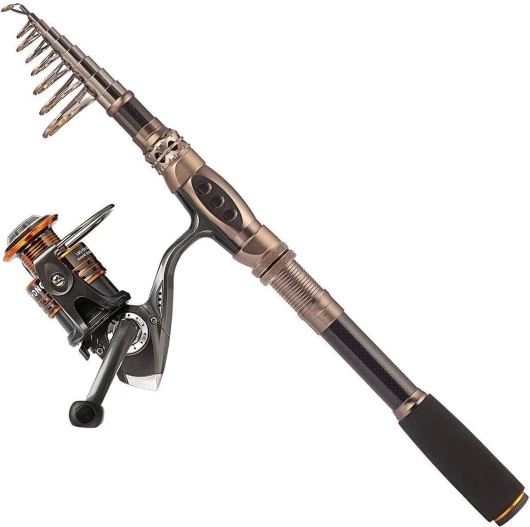
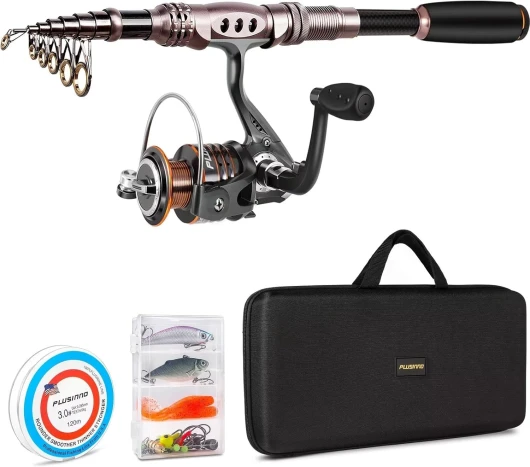
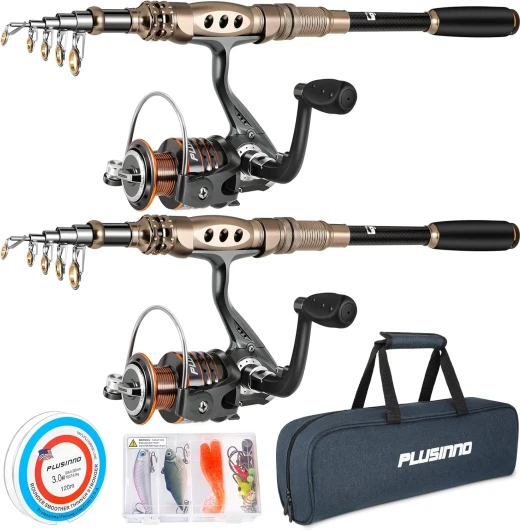
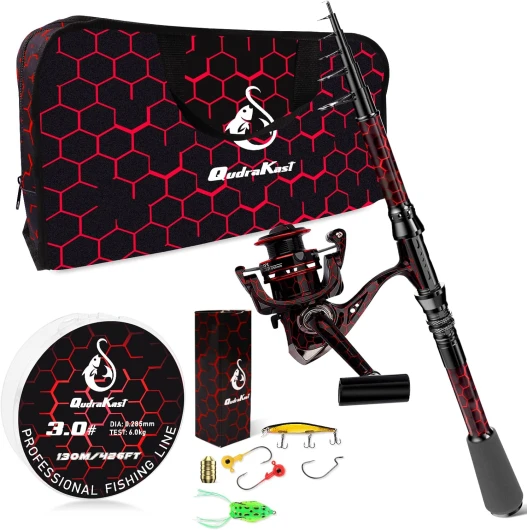
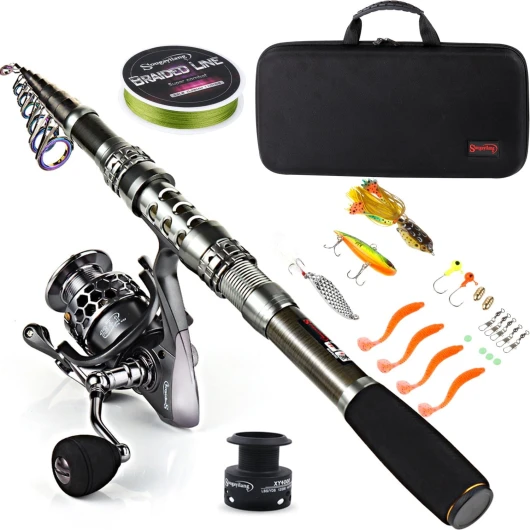
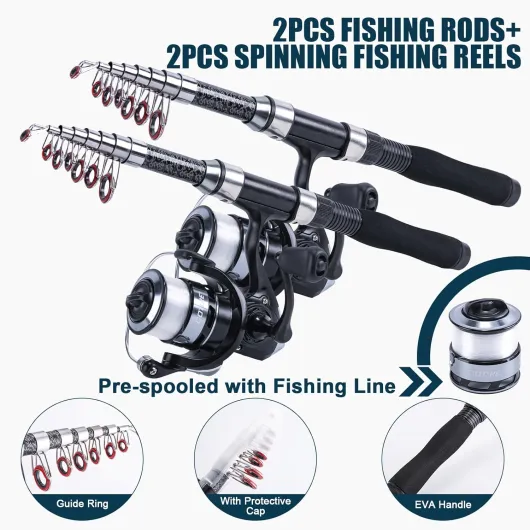
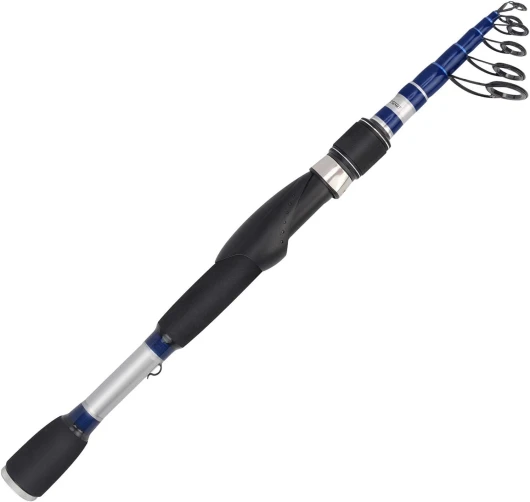
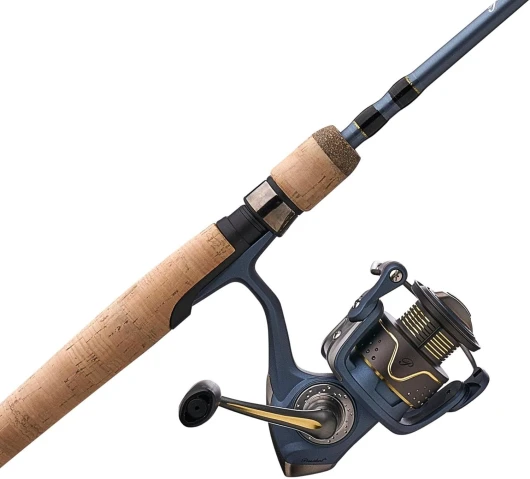
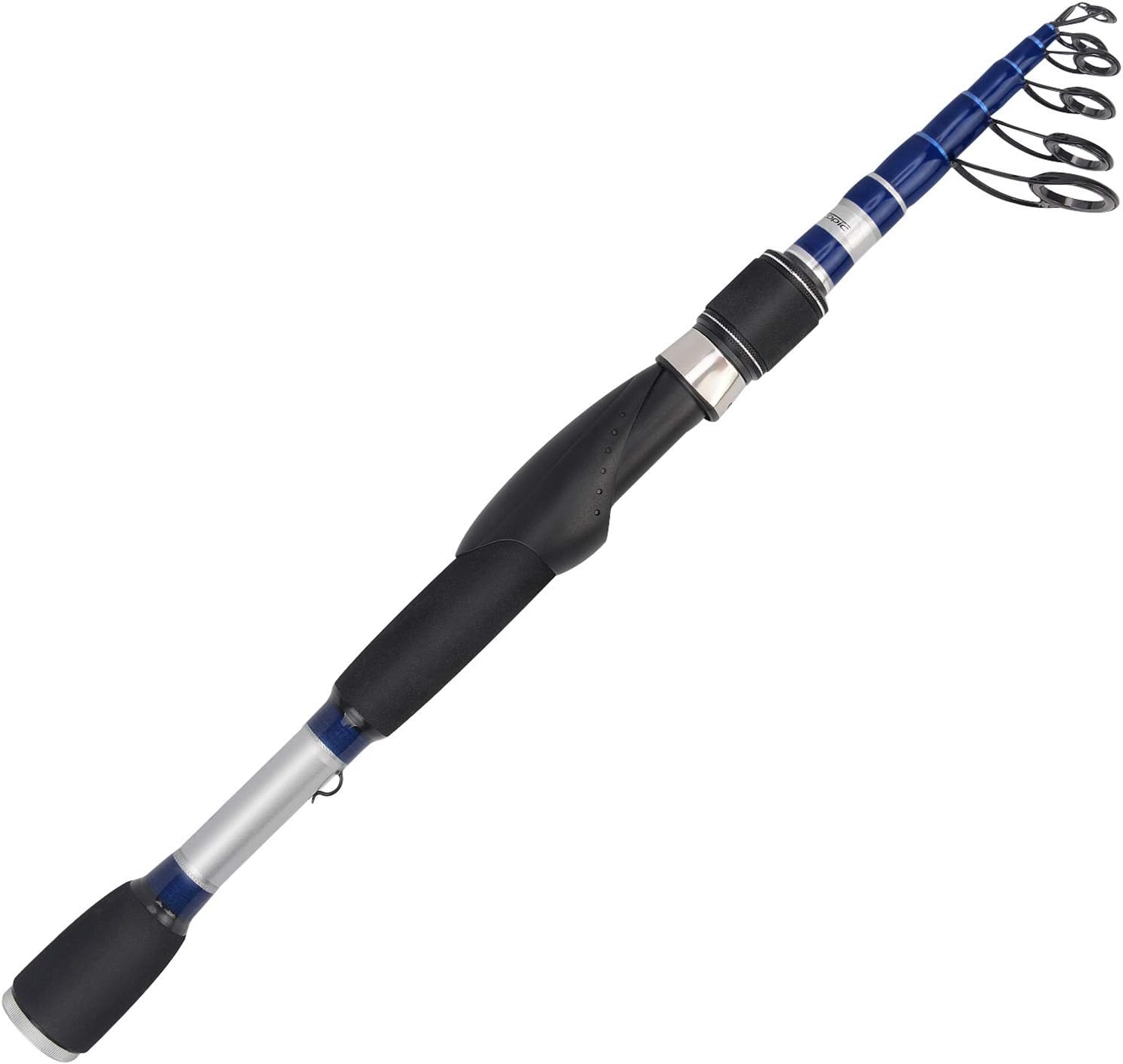
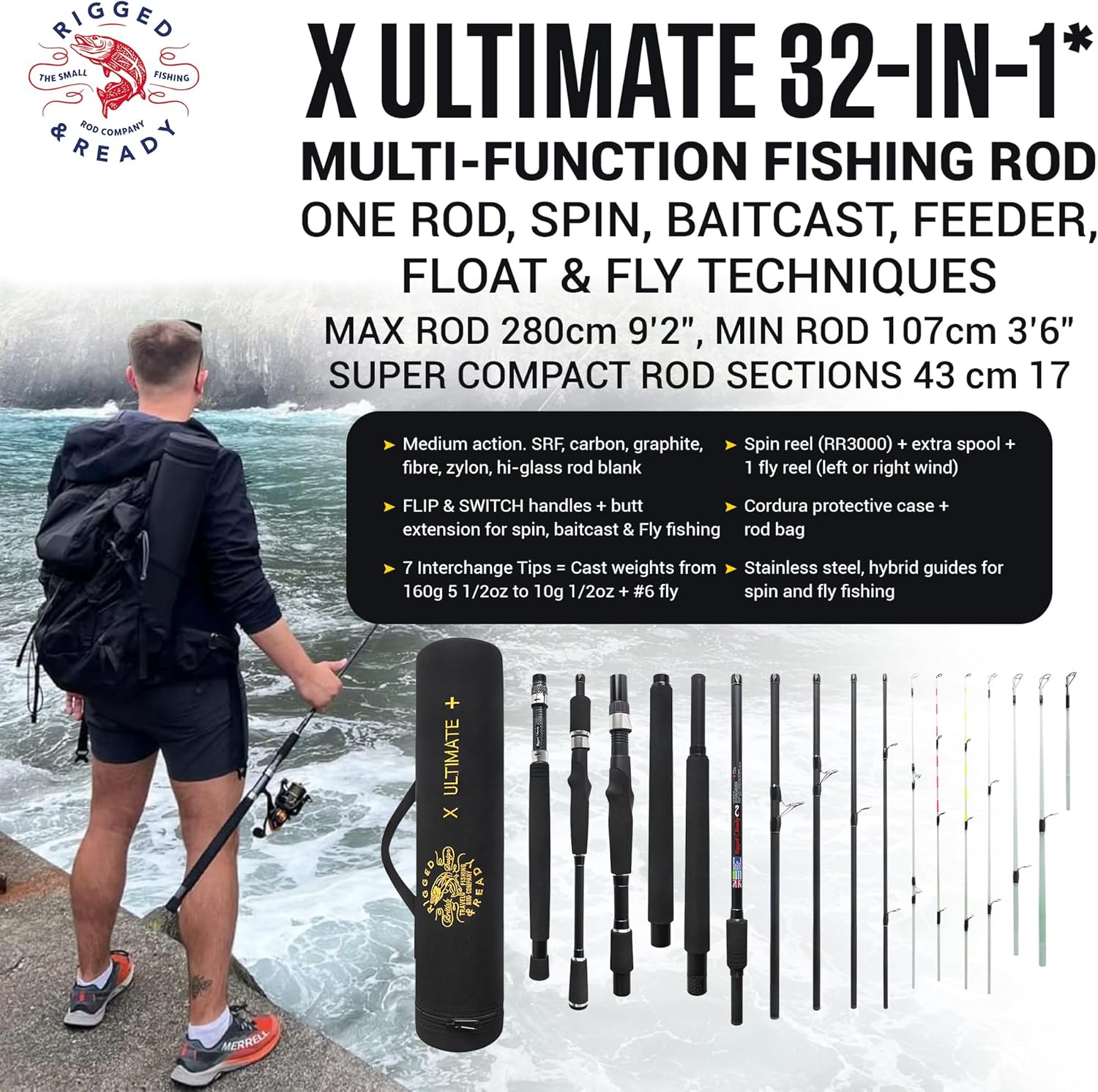
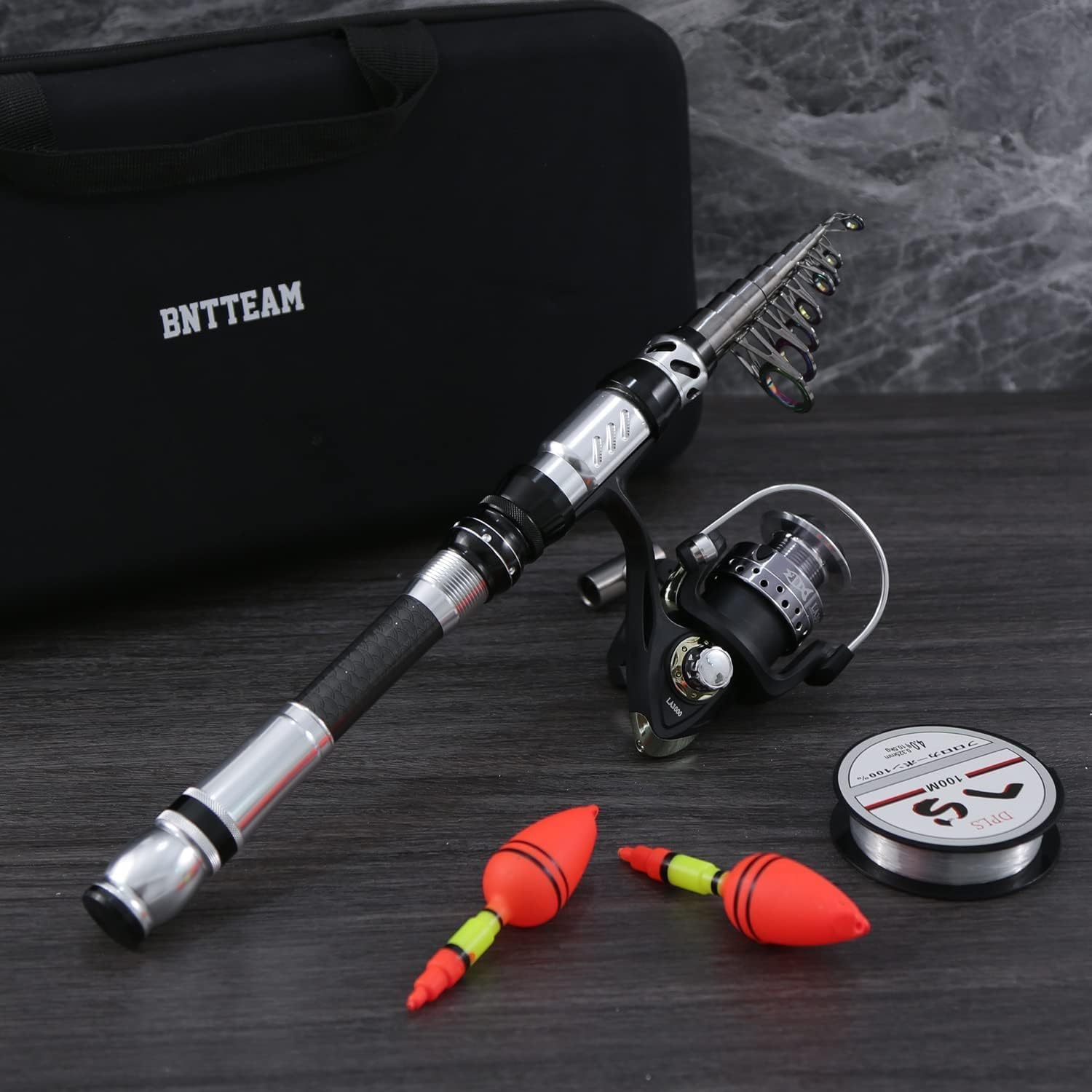
Key components that define a high performing spinning combo
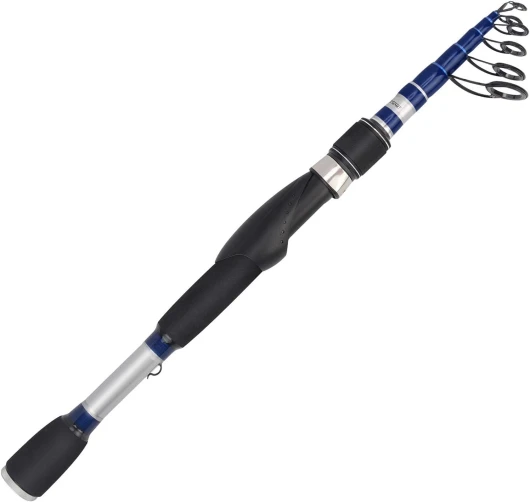
Every serious angler evaluating the best spinning combos should start with the blank and the reel. The rod determines casting distance, lure control, and how confidently you steer a fish away from cover when bass surge toward snags. A quality spinning rod with a crisp tip and strong backbone lets light lures fly while still handling a surprise trophy bass without folding.
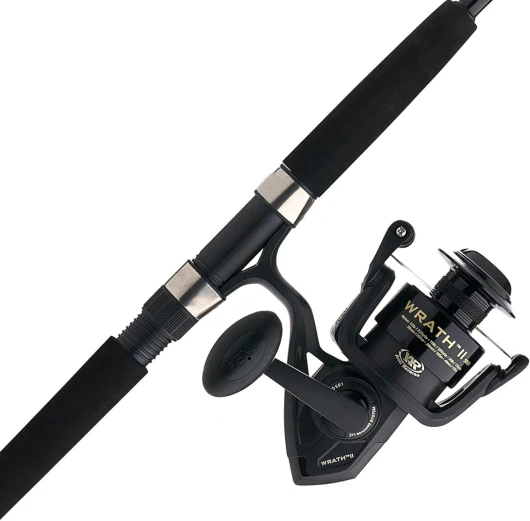
On the reel side, smoothness and durability come from the gearing, drag stack, and ball bearings count rather than flashy cosmetics. A well engineered spinning reel with a rigid body, quality bearings, and a consistent braking system will protect light lines and keep your setup reliable across many seasons. This is where midrange models like Shimano Sahara or Abu Garcia Revo spinning reels often outperform cheaper reel combos that feel loose after a few hard trips.
Comfort matters as much as specifications, so pay attention to reel seat design, handle shape, and overall combo weight. A light combo reduces fatigue during long shore fishing sessions, especially when you are working finesse presentations for pressured bass. When you add accessories like a headlamp for night fishing safety and visibility, a balanced rod reel pairing helps you maintain precise control even when visibility drops.
Balancing price, performance, and versatility across skill levels
Recreational anglers often face a confusing spread of spinning combos at every price point, from budget kits to elite level reel combos. Entry level options such as the Ugly Stik GX2 combo or similar spinning setups provide rugged blanks and forgiving actions that tolerate mistakes while you learn. Their reels may have fewer ball bearings, yet the overall combo remains dependable for casual bass fishing or general purpose fishing from shore or small boats.
Intermediate anglers usually benefit from stepping into more refined spinning combos like Penn Battle or Shimano Sahara pairings. These combos add smoother drags, better braking system designs, and more sensitive spinning rod blanks that transmit subtle bites from pressured fish. At this stage, many anglers also start comparing baitcasting and spinning options, but a versatile spinning combo best suits finesse and light lure work where control matters most.
Advanced anglers who fish frequently may justify premium reel combos such as Shimano Stradic or Abu Garcia Veritas spinning pairings. These elite combos offer lighter weights, higher quality reel seats, and ultra smooth revo spinning mechanisms that excel with thin braided lines. For those exploring specialized techniques like vertical jigging or ice fishing tactics in cold climates, a carefully chosen rod reel setup ensures sensitivity and reliability despite harsh conditions.
How brands, models, and retail channels shape combo choices
Brand ecosystems strongly influence how recreational anglers select the best spinning combos for their local waters. Abu Garcia, for example, often pairs Veritas spinning rods with Revo spinning reels to create light yet powerful combos aimed at bass specialists. These rod reel combinations typically feature ergonomic reel seats, crisp actions, and refined braking system designs that handle both mono and braided lines.
Shimano spinning combos, by contrast, are renowned for their smoothness and long term reliability under heavy fishing pressure. Many anglers who start with a basic spinning combo later upgrade to a Shimano reel combo while keeping their favorite rod, gradually building a personalized setup. Retailers such as Bass Pro Shops and large online outlets like Tackle Warehouse further shape preferences by curating specific reel combos and highlighting certain price tiers.
In these pro shops, you will often see dedicated sections for bass fishing gear, with spinning combos and baitcasting combos displayed side by side. Staff recommendations, seasonal sale events, and bundle offers can nudge anglers toward particular combo best sellers, sometimes overshadowing quieter but excellent alternatives. Savvy anglers compare specifications, feel each combo in hand, and evaluate whether the listed price truly reflects the performance they need for their style of fishing.
Addressing the gap: no dedicated category for recreational spinning combos
One persistent challenge is that many retailers still lack a clear category tailored specifically for recreational fishermen seeking the best spinning combos. Product listings often mix tournament grade elite combos with entry level kits, leaving casual anglers unsure which spinning combo truly fits weekend fishing. This absence of segmentation can push buyers either toward overpriced reel combos or toward cheap setups that quickly limit their progress.
A more helpful approach would group combos by real world use cases such as shore bass fishing, light saltwater spinning, or family friendly panfish setups. Within each group, anglers could compare rod power, reel size, ball bearings count, and braking system type at a glance, alongside a transparent price point. Retailers like Bass Pro and online platforms similar to Tackle Warehouse are well positioned to create such categories, supported by in store pro shops advice.
Thoughtful labeling would also highlight when a combo best suits light lures, when it is designed for heavy cover bass, and when a baitcasting alternative might be preferable. Accessories like sling packs, as explained in this guide on why a fly fishing sling pack is a game changer for anglers, could be cross referenced to build complete setups. By clarifying these categories, the industry would help recreational anglers invest in spinning combos that genuinely match their fishing ambitions and local waters.
Practical buying checklist for selecting your next spinning combo
When you stand in front of a wall of spinning combos, a structured checklist keeps emotions in check. First, define your primary fishing target, whether that is largemouth bass in weedy ponds, river trout, or mixed species in canals. Your main fish species dictates rod power, spinning reel size, and whether a light or medium light combo best matches your lures and techniques.
Next, evaluate the rod blank, guides, and reel seat quality by flexing the rod and checking alignment. A well built spinning rod should recover quickly after a shake, with guides that track straight and a comfortable reel seat that locks the reel firmly. Spin the handle to feel the reel smoothness, listen for grinding, and note how many ball bearings are used to support the main shaft and handle.
Finally, balance performance against budget by comparing price tags across similar reel combos at the same price point. Consider whether a slightly higher price secures a more durable braking system, better drag, or a lighter overall combo that reduces fatigue during long fishing days. For anglers who already own baitcasting gear, think about how this new spinning combo will complement existing setups rather than duplicate the same role.
Maintaining spinning combos for long term reliability and value
Even the best spinning combos will underperform if neglected after repeated fishing trips in harsh environments. Rinse your spinning combo with fresh water after each outing, especially when bass fishing in brackish estuaries or light saltwater conditions. Wipe the rod blank, guides, and reel seat dry, then store the combo horizontally or vertically without bending the spinning rod tip.
Periodically, remove the reel from the rod and inspect the foot, reel seat threads, and handle for wear. Open the side plate only if the manufacturer recommends user service, then add a drop of oil to key ball bearings and the main shaft. Many modern reels, including Abu Garcia Revo spinning models and Shimano midrange reels, are designed for minimal maintenance but still benefit from occasional lubrication.
Over time, line grooves, drag washers, and braking system components can wear, subtly reducing casting distance and fish fighting control. Replacing line regularly, checking for nicks, and monitoring drag smoothness will keep your combo best performing across many seasons of recreational fishing. By treating each reel combo as precision equipment rather than disposable gear, anglers protect their investment and ensure every trip feels as satisfying as the first.
Key statistics on spinning combos and recreational fishing
- Entry level spinning combos for recreational anglers commonly fall in the 40–80 € price range, balancing durability with basic performance.
- Midrange spinning rod and reel combos with smoother drags and better components typically range from 90–160 €, suiting frequent weekend fishing.
- Premium spinning combos aimed at experienced anglers often exceed 250 €, reflecting lighter materials, refined braking systems, and higher quality ball bearings.
- Many recreational anglers report using a single versatile spinning combo for more than 60 % of their annual fishing outings.
- Retailers that clearly segment combos by skill level and target species tend to see higher customer satisfaction and fewer product returns.
Common questions about choosing the best spinning combos
What makes a spinning combo better than buying a separate rod and reel ?
A well designed spinning combo is factory matched so the rod power, reel size, and balance work together without guesswork. This benefits newer anglers who may not yet understand how to pair a spinning rod with the correct reel size and weight. Experienced anglers sometimes still prefer separate components, but many appreciate combos that are tuned for specific bass fishing or multi species roles.
How do I choose the right power and action for bass fishing ?
For general purpose bass fishing with soft plastics and small hardbaits, a medium power, fast action spinning rod is a reliable starting point. This power handles typical lure weights while the fast tip improves bite detection and quick hook sets on light lines. Anglers targeting heavier cover or larger fish may step up to medium heavy power, while finesse specialists often favor medium light combos.
Are more ball bearings always better in a spinning reel ?
Ball bearings improve smoothness and support moving parts, but quality matters more than sheer quantity. A reel with four or five high grade bearings can outperform a cheaper model boasting ten low quality bearings. When comparing spinning reels, focus on overall feel, lack of play in the handle, and consistent drag performance rather than just the bearing count.
When should I choose spinning over baitcasting for recreational fishing ?
Spinning setups excel with light lures, finesse presentations, and windy conditions where baitcasting reels can struggle with backlashes. Recreational anglers who fish from shore, piers, or small boats often find a versatile spinning combo covers most situations comfortably. Baitcasting gear still has advantages for heavy lures and thick cover, but spinning combos remain the most forgiving and adaptable choice for many fishermen.
How many spinning combos does a recreational angler really need ?
Most recreational anglers can cover their needs with one or two well chosen spinning combos. A primary medium power setup handles bass, walleye, and general freshwater fishing, while a lighter combo can serve for trout or panfish. Additional specialized combos only become necessary when you regularly fish very different environments such as heavy saltwater or dedicated finesse tournaments.