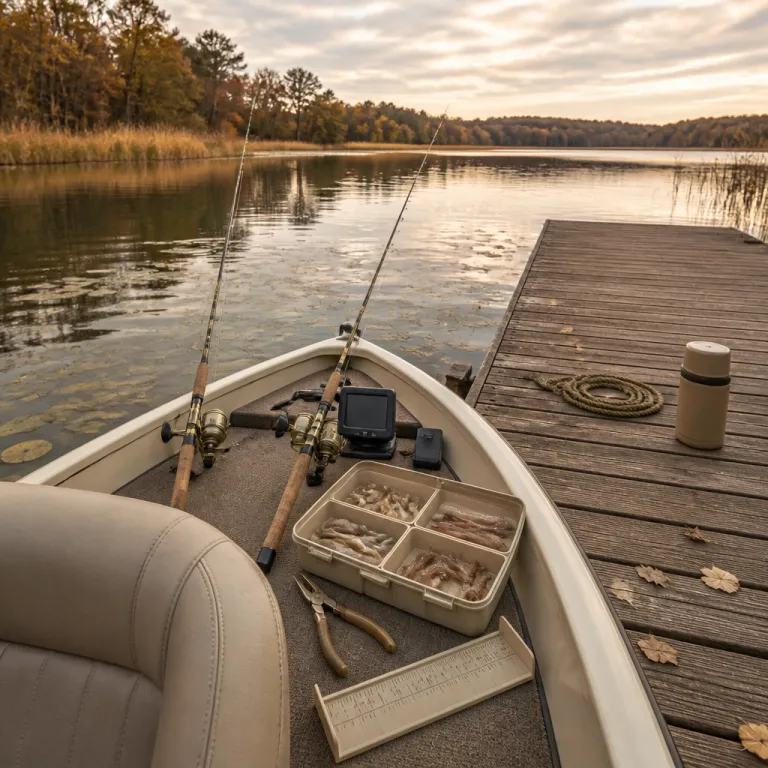
Why fall bass transition fishing in late summer is its own season
Most anglers treat fall bass transition fishing late summer as a vague blur between hot docks and hoodie weather. This short window is actually the most predictable time year to pattern bass, because the fish respond to stable changes in water temperatures rather than random cold fronts. If you read the water and the bait fish correctly, you can turn scattered summer fish into a repeatable fall fishing pattern that holds up across your favorite lake.
On a typical reservoir, the fall transition starts when surface water temps slide below about 26 °C for several days. Bass will not abandon deep water humps after one thunderstorm ; they shift when the entire upper water column cools and the thermocline begins to weaken, which is why late summer can feel dead one weekend and suddenly light up the next. When that happens, summer fall overlap begins, and both deep water and shallow water spots can hold fish bass on the same day.
Think of the fall season as a three step migration, not a single flip of a switch. First, offshore bass fishing targets like ledges and mid lake points lose some oxygen as the thermocline breaks, so bass will slide toward channel swings and secondary points that sit closer to incoming baitfish. During this early fall phase, fall bass are still near their summer homes, but they feed more often and respond better to moving lures than they did in peak heat.
By the middle of this fall transition, you will see more shad and other bait fish in the backs of creeks at first light. That is your cue that big bass are shadowing the migration, using subtle breaks in shallow areas and the last deep water nearby as ambush lanes. Late in the three week window, many bass will commit fully to shallow water flats, and fall bass become classic bank oriented fish that crush baits in less than two metres of water.
Reading water temperatures, baitfish movement, and lake structure
Every serious angler should own a thermometer that reads surface water temperatures, not just rely on the console graph. When you see water temps hold between about 24 and 26 °C for several days, you are in the heart of fall bass transition fishing late summer, and bass will begin sliding off the deepest structure toward mid depth routes. Ignore the single cold front that drops air but not water ; the fish care about the lake, not the forecast.
Watch the baitfish first, because shad and bluegill dictate where bass will stage during this time year. On clear highland reservoirs like Table Rock Lake, schools of shad often rise higher in the water column at dawn, then push toward creek mouths as the sun climbs, and fall bass follow that exact path along channel swings and secondary points. In stained southern lakes, you may see bait fish flickering tight to riprap or wood in shallow water earlier, which signals that the fall transition is already underway.
Structure matters as much as temperature when you try to fish bass efficiently. On a typical U.S. lake, the relocation path runs from offshore humps in deep water, to mid depth channel swings, then finally to flats and pockets where shallow baits shine. If you like to fish from a kayak, pairing this structural understanding with a properly fitted personal flotation device, such as those discussed in a detailed guide on choosing the right kayak fishing PFD, keeps you safe while you explore new areas during late summer.
Do not overlook small natural lakes during the fall season, because their thermocline can collapse faster than big reservoirs. When that layered water breaks down, the entire water column mixes, oxygen levels even out, and fishing fall patterns can feel off for several days as both baitfish and predators roam aimlessly. Once the water stabilizes again, bass will quickly re establish along the same transition routes, and your fall fishing patterns around bait and structure start working again.
The three week path from deep water to shallow ambush zones
On the first weekend when you feel cool mornings but still sweat by noon, pay attention to where your summer fish vanish. Those bass did not leave the lake ; they simply started the fall bass transition fishing late summer, sliding from deep water ledges toward the nearest structural breaks that connect to the bank. If you map that path clearly, you can stay ahead of the migration instead of chasing yesterday’s report.
Week one of this fall transition usually keeps bass close to their summer haunts, just a cast or two shallower. I see this every year on lakes like Guntersville, where fish bass shift from 7 metre river ledges up onto 4 metre shell bars that sit beside channel swings, and a medium diving crankbait or Carolina rig can still reach them. A thorough tutorial on mastering the art of Carolina rigs for successful fishing explains why that rig keeps a bait in the strike zone along these breaks longer than most lures.
By week two, more baitfish and shad push into creek arms, and bass will stack on secondary points that touch both deep water and shallow flats. This is prime time year for covering water with moving baits, because fall bass are feeding up but not yet scattered across every shoreline. I like to alternate between a 10 to 14 gram swim jig and a compact spinnerbait, using the jig when I see isolated cover and the blade when I need to search new areas quickly.
Week three is when late summer finally feels like early fall, and shallow water comes alive. Bass will roam flats, grass edges, and the first third of creek arms, often pushing bait fish into tight balls that you can see dimpling the surface. During this phase, fall fishing from the bank can be excellent, because big bass no longer require a boat to reach, and simple baits like squarebill crankbaits and walking topwaters can outfish fancy lures.
Bait casting choices that track bass through the transition
Matching your bait casting setup to each stage of fall bass transition fishing late summer keeps you efficient instead of constantly re rigging. Early in the fall transition, when bass still hold near deep water structure, I lean on a 7 foot medium heavy bait casting rod with a 6.4:1 reel for mid depth crankbaits and compact swimbaits. That gear lets you feel the lure tick bottom on channel swings without wearing out your wrist during a long day of bass fishing.
As more baitfish and shad move shallower, your bait selection should speed up and rise in the water column. A 7 foot 2 inch medium heavy rod with a slightly faster reel excels for spinnerbaits, swim jigs, and lipless lures that cover water and imitate fleeing bait fish in both shallow water and mid depth areas. When bass will pin shad against grass edges or riprap, burning a lipless crankbait across the top of that cover often triggers reaction strikes from big bass that ignored slower baits.
Do not abandon bottom contact techniques entirely during this time year, because some fall bass still hug the last deep breaks. A football jig in the 10 to 14 gram range, dragged along the first drop outside a creek mouth, can mop up quality fish that sit below the more aggressive schoolers, and a drop shot rig shines when bass suspend off the edge of deep water. I rig the drop shot on a bait casting reel only when I need to pitch it around heavier cover ; otherwise, a spinning setup handles light line better.
Line choice matters as much as the lures themselves when you fish bass during the fall season. Fluorocarbon in the 10 to 15 pound range sinks and keeps crankbaits and jigs in the strike zone, while braid with a leader helps you rip moving baits free from grass in both summer fall overlap and true early fall. Whatever you choose, retie often, because one nick from rock or wood can cost the best fish of your year on the very next cast.
Timing, boat position, and reading subtle fall signals
Anglers who treat fall bass transition fishing late summer like a dawn only game leave a lot of fish on the table. As days shorten, the morning bite stretches longer, but the real change is that midday windows improve compared with high summer, especially when water temperatures hold steady instead of spiking. That means you can plan a more relaxed start, fish through lunch, and still hit prime feeding periods when bass will push baitfish shallow.
Boat position is the quiet skill that separates consistent fall bass anglers from the rest. When you target channel swings during the fall transition, keep your boat over slightly deeper water and cast up onto the break, so your bait travels from shallow to deep like natural bait fish, not the other way around. On shallow water flats, do the opposite ; keep the boat shallow and cast out toward the last deep water, then retrieve back toward the bank to intercept roaming fish bass.
Bank anglers can play this game too by thinking in terms of angles rather than just spots. Instead of always casting straight out, work your baits diagonally across points and along the edges of visible cover, so your lures cross multiple depths where fall bass might be staging. A detailed article on where trout actually hold in spring streams shows how reading current seams and subtle breaks applies across species, and the same mindset helps you read still water structure for bass.
One last factor is the brief slump during full turnover, when the entire water column mixes and both baitfish and predators seem to vanish. You will often see leaves and debris suspended at odd depths, a uniform stain to the water, and almost no life on your sonar, which signals that fishing fall patterns may need a pause for a few days. When clarity improves and you again mark bait fish grouped around structure, the fall season bite usually returns stronger than before, and your three week transition playbook starts working again.
Frequently asked questions about the late summer to fall bass transition
How do I know the fall transition has really started ?
The most reliable sign that the fall transition has started is a consistent drop in surface water temperatures to roughly 24–26 °C for several days, not just one cold front. You should also see baitfish and shad moving shallower at dawn, often near creek mouths and secondary points instead of over the deepest structure. When your summer ledge spots go quiet but those mid depth areas suddenly show life, you are in true fall bass transition fishing late summer.
What are the best lures for the three week transition window ?
During the first week, focus on mid depth crankbaits, Carolina rigs, and football jigs that still reach deep water edges. In the middle of the fall transition, shift toward spinnerbaits, swim jigs, and lipless crankbaits that imitate bait fish moving along channel swings and into creek arms. By the third week, squarebill crankbaits, walking topwaters, and shallow running lures excel around flats, grass, and wood where fall bass feed aggressively.
Should I keep fishing deep water once bass move shallow ?
Yes, you should always check at least one deep water spot each trip, even when shallow water patterns are strong. Some big bass remain on the last deep breaks near creek mouths, especially during bluebird skies or heavy fishing pressure. A drop shot or jig worked slowly along those edges can produce your heaviest fish of the day while the more visible shallow bite handles numbers.
How does the fall transition differ between northern and southern lakes ?
In northern lakes, the fall season and associated fall transition usually begin several weeks earlier than in southern reservoirs because nights cool faster. That means anglers in the Upper Midwest may see baitfish and shad moving shallow while southern anglers are still in a true late summer pattern. Always watch your local water temps and bait movement rather than copying a calendar date from another region.
Is the bite always tough during turnover, or can I still catch fish ?
Turnover often creates a short tough stretch because the mixing water spreads baitfish and bass throughout the water column, making them harder to pattern. You can still catch fish by targeting wind blown banks, inflowing creeks, or any areas with slightly clearer water and visible bait fish activity. Once the lake stabilizes and you again see defined schools of bait on structure, your normal fall bass transition fishing late summer patterns usually start working again.