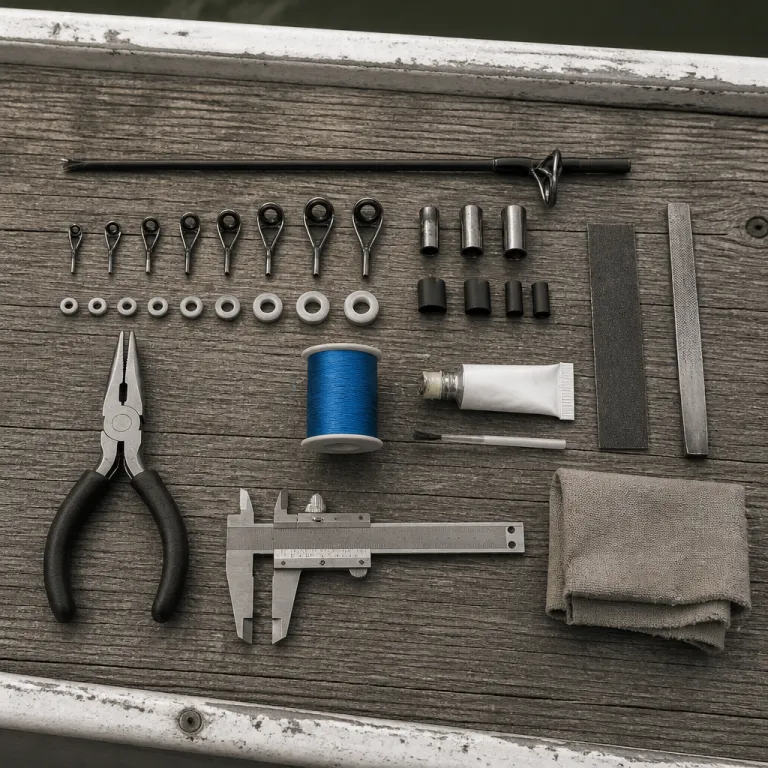

Why fishing rod tip repair kits matter more than you think
A damaged fishing rod tip usually happens in seconds but can ruin an entire day on the water. When you carry reliable fishing rod tip repair kits, a broken rod becomes a quick repair instead of a lost session. The right kit turns an emergency into a controlled pause, and you are casting again within minutes instead of packing up early.
Every recreational angler eventually chips a ceramic ring, bends a steel frame, or snaps a delicate rod guide on the boat deck or in the car door. That is why a compact repair kit with several pieces of replacement rod tips, epoxy glue, and simple accessories belongs in every tackle bag. With a small investment in one product, you protect the higher price you already paid for your favourite fishing rod and matching pole, whether it is an entry-level Shakespeare combo or a premium St. Croix or G. Loomis blank.
Most modern fishing rods use stainless steel frames with ceramic guides to balance strength, weight, and line protection. When the tip fails, friction increases sharply and your line frays fast, so immediate rod repair is not just cosmetic. A well chosen repair kit with compatible tip sizes restores smooth line flow and keeps your spinning or casting performance close to factory condition, similar to what you would expect from an original Fuji or SeaGuide tip top.
Key components of effective fishing rod tip repair kits
Serious fishing rod tip repair kits always start with a range of rod guides that match common blank diameters. Look for a kit that includes several pieces of tips with stainless frames and ceramic inserts, because these replacement parts must align with your existing rod guides to avoid flat spots in the line path. A balanced selection of tube sizes, for example from 1.6 mm to 3.0 mm in 0.2 mm steps, lets you repair both light spinning rods and heavier casting poles with the same compact box.
Frame material matters, so pay attention to whether the product uses plain steel, stainless steel, or hybrid steel–ceramic constructions. Stainless frames resist corrosion during saltwater fishing, while steel frames with a polished ceramic ring offer a strong structure with a smooth surface that protects braid under heavy drag. Many recreational fishermen who move toward custom and specialised ice fishing rods still rely on these universal tip tops as emergency replacement rod parts when travelling, often choosing well-known component brands such as Fuji, PacBay, or American Tackle for long-term durability.
Adhesive quality is just as important as the physical tip itself in any repair kit. Some fishing rod tip repair kits include quick-melt hot glue sticks that soften at around 80–100 °C and set in under one minute, while others supply two-part epoxy glue that cures slower but forms a stronger bond for long-term rod building projects. For bank anglers who value speed, hot glue is convenient for guide repair on a windy shore, yet many boat anglers prefer epoxy glue with a 5–30 minute working time and a full cure in 12–24 hours for a more permanent rod repair on expensive fishing rods.
Choosing the right kit sizes for your rods and fishing style
Matching the new rod guide tip to your existing blank diameter is the first technical step. A good repair kit lists internal tube diameters in millimetres, so you can select the correct replacement rod tip without guesswork. When the tube is too large, even strong epoxy glue cannot compensate for poor fit and the tip will twist under load, especially when casting heavy lures or fighting strong fish.
Think about how you actually use each fishing rod before you compare any sale price or advertised free shipping offer. Light spinning outfits for trout or perch usually need smaller ceramic guides and a more delicate rod guide frame than a heavy bottom fishing pole for cod or catfish. If you often fish deep with heavy sinkers, choose fishing rod tip repair kits that emphasise robust stainless steel frames and slightly larger ceramic rings to handle thick leaders, shock leaders for surf casting, and repeated impact when the rig hits the bottom.
Colour and finish also play a role, especially when you care about clean rod building aesthetics. Many anglers prefer black frames on both the original rod guides and the replacement rod tips, because black stainless steel blends with modern blanks and hides minor wrapping thread imperfections. When you upgrade a budget fishing rod using a higher grade steel–ceramic tip from a quality product, you can also take the opportunity to align the new tip with the rest of your guides for straighter casting performance, similar to what you would expect from carefully tuned bottom fishing rods that match your style.
Step by step rod repair with modern tip kits
Effective rod repair starts with removing the damaged tip guide without harming the blank. Warm the old glue gently with steam or a low, indirect heat source for 5–10 seconds, then pull the worn rod guide straight off with pliers while keeping any flame well away from the blank finish. Once removed, clean any remaining glue from the rod with a sharp blade used carefully along the axis, not across the fibres, to avoid cutting into the carbon or fibreglass.
Next, dry fit several pieces of replacement rod tips from your repair kit until one slides snugly over the blank without wobble. When you have chosen the correct size, apply a thin layer of hot glue or mixed epoxy glue inside the tube and on the blank, then push the new tip into place while aligning it with the existing rod guides. Rotate the fishing rod at eye level and sight down the blank, adjusting the new rod guide quickly before the adhesive sets so the line path remains perfectly straight; a simple visual check from butt to tip works as a basic alignment diagram in your hands.
Some anglers like to add a short decorative wrapping thread in black or matching colour behind the new tip for extra security and a clean finish. This small rod building touch reinforces the joint and hides any minor gap between the blank and the replacement rod tube. After the adhesive and any thread coating cure fully—typically overnight for epoxy—the fishing rod is ready for normal fishing again, with the new ceramic ring protecting your line as reliably as the original component.
Evaluating price, sale price, and real value in repair kits
When comparing fishing rod tip repair kits, headline price rarely tells the full story. A low sale price on a small kit with only a few pieces of limited sizes may look attractive, but it can fail you when the damaged fishing rod has a different diameter or needs corrosion-resistant stainless steel. Paying slightly more for a broader range of tube sizes and better ceramic guides often saves money over time because you avoid buying a second product later or paying for a last-minute tackle shop repair.
Look closely at what each repair kit includes beyond the obvious replacement rod tips. Some sets add useful accessories such as pre-cut wrapping thread, small tubes of epoxy glue, a simple sizing gauge, and even a basic rod guide alignment tool, which increases the practical value for travelling anglers. When a kit also offers clear instructions and responsive support, the overall package justifies a higher price, especially if the retailer provides free shipping or fast delivery options that minimise downtime between fishing trips.
Customer reviews are a powerful filter when you choose between similar fishing rod tip repair kits from different brands. Pay attention to comments about how well the ceramic rings hold up under braided line, whether the stainless frames resist rust after saltwater fishing, and how secure the glue bond feels after several months. Anglers who regularly maintain their fishing rods often mention whether the advertised shipping and delivery times were accurate, which matters when you need a repair kit quickly before a planned trip or tournament weekend.
Long term maintenance, accessories, and when to upgrade the whole rod
Carrying at least one compact repair kit in your boat bag or car keeps you ready for sudden accidents. Combine it with a small pouch of complementary accessories such as spare rod guides, extra wrapping thread, a fine file, and a tube of quality epoxy glue, and you have a mobile rod building station. This simple preparation means a snapped tip or chipped ceramic ring rarely ends your fishing day early, even when you are far from the nearest tackle shop.
Over time, repeated rod repair on the same ageing fishing rod can signal that a full replacement rod might be the smarter investment. When several guides show corrosion, the blank has visible damage, or the handle starts to fail, even the best fishing rod tip repair kits cannot restore original performance. At that point, many recreational fishermen choose a new pole with upgraded stainless steel frames and smoother ceramic guides, then keep the old rod as a backup that still benefits from occasional guide repair using the remaining pieces in the kit.
Routine inspection after each fishing trip helps you catch small issues before they become expensive failures. Run a cotton pad through every rod guide to detect hidden chips in the ceramic ring, check for loose stainless frames at the tip, and clean salt residue from all metal parts. While you are at it, review your other tools such as pliers and cutters, and consider reading a detailed guide on choosing the best fishing pliers for saltwater success to keep the rest of your maintenance kit at the same standard as your rod repair equipment.
Key figures and trends in rod repair and maintenance
- Market analyses from major tackle retailers show that sales of fishing rod tip repair kits and related rod building components have grown steadily over the last decade, with some chains reporting double-digit annual growth as more anglers choose repairing rather than discarding damaged fishing rods; these figures are typically drawn from internal sales dashboards and trade reports rather than public datasets.
- Industry surveys indicate that a significant share of recreational anglers—often quoted at over one-third in trade publications—have performed at least one rod repair themselves, frequently starting with a simple replacement rod tip before attempting more advanced guide repair or full rod building projects; exact percentages vary by region and survey method.
- Data from large online marketplaces reveal that products offering free shipping and clear tip tube size information receive higher customer reviews on average, suggesting that transparent delivery terms and detailed specifications strongly influence purchase decisions for any repair kit; this pattern appears consistently in category-level rating summaries.
- Retail statistics highlight that stainless steel and steel–ceramic framed ceramic guides now dominate the mid-range and premium repair kit segments, as anglers prioritise corrosion resistance and smooth line flow for both spinning, casting, and heavier bottom fishing applications, according to component sales breakdowns shared in rod building trade magazines.
FAQ about fishing rod tip repair kits
How do I choose the right size tip for my rod ?
Measure the diameter of the blank at the broken tip using callipers or a simple sizing card, then match that measurement to the tube size chart provided with your repair kit. The correct replacement rod tip should slide on snugly without excessive force and without wobble. If you are between sizes, choose the slightly smaller tube and carefully sand the blank, rather than relying on extra glue to fill a loose fit that could twist under pressure.
Is hot glue or epoxy glue better for rod tip repair ?
Hot glue is faster and ideal for emergency fishing rod repairs on the bank or boat, because it sets within seconds and allows easy future removal by reheating the tip. Two-part epoxy glue creates a stronger, more permanent bond that many rod building enthusiasts prefer for high-value fishing rods used under heavy load. For most recreational fishermen, carrying both options in the same repair kit offers the best balance between speed and long-term security.
Can I use one kit for both spinning and casting rods ?
Yes, many modern fishing rod tip repair kits are designed for both spinning and casting setups, as long as the kit includes a good range of tube sizes and suitable ceramic guides. The main difference is usually the ring size and frame style, not the basic attachment method. Check that the product description mentions compatibility with your style of fishing rod and that the frames are strong enough for your preferred technique, whether that is light lure fishing or heavy bottom work.
When should I replace the whole rod instead of repairing the tip ?
If only the tip or a single rod guide is damaged, a simple rod repair using a replacement rod tip is usually sufficient and cost effective. When multiple guides are corroded, the blank shows cracks, or the handle and reel seat are failing, repeated repairs may exceed the value of the pole. In those cases, investing in a new fishing rod and keeping a repair kit for future minor issues offers better long-term value and more reliable performance.
Do colour and finish of the new tip really matter ?
Functionally, alignment, size, and material matter more than colour, but finish still plays a role in overall satisfaction. Matching a black stainless steel frame and similar ceramic ring style to your existing rod guides keeps the rod looking consistent and can help you track any future guide repair work. Many anglers who care about neat wrapping thread and clean rod building lines prefer kits that offer several pieces of black-framed stainless options for this reason.